Table of Contents
In the modern metal processing field, tube applications are everywhere, from construction trusses to precision medical brackets. As manufacturing requirements increase, traditional mechanical cutting has become inadequate. What is tube laser cutting machine? Today, I will provide a detailed analysis of the device’s operating principles, features, common types, and application scenarios.
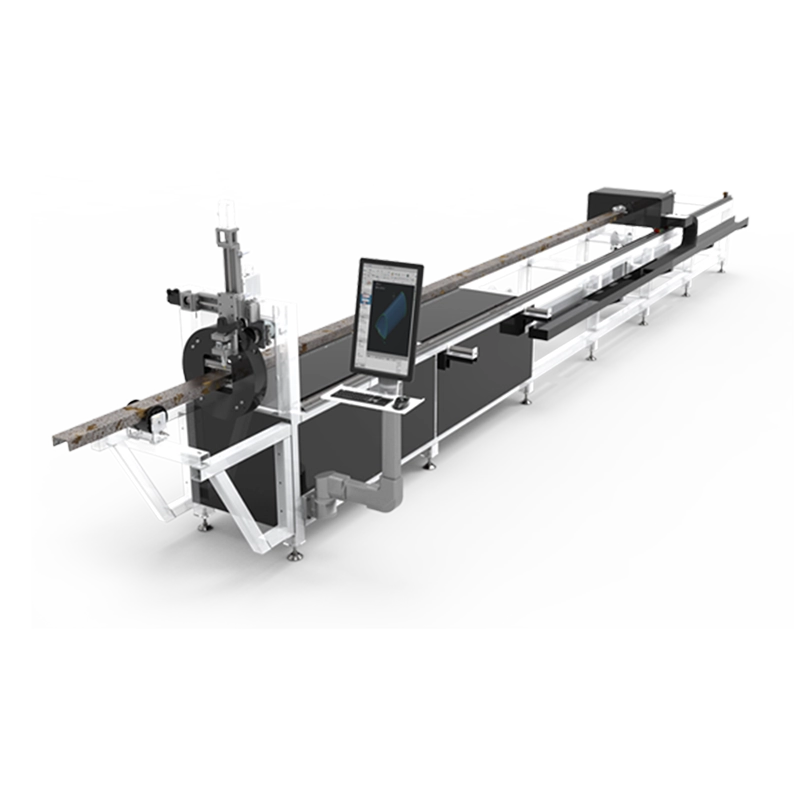
What is tube laser cutting machine?
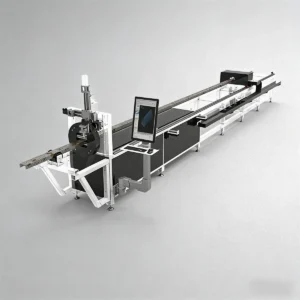
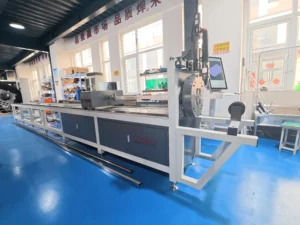
Simply put, a tube laser cutting machine is an intelligent device that uses Computer Numerical Control (CNC) and high-energy-density fiber laser beams to perform non-contact processing on metal pipes. It is known in the industry as a CNC Fiber Laser Tube Cutting Machine. Compared to traditional sawing or punching, its greatest revolution lies in integrating “cutting, hole punching, and beveling” into a single process. It requires no molds; you only need to import drawings to complete complex spatial geometric cuts. This equipment not only improves processing accuracy but also fundamentally changes the production logic of metal tube components. The tube laser cutting machine has become a hot topic in industrial upgrading.
Working Principle
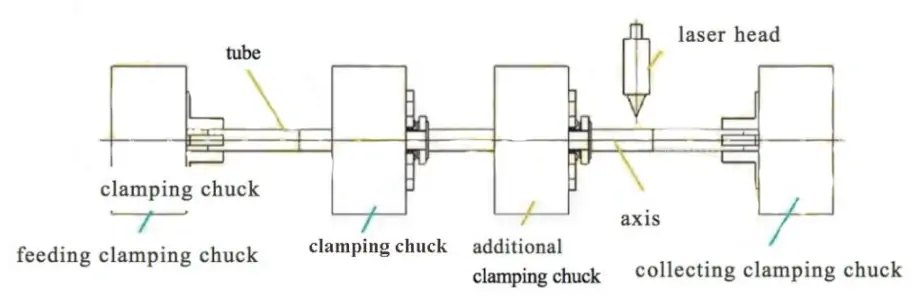
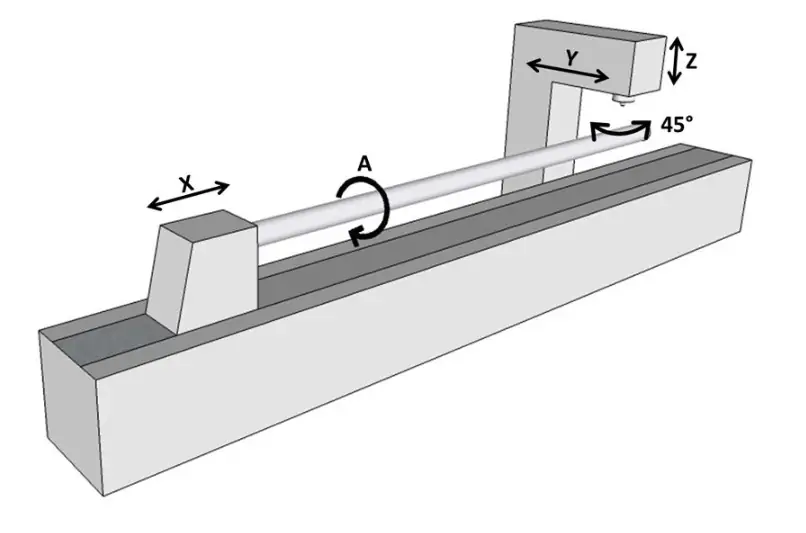
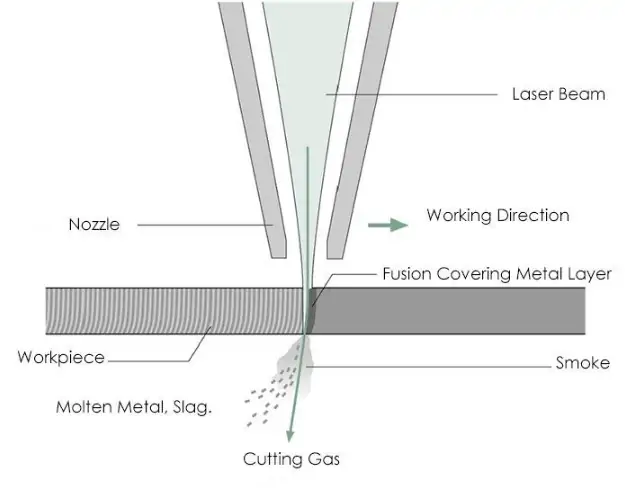
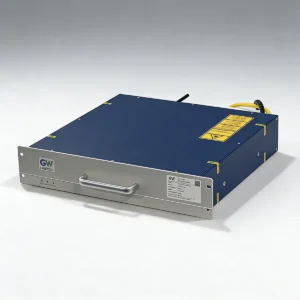
- The tube laser cutting machine consists of a fiber laser generator, a multi-axis CNC control system, an automatic centering chuck system, and an intelligent cutting head, among other components. Understanding the tube laser cutting machine working principle lies in mastering how light energy is converted into kinetic energy.
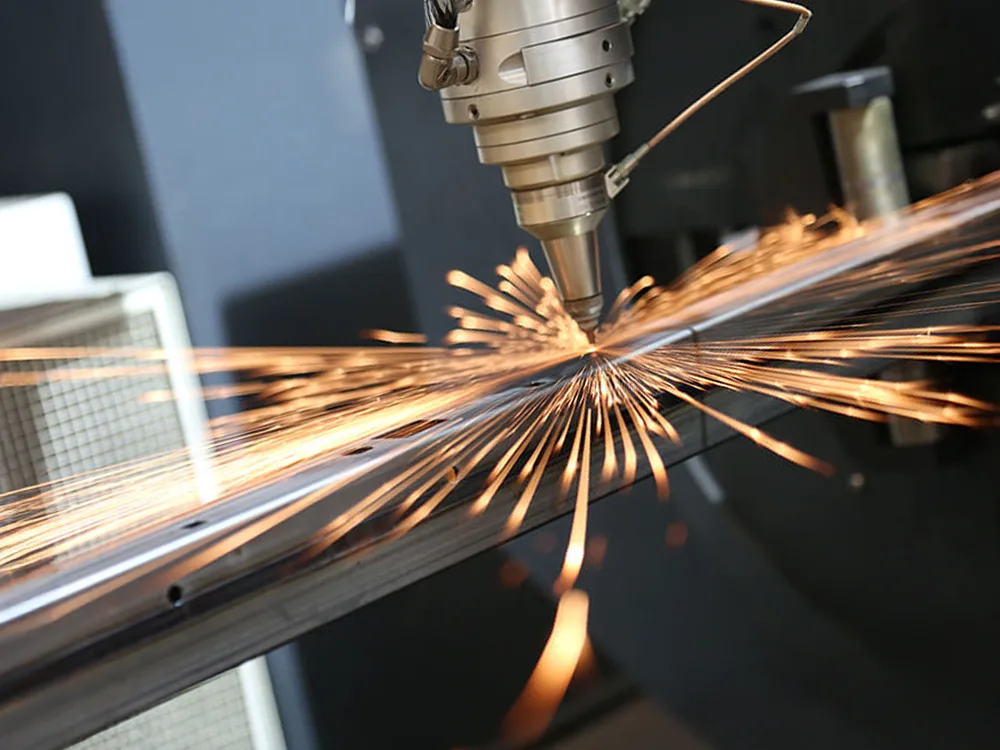
- Once processing begins, the original beam excited by the laser generator is transmitted through the optical fiber to the cutting head. The beam is then converged by a focusing lens into an extremely small spot with a diameter of 0.1–0.3 mm. When this spot hits the surface, it instantly generates thousands of degrees of heat, rapidly melting or even vaporizing the metal.
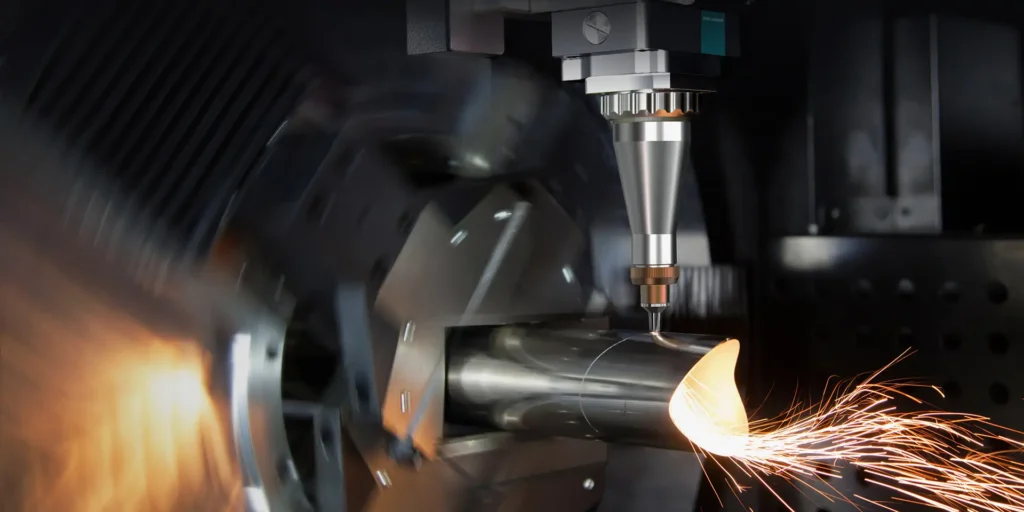
- At this moment, the system ejects auxiliary gases such as nitrogen or oxygen from the nozzle. The high-pressure airflow quickly blows the molten metal away from the kerf, forming a smooth, vertical section. By utilizing the multi-axis coordination of the CNC system, the chuck rotates the tube while the cutting head follows the drawing trajectory. This tube laser cutting machine working principle allows for precision pattern cutting or beveling on the tube wall.
Features
In production lines, the laser pipe cutting machine spans every stage from primary cutting to complex pre-assembly. The advantages are obvious to everyone:
- Straight Cutting: Using the extremely small focal spot of the fiber laser, the kerf width is controlled between 0.1 mm and 0.3 mm. This narrow-gap cutting significantly reduces material loss. It also results in flat and vertical end faces, which often require no secondary grinding before delivery.
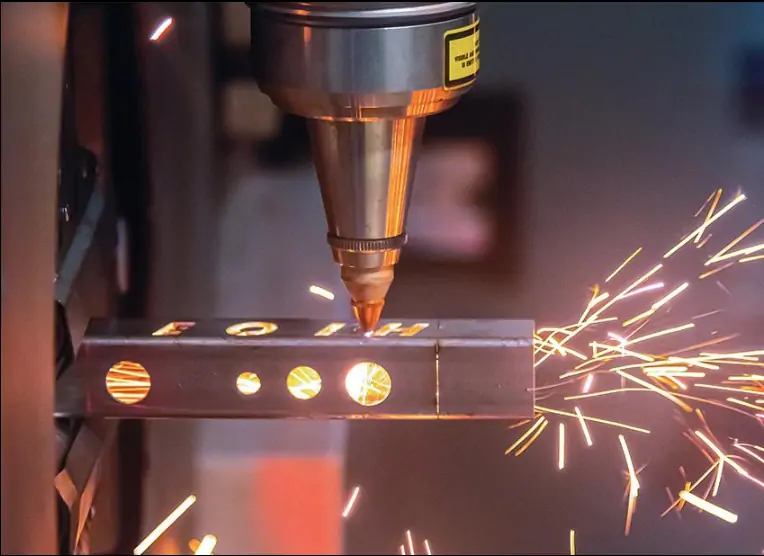
- Hole & Slotting: Laser processing completely eliminates the reliance on molds found in traditional punching. Whether it is a round hole, slot, or complex irregular contour, it can be achieved instantly by importing CAD drawings into the CNC system. This non-contact method avoids tube deformation, a major advantage in thin-wall metal tube laser cutter applications.
- Beveling: Using multi-axis linkage technology, the machine can accurately complete 45° miter cuts or complex intersecting line bevels. This process lays the foundation for subsequent welding, ensuring full weld penetration, which is vital in load-bearing scenarios like bike frames and trusses.
- Nesting Optimization: Professional nesting software reorganizes parts of different specifications onto a single raw tube based on order demand. By using common-line cutting and tail-material control technology, we can maximize material utilization and minimize waste, effectively lowering the cost of all laser pipe cutting machine uses.
Types
Based on the different shapes of tubular workpieces in industrial applications, common laser cutting machines can be classified into the following three types:
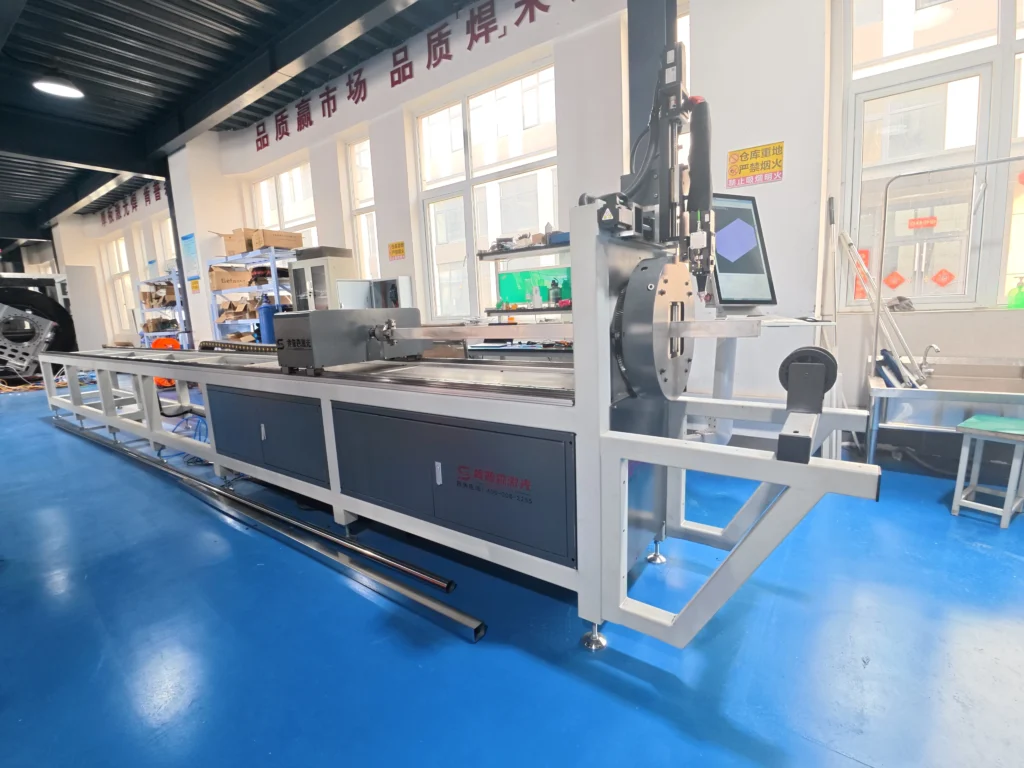
Round Tube Laser Cutting Machine
- Laser Power: 1200W
- Cutting Thickness: 1–12mm
- Range of Pipes:10-120mm
- Cutting Speed: 120 m/min
- Applicable Materials: Carbon steel, stainless steel, zinc alloy
Applications: Operating table frames, wheelchair frames, oil pipelines, plumbing and heating networks, street guardrails, streetlight poles, and bus stop signs.
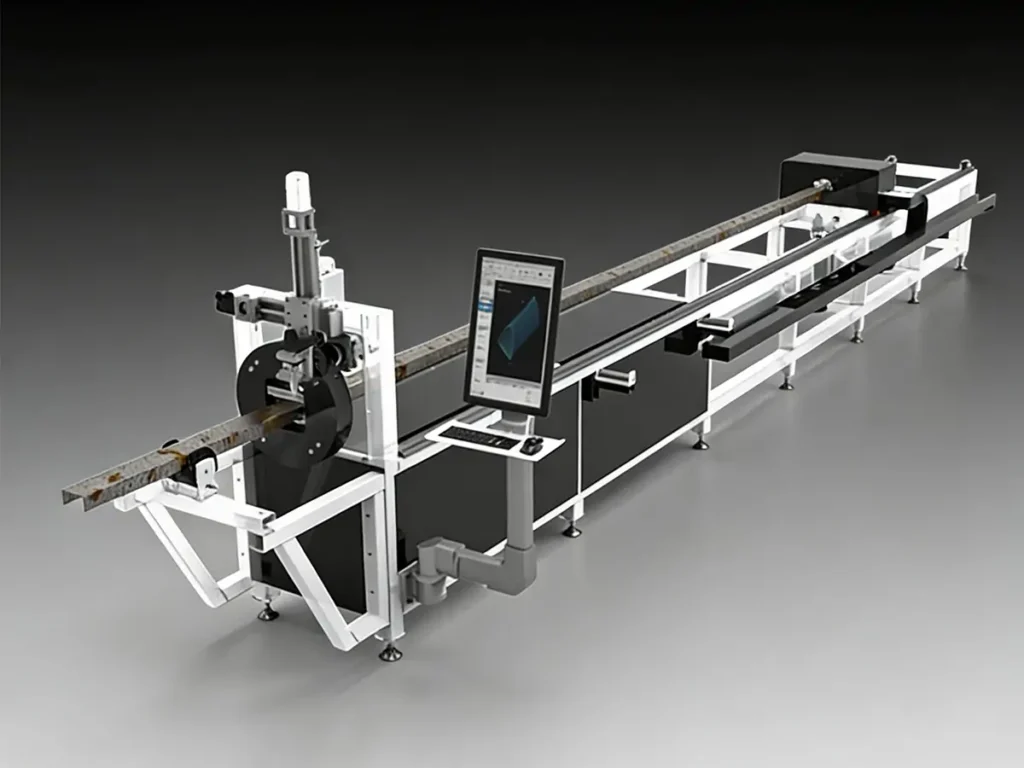
Square Tube Laser Cutting Machine
- Laser Power: 1200W
- Cutting Thickness: 1–12mm
- Range of Pipes:10-100mm
- Cutting Speed: 120 m/min
- Applicable Materials: Carbon steel, stainless steel, zinc alloy
Applications: Metal table and chair legs, display shelves, treadmill frames, large multi-gyms, and rack columns in automated high-bay warehouses.
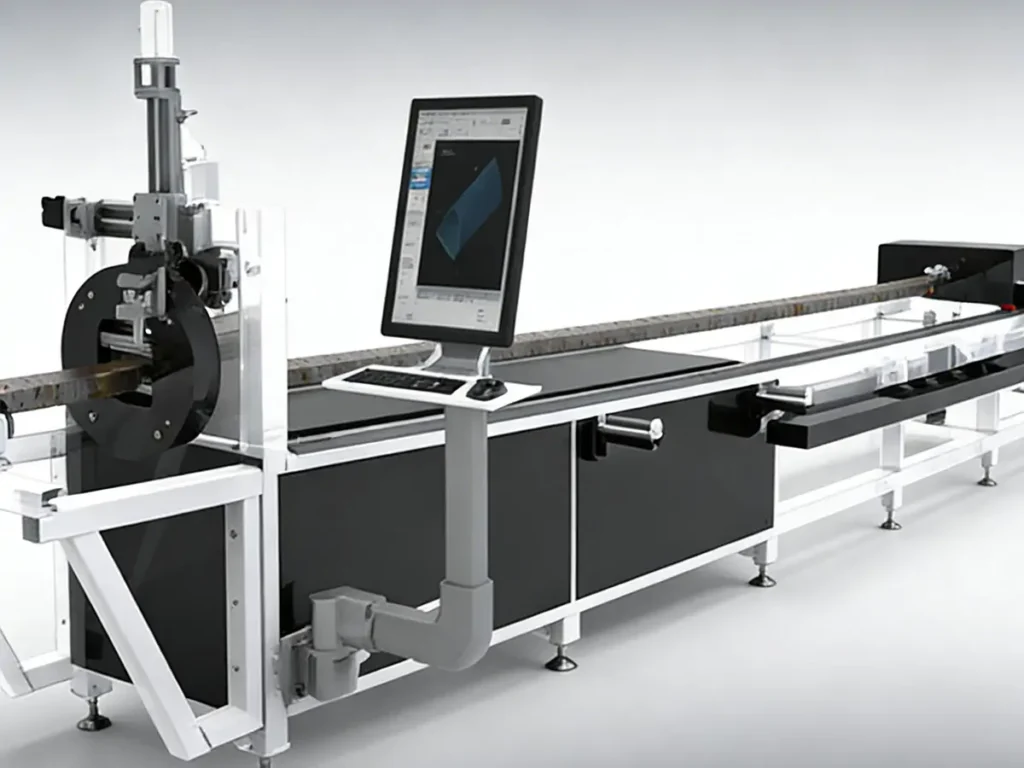
Structural Profile/Special-shaped Cutter
CNC Fiber Laser Tube Cutting Machine
- Laser Power: 1200W
- Cutting Thickness: 1-12mm
- Cutting Speed: 120m/min
- Applicable Materials: Carbon steel, stainless steel, zinc alloy
Applications: Processing of hardware and pipe fittings; cutting of profiles for doors, windows, and railings; manufacturing of tubing for fitness equipment; production of shelving brackets and accessories; forming of hardware and pipe fittings for kitchens and bathrooms; and fabrication of frames for agricultural greenhouses.
Applications
Depending on the industrial pipe used, it is sometimes called a Square Tube Laser Cutting Machine or a Round Tube Laser Cutting Machine. Due to high efficiency and consistency, metal tube laser cutter applications have penetrated both heavy and light industries:
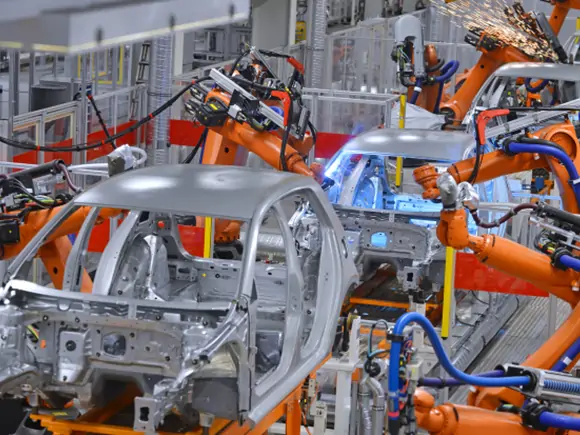
- Automotive Parts: Production of exhaust systems, chassis beams, roll cages, and seat frames.
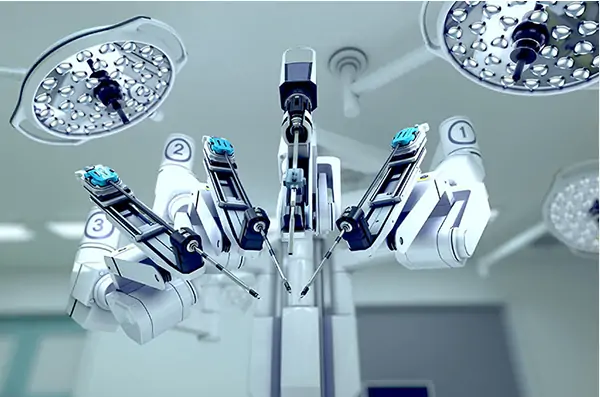
- Fitness & Medical Equipment: Frames for treadmills, multi-functional trainers, and equipment composed of irregular tubes. These are classic metal tube laser cutter applications.
- Steel Structures & Public Facilities: Space trusses in architecture, stair handrails, and solar photovoltaic brackets.
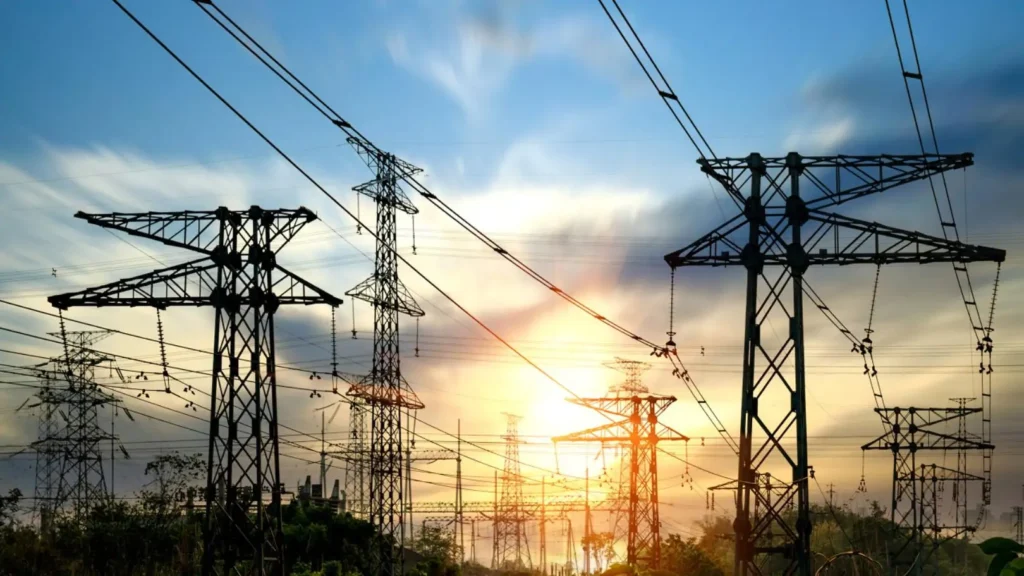
- Petroleum, Power & Energy Engineering: Wind power components, fluid pipelines, and large-scale operations often utilize diverse laser pipe cutting machine uses.
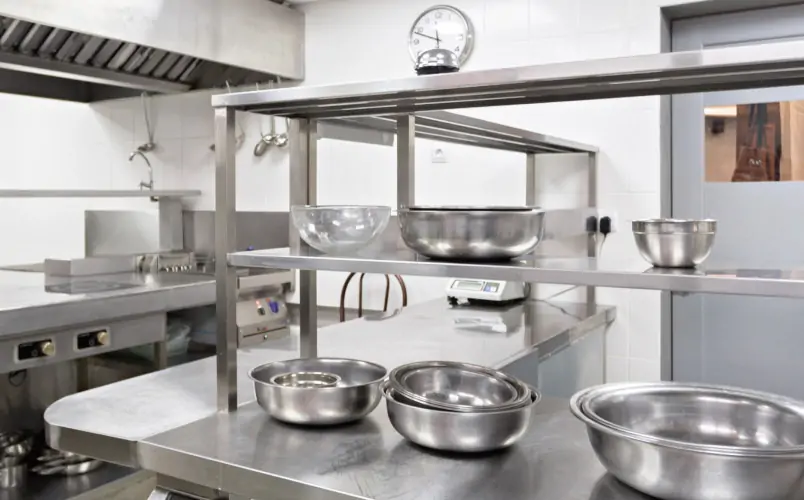
- Kitchen & Furniture: Metal table legs, decorative racks, and stainless steel shelving.
The tube laser cutting machine is a complete solution for metal pipe processing. It compresses multiple traditional steps into a single workstation, helping manufacturers skip tedious mold development. As fiber technology matures, this machine is becoming a standard for global factories, achieving “automation and intelligence.”
Cutting Results
Traditional Cutting vs. Laser Cutting
Transitioning from traditional mechanical cutting to laser cutting is a total upgrade in efficiency. The table below illustrates why the tube laser cutting machine represents the future:
| Dimension | Traditional (Saw/Punch) | Fiber Tube Laser |
| Accuracy | Error > ±0.5mm, low consistency. | Accuracy ±0.05mm, vertical sections. |
| Cut Quality | One-stop: cutting, punching, and beveling in one. | Smooth, slag-free, and ready for welding. |
| Integration | Requires multiple machines and steps. | One-stop: cutting, punching, beveling in one. |
| Mold Cost | High cost and long development for molds. | No molds: just modify the CAD drawing. |
| Utilization | Wide kerf (>3mm), high waste. | Narrow kerf (0.1mm) with smart nesting. |
| Flexibility | Long setup for blade/mold changes. | Instant switching for batch or custom orders. |
| Automation | High labor intensity for marking/alignment. | Supports auto-loading and continuous work. |
While the initial investment for a tube laser cutting machine is higher, it eliminates mold fees, reduces labor costs, and lowers material loss. Traditional methods require separate sawing, drilling, and milling; laser cutting integrates these into a single setup. In mass production, the per-unit cost is far lower than traditional methods, expanding the scope of metal tube laser cutter applications.
Buying Considerations
When investing in new equipment, the first question on every owner’s mind is: How much does a tube laser cutting machine cost? However, a smart purchase goes beyond the initial sticker price. To ensure you aren’t overpaying for features you don’t need—or underspending on a machine that will fail in two years—it is critical to understand the market’s current pricing tiers. You can find a detailed breakdown in our latest guide on How Much Does a Tube Laser Cutting Machine Cost?
Business suitability and long-term reliability are the ultimate criteria. While some machines may have tempting low quotes, the “true” cost includes material waste and maintenance expenses. Before signing any contract, we recommend reading our article on how to choose the right laser cutting machine.
- Processing Specifications: Confirm the maximum tube diameter or square tube diagonal that the machine can handle. This defines your future laser pipe cutting machine uses.
- Tube Compatibility: Check the chuck’s self-centering ability and stability for irregular shapes to ensure thin-wall tubes do not deform.
- Power Matching: 1200W–2000W is suitable for 1mm–5mm thin-wall tubes, while 3000W+ handles thick-wall pipes over 10mm.
- Laser Components: The stability of the laser source affects the finish. Confirm the brand and its global after-sales support.
- Bed Structure: Choose a heat-treated welded bed or cast-iron bed. A stable base prevents the cutting head from vibrating at high speeds of 120 m/min.
- Smart Nesting: Does it support one-click CAD imports? Efficient nesting software is critical for all metal tube laser cutter applications to reduce waste.
- Ease of Use: Is the interface intuitive? Can new workers learn it quickly?
- Maintenance Costs: A longer warranty indicates core component quality. Check the replacement frequency and price of nozzles and protection lenses.
To choose correctly, first define your required accuracy and material range, then work backward to determine the power and mechanical configuration of the tube laser cutting machine.
Conclusion
A tube laser cutting machine is more than just a tool; it is a turning point for factory efficiency. Whether you want to solve precision bottlenecks or reduce reliance on skilled welders, Kempson provides the best solution.
Kempson is a high-tech enterprise specializing in the R&D, manufacturing, sales, and service of laser welding and laser cutting equipment. The company has obtained ISO 9001 quality management system certification, EU CE certification, and U.S. FDA certification, and offers a highly competitive 3-year extended warranty in the industry. Our professional technical support team provides efficient solutions for a wide range of operational scenarios.
FAQS
Can a tube laser cutting machine handle stainless steel and aluminum? Is there reflection damage?
Absolutely. Fiber laser technology is very mature. With specific cutting heads and nitrogen assistance, stainless steel results are excellent. For highly reflective aluminum, our equipment has built-in anti-reflection systems to ensure clean cuts without damaging the machine.
Is it hard for a beginner to operate? Do I need a programmer?
No. Modern CNC systems are as simple as using drawing software. Workers with basic computer skills can master it in 1–2 days of training. The system supports direct CAD imports, eliminating the need for manual coding in most laser pipe cutting machine uses.
Are there requirements for tube shapes? Can it only cut round and square tubes?
It does much more. Beyond standard tubes, it processes channel steel, angle steel, U-shaped steel, and irregular profiles. As long as the tube fits the chuck, most industrial profiles can be handled by a tube laser cutting machine.
Why is it more expensive than a saw? Where is the ROI?
The initial cost is higher, but it saves on molds, drilling, and manual grinding. It combines multiple steps into one. If your workload is sufficient, the savings in material and labor usually result in a return on investment within 1–2 years.
Does the tube deform from heat during cutting, especially thin-wall tubes?
Laser cutting is a non-contact process with a minimal heat-affected zone. Combined with high-speed servo control and gas cooling, the energy is concentrated. Even 1mm tubes maintain structural integrity without the collapse seen in mechanical processing.
Does this machine take up much space? Are there environmental requirements?
It actually saves space by integrating multiple functions. You only need a flat floor and a stable power supply. For worker health, we recommend an exhaust system to keep the area ventilated during metal tube laser cutter applications.
How long is the tail material (waste)? Can it save material?
This is a strength of our tube laser cutting machine. With smart software and precise chuck design, we control the tail material to 40mm–100mm. For expensive materials, the annual savings on waste turn directly into profit.
What if the machine breaks? How does the warranty work?
We offer a 3-year extended warranty covering core parts like the laser. We promise 24-hour technical support. For consumables like nozzles, we provide an initial supply and ensure stable, low-cost availability for all your laser pipe cutting machine uses.