Table of Contents
Introduction
Automotive manufacturers need welding solutions that deliver high precision, stable quality, and efficient production for increasingly complex vehicle components. A Laser Welding Machine for Automotive Parts provides a focused heat source with low distortion and high repeatability, making it widely used for EV battery components, body structures, aluminum parts, and precision automotive assemblies.
Next, I will introduce the main applications of laser welding in automotive manufacturing, explain the key advantages compared with traditional welding methods, and discuss how to select the right laser power and machine configuration based on material, thickness, and production requirements.
What Is a Laser Welding Machine for Automotive Parts?
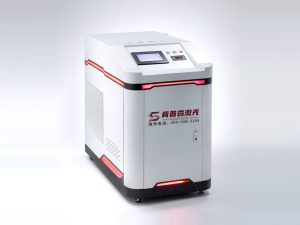
A Laser Welding Machine for Automotive Parts is a fiber laser welding system designed to join metal components in vehicle manufacturing. It uses a high-energy laser beam as a concentrated heat source to melt the material at the joint area, creating precise and strong welds with minimal heat input.
Compared with MIG, TIG, and resistance welding, laser welding offers higher welding speed, smaller heat-affected zones, and better control over weld quality. These advantages make it suitable for automotive applications that require high consistency, lightweight material processing, and efficient mass production.
Applications of Laser Welding Machine in Automotive Parts
Laser welding is used in automotive parts for EV batteries, body structures, powertrain components, and precision parts. These applications require different welding performance, including heat control, weld strength, accuracy, and production consistency.
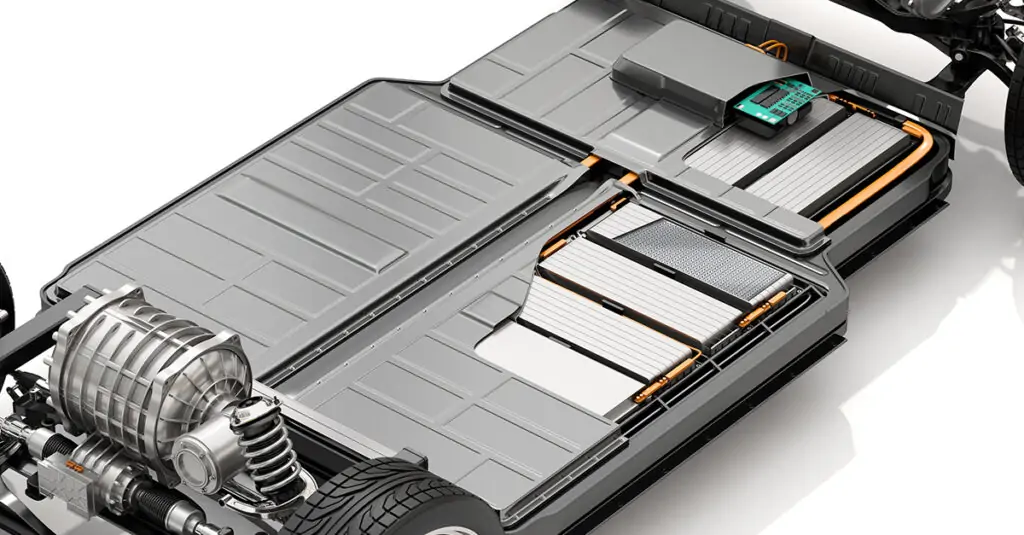
EV Battery Pack and Battery Components
Laser welding is widely used for:
- Battery tabs
- Busbars
- Battery housings
- Cooling plates
Battery production requires strict heat control to protect cells and electrical connections. The laser beam creates a small weld area with low heat input and limited deformation. Battery housings and cooling plates use laser welding for airtight joints and stable sealing performance.
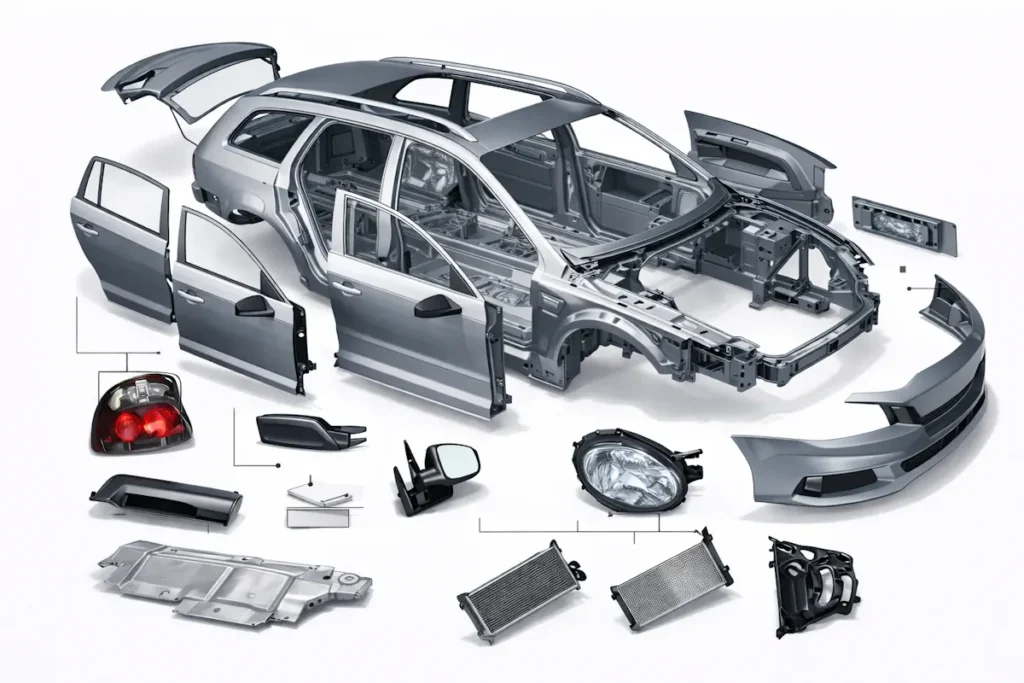
Automotive Body and Structural Parts
Common applications include:
- Door panels
- Roof structures
- Chassis components
- Lightweight aluminum structures
Laser welding is applied to aluminum and steel body components. The process forms continuous weld seams with low distortion and high joint strength. Controlled welding parameters maintain the dimensional accuracy of body panels and structural parts during production.
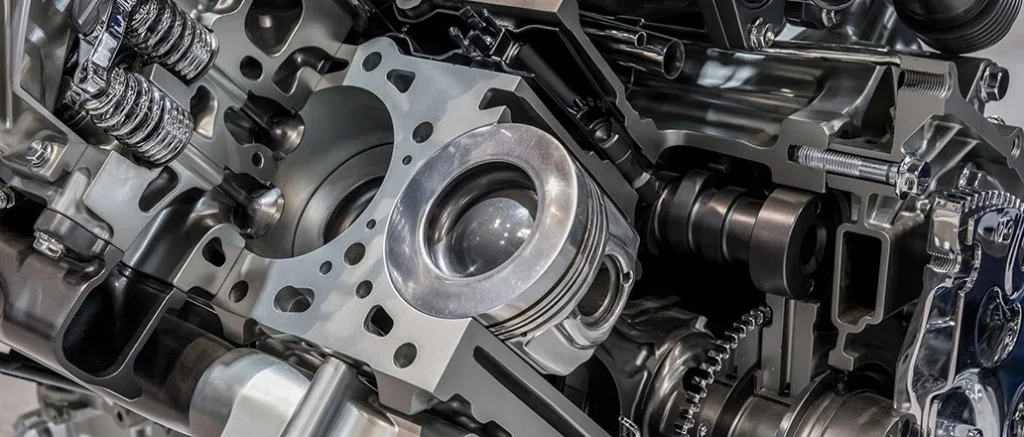
Powertrain and Mechanical Components
Applications include:
- Gear components
- Motor housings
- Transmission parts
- Shafts
Powertrain components require deep penetration and strong weld joints for mechanical loads. High energy density laser welding creates deep weld profiles with a narrow heat-affected zone. Lower thermal impact reduces changes to precision-machined and heat-treated components.
Precision Automotive Components
Applications include:
- Sensors
- Electronic components
- Exhaust components
- Small metal assemblies
Precision components require accurate positioning and consistent weld quality. Laser welding uses a fine beam spot for localized welding with controlled heat input. It is widely used for sensor sealing, electronic assemblies, and small metal parts in high-volume production.
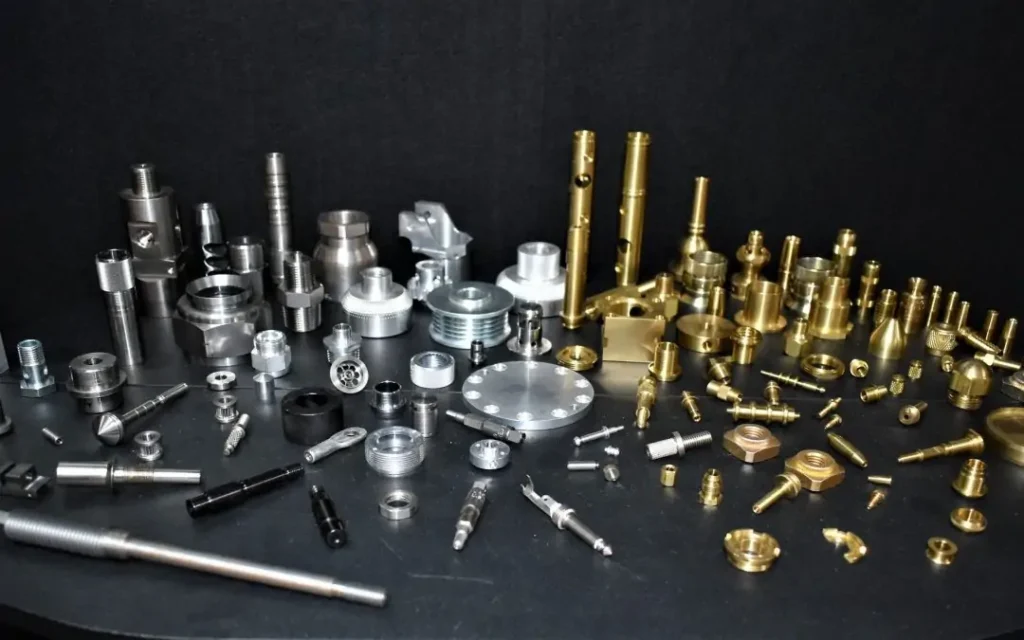
EV batteries and precision components require low heat input and high repeatability. Body structures focus on material compatibility and deformation control. Powertrain components require deep penetration and strong weld joints. Laser power, beam size, and welding parameters can be adjusted according to material type, thickness, and production requirements.
Why Use a Laser Welding Machine for Automotive Parts?
- Laser welding is widely used in automotive manufacturing due to its low heat input, high precision, and easy automation integration. The main advantages include:
- Small Heat-Affected Zone: The focused laser beam reduces heat spread during welding. It minimizes deformation and is suitable for thin sheets, aluminum parts, and precision components.
- High Welding Speed: High energy density shortens welding time and creates smooth weld seams with less post-processing.
- Strong Weld Joints: Laser welding forms deep penetration welds with high strength, supporting lightweight vehicle structures and load-bearing components.
- Material Compatibility: Laser welding is used for aluminum, copper, stainless steel, and steel parts. It also supports selected dissimilar metal welding applications.
- Reliable Sealing Quality: Stable weld formation is used for battery housings, cooling plates, and other components requiring airtight connections.
- Easy Automation Integration: Laser welding systems can work with robots and production lines for consistent quality in automotive mass production.
- Low Heat Impact on Sensitive Parts: The limited heat input reduces damage to sensors, electronic components, and other heat-sensitive automotive parts.
What Laser Power Is Needed for Automotive Parts?
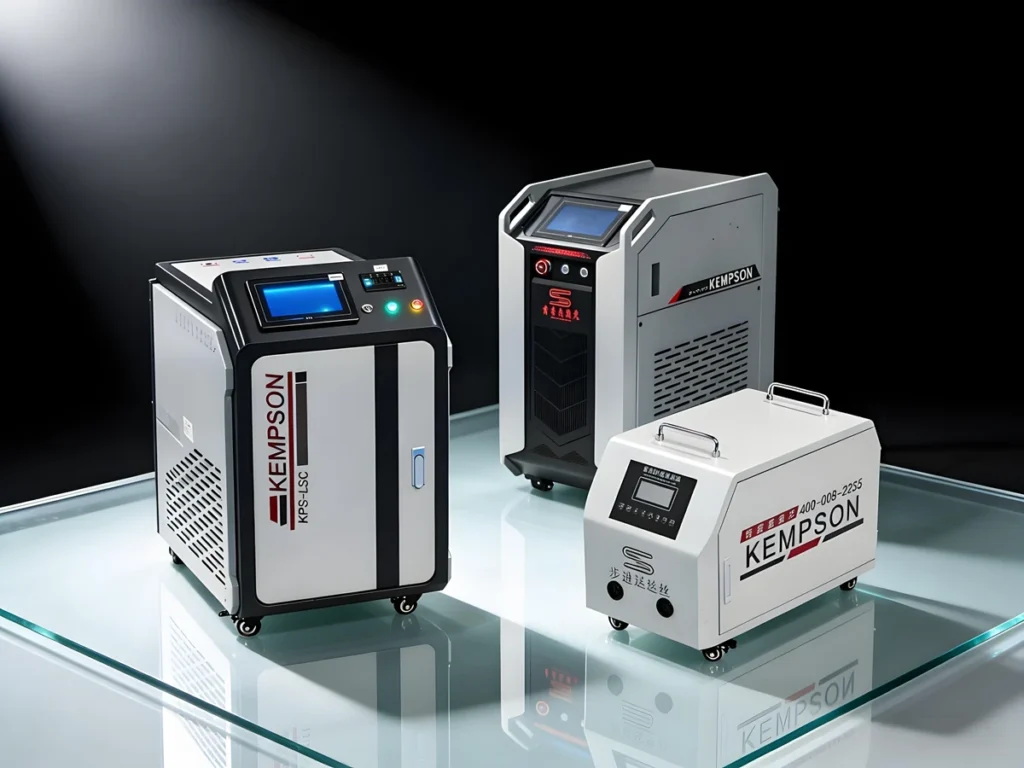
Laser power selection depends on material type, thickness, weld depth, and production requirements. In automotive manufacturing, 1500W–6000W laser welding machines are commonly selected for different component applications.
1500W Laser Welding Machine
A 1500W laser welding machine is mainly used for thin automotive parts and precision components. It fits applications with lower heat input requirements, such as sensors, electronic parts, and thin stainless steel or aluminum components.
Common applications:
- Sensors and electronic housings
- Thin sheet metal parts
- Small automotive assemblies
2000W Laser Welding Machine
A 2000W laser welding machine is suitable for general automotive component welding. It covers a wider thickness range and is commonly used for aluminum parts, steel components, and medium-size structural parts.
Common applications:
- Battery housings
- Busbars and battery components
- Automotive brackets
- Aluminum and steel parts
3000W Laser Welding Machine
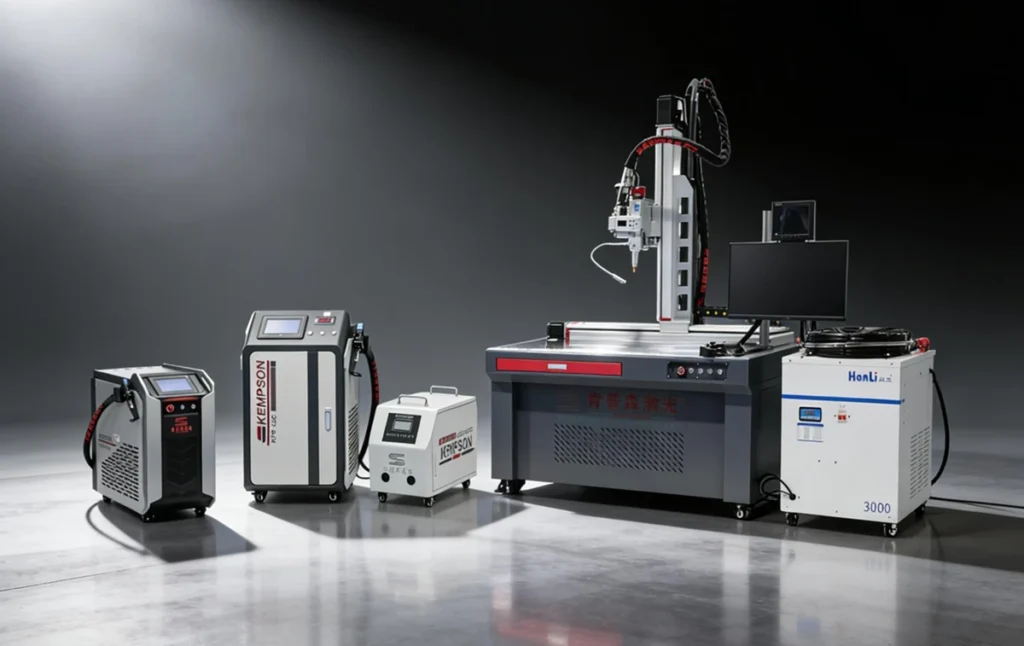
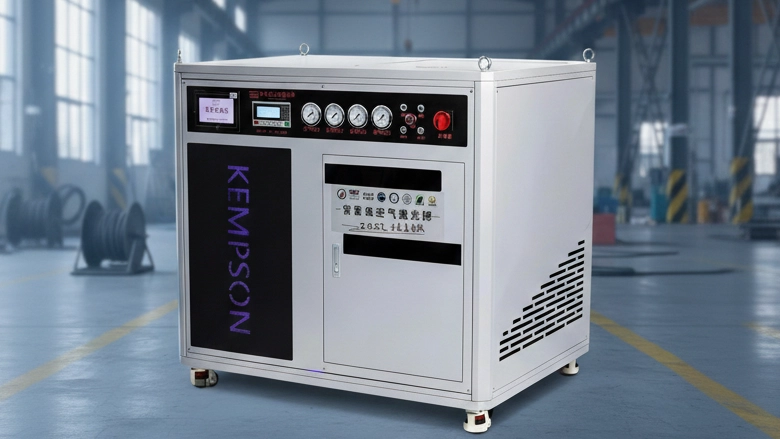
A 3000W laser welding machine is used for higher production requirements and thicker automotive components. The higher power output supports deeper penetration and faster welding speed.
Common applications:
- Chassis components
- Motor housings
- Transmission parts
- Medium-thickness aluminum structures
4000W–6000W Laser Welding Machine
High-power laser welding machines are used for heavy automotive production and demanding welding processes. They are suitable for thick materials, large structures, and automated production lines.
Common applications:
- Large EV battery structures
- Heavy aluminum components
- High-strength steel parts
- Automated automotive welding systems
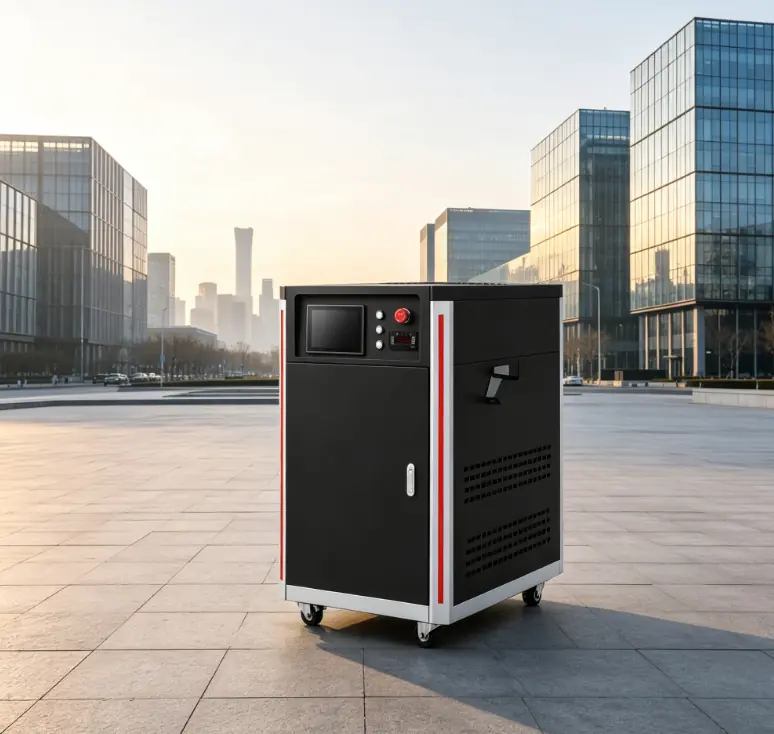
The right laser power depends on the actual material, thickness, joint design, and production cycle. Automotive manufacturers usually select the machine after testing welding samples and confirming process parameters.
Laser Welding vs Traditional Welding for Automotive Parts
Laser welding and traditional welding use different heat sources and process methods. These differences affect heat input, weld accuracy, deformation control, and production performance in automotive parts manufacturing.
| Comparison | Laser Welding | Traditional Welding |
|---|---|---|
| Heat Input | Focused laser beam with concentrated energy | Arc or flame heating with wider heat distribution |
| Heat-Affected Zone | Small HAZ, typically 0.1–1 mm, less deformation | Larger HAZ, higher risk of distortion and oxidation |
| Weld Quality | Narrow weld seam, high depth-to-width ratio, stable quality | Wider weld seam with more spatter and variation |
| Production Consistency | CNC-controlled parameters, high repeatability | Quality depends more on operator experience |
| Post-Processing | Less grinding and correction required | More finishing work after welding |
| Automation | Easy integration with robots and production lines | More difficult for high-speed automated production |
| Material Application | Suitable for aluminum, copper, stainless steel, and some dissimilar metals | Better tolerance for large gaps and heavy structures |
Laser welding is widely used for EV batteries, lightweight structures, and precision automotive parts. Traditional welding remains common for thick plates, large structures, and repair work. The selection depends on material, thickness, joint design, and production requirements.
For a comprehensive, detailed comparison of laser welding machines and traditional welding, and to learn about the differences in their applications, see the article: “Laser Welding vs. TIG Welding: Cost, Speed & Application Guide”
How to Choose a Laser Welding Machine for Automotive Parts?
Choosing a laser welding machine for automotive parts depends on material type, thickness, welding requirements, and production conditions.
Consider Material and Thickness — Material and thickness determine laser power and welding parameters. Aluminum, copper, steel, and stainless steel require different process settings for stable weld quality.
Check Welding Requirements — Weld strength, penetration depth, heat input, and surface quality should match the component application. Production volume also affects laser power, wire feeding capability, and automation level.
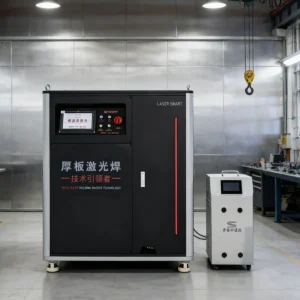
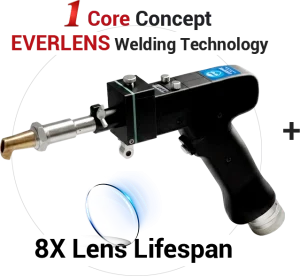
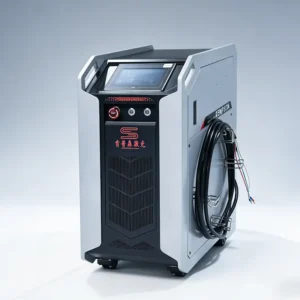
Evaluate Machine Configuration — Select the right configuration based on the welding process, including laser power, welding head, wire feeder, cooling system, control system, and handheld or automated operation.
Choose a Reliable Manufacturer — A qualified supplier should have automotive welding experience and provide application testing, technical support, warranty service, and after-sales support for production use.
The right laser welding machine should match the material, welding process, and production conditions. Application testing and supplier experience are important factors before purchase.
Conclusion
Laser Welding Machine for Automotive Parts is widely used in EV batteries, body structures, powertrain components, and precision automotive parts. Low heat input, high welding accuracy, and stable production performance make laser welding an important process for modern automotive manufacturing.
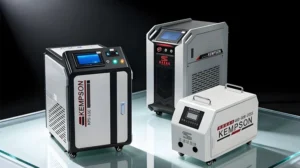
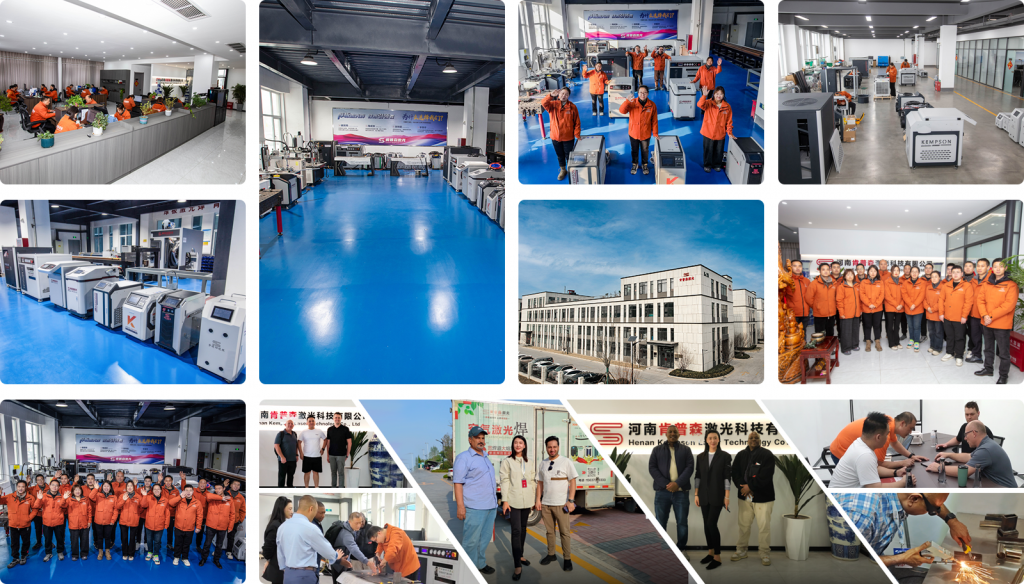
Choosing the right laser welding machine requires careful consideration of material type, thickness, welding requirements, and production conditions. KEMPSON provides 1500W–6000W fiber laser welding solutions with customized configurations and technical support. Contact us to discuss your automotive welding requirements and find the right machine solution for your application.
FAQ
What is a laser welding machine for automotive parts?
A laser welding machine for automotive parts uses a focused laser beam to join metal components with high precision and low heat input. It is commonly used for EV batteries, body structures, powertrain components, and precision automotive parts.
Can laser welding be used for EV battery production?
Yes. Laser welding is widely used for EV battery tabs, busbars, battery housings, and cooling plates. The process offers low heat input, small deformation, and stable weld quality for battery manufacturing.
What materials can automotive laser welding machines weld?
Automotive laser welding machines can weld aluminum, copper, stainless steel, carbon steel, and some dissimilar metal combinations. The welding parameters depend on material properties and component thickness.
What laser power is needed for automotive parts?
Laser power depends on material, thickness, and production requirements. 1500W–2000W machines are commonly used for thin and medium components, while 3000W–6000W systems are used for thicker parts, higher production speed, and automated welding lines.
Is laser welding better than MIG welding for automotive applications?
Laser welding offers higher precision, lower heat input, and less deformation compared with MIG welding. MIG welding remains suitable for thicker materials, larger structures, and applications with wider assembly tolerances.
Can laser welding machines weld aluminum automotive parts?
Yes. Laser welding is widely used for aluminum automotive parts, including lightweight body structures, battery housings, and other components. Proper laser power and welding parameters are required due to aluminum’s high reflectivity and thermal conductivity.
Are laser welding machines suitable for automated production lines?
Yes. Laser welding systems can be integrated with robotic arms and automated production equipment. They provide consistent weld quality and repeatability for high-volume automotive manufacturing.
How do I choose a laser welding machine manufacturer?
Choose a manufacturer with experience in automotive welding applications, equipment customization capability, application testing, technical support, and after-sales service. Machine configuration should match the material, welding process, and production requirements.