Table of Contents
Introduction
Is laser welding strong? Yes, laser welding can produce extremely strong weld joints when the process parameters are properly set. In many industrial applications, laser welding has replaced traditional welding methods because it delivers deep penetration, precise heat control, and stable weld quality.
When people ask whether laser welding is strong enough, they usually want to know one thing: can the welded joint handle real working conditions? The answer depends on several factors, including material type, welding thickness, laser power, welding speed, and joint design.
In this article, I will explain what makes laser welding strong, how deep penetration and a small heat-affected zone improve weld performance, and how laser welding compares with TIG and MIG welding. I will also share how high-power laser technology, such as KEMPSON’s laser welding systems up to 6000W and dual ring beam solutions, supports demanding applications that require higher penetration and stronger weld connections.
What Makes Laser Welding Strong?
Laser welding uses a high-energy laser beam to melt and fuse metal parts. The focused heat creates deep penetration, low deformation, and stable weld strength. Weld performance mainly depends on laser power, material type, and welding parameters.
- Laser Power: Laser power controls heat input and penetration depth. Higher power is used for thicker materials, while excessive power may cause overheating or weld defects.
- Welding Speed: Welding speed affects heat input and melting depth. A proper speed keeps the weld pool stable and improves fusion quality.
- Pulse Parameters: Pulse width and frequency control laser energy output. They are important for thin sheet welding and precision components.
- Focus Position: Focus position affects laser energy distribution. Incorrect focus placement can reduce penetration and affect weld consistency.
- Initial Gap: The gap between workpieces affects material fusion. Accurate assembly helps maintain stable weld quality.
- Shielding Gas Flow: Shielding gas prevents oxidation during welding. Proper gas flow improves weld surface quality and internal structure.
- Oscillation Amplitude: Beam oscillation changes weld width and penetration shape. It is commonly used for aluminum welding and battery connections.
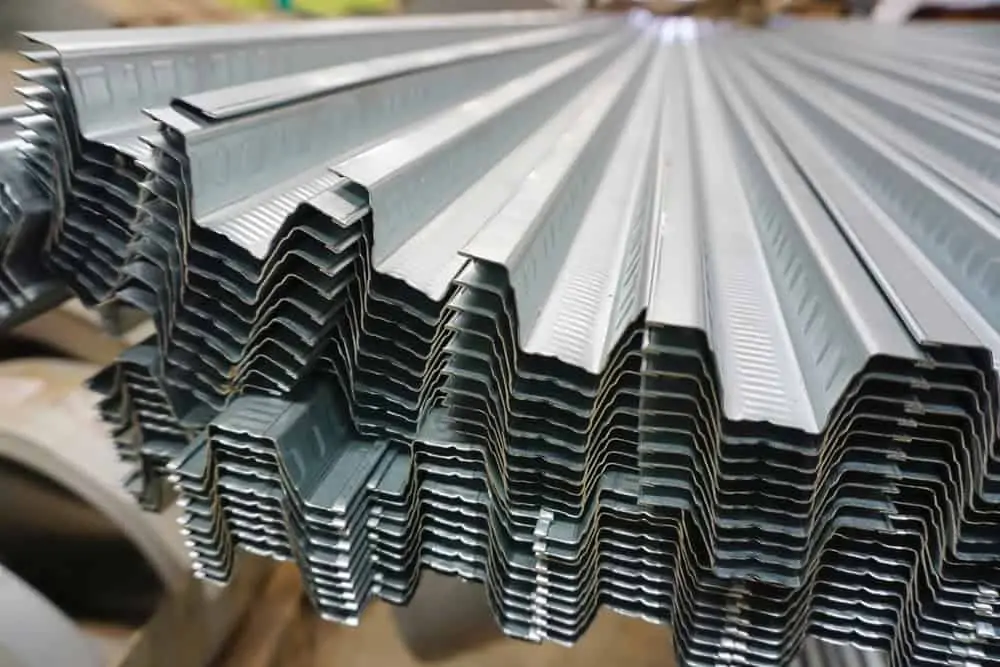
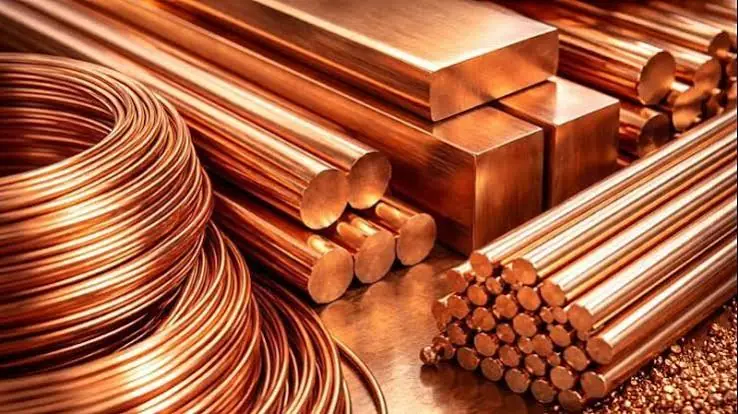
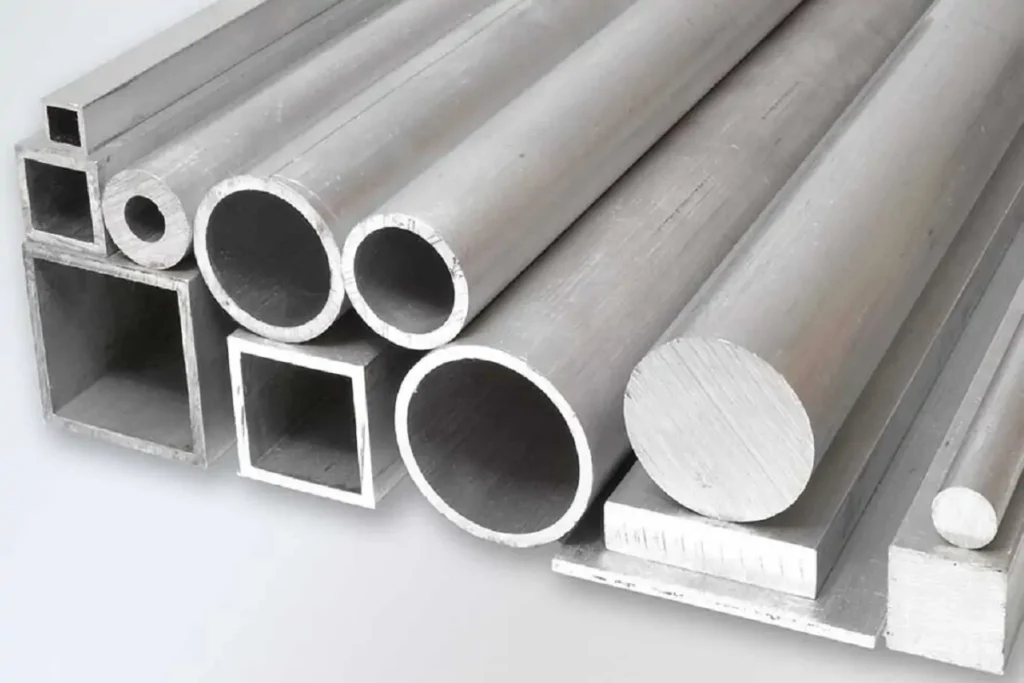
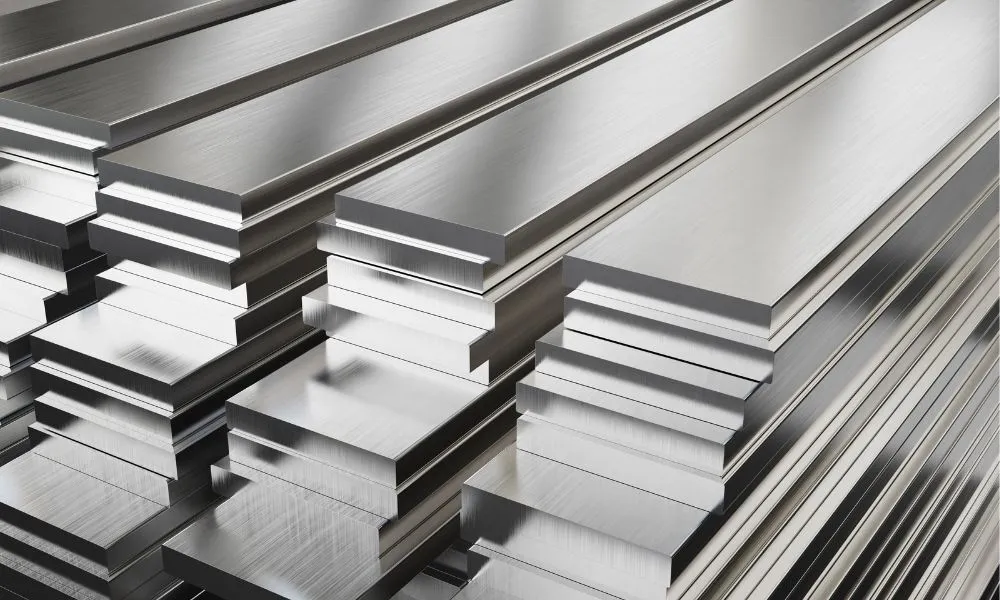
- Material Type: Different metals have different welding characteristics. Steel, aluminum, copper, and titanium require different laser parameters.
- Interface Reaction: In dissimilar metal welding, reactions between different materials can affect joint strength and weld reliability.
- Scanning Speed and Passes: Scanning speed and the number of passes affect heat distribution and bonding quality in precision laser welding.
Laser welding forms strong weld joints through deep penetration, focused heat input, and accurate parameter control. It is widely used for metal parts that require high strength, low deformation, and consistent welding quality.
How Strong Is a Laser Weld?
Laser weld strength depends on material, thickness, joint design, laser power, welding speed, and process settings. A properly optimized laser weld can achieve strength close to or even matching the base material.
| Factor | Influence on Weld Strength |
|---|---|
| Laser Power | Controls penetration depth and weld fusion. Higher power is used for thicker materials. |
| Welding Speed | Affects heat input and weld formation. Proper speed helps maintain stable penetration. |
| Material Type | Different metals require different welding parameters. |
| Joint Design | Joint shape affects load distribution and weld performance. |
| Shielding Gas | Protects the weld area from oxidation and contamination. |
| Pulse Duration | Controls heat input in pulsed laser welding. |
| Laser Frequency | Affects weld stability and material mixing. |
| Initial Gap | Influences fusion quality between workpieces. |
Laser welding is widely used for parts that require high strength and precision, including automotive components, battery systems, aerospace parts, and metal structures. The final weld performance depends on proper parameter settings for each material and application.
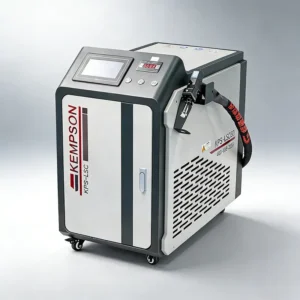
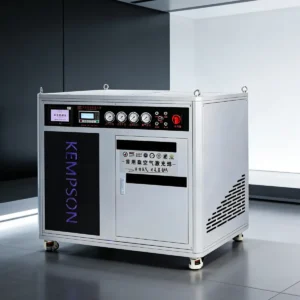
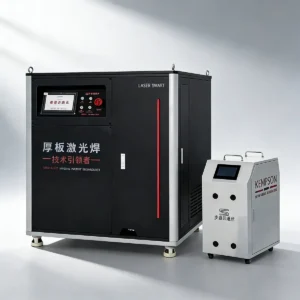
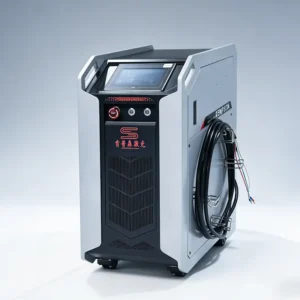
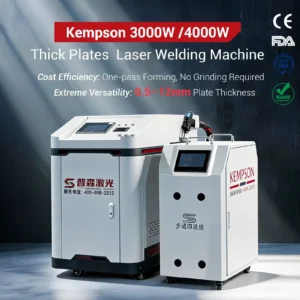
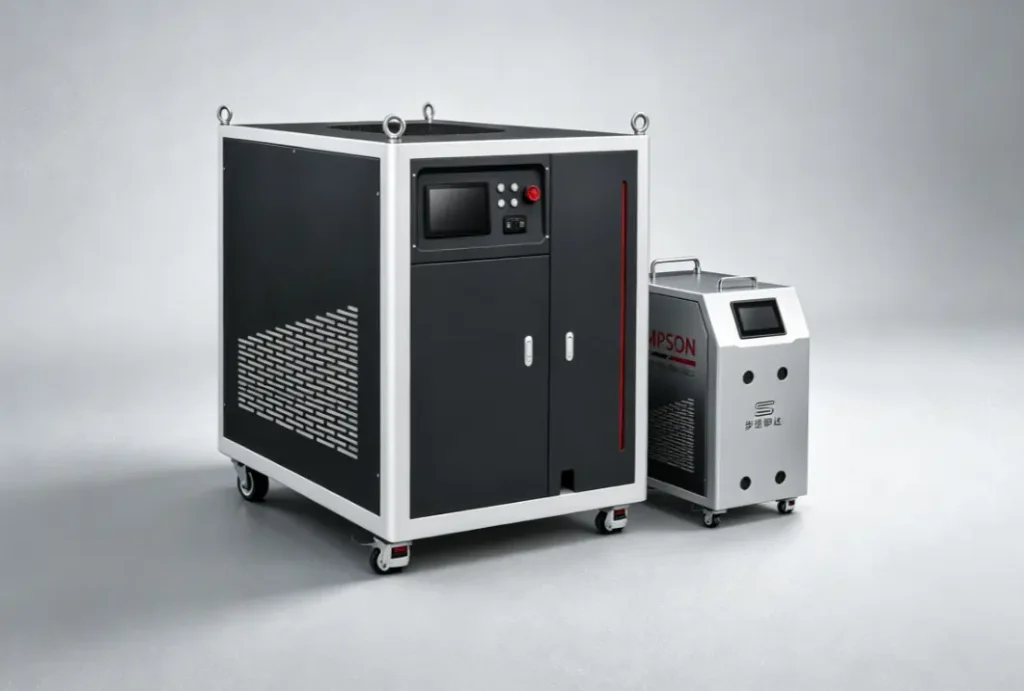
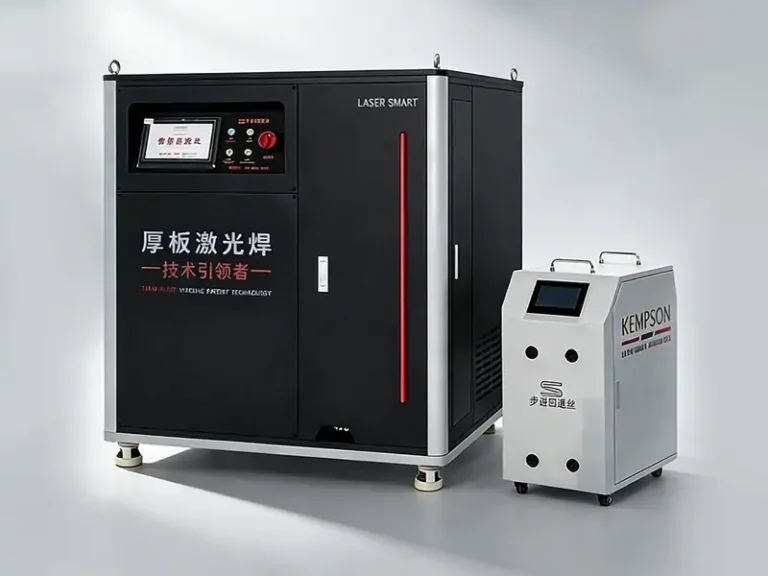
KEMPSON laser welding machines offer power options up to 6000W, with standard single-beam systems and dual ring beam technology for applications requiring deeper penetration and stronger weld joints.
Laser Welding Performance by Power
KEMPSON laser welding machines are available from 1500W to 6000W. Different power levels are suitable for different material thicknesses and welding tasks.
| Laser Power | Weld Width | Weld Height | Penetration Depth |
|---|---|---|---|
| 1500W | 0.5–2.5 mm | 0.5–1.5 mm | 1–3 mm |
| 2000W | 0.8–3 mm | 0.8–2 mm | 2–5 mm |
| 3000W | 1–4 mm | 1–2.5 mm | 3–8 mm |
| 4000W | 1.5–5 mm | 1.5–3 mm | 5–10 mm |
| 6000W | 2–6 mm | 2–4 mm | 8–12 mm |
The actual weld size varies with material type, thickness, joint design, welding speed, and parameter settings.
Is Laser Welding Stronger Than TIG Welding?
Laser welding generally provides stronger weld joints than TIG welding in applications that require high strength, low deformation, and precise welding control. The difference mainly comes from heat input, penetration depth, and weld structure.
| Comparison | Laser Welding | TIG Welding |
| Weld Strength | Up to 95%+ of base material strength in many cases. | Good strength but more heat impact. |
| Heat-Affected Zone | Narrow HAZ, less material damage. | Wider HAZ, more thermal impact. |
| Weld Structure | Fine structure, higher hardness. | Coarser structure after slower cooling. |
| Welding Speed | Fast, suitable for automation. | Slower, mainly manual welding. |
| Deformation | Low heat input, less distortion. | Higher heat input, more distortion. |
| Consistency | Stable parameters, uniform welds. | Depends more on operator skill. |
| Thin Plate Welding | Excellent for precision welding. | Suitable for general welding. |
| Thick Plate Welding | Needs high power or hybrid welding. | Better gap tolerance. |
| Material Range | Steel, stainless steel, aluminum, titanium. | Steel, stainless steel, common alloys. |
| Gap Tolerance | Requires accurate assembly. | Handles larger gaps better. |
| Applications | Automotive, battery, aerospace, precision parts. | Repair, maintenance, fabrication. |
Laser welding has advantages in strength, speed, and deformation control, especially for precision manufacturing and automated production. TIG welding remains suitable for repair work, thick materials, and projects with higher assembly tolerance. The best choice depends on material, thickness, and welding requirements.
For more details, see the article: Laser Welding vs. TIG Welding: Cost, Speed, and Application Guide
Is Laser Welding Stronger Than MIG Welding?
Laser welding generally provides higher weld strength and better precision than MIG welding in applications that require deep penetration and low heat distortion. MIG welding remains a common choice for general fabrication due to its flexibility and wider gap tolerance.
| Comparison | Laser Welding | MIG Welding |
|---|---|---|
| Weld Strength | Deep penetration, strong fusion joints. | Good strength for general fabrication. |
| Heat-Affected Zone | Smaller HAZ, less material impact. | Larger HAZ, more heat input. |
| Welding Speed | Faster, suitable for automation. | Moderate speed, flexible operation. |
| Weld Precision | High accuracy, consistent weld seams. | Depends more on operator skill. |
| Deformation | Low heat input, less distortion. | Higher heat input, more deformation. |
| Material Thickness | Suitable for thin to medium thickness with high precision needs. | Suitable for a wide range of thicknesses. |
| Filler Wire | Often uses less or no filler wire. | Requires continuous filler wire. |
| Applications | Automotive, batteries, aerospace, precision parts. | Steel structures, equipment fabrication, general manufacturing. |
Laser welding is usually preferred when strength, precision, and production efficiency are the main requirements. MIG welding still has advantages in heavy fabrication, repair work, and applications with complex welding conditions.
For more details, see the article: Handheld Laser Welding vs. MIG Welding: Which One Is Better?
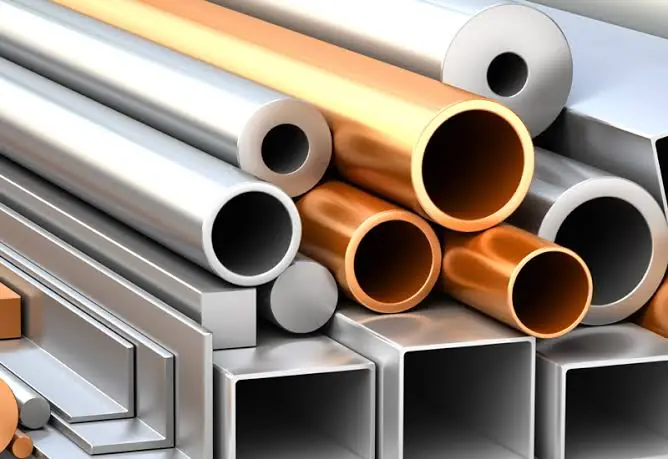
What Materials Can Be Strongly Laser Welded?
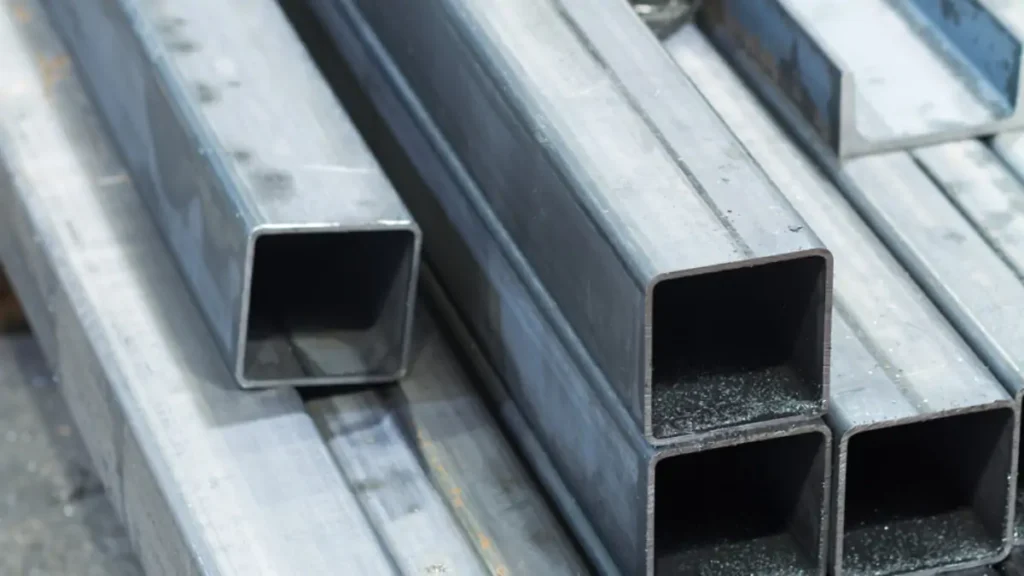
Applications
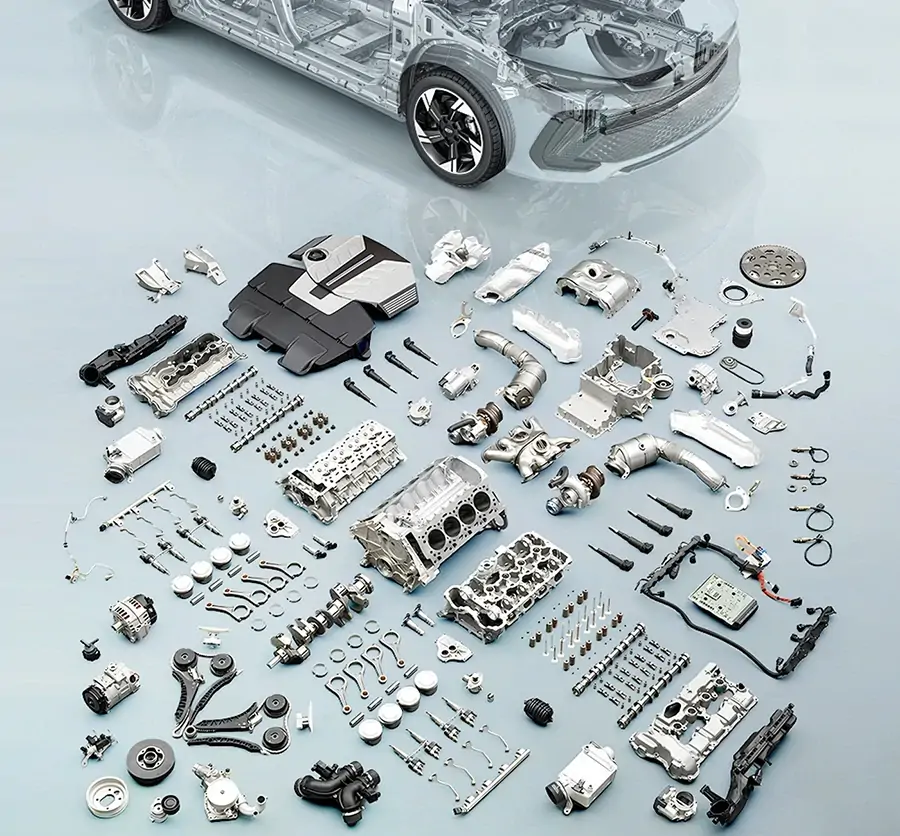
Automotive Parts
Used for body structures, gears, and battery trays. Provides strong joints with low deformation.
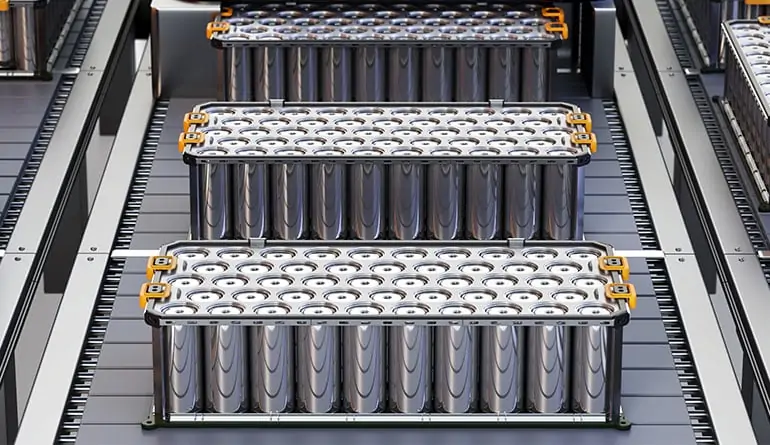
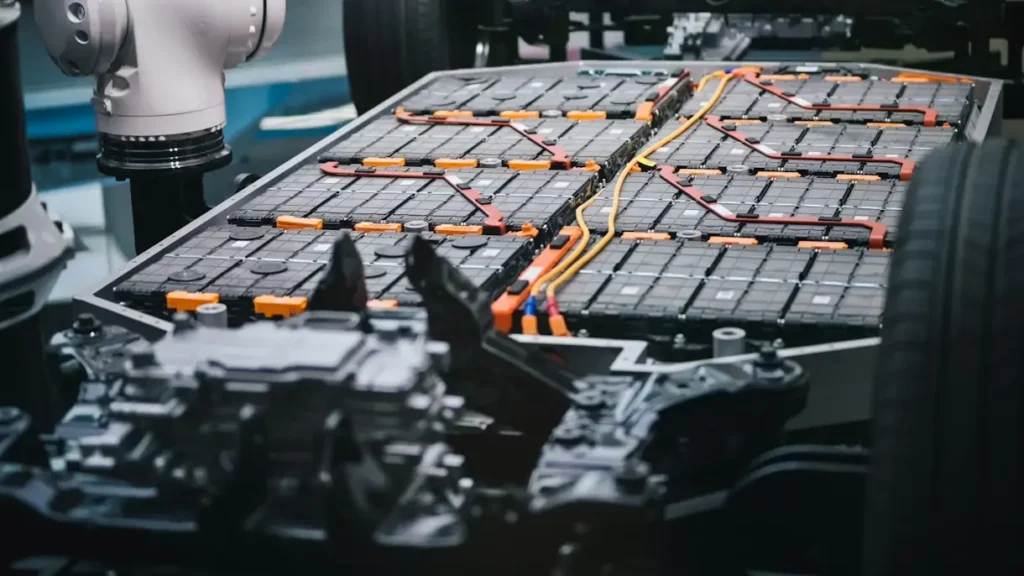
Battery Manufacturing
Used for battery tabs, busbars, and battery packs. Requires precise heat control and stable welding.
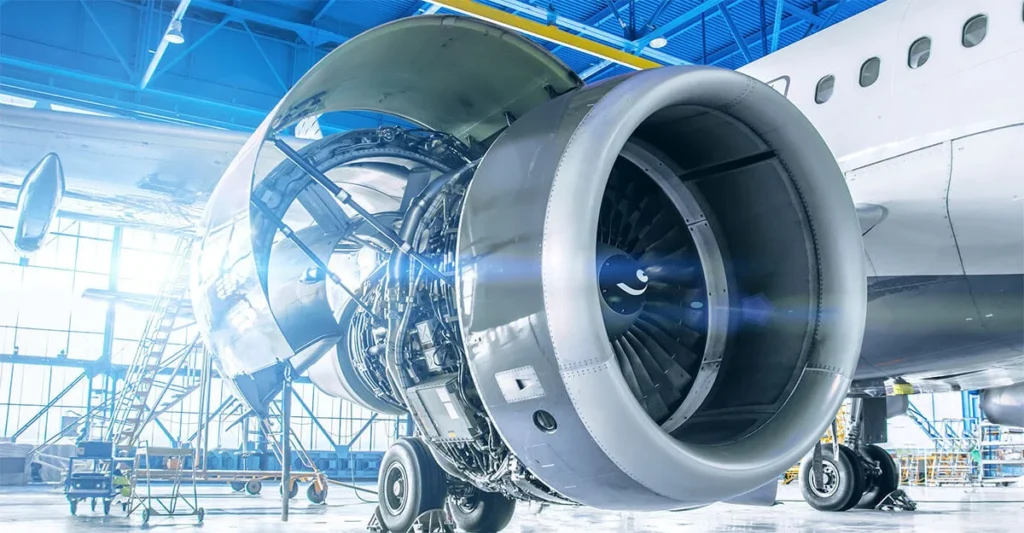
Aerospace Components
Used for lightweight alloy parts and precision structures. Maintains material strength with minimal heat impact.
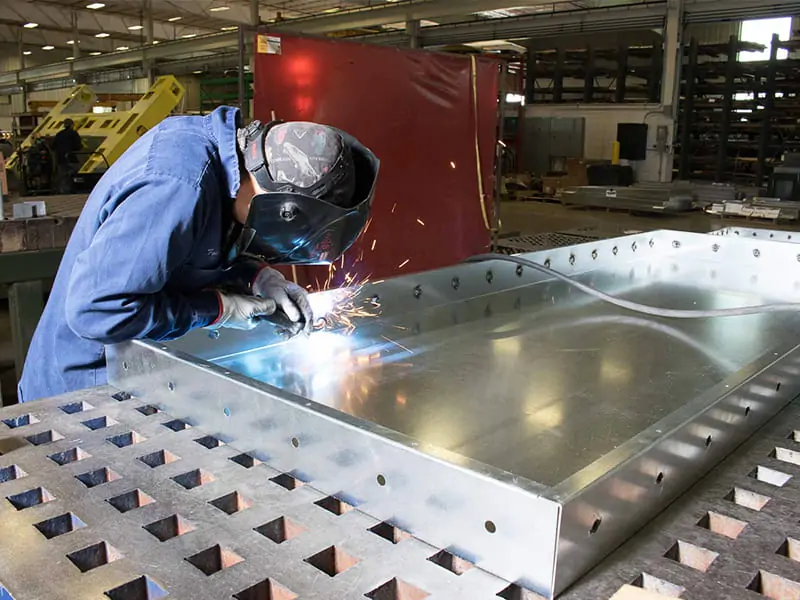
Metal Fabrication
Used for stainless steel products, frames, and equipment parts. Produces clean weld seams and reliable joints.
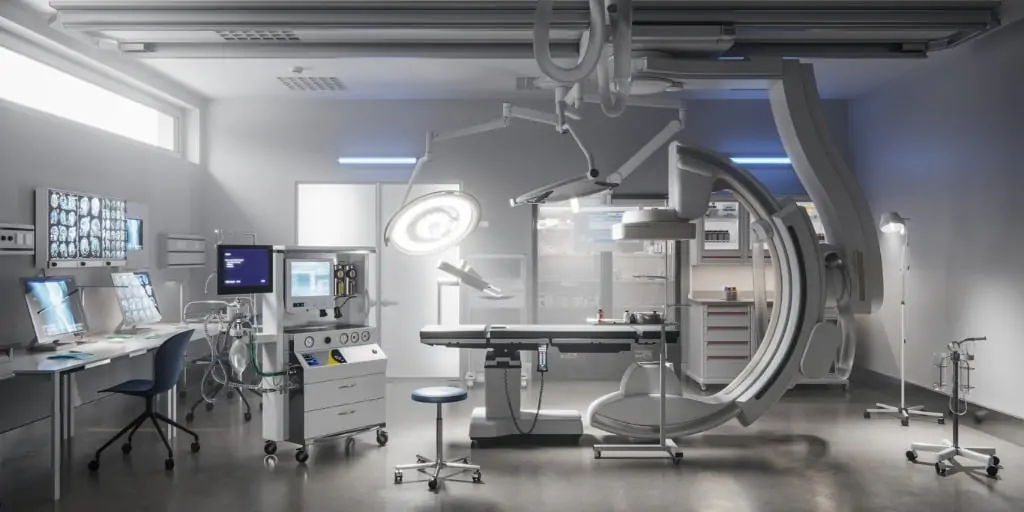
Medical Devices
Used for surgical tools and precision components. Suitable for small parts with strict welding requirements.
Electronics Components
Used for sensors, connectors, and micro metal parts. Reduces heat damage to sensitive components.

Energy Equipment
Used for heat exchangers, solar equipment, and energy storage systems. Provides durable weld connections.
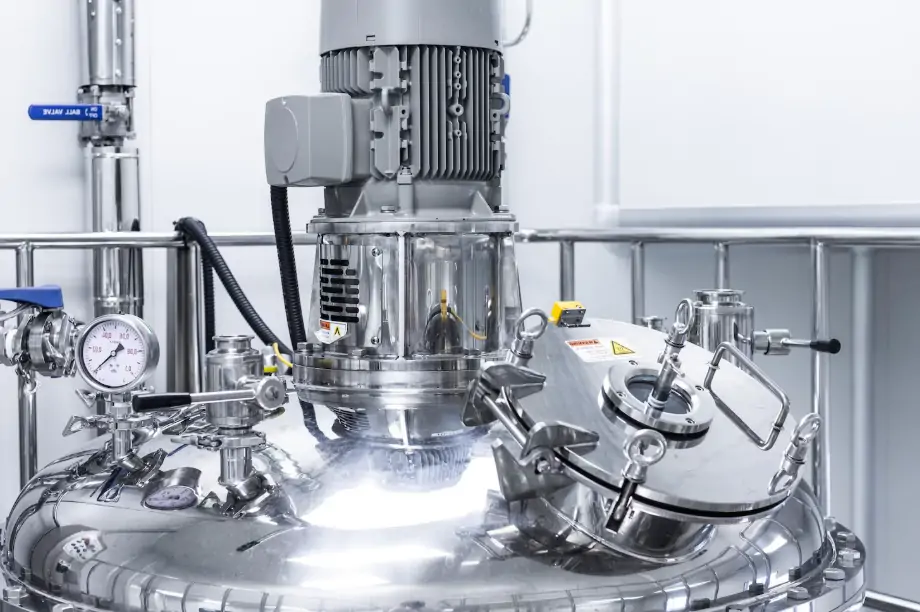
Industrial Machinery
Used for mechanical parts, molds, and high-strength components. Improves welding efficiency and joint performance.
Can Laser Welding Replace Traditional Welding?
Yes, laser welding can replace traditional welding in many applications, especially for precision manufacturing, thin sheet welding, and automated production. However, traditional welding still plays an important role in thick plates, repair work, and heavy structures. The right choice depends on material, thickness, and production requirements.
Where Laser Welding Can Replace Traditional Welding
- 1. Thin Sheet Welding: Laser welding is suitable for thin metal parts with low heat input, small deformation, and clean weld seams.
- 2. Precision Components: Laser welding provides accurate weld positioning and stable quality for precision parts and automated production lines.
- 3. Mass Production: The high welding speed and consistent process make laser welding suitable for continuous manufacturing.
- 4. Products with Appearance Requirements: Laser welding produces smooth and narrow weld seams, reducing the need for grinding and surface finishing.
Where Traditional Welding Is Still Preferred
- 1. Thick Plate Welding: Traditional welding is suitable for heavy materials with larger welding gaps and complex structures.
- 2. Repair and Field Work: Traditional welding equipment is flexible for on-site maintenance and repair applications.
- 3. Large Structural Parts: Traditional welding remains widely used for heavy-duty structures and large assemblies.
- 4. Large Assembly Gaps: Traditional welding can handle wider gaps and less precise fitting conditions.
Laser welding is replacing traditional welding in more precision-focused applications, but it will not completely replace all welding methods. Laser welding and traditional welding will continue to work as complementary processes, each fitting different production needs.
Conclusion
Laser welding strength depends on laser power, welding parameters, material type, joint design, and process control. Compared with TIG and MIG welding, laser welding offers advantages in penetration depth, heat control, welding speed, and precision. It is widely used in automotive, battery, aerospace, metal fabrication, and other industries where weld strength and consistency are important.
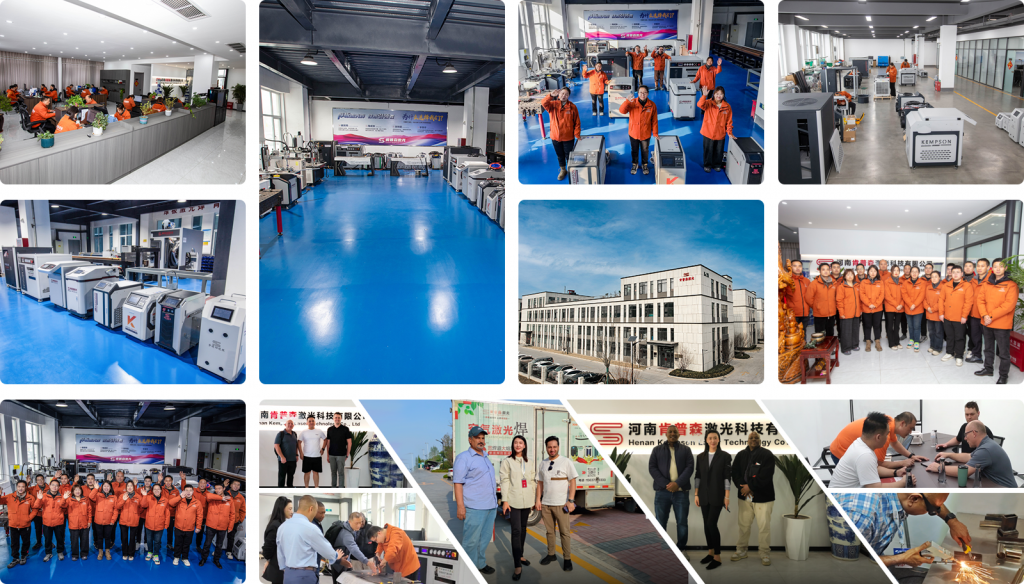
KEMPSON focuses on industrial laser welding solutions, providing laser welding machines from standard single-beam systems to high-power 6000W laser welding equipment and dual ring beam laser technology. With professional technical support, customized welding solutions, and a 3-year warranty, we help customers select the right welding system for different materials and production requirements. Contact us for laser welding solutions and application support. Tailored solutions.
FAQ
Is laser welding strong?
Yes. Laser welding produces strong joints with deep penetration and low heat deformation. With proper parameters, the weld strength can reach close to the base material strength.
Is laser welding stronger than TIG welding?
In many applications, laser welding provides higher strength, smaller heat-affected zones, and less deformation than TIG welding, especially for thin materials and precision parts.
Is laser welding stronger than MIG welding?
Laser welding generally provides deeper penetration and better heat control than MIG welding. MIG remains suitable for thick materials and general fabrication work.
What materials can be laser welded?
Laser welding can weld stainless steel, carbon steel, aluminum, copper, titanium alloys, and some dissimilar metals such as steel-aluminum combinations.
What factors affect laser welding strength?
Laser power, welding speed, material type, focus position, joint design, shielding gas, and welding gap all affect weld strength.
Can laser welding replace traditional welding?
Laser welding can replace traditional welding in precision manufacturing, thin sheet processing, and automated production. Traditional welding is still widely used for thick plates, repair work, and heavy structures.
What laser power is needed for strong welding?
The required power depends on material thickness and application. KEMPSON laser welding machines provide power options up to 6000W for different welding requirements.
Does KEMPSON provide customized laser welding solutions?
Yes. KEMPSON provides customized laser welding systems, technical support, and a 3-year warranty to help customers select suitable equipment for different materials and production needs.