Table of Contents
Introduction
What is laser beam welding? Laser beam welding is a welding process that uses a high-power laser beam to generate heat and join metal parts together. The laser beam is focused on a small area of the workpiece, creating a concentrated heat source that melts the material and forms a weld seam. Compared with traditional welding methods, laser beam welding offers higher precision, faster welding speed, lower heat input, and less deformation, making it suitable for applications where weld quality and production efficiency are important.
In this article, I will introduce how laser beam welding works, including the laser-material interaction process, welding modes, advantages, material compatibility, and industrial applications. I will also explain the differences between laser beam welding and conventional welding methods, as well as key points to consider when choosing a laser welding machine. This guide provides a practical overview for engineers, manufacturers, and buyers who want to understand this welding technology.
What Is Laser Beam Welding?
What Is Laser Beam Welding? Laser beam welding is a metal joining process that uses a concentrated laser beam to generate heat and melt the welding area. The laser energy is delivered directly to the workpiece surface, creating a small molten pool between the parts to be joined. After cooling, the molten material forms a continuous weld seam. Since the laser beam works without direct contact with the material, the process provides accurate heat input and better control of the welding area.
The high power density of the laser beam allows laser welding to produce narrow weld seams with deep penetration, while keeping the heat-affected zone smaller than many traditional welding methods. Depending on the laser power and material thickness, the welding depth can range from thin sheet applications to several millimeters or more in industrial production. Laser beam welding is widely used for stainless steel, carbon steel, aluminum, copper, and other metals
How Does Laser Beam Welding Work?
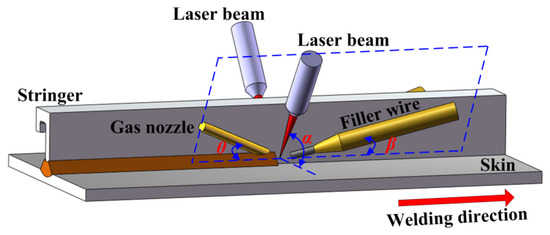
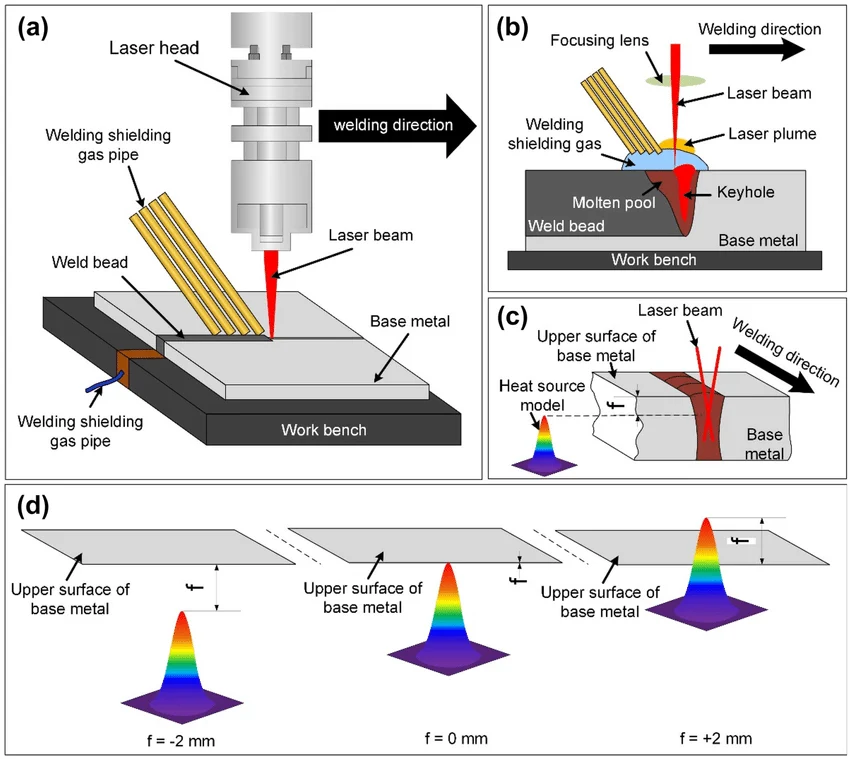
Laser beam welding works by using a focused laser beam to convert light energy into heat energy. The laser source generates a high-energy beam, which is delivered through an optical fiber and focused onto the welding area. When the material absorbs the laser energy, the temperature rises rapidly and creates a molten pool. After cooling, the melted material solidifies and forms a strong weld joint.
The laser beam is usually focused into a small spot, often less than 5 mm in diameter, allowing the heat to be concentrated in the welding area. This controlled heat input reduces the heat-affected zone and minimizes deformation, which makes laser beam welding suitable for precision.
Laser Beam Generation
The laser source produces a high-energy beam used as the heat source for welding.
Beam Transmission and Focusing
The laser beam is delivered through an optical fiber and focused by the welding head onto the welding area.
Material Melting
The focused laser energy melts the base material and forms a molten pool. Filler wire can be added when required.
Weld Formation
The molten metal cools and solidifies, creating a continuous weld seam.
For a more detailed explanation of how it works, see the article: How Does Laser Beam Welding Work?
Types of Laser Beam Welding
Laser beam welding methods vary according to the laser energy distribution, welding mechanism, and production requirements. In practical applications, the common types include conduction welding, keyhole welding, continuous wave welding, pulsed laser welding, dual beam laser welding, and laser hybrid welding.
Conduction Mode Laser Welding
Conduction welding relies on heat transfer from the material surface into the deeper layers. The laser energy melts the surface area without creating a vapor cavity, resulting in a shallow and smooth weld.
This method is often used for thin metal sheets, precision parts, and components that require low heat input.
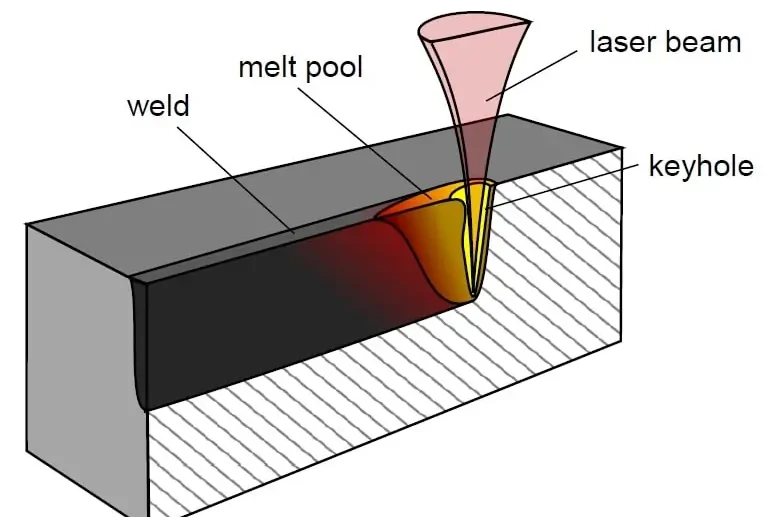
Keyhole (Deep Penetration) Laser Welding
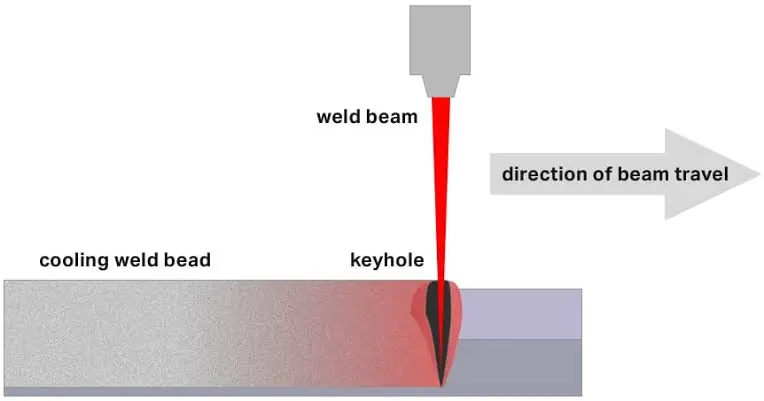
Keyhole welding occurs when the laser power density is high enough to vaporize the material and form a small keyhole inside the molten pool. The laser beam penetrates deeper into the workpiece, creating a narrow weld with high penetration depth.
It is commonly used for automotive parts, battery components, aerospace structures, and thicker metal materials.
Related Pages: What Is Deep Penetration Laser Welding? What Is A Keyhole In Laser Welding?
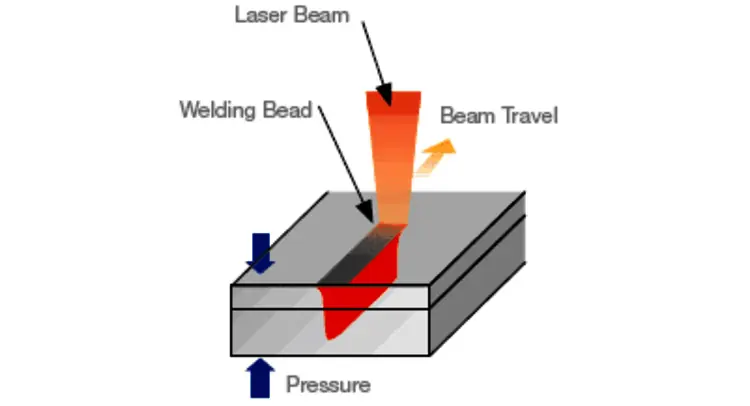
Continuous Wave Laser Welding
Continuous wave laser welding uses a continuous laser output to maintain a stable welding process. It is suitable for applications that require long weld seams, consistent quality, and continuous production.
Typical applications include metal fabrication, automotive manufacturing, and industrial component welding.
Related Pages: Understanding QCW Laser Welding in Mold Repair
Pulsed Laser Welding
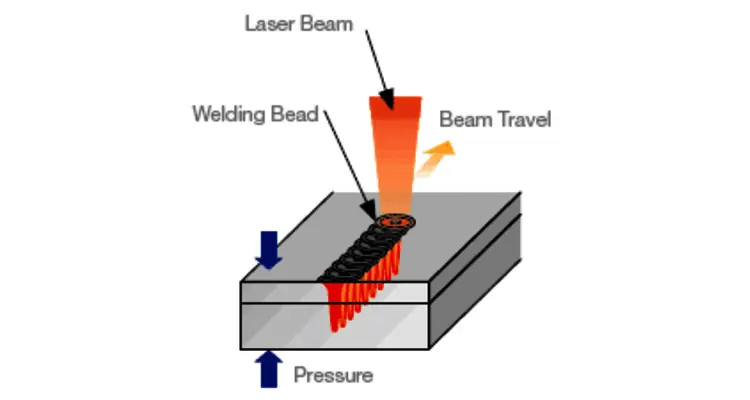
Pulsed laser welding delivers energy in short pulses, allowing better control of heat input during welding. It reduces thermal impact on surrounding areas and is often applied to small or heat-sensitive components.
Common applications include electronics, medical devices, and precision metal parts.
Related Pages: What Is the Difference Between Continuous Laser Welding and Pulsed Laser Welding?
Dual Beam / Core-Ring Laser Welding
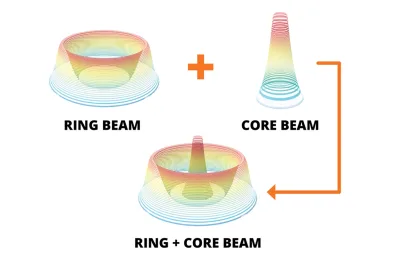
Dual beam laser welding combines two laser energy distributions, such as a central beam and a ring beam. The center beam improves penetration, while the ring beam helps stabilize the molten pool and improve welding consistency.
This technology is especially suitable for aluminum, copper, stainless steel, and medium-to-thick plate welding where higher process stability is required.
Related Products:
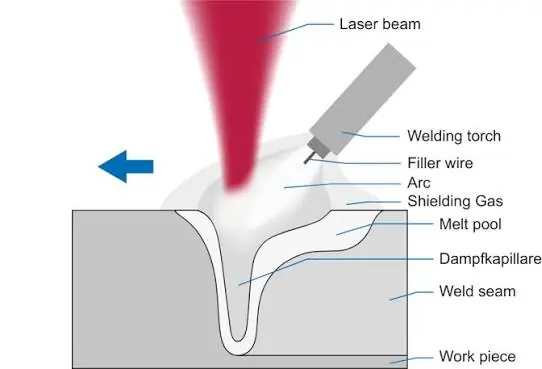
Laser Hybrid Welding
Laser hybrid welding combines laser welding with arc welding, such as MIG/MAG or TIG. The laser provides deep penetration and high welding speed, while the arc improves gap filling and joint adaptability.
It is commonly applied in shipbuilding, heavy equipment, automotive manufacturing, and large metal structures.
Advantages
- High Welding Accuracy: The laser beam is focused on a specific welding area, allowing accurate control of weld position, seam width, and penetration depth. It is used for components with strict welding requirements.
- Small Heat Affected Zone: Laser energy is concentrated at the weld point, limiting heat transfer to surrounding areas. The workpiece experiences less thermal deformation after welding.
- Fast Welding Process: The high energy density of the laser beam melts the material quickly, shortening welding time in continuous production.
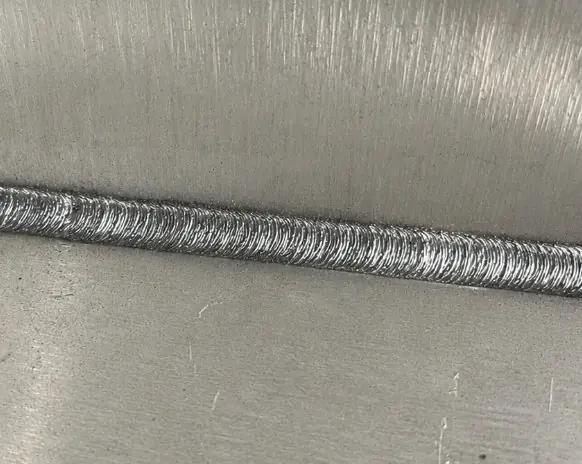
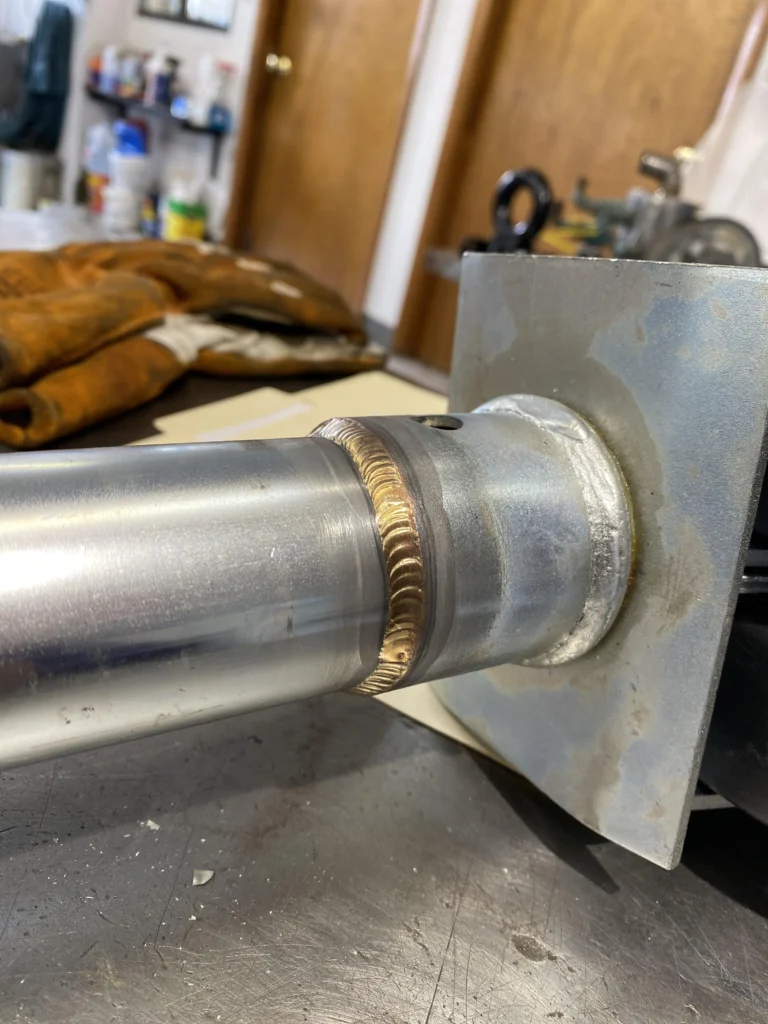
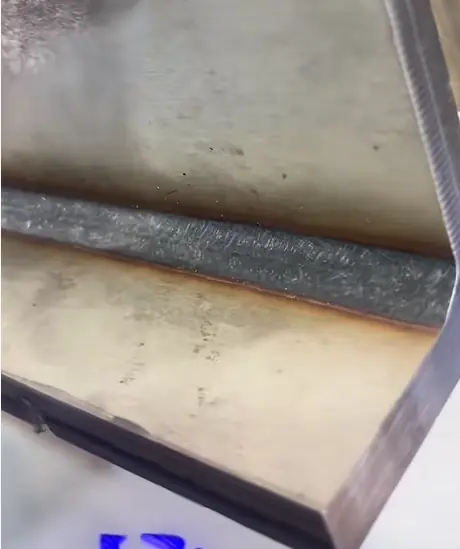
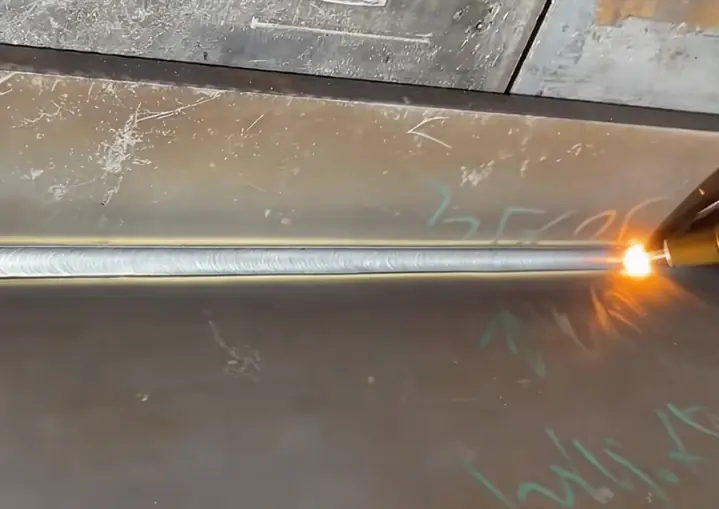
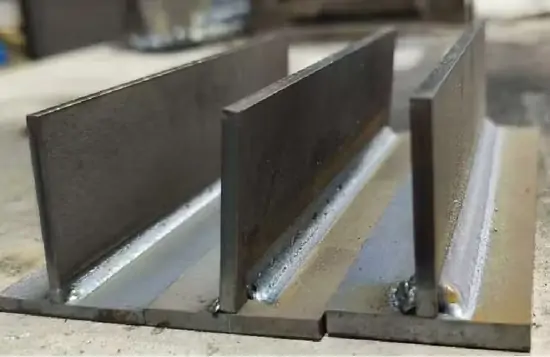
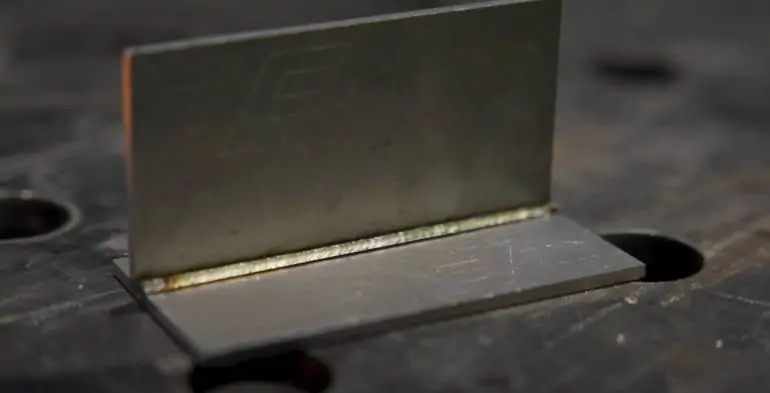
- Clean Weld Appearance: Laser welding creates narrow weld seams with low spatter and smooth surfaces. Additional grinding or finishing work can be reduced in many applications.
- Automation Compatibility: Laser welding equipment can be integrated into automated production lines for programmed welding processes and continuous manufacturing.
- Material Flexibility: Laser beam welding can process stainless steel, carbon steel, aluminum, copper, and other metals. Welding parameters can be adjusted according to material type and thickness.
Laser Beam Welding vs Traditional Welding
Laser beam welding and traditional welding differ mainly in heat input and welding control. Laser welding uses a focused laser beam to heat a small area, while traditional welding methods such as TIG and MIG use an arc heat source with a wider heating range. This difference affects weld precision, deformation, production speed, and application areas.
| Comparison | Laser Beam Welding | Traditional Welding |
|---|---|---|
| Heat Input | Concentrated heat with a small heat-affected zone | Larger heat area with more thermal impact |
| Welding Precision | High control of weld width and penetration depth | More dependent on operator experience |
| Welding Speed | Faster process for continuous production | Generally slower for complex welding tasks |
| Weld Quality | Narrow weld seam with less spatter and post-processing | More surface treatment may be required |
| Material Application | Suitable for stainless steel, aluminum, copper, and precision parts | Widely used for general metal fabrication |
| Automation | Easy to integrate with automated production systems | Automation depends on equipment and process |
| Cost | Higher equipment investment, lower processing cost in large production | Lower initial cost, higher labor involvement |
Laser beam welding is mainly used for applications that require high precision, low deformation, and consistent welding quality. Traditional welding remains suitable for large structures, repair work, and projects with lower equipment requirements. The choice between laser welding and traditional welding depends on material type, product requirements, production volume, and budget.
For a detailed comparison, see the article: Laser Welding vs Traditional Welding: Differences, Advantages, Costs, and Applications
Materials Used in Laser Beam Welding
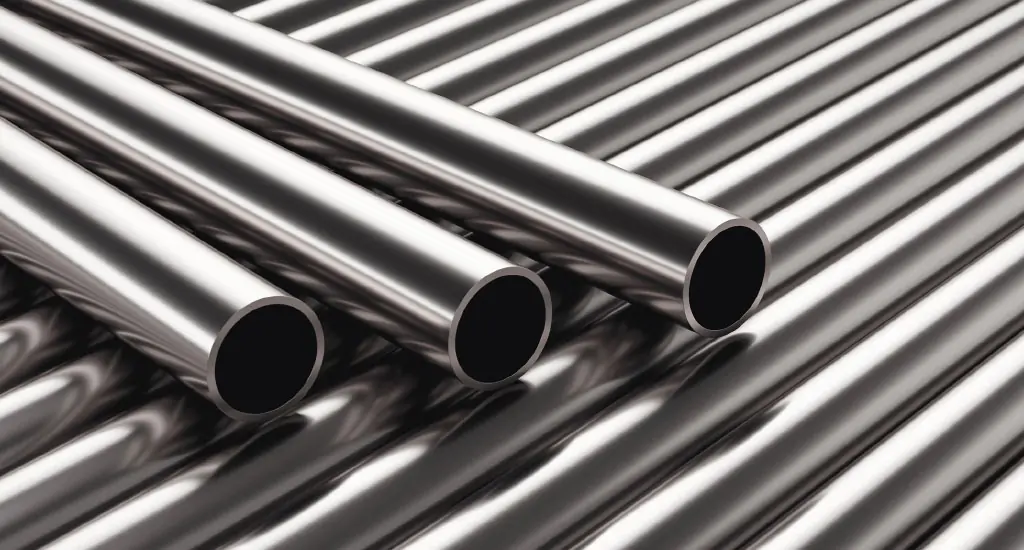
Stainless Steel
Used for sheet metal parts, industrial components, and precision products.
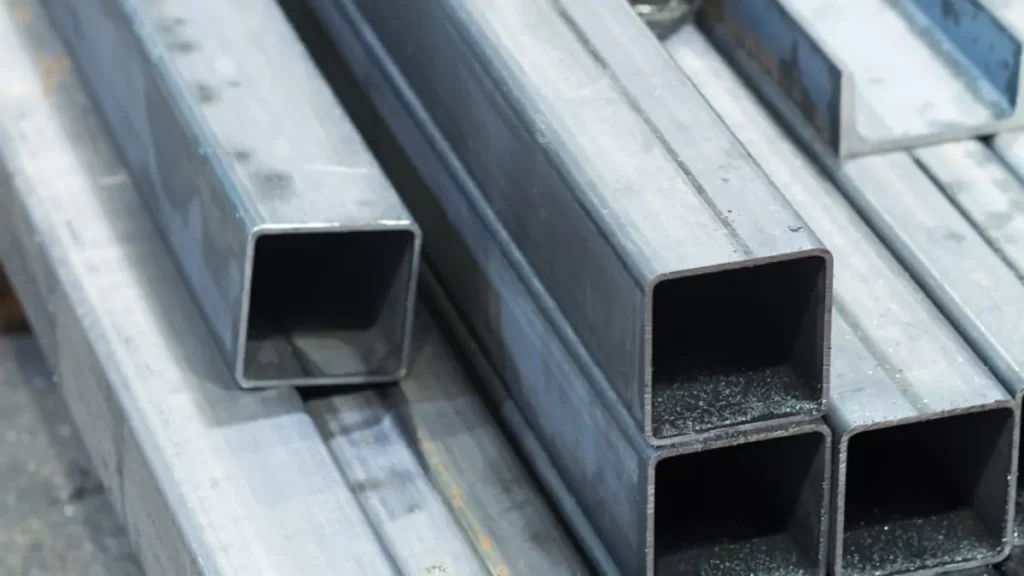
Carbon Steel
Used for structural parts, machinery components, and general fabrication.
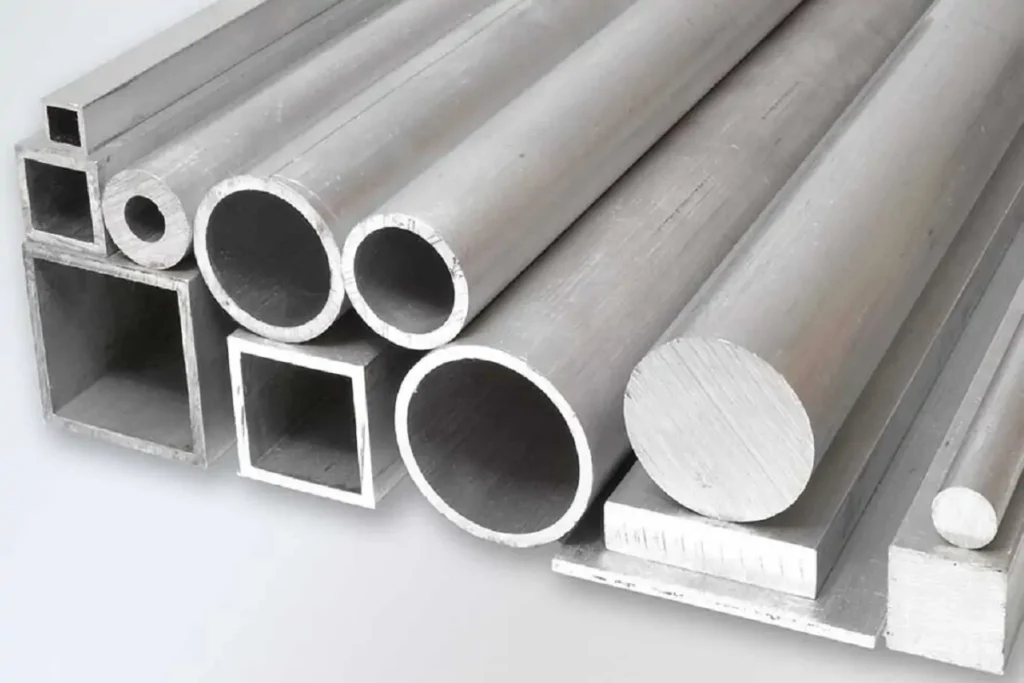
Aluminum
Used for lightweight structures, battery parts, and automotive components.
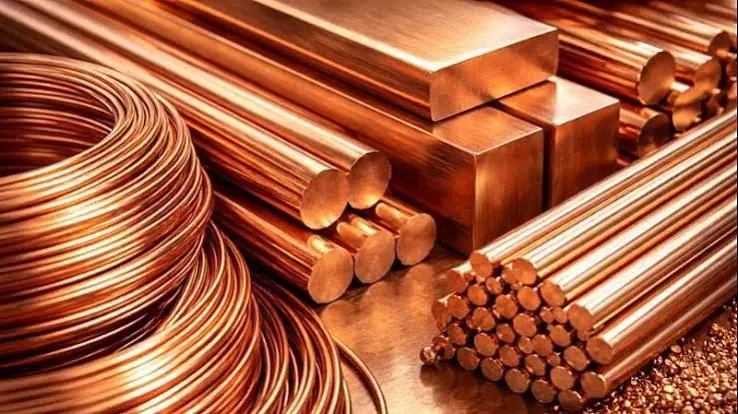
Copper
Used for electrical components and battery connections.
Laser welding parameters vary with material type and thickness. Materials such as aluminum and copper have higher reflectivity and thermal conductivity, so laser power and welding speed need to be adjusted according to welding requirements.
Applications
Laser beam welding is used in industries where welding precision, speed, and heat control are important.
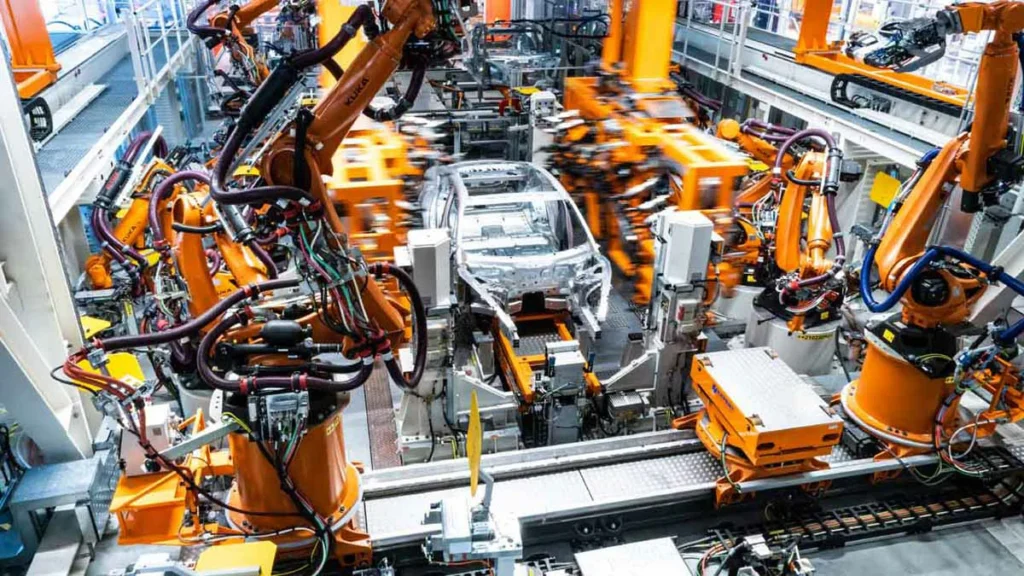
Automotive Manufacturing
Used for body parts, lightweight structures, battery trays, and aluminum components in electric vehicles.
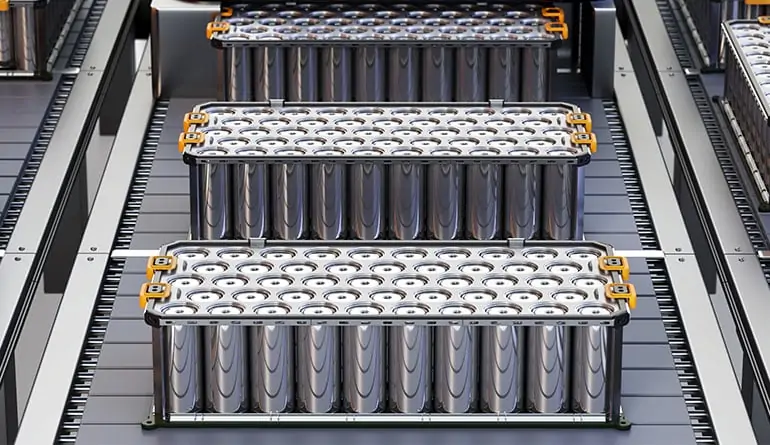
Battery Manufacturing
Applied in battery cells, busbars, battery housings, and other components that require precise metal joining.
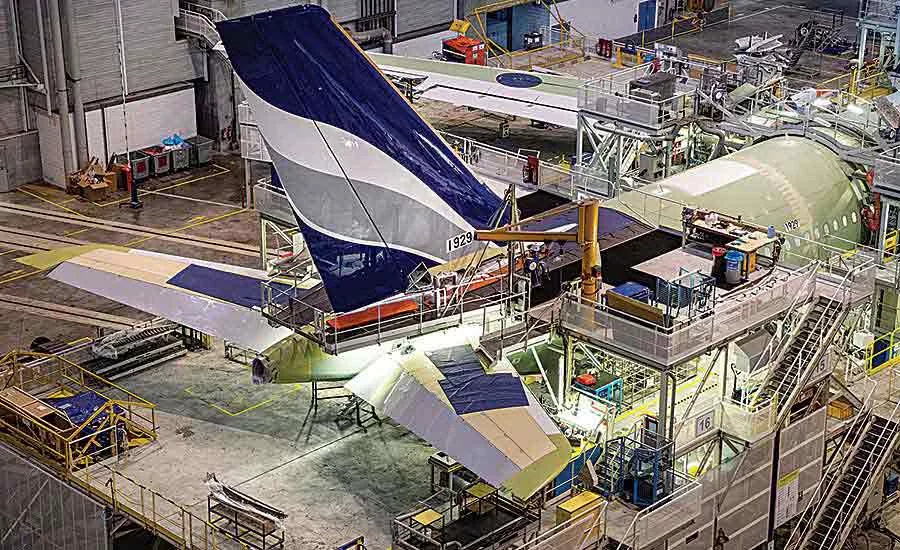
Aerospace Industry
Used for aircraft parts, engine components, and precision structures made from materials such as titanium and nickel alloys.
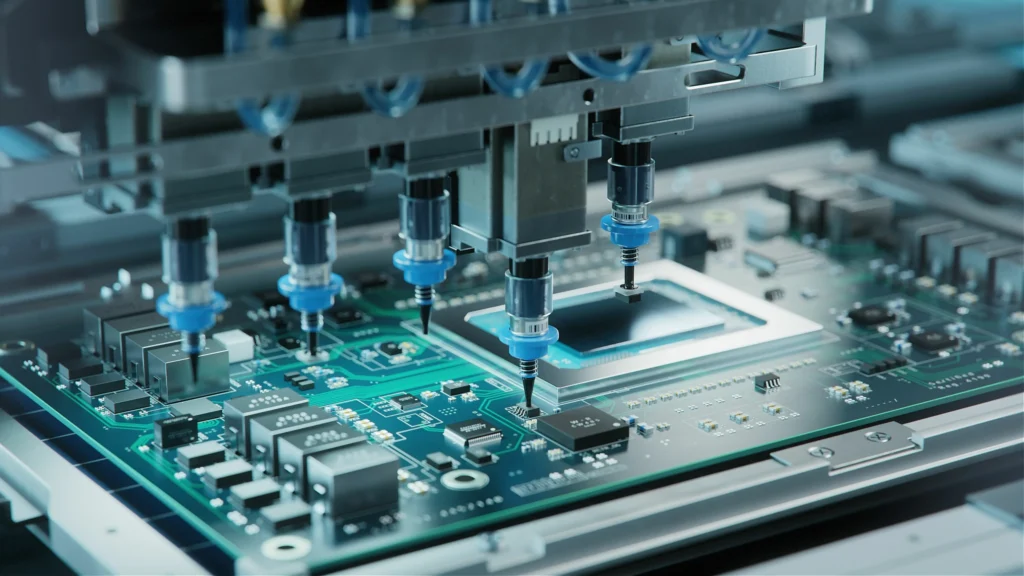
Electronics Industry
Used for small and delicate components, sensors, connectors, and electronic assemblies.

Medical Equipment
Applied in precision medical devices and components that require clean weld seams and accurate processing.
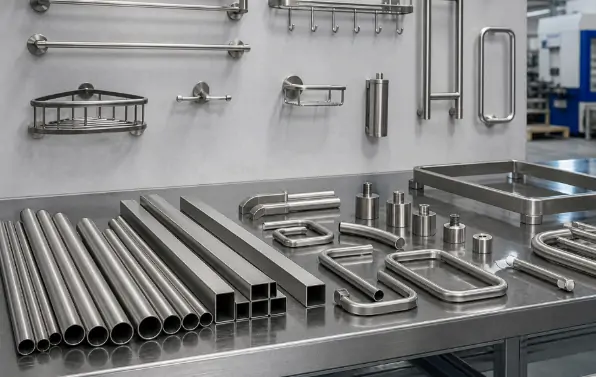
Metal Fabrication
Used for stainless steel products, sheet metal parts, and industrial components requiring high welding quality and appearance.
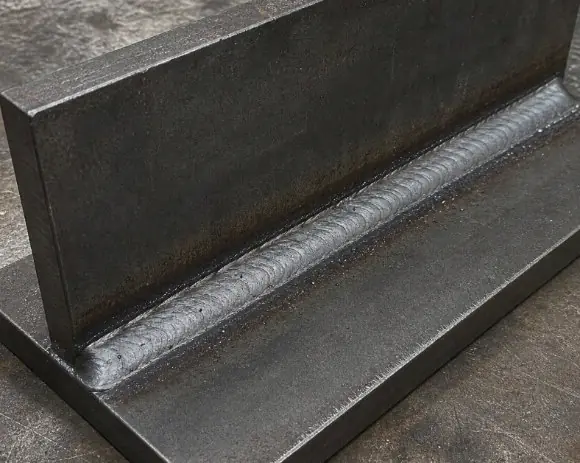
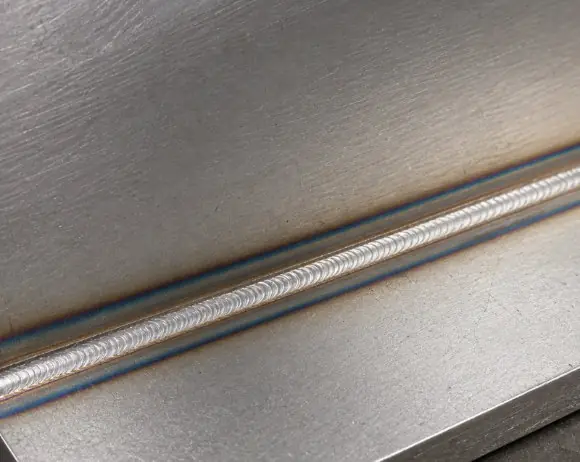
Welding result
How to Choose a Laser Beam Welding Machine?
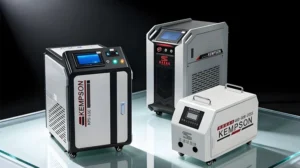
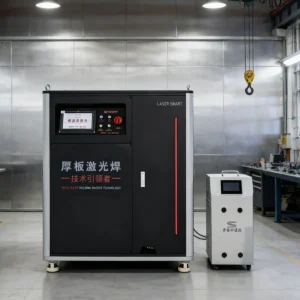
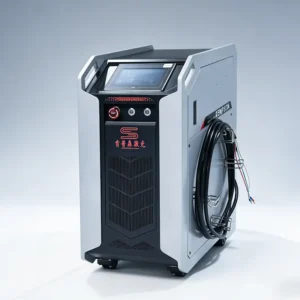
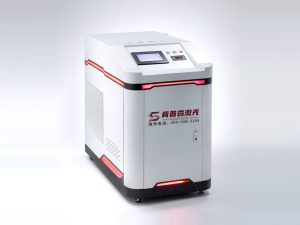
Selecting a laser beam welding machine mainly depends on the material, thickness, welding method, and production requirements. KEMPSON offers 1500W–6000W laser welding machines for different metal welding applications.
- Laser Power: Choose the laser power according to material thickness and required penetration depth. Thin sheets usually need lower power, while thicker materials require higher power.
- Material Type: Different metals have different welding characteristics. Aluminum, copper, stainless steel, and carbon steel require different laser settings.
- Welding Thickness: The material thickness determines the required power range and welding process.
- Welding Speed: For high-volume production, select equipment that matches the required welding speed and working cycle.
- Welding Configuration: Choose the appropriate welding system for the application, such as handheld, automated, or dual-beam welding.
- Application Needs: Consider weld appearance, joint structure, and production requirements before selecting the machine.
The right laser beam welding machine depends on the material, thickness, and welding requirements. KEMPSON provides 1500W–6000W laser welding solutions for precision welding and industrial metal fabrication.
Conclusion
Laser beam welding has become an important welding method for metal fabrication due to its focused heat input, precise welding control, and wide material application. In this article, we introduced the working principle, welding types, advantages, applications, material selection, and key points for choosing a laser beam welding machine.
KEMPSON manufactures 1500W–6000W laser welding machines for stainless steel, carbon steel, aluminum, copper, and other metal welding applications. The company provides customized equipment configurations based on different materials, thicknesses, and production requirements, along with technical support, after-sales service, and a 3-year warranty.
For specific welding requirements or customized laser welding solutions, contact us to discuss the right equipment for your application. and tailored solutions.
FAQ
What is laser beam welding?
Laser beam welding is a fusion welding process that uses a focused laser beam to melt and join materials with high precision.
How does laser beam welding work?
It works by directing a high-energy laser beam onto the material surface to create a molten pool that solidifies into a weld joint.
What is the difference between conduction and keyhole laser welding?
Conduction welding uses heat transfer through the material, while keyhole welding uses high energy density for deep penetration.
What materials can be laser beam welded?
Laser welding can be used to process stainless steel, carbon steel, aluminum, copper, titanium, and other metals.
Is laser beam welding better than TIG welding?
Laser welding provides faster speed, lower heat input, and better automation capability for many industrial applications.
What industries use laser beam welding?
It is widely used in automotive, aerospace, electronics, battery, and medical equipment manufacturing.
Does laser welding require filler wire?
Some applications can be completed without filler wire, while others require it depending on joint requirements.
How do I choose a laser beam welding machine?
Selection depends on material type, thickness, production requirements, laser power, and automation level.