Table of Contents
Introduction
Thin plate laser welding is widely used in sheet metal fabrication, automotive parts, precision components, and other applications that require high accuracy and low heat distortion. Due to the thin material structure, excessive heat input or improper welding settings can cause problems such as warping, shrinkage, and deformation, affecting final product quality. Knowing how to control deformation in thin plate laser welding helps manufacturers improve welding stability and maintain dimensional accuracy.
In this article, we will discuss the main reasons behind thin plate welding deformation and introduce practical solutions, including laser parameter adjustment, heat input control, fixture use, welding sequence, and equipment selection. We will also compare laser welding with traditional welding methods and explain how suitable laser welding equipment can help achieve more stable results in production. weld appearance, heat control, carbon steel fabrication, and modern industrial welding methods, helping you clearly understand which solution fits your production needs.
Causes of Deformation in Thin Plate Laser Welding
Thin plate laser welding deformation is mainly caused by uneven heat input and the low stiffness of thin materials. During welding, the laser beam creates concentrated heat in the weld area, causing rapid expansion and contraction. The resulting thermal stress can lead to warping, bending, or local distortion after cooling.
1. Excessive Heat Input: Laser welding uses a concentrated heat source. If the laser power is too high or the welding speed is too slow, more heat enters the material, increasing thermal stress and deformation risk.
2. Uneven Heat Distribution: The weld area heats and cools faster than the surrounding material. Different cooling rates create internal stress, which can cause the thin plate to bend or warp.
3. Material Properties: Different metals have different thermal characteristics. Aluminum expands more during heating, while stainless steel retains heat around the weld area, making both materials sensitive to welding deformation.
4. Thin Plate Structure: Thin plates have lower bending strength and cannot effectively resist welding stress. The thinner the material, the easier it is to deform during welding.
5. Improper Welding Parameters: Laser power, welding speed, and focus position directly affect deformation. Incorrect parameter settings can increase heat accumulation and reduce welding stability.
6. Poor Workpiece Fixation: Without proper clamping, thin plates may shift or deform during welding. Suitable fixtures help maintain the correct position and reduce distortion.
In thin plate laser welding, deformation control mainly depends on proper heat management, optimized welding parameters, and reliable workpiece fixation.
How Does Laser Welding Reduce Deformation?
Laser welding controls deformation mainly through lower heat input, a smaller heat affected zone, and accurate process control. The laser beam delivers energy directly to the welding area, reducing the influence of heat on the surrounding material. Compared with traditional welding methods, laser welding produces less thermal stress and better dimensional stability, especially for thin plate applications.
- Lower Heat Input — Laser welding concentrates the laser energy on the weld seam instead of heating a large area of the workpiece. The surrounding material receives less heat, reducing thermal expansion and shrinkage during welding.
- Smaller Heat-Affected Zone — The laser beam creates a narrow heat-affected zone. Less base material is exposed to high temperatures, which reduces residual stress after cooling and limits plate distortion.
- Precise Welding Parameter Control — Laser power, welding speed, focus position, and pulse settings directly determine the heat input and penetration depth. Proper parameter settings keep the weld stable and prevent overheating of thin materials.
- Fast Welding Speed — Laser welding completes the weld in a shorter processing time. The material has less time to accumulate heat, reducing thermal deformation during continuous welding.
- Non-Contact Welding Process — Laser welding uses a focused laser beam without physical contact with the workpiece. The process does not create additional mechanical force on thin plates, making it suitable for precision metal parts.
- Optimized Welding Path — The welding sequence affects heat distribution in thin plates. Symmetrical welding and segmented welding reduce stress concentration and control deformation on large or complex components.
- Proper Fixture Support — Thin plates require stable positioning during welding. Proper fixtures prevent movement during the welding process and keep the workpiece within the required dimensions.
- Post-Weld Stress Control — For components with strict accuracy requirements, stress relief treatment can be applied after welding. This reduces remaining internal stress and improves long-term dimensional stability.
Laser welding deformation is mainly controlled by heat input, welding parameters, workpiece fixation, and welding methods. For thin plate welding, suitable equipment selection and proper process settings are important factors in maintaining weld quality and dimensional accuracy.
Welding Video
6 Methods to Control Deformation in Thin Plate Laser Welding
Thin plate laser welding deformation can be controlled by managing heat input, optimizing welding parameters, and maintaining accurate workpiece positioning during the welding process.
1. Optimize Laser Welding Parameters
Laser power, welding speed, focus position, and shielding gas directly affect heat distribution and weld quality. Proper parameter settings keep the welding process stable and prevent excessive heat input.
2. Reduce Welding Heat Input
Excessive heat is one of the main causes of thin plate deformation. Selecting suitable laser power, increasing welding speed when possible, and avoiding unnecessary penetration help control thermal stress during welding.
3. Use Proper Welding Fixtures
Thin plates can easily move during welding due to thermal stress. Proper fixtures and clamping methods keep the workpiece in position, maintain joint accuracy, and reduce shape changes after welding.
4. Apply Proper Welding Sequence
The welding path affects heat distribution and stress release. Symmetrical welding, shorter welding sections, and balanced welding sequences reduce heat concentration and limit deformation on thin components.
5. Select Suitable Laser Welding Equipment
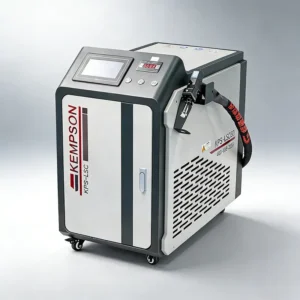
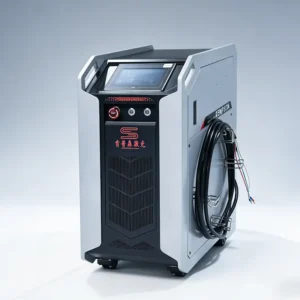
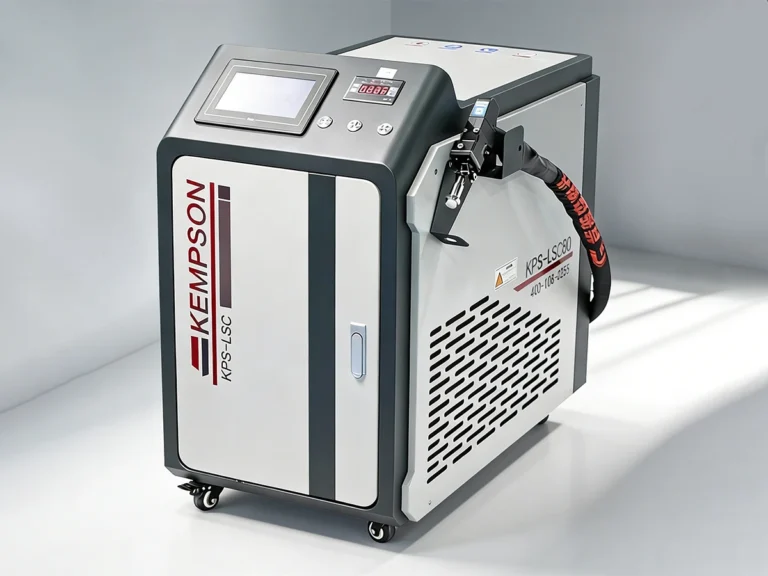
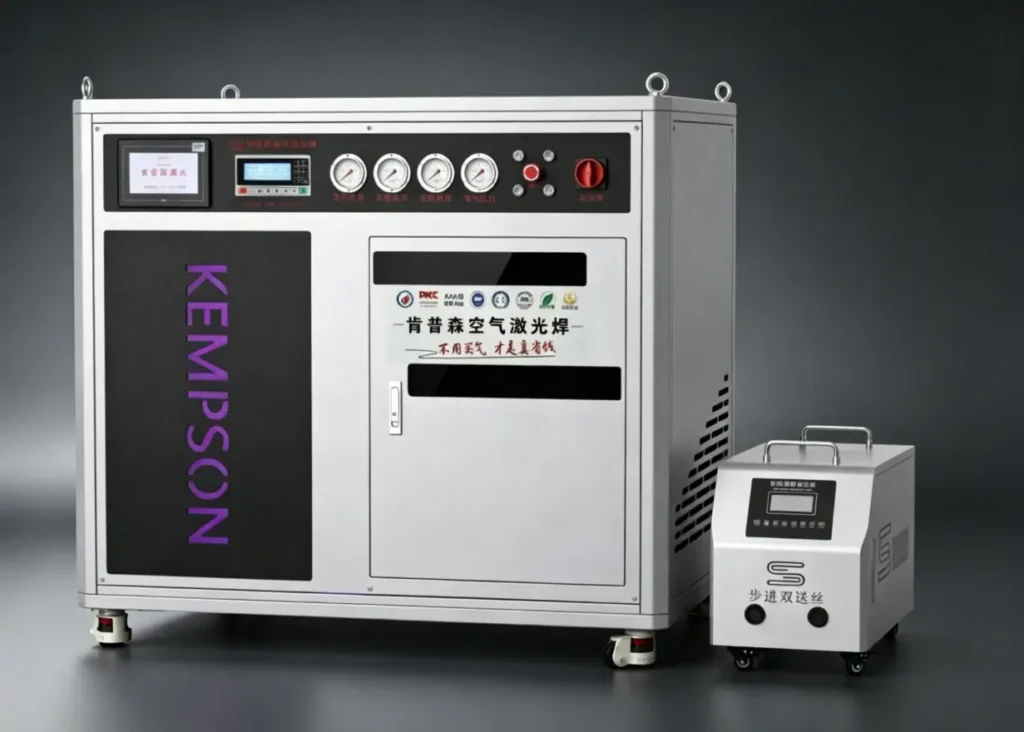
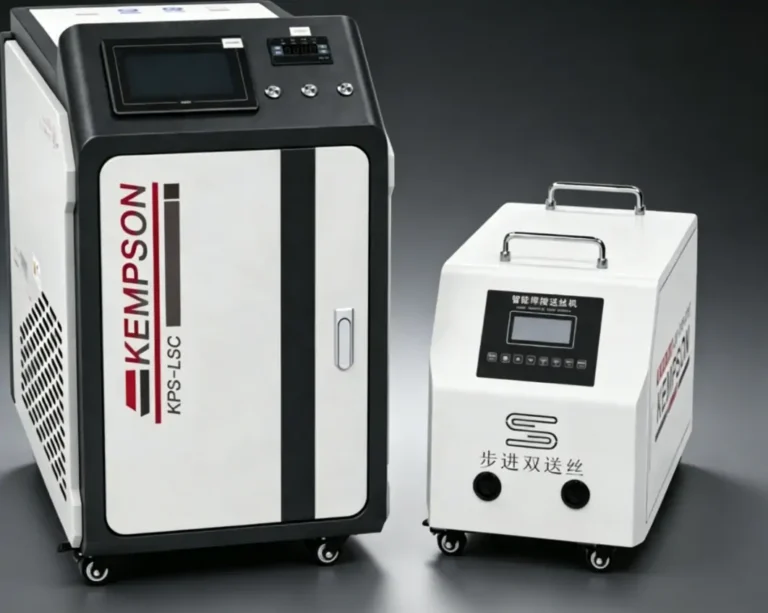
Laser welding equipment selection affects welding stability and deformation control. A suitable machine should provide stable laser output, accurate parameter adjustment, and a power range that matches the material thickness and production requirements. KEMPSON laser welding machines offer adjustable power options from 1500W to 6000W for different thin and medium metal welding applications.
6. Perform Material and Process Testing Before Production
Welding tests should be completed before mass production to check weld penetration, appearance, and deformation level. Test results can be used to adjust welding parameters and confirm the production process before full operation.
Deformation in laser welding of thin sheets depends primarily on the heat input, process parameters, equipment performance, and the workpiece clamping method. By properly controlling these factors, the weld can be stabilized and the likelihood of deformation reduced.
Laser welding is widely used, but what factors affect its weld quality? For more details, see: What Are the Primary Factors Affecting Laser Welding Quality?
Laser Welding vs Traditional Welding: Deformation Comparison
In precision manufacturing, controlling welding deformation is often more challenging than achieving welding strength. Laser welding reduces deformation by controlling heat input and limiting the heat-affected zone, while traditional welding methods usually introduce more heat into the surrounding material.
| Comparison Item | Laser Welding | Traditional Welding (MIG/TIG) |
|---|---|---|
| Heat Input | Highly concentrated energy with lower heat input. The heat input can be around 1/5–1/10 of traditional welding methods in suitable applications. | Higher heat input. Arc or flame heat spreads to a larger area around the weld. |
| Heat Affected Zone (HAZ) | Very small HAZ, usually around 0.1–1 mm. The base material is less affected by heat. | Larger HAZ, typically around 2–10 mm, with a higher risk of material property changes. |
| Deformation Level | Low deformation. Thin sheets often require little or no post-weld correction. | Higher deformation risk, especially on thin plates where warping and surface distortion may occur. |
| Residual Stress | Lower residual stress with more even distribution around the weld area. | Higher residual stress concentration, which may affect long-term component reliability. |
| Welding Speed | High welding speed, reducing the time of heat exposure and heat accumulation. | Lower welding speed with longer heat input time. |
| Suitable Thickness | Strong advantage in thin plate welding (0.1–3 mm). Thick plates may require multiple welding passes. | More commonly used for thick plates (over 5 mm), but deformation control is more difficult. |
| Post-Weld Correction | Low correction cost. Many applications require no additional straightening. | Higher correction cost. Additional processes such as mechanical straightening may be required. |
Laser welding uses precise heat control to reduce welding deformation and is widely used for thin-wall parts, precision components, and dissimilar metal welding. Traditional welding methods remain practical for many thick plate applications due to their lower equipment cost, but laser welding provides better control of deformation and welding accuracy.
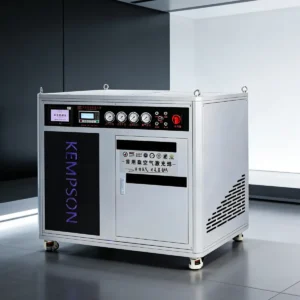
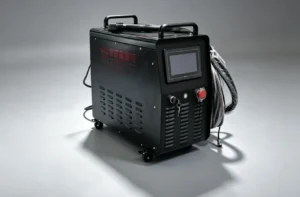
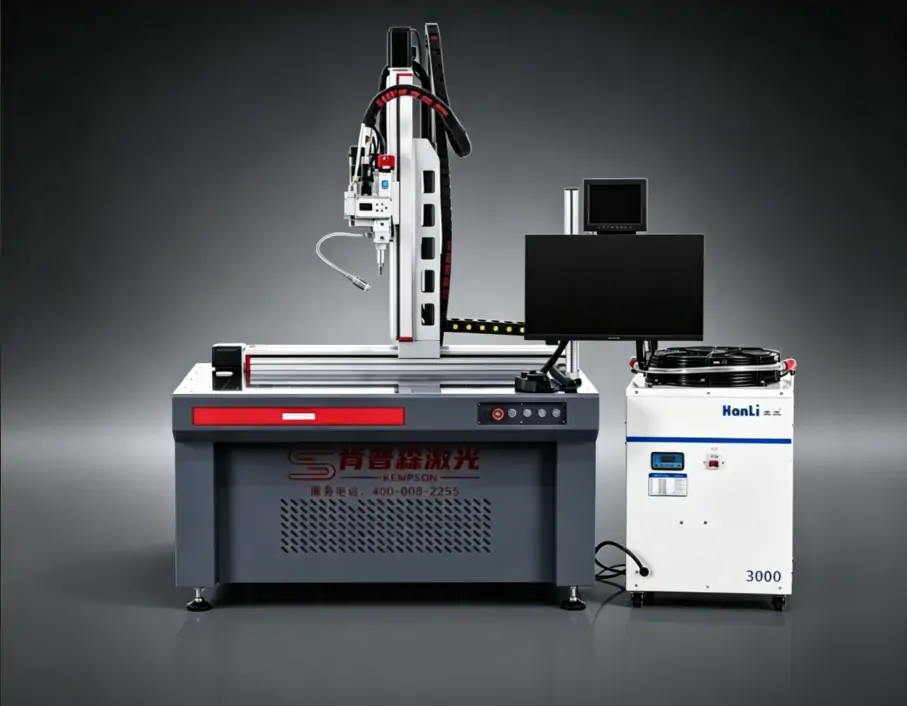
KEMPSON Thin-Sheet Laser Welding Equipment
Recommended Laser Welding Parameters for Thin Plates
The welding parameters for thin plates depend on material type, thickness, joint design, and production requirements. Proper settings of laser power, welding speed, and focus position help control heat input and maintain weld quality.
| Material | Thickness Range | Recommended Laser Power | Application |
| Stainless Steel | 0.5–3 mm | 1000W–2000W | Precision sheet metal welding, enclosures, components |
| Carbon Steel | 1–5 mm | 1500W–3000W | Structural parts, fabrication, metal assemblies |
| Aluminum | 0.5–5 mm | 2000W–4000W | Lightweight structures, automotive parts, aluminum products |
Note: The above parameters are for reference only. Actual welding settings should be adjusted based on material grade, joint structure, and production conditions.
Applications
Thin plate laser welding is widely used in industries that require low deformation, high precision, and clean weld appearance. The process is suitable for lightweight structures, precision components, and sheet metal parts with strict dimensional requirements.
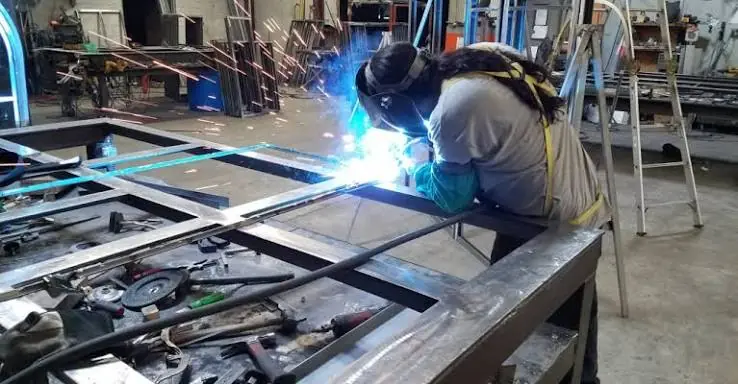
Sheet Metal Fabrication
Stainless steel cabinets, enclosures, panels, and custom metal parts.
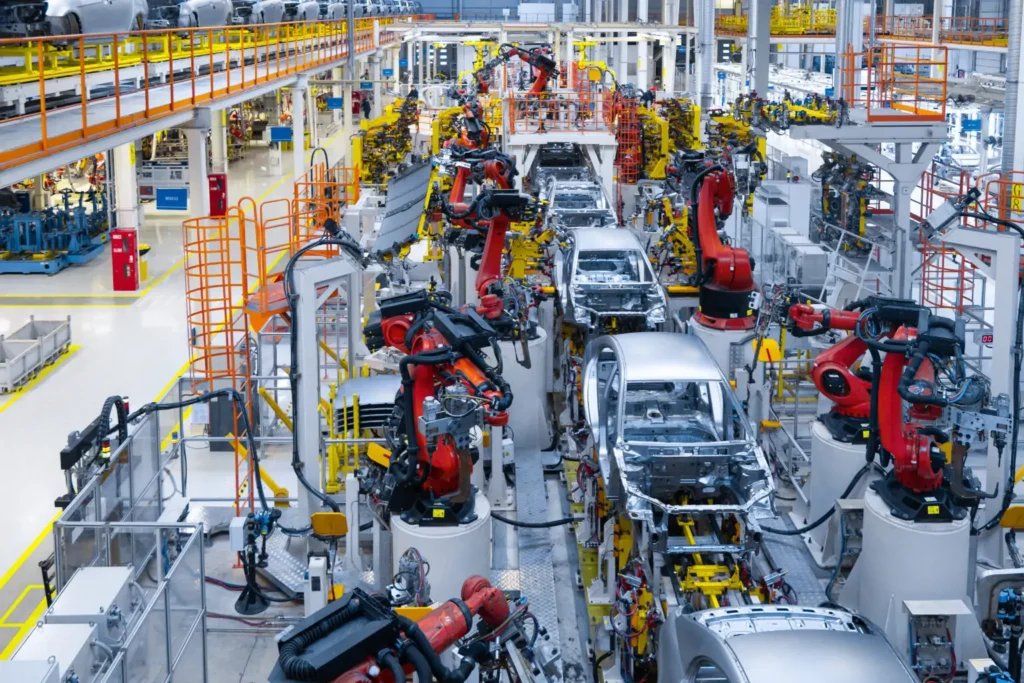
Automotive Industry
Vehicle body parts, battery housings, exhaust components, and precision assemblies.
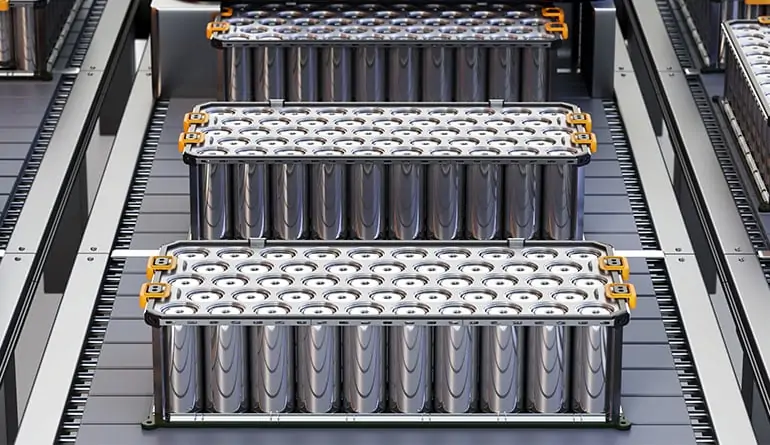
Electronics and Electrical Equipment
Battery cases, electrical enclosures, sensors, and electronic components.
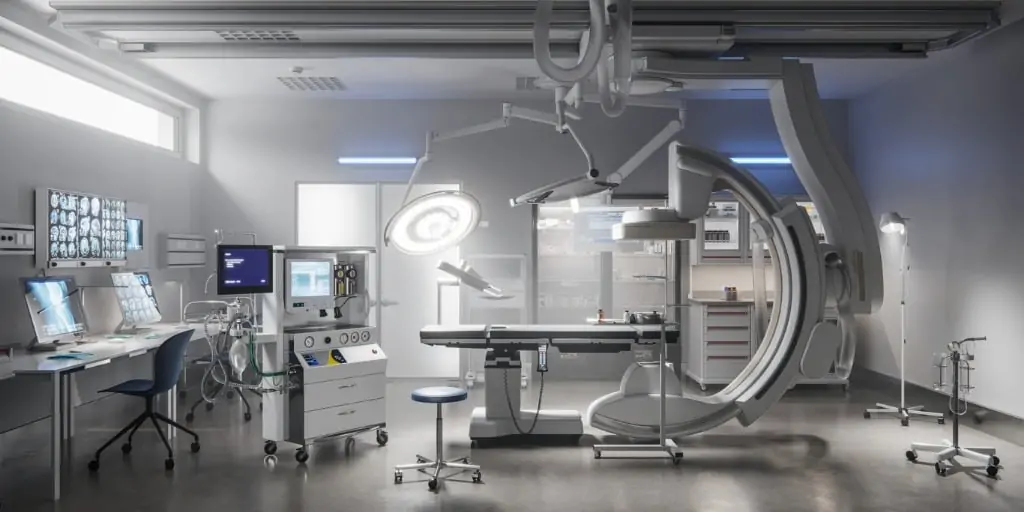
Medical Equipment
Medical instruments and precision metal components.
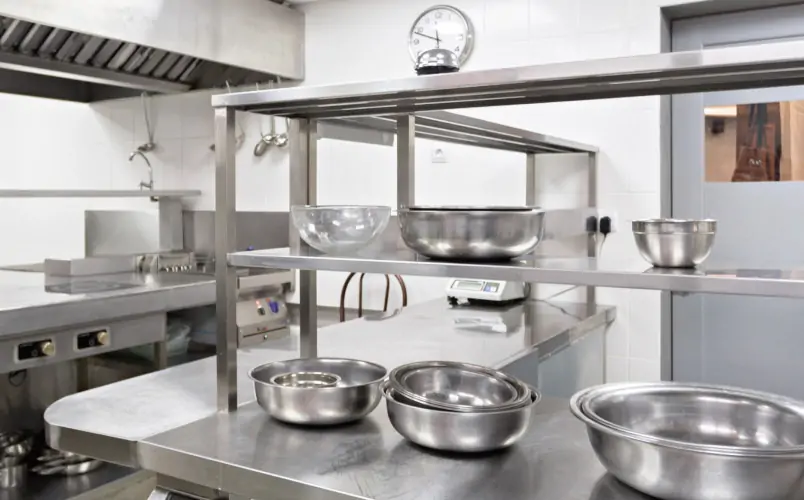
Kitchen and Food Processing Equipment
Stainless steel sinks, cabinets, containers, and processing equipment.
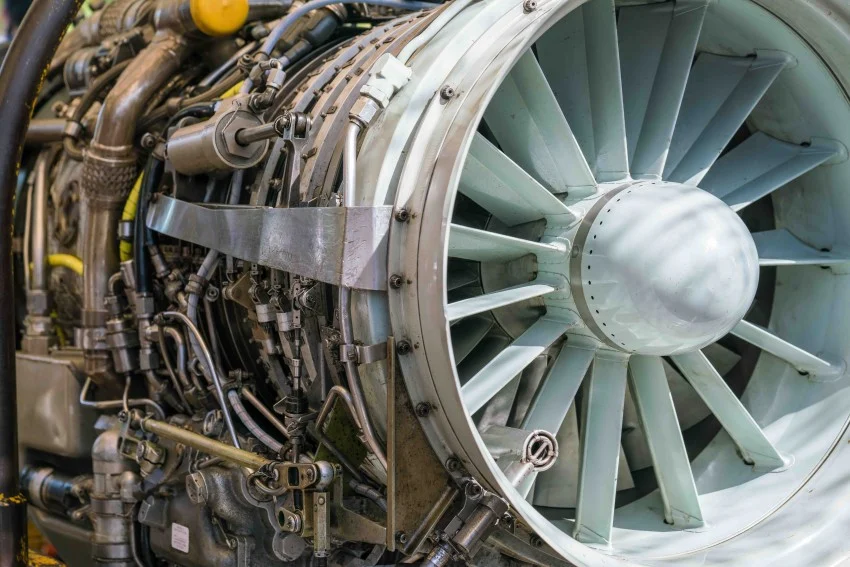
Aerospace and Precision Components
Lightweight structures and precision metal assemblies.
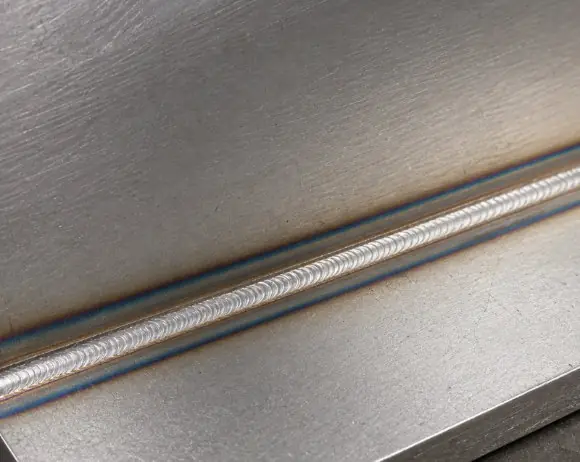
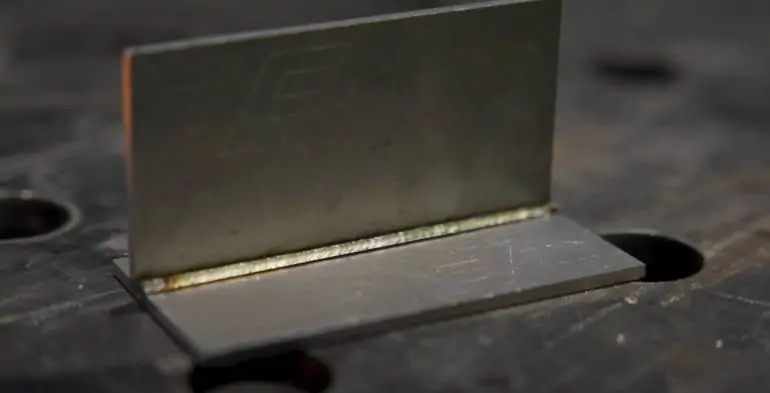
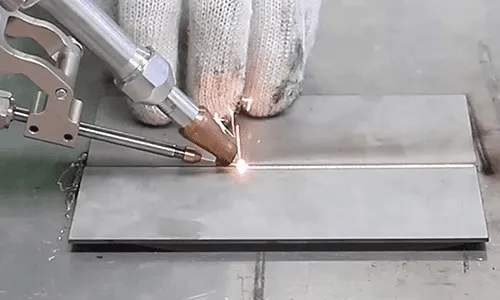
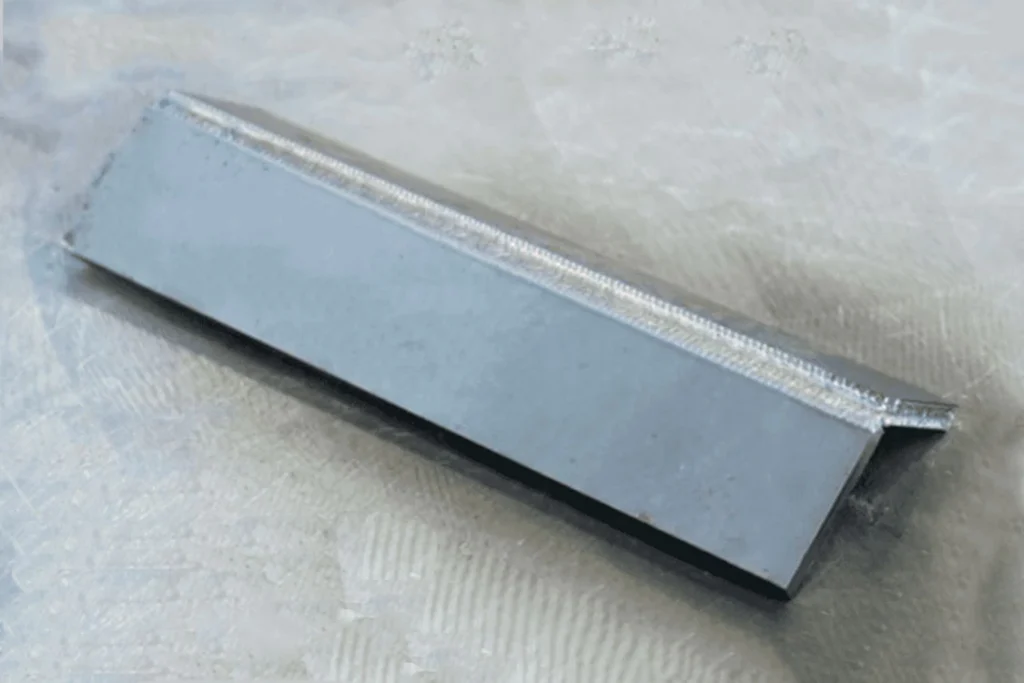
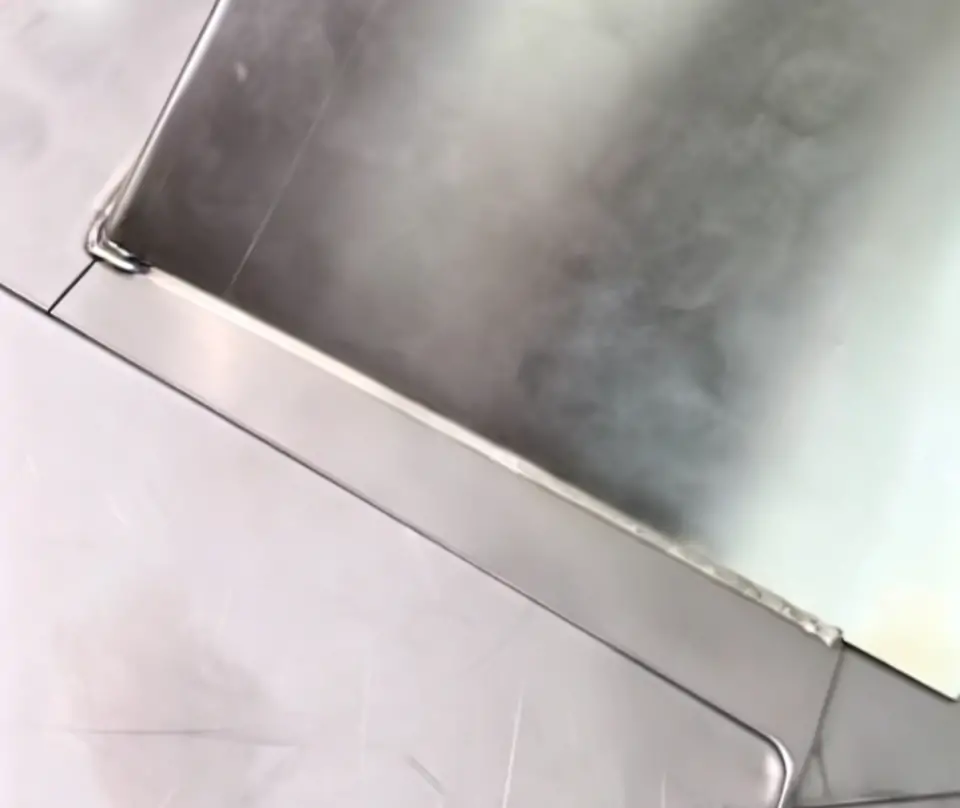
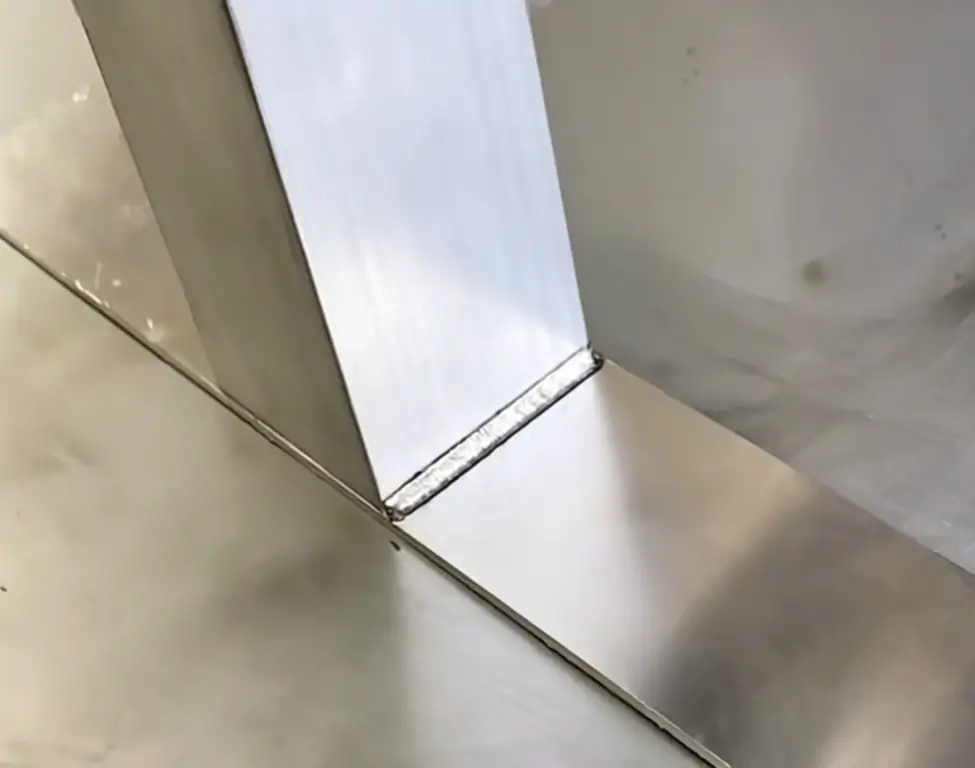
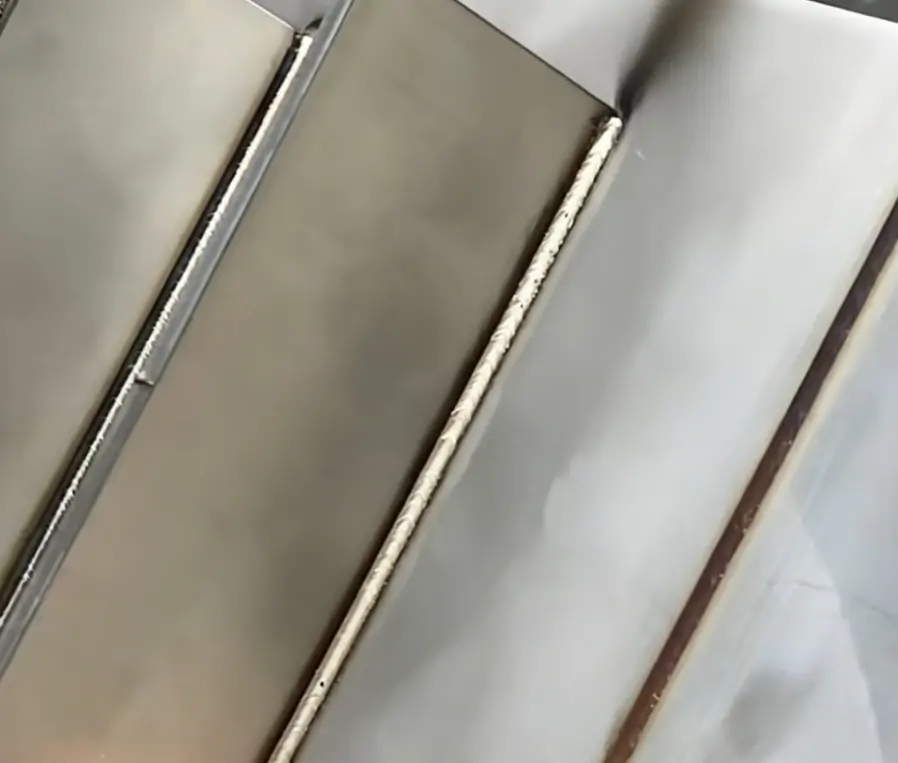
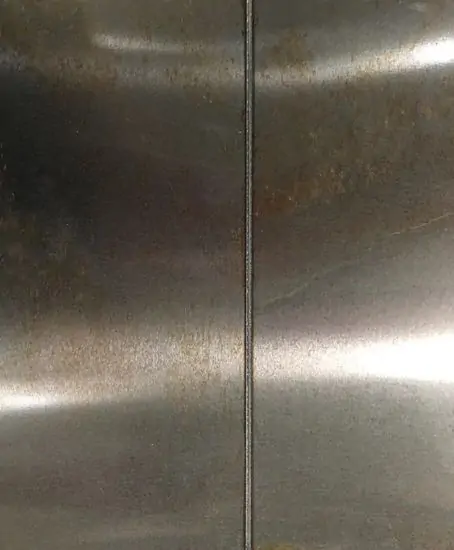
Thin Sheet Welding Results
Conclusion
Thin plate laser welding deformation is mainly related to heat input, welding parameters, material properties, and workpiece positioning. Laser power, welding speed, and welding sequence need to be adjusted according to the material and welding requirements to control deformation during production.
KEMPSON manufactures laser welding machines with power ranges from 1500W to 6000W for thin and medium metal welding. The machines are used for stainless steel, carbon steel, aluminum, and other metal applications. KEMPSON provides welding equipment, process support, customized solutions, and a 3-year warranty for industrial customers. Contact us for laser welding solutions.
FAQ
Why does thin plate laser welding deform?
Thin plate laser welding deformation is mainly caused by uneven heating and cooling, which creates thermal stress and material shrinkage.
How can laser welding deformation be reduced?
Deformation can be reduced by controlling laser power, welding speed, heat input, welding sequence, and using proper fixtures.
Does laser welding cause less deformation than TIG welding?
Yes. Laser welding usually causes less deformation because it uses lower heat input and creates a smaller heat-affected zone.
What laser power is suitable for thin plate welding?
For thin plate welding, 1500W-2000W laser welders are commonly used, while thicker materials may require higher power.
What materials can be welded with low deformation using lasers?
Laser welding can be used for stainless steel, carbon steel, aluminum, copper, and other metal materials.
How does welding speed affect deformation?
Higher welding speed reduces heat accumulation and can help minimize thermal distortion.
Can laser welding eliminate deformation?
No. Laser welding reduces deformation significantly, but proper parameter adjustment and fixture design are still required.
How does KEMPSON help control welding deformation?
KEMPSON provides laser welding machines with precise power control, customized welding solutions, technical support, and a 3-year warranty service for industrial applications.