Table of Contents
Introduction
Spot welding is a widely used joining method in metal manufacturing, especially for sheet metal assembly and high-volume production. It uses electrical resistance and pressure to create strong joints without adding filler material, making it suitable for many industrial applications.
In this article, I will explain What Is Spot Welding from the working principle, main components, welding process, applications, advantages, and limitations. I will also compare spot welding with other welding methods to help you understand where it fits in different manufacturing needs.
What Is Spot Welding?
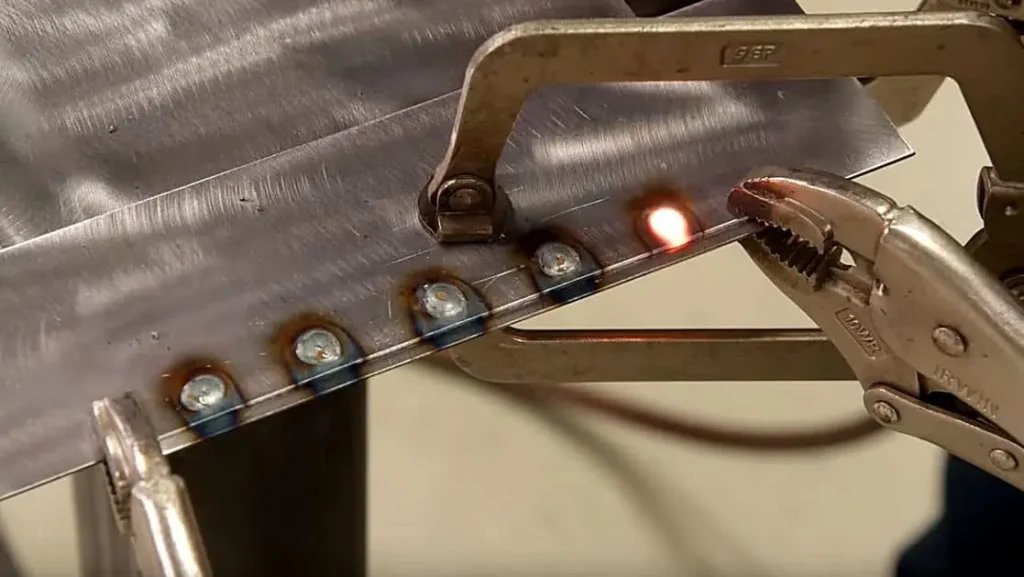
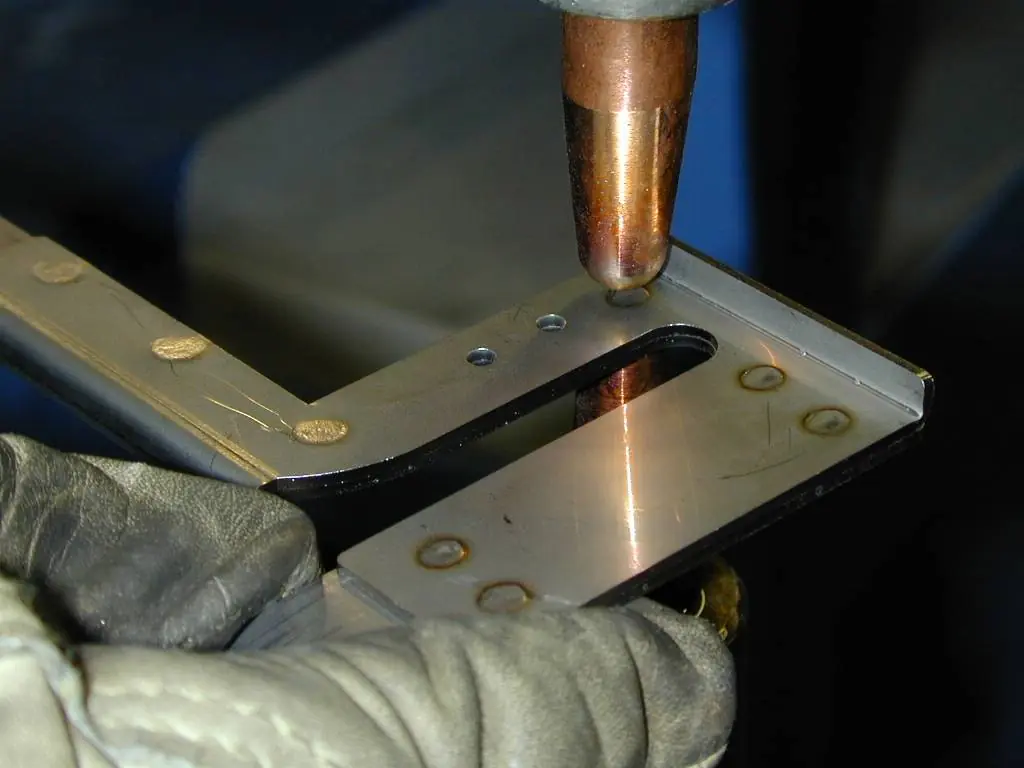
Spot welding, also known as resistance spot welding, is a welding process that joins metal sheets by applying pressure and electrical current to a small contact area. The resistance between the metal sheets generates heat, melting the material and forming a weld joint without using filler wire or shielding gas.
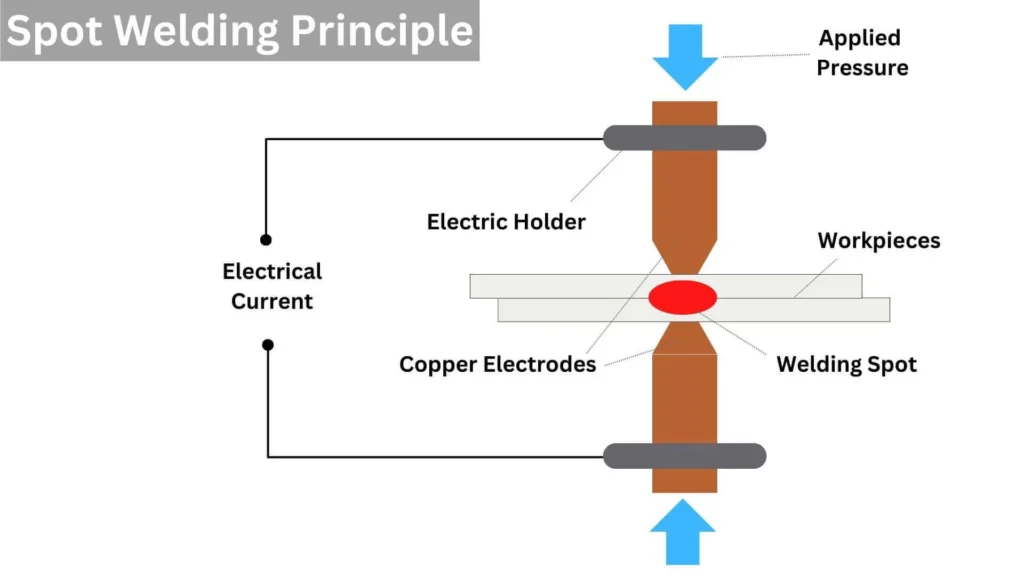
The process uses two copper alloy electrodes to clamp the workpieces and deliver high current through the welding point. The generated heat follows the principle of Q=I²Rt, where welding current, resistance, and welding time determine the heat input.
Spot welding is commonly used for sheet metal applications, especially in automotive and industrial manufacturing. It is suitable for metal sheets around 0.5–3 mm thick and works well with materials such as low-carbon steel, stainless steel, galvanized steel, and aluminum alloys. The welding quality mainly depends on three parameters: current, pressure, and welding time.
How Does Spot Welding Work?
Spot welding works by using electrical resistance heat and pressure to join metal sheets. Two copper electrodes clamp the workpieces together and pass a high welding current through the contact area. The resistance between the metal surfaces generates heat, causing the material to melt and form a solid weld nugget after cooling.
- Position the Workpieces
The metal sheets are placed between the upper and lower electrodes with proper alignment. - Apply Pressure
The electrodes press the sheets together to maintain contact during welding. - Pass Welding Current
A high current flows through the contact point, creating heat according to resistance. - Form the Weld Joint
The molten area cools and solidifies, creating a strong spot weld between the sheets.
The welding result depends mainly on current, welding time, and electrode pressure. Proper parameter adjustment helps control weld strength, deformation, and surface quality.
Main Components of a Spot Welding Machine
A spot welding machine consists of several key systems that work together to provide welding current, pressure control, and heat management.
- Welding Transformer and Power System: The transformer converts the input voltage into low-voltage, high-current power required for welding. It provides stable energy output for different welding applications.
- Electrodes and Pressure System: Electrodes transfer current to the workpiece and apply welding pressure. Copper alloy electrodes are commonly used for good conductivity and wear resistance.
- Controller and Operation System: The controller adjusts welding current, time, and pressure parameters. Digital control systems help maintain consistent weld quality and support automated production.
- Cooling System: The cooling system removes heat generated during welding and protects key components. Water cooling is commonly used for continuous operation.
- Machine Frame and Mechanical Structure: The machine frame provides support and stability during welding. A rigid structure helps maintain electrode alignment and welding accuracy.
- Safety and Auxiliary Functions: Safety systems monitor equipment operation and provide alarms in case of faults. Additional functions improve operating safety and equipment reliability.
The main components of a spot welding machine work together to control current, pressure, and heat, which directly affect welding strength and consistency.
What Materials Can Be Spot Welded?
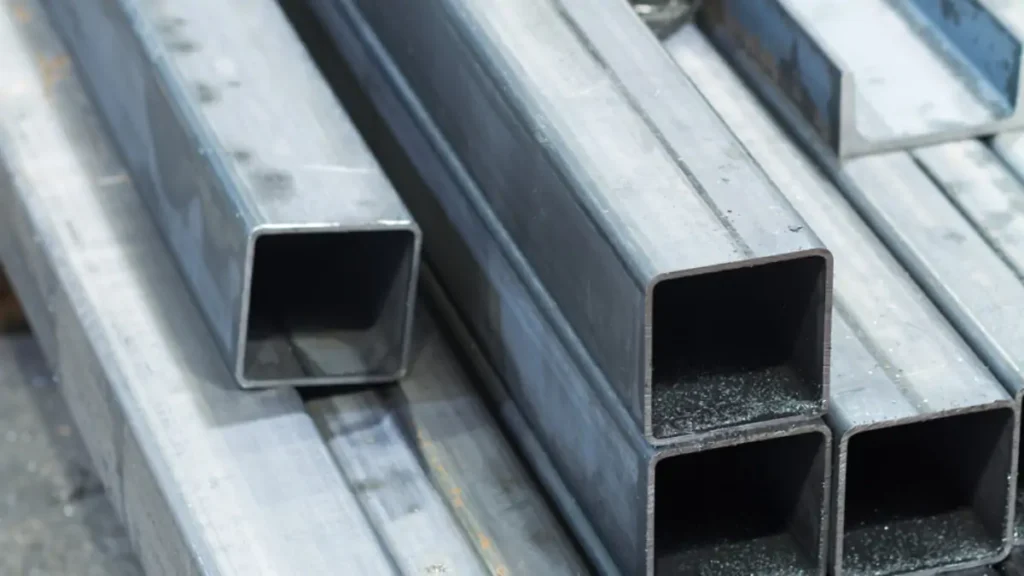
Carbon Steel
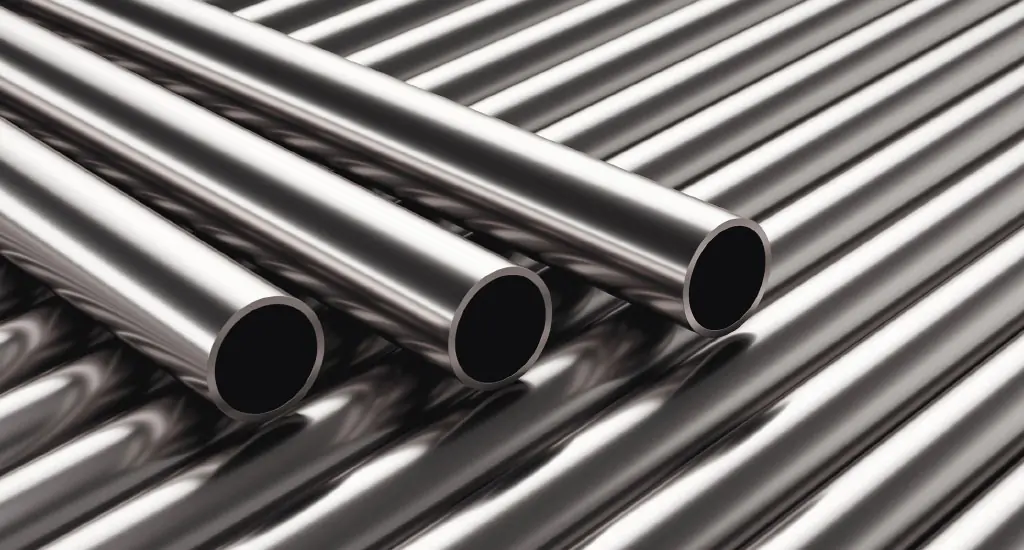
Stainless Steel
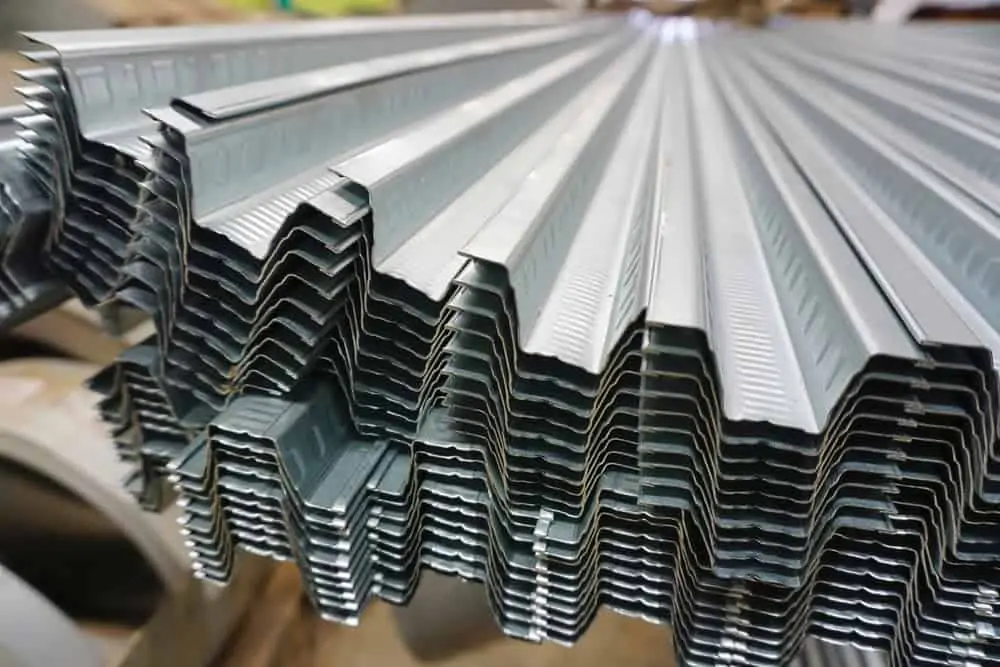
Galvanized Steel
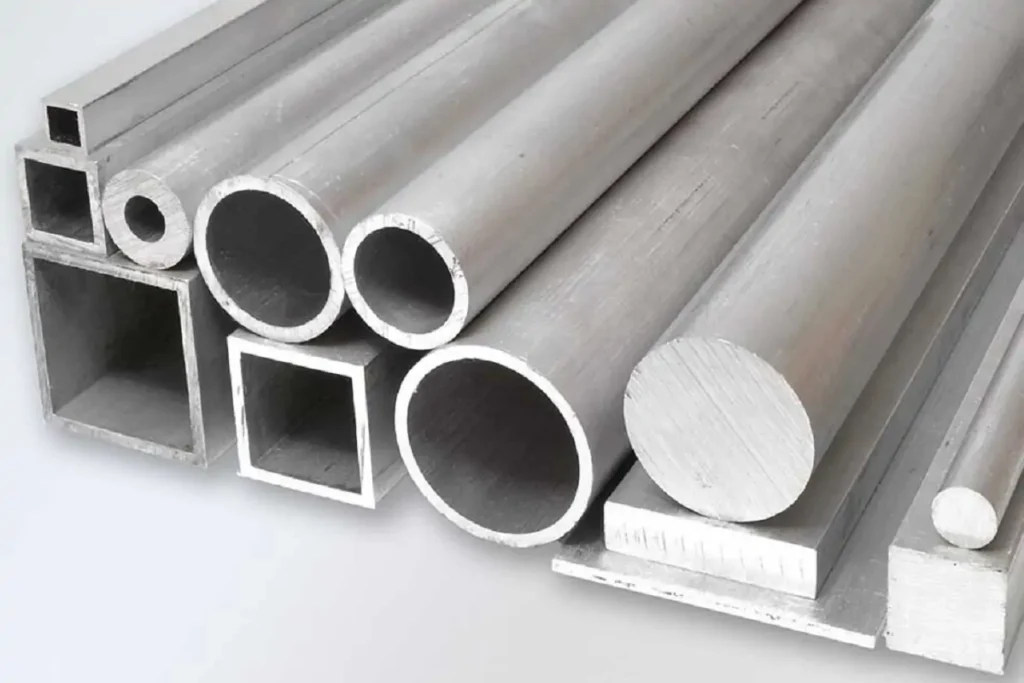
Aluminum Alloy
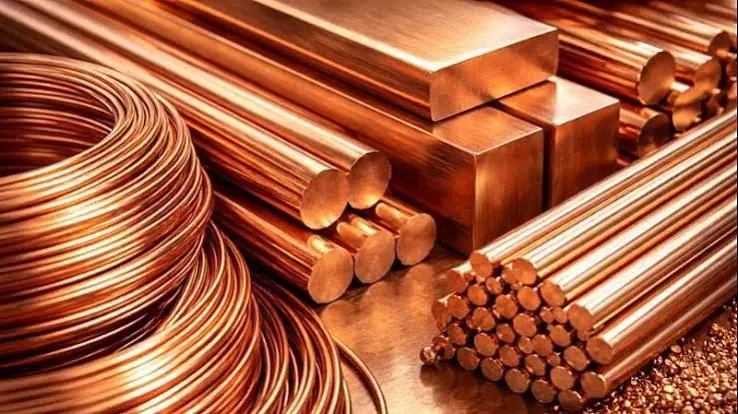
Copper
Applications

Automotive Manufacturing
Used for joining vehicle body panels, frames and structural sheet metal parts in high-volume production.
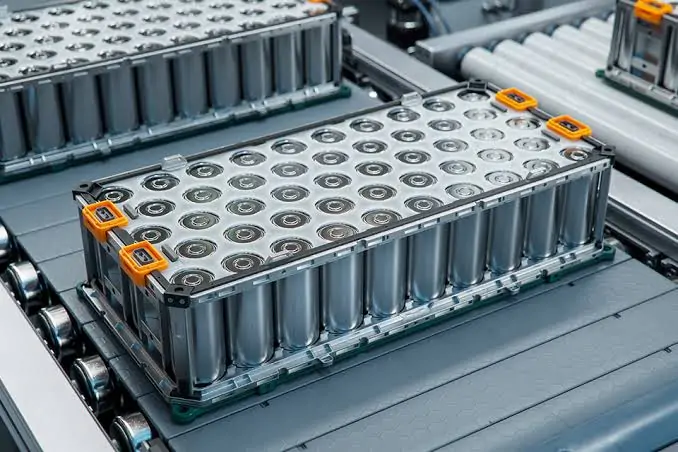
Battery Pack Assembly
Used for welding battery tabs, cells and metal connectors with precise heat control.
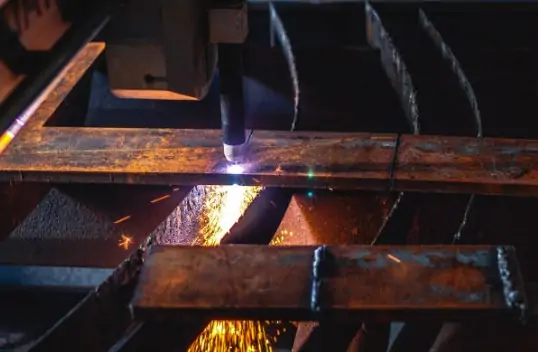
Sheet Metal Fabrication
Used for assembling cabinets, enclosures and various thin metal components.
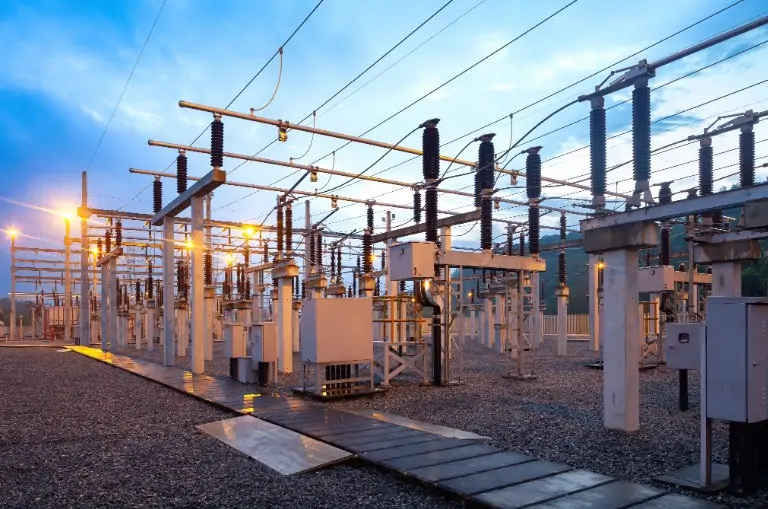
Electrical and Electronic Components
Used for small metal connections where accurate and stable welding is required.
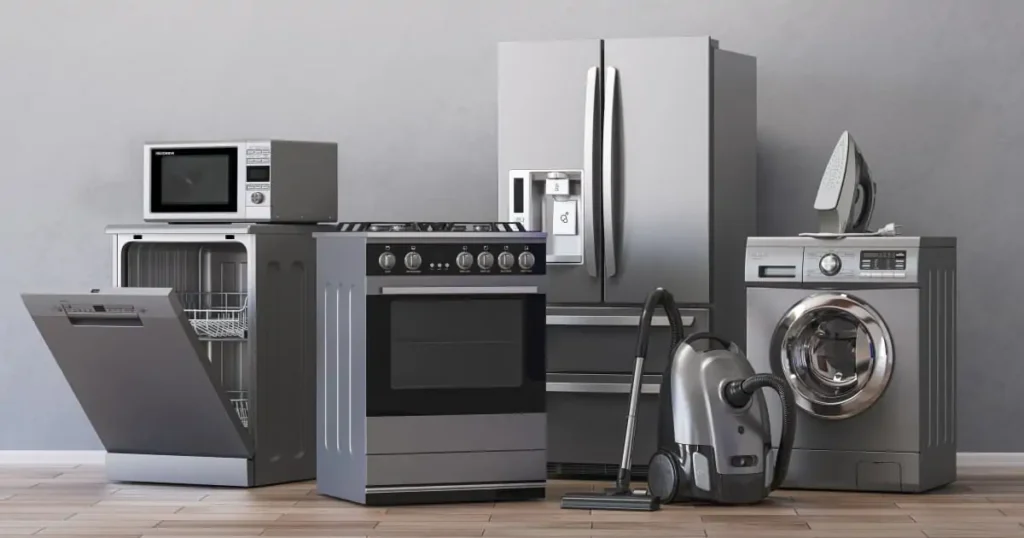
Home Appliances
Used for manufacturing metal housings, brackets, and internal structural parts.
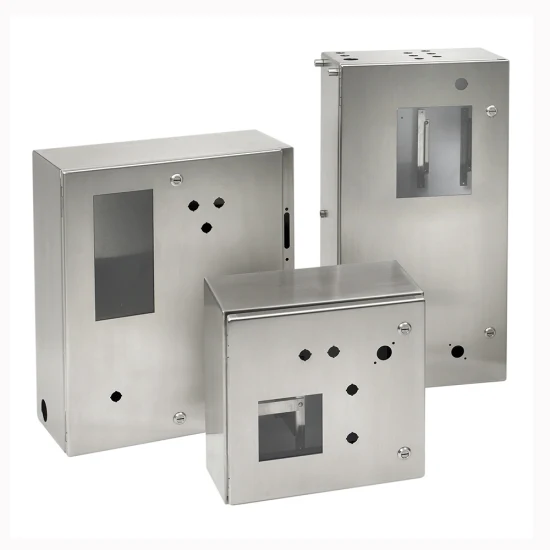
Metal Cabinets and Enclosures
Used for joining steel sheets in electrical cabinets, control boxes, and equipment covers.
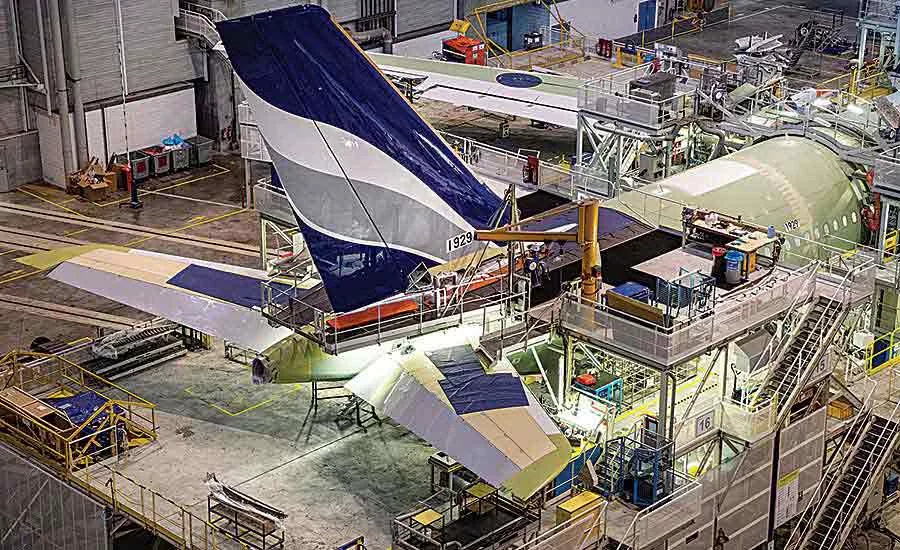
Aerospace Components
Used for lightweight metal parts that require controlled heat input and reliable joints.
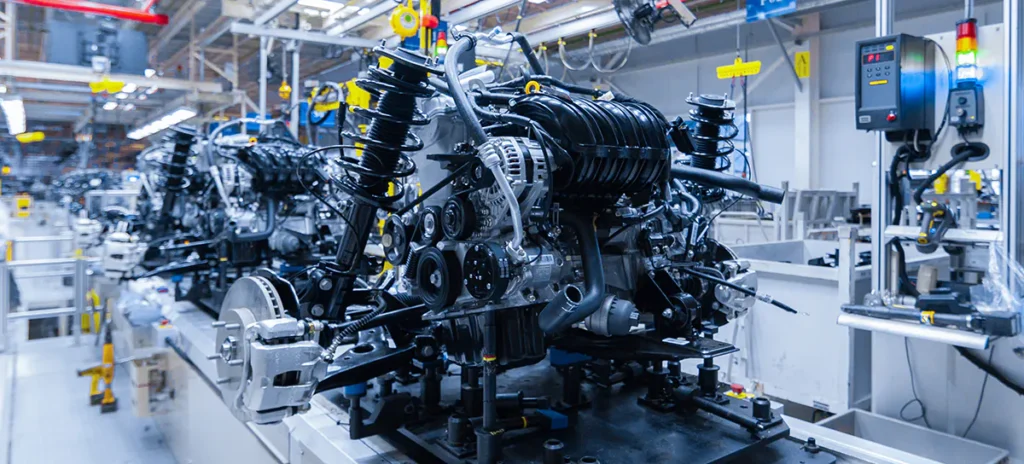
Hardware Products
Used for fast assembly of metal parts such as brackets, fasteners, and small structures.
Advantages
- High Welding Speed — Spot welding completes joints in a short time, making it suitable for mass production.
- No Filler Material Required — The process uses electrical resistance heat and pressure without welding wire or additional materials.
- Low Heat Deformation — Heat is concentrated at the welding point, reducing the impact on surrounding areas.
- Easy Automation — Spot welding machines can be integrated with robotic systems for continuous production.
- Stable Weld Quality — Proper control of current, pressure, and welding time provides consistent weld strength.
- Low Operating Cost — The process has low consumable requirements and is economical for large-volume manufacturing.
Limitations of Spot Welding
Limited Material Thickness: Spot welding is mainly suitable for thin metal sheets and is not ideal for thick materials.
Requires Access to Both Sides: The electrodes need to contact both sides of the workpiece, limiting use on complex structures.
Limited Joint Types: It is mainly used for lap joints and is not suitable for all welding positions.
High Equipment Force Requirement: Large welding current and electrode pressure require stable machine structures.
Surface Condition Affects Quality: Rust, oil, and coatings on metal surfaces can reduce welding consistency.
Limited Appearance Control: Visible weld marks may remain on the surface, which may require additional finishing for appearance-sensitive products.
Spot Welding vs Other Welding Methods
Different welding methods have different advantages in terms of speed, heat input, material thickness, and application range. The following table compares spot welding with common welding processes.
| Comparison | Spot Welding | MIG Welding | TIG Welding | Laser Welding |
|---|---|---|---|---|
| Welding Principle | Resistance heat generated by current between electrodes | Arc heat with filler wire | Arc heat with tungsten electrode | Focused laser beam melts material |
| Welding Speed | Fast, suitable for mass production | Medium | Slow | Very fast |
| Heat Input | Medium | High | Medium | Low |
| Deformation | Moderate | Higher | Lower | Minimal |
| Filler Material | Not required | Required | Optional | Usually not required |
| Material Thickness | Mainly thin sheets (0.5–3mm) | Suitable for thin to thick materials | Suitable for thin and precision welding | Thin and medium thickness applications |
| Welding Precision | Medium | Medium | High | High |
| Automation | Easy to automate | Suitable for automation | Limited automation | Easy to integrate |
| Main Applications | Automotive, sheet metal, appliances | Structures, machinery, fabrication | Precision parts, stainless steel, aluminum | Automotive, electronics, high-precision manufacturing |
Spot welding is preferred for high-volume sheet metal production due to its fast speed and low operating cost. MIG and TIG welding provide more flexibility for different joint types and thicknesses, while laser welding offers higher precision and lower heat deformation for advanced manufacturing applications.
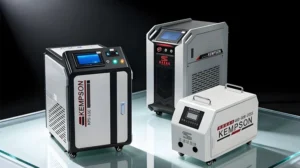
KEMPSON offers laser welding machines in a variety of power ratings. For more details, visit the page: Laser Welding Machine
To learn about the differences between traditional welding and laser welding, read the article: Laser Welding vs. Traditional Welding: Differences, Advantages, Costs, and Applications
Factors Affecting Spot Welding Quality
Spot welding quality depends on several key parameters. Proper control of welding current, pressure, and time helps improve joint strength and welding consistency.
| Factor | Description |
|---|---|
| Welding Current | Determines the heat generated at the welding point. Insufficient or excessive current may cause weak welds or defects. |
| Welding Time | Controls the duration of heat input. Proper timing helps form a stable weld nugget. |
| Electrode Pressure | Maintains close contact between metal sheets, affecting weld strength and appearance. |
| Electrode Condition | Worn or contaminated electrodes can reduce welding stability and affect joint quality. |
| Material Surface | Clean surfaces improve current flow and reduce welding defects caused by oil, rust, or coatings. |
| Cooling Control | Proper cooling prevents overheating and extends electrode service life. |
Good control of welding parameters and workpiece conditions helps produce consistent spot welds with reliable strength.
How to Choose a Spot Welding Machine?
Choosing a suitable spot welding machine requires matching the equipment with material type, thickness, welding frequency, and production needs.
Check Material Type and Thickness
Choose a machine based on the metal type, conductivity, and sheet thickness. Different materials require different welding current and pressure settings.
Select Suitable Welding Power
The transformer capacity and output current should match the welding requirements. Higher power is needed for thicker sheets and continuous production.
Consider Electrode Configuration
Electrode material, shape, and cooling method affect welding stability and service life. Copper alloy electrodes are commonly used for reliable current transfer.
Check Control System
A precise control system allows adjustment of welding current, time, and pressure, helping maintain consistent weld quality.
Evaluate Cooling Performance
For frequent welding operations, choose equipment with an effective cooling system to prevent overheating and extend component life.
Match Production Requirements
For high-volume manufacturing, automated spot welding systems improve efficiency. For small-batch work, a compact manual machine may be more suitable.
Consider Maintenance and Support
Check spare parts availability, electrode replacement costs, and technical support before purchase. A reliable supplier helps reduce downtime during operation.
The right spot welding machine should provide stable current output, precise control, and reliable operation that meet your actual welding requirements.
Conclusion
Spot welding remains an efficient solution for sheet metal joining, especially in automotive, appliance, and industrial manufacturing. Understanding the welding process, suitable materials, machine components, and quality factors helps users select the right equipment for their applications.
KEMPSON provides welding solutions for different metal processing needs, with professional equipment support and customized options. Contact us to discuss your welding requirements and find a suitable spot welding solution.
FAQ
What is spot welding used for?
Spot welding is mainly used for joining thin metal sheets in automotive, electronics, and sheet metal manufacturing.
How does spot welding work?
Spot welding uses electrical resistance heat and electrode pressure to create a weld joint between metal sheets.
Is spot welding strong?
Yes. Properly controlled spot welds provide strong joints for sheet metal applications.
What metals can be spot welded?
Common materials include steel, stainless steel, aluminum, and galvanized sheets.
Does spot welding need welding wire?
No. Resistance spot welding forms joints without filler wire.
What is the difference between spot welding and laser welding?
Spot welding uses resistance heat at fixed points, while laser welding uses focused laser energy for continuous and precise welding.
What thickness can spot welding handle?
Spot welding is mainly used for thin metal sheets. The suitable thickness depends on material type and equipment power.
Is spot welding suitable for automation?
Yes. Spot welding is widely used with robotic systems in high-volume manufacturing.