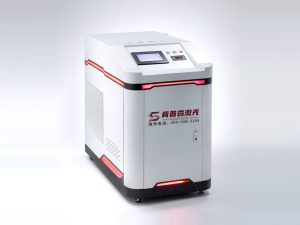
Choosing between a 2000W and 3000W laser welding machine is not simply a matter of power preference, but a strategic decision that affects weld quality, production efficiency, and long-term operating cost. In industrial applications, laser power directly determines penetration depth, welding speed, and adaptability to different materials. For most manufacturers, the real question is how to balance precision, throughput, and investment based on actual production conditions rather than theoretical specifications.
Understanding Laser Power in Welding Applications
Laser power plays a central role in defining welding performance, but it must be evaluated together with process parameters such as welding speed, focal position, and material properties. A higher wattage does not automatically guarantee better results; instead, it expands the processing window and allows for greater flexibility in demanding applications.
From a technical perspective, increasing power density enables:
- Deeper weld penetration with fewer passes
- Higher welding speeds at the same thickness
- Improved process stability in automated systems
However, excessive power on thin materials can lead to burn-through or deformation, which is why proper power matching is critical in real-world production.
2000W Laser Welding Machine: Balanced Performance for Precision Manufacturing
A 2000W Laser Welding Machine is widely regarded as the most versatile configuration for small to medium-scale manufacturing. It offers a stable balance between energy input and process control, making it suitable for applications where weld appearance and dimensional accuracy are important.
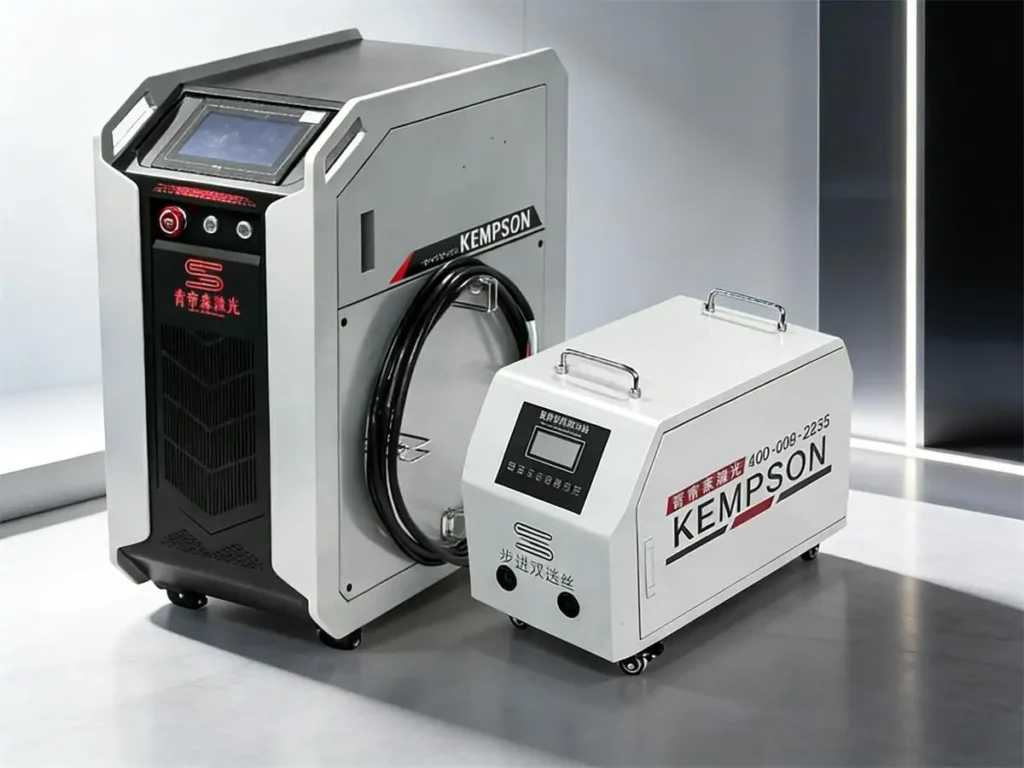
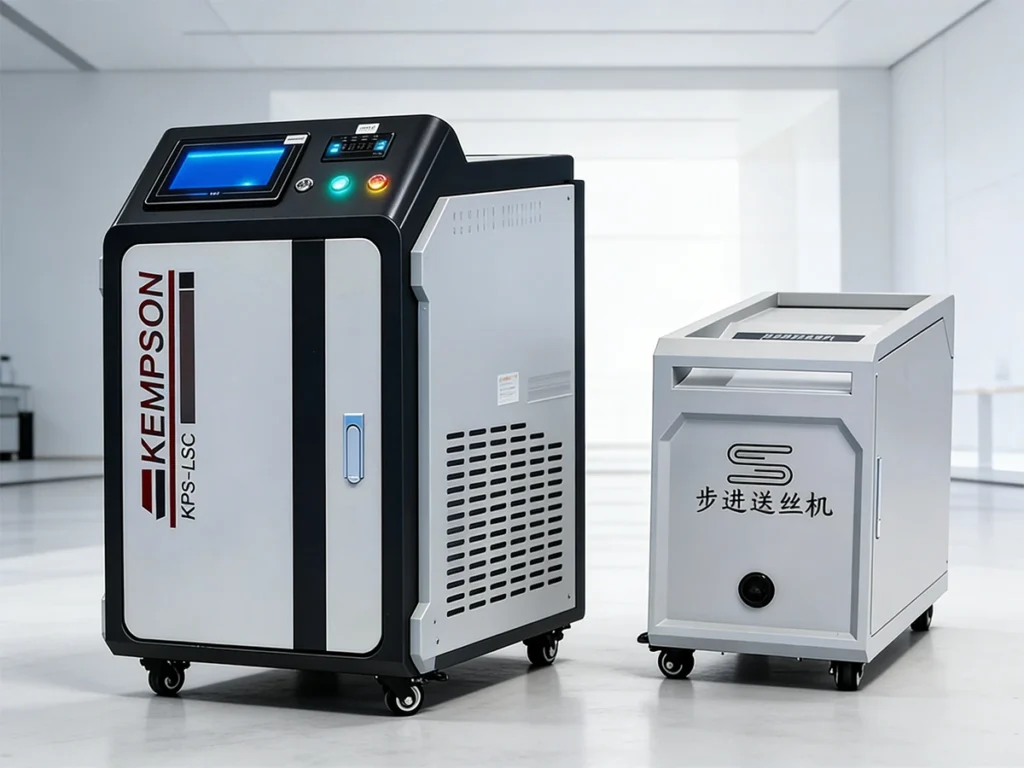
In practical use, 2000W systems are commonly applied in:
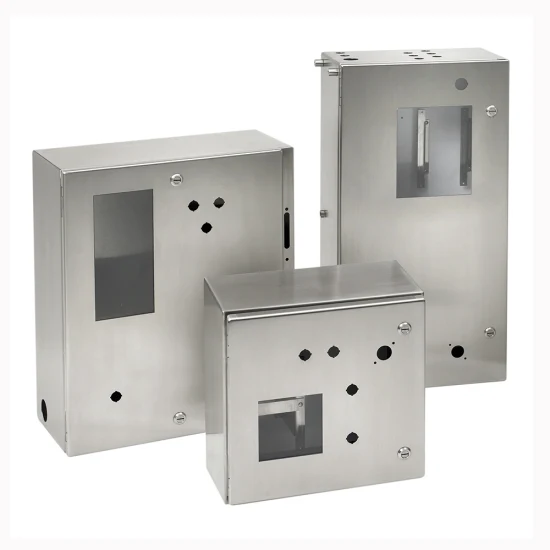
- Sheet metal fabrication, such as cabinets, enclosures, and housings
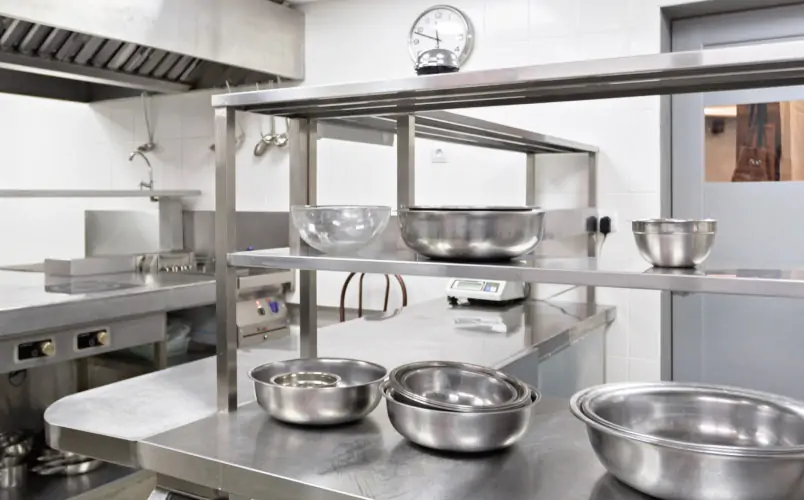
- Stainless steel products, including kitchen equipment and medical components
- Light structural assemblies requiring clean weld seams
From an operational standpoint, 2000W machines provide:
- Controlled heat input, reducing the heat-affected zone
- Consistent weld quality with minimal post-processing
- Lower energy consumption compared to higher-power systems
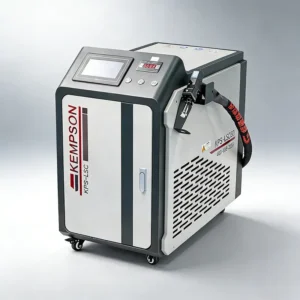
For businesses transitioning from traditional TIG welding, a 2000W system often represents the most cost-effective entry into laser welding, especially when paired with solutions like a handheld fiber laser welding machine for flexible operation.
3000W Laser Welder: High Throughput for Industrial Production
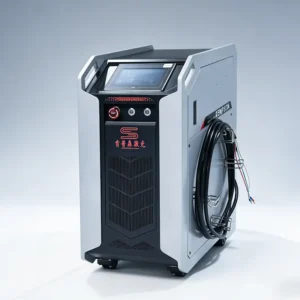
A 3000W laser welder is designed for higher productivity and deeper material penetration, making it more suitable for industrial-scale applications. The increased power allows manufacturers to significantly reduce cycle time while maintaining strong weld integrity.
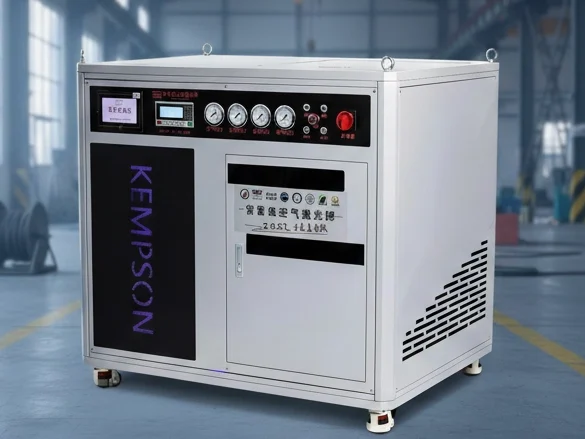
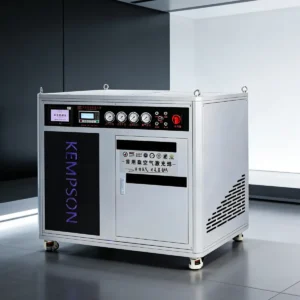
3000W Air Laser Welding Machine, Self-produced Gas
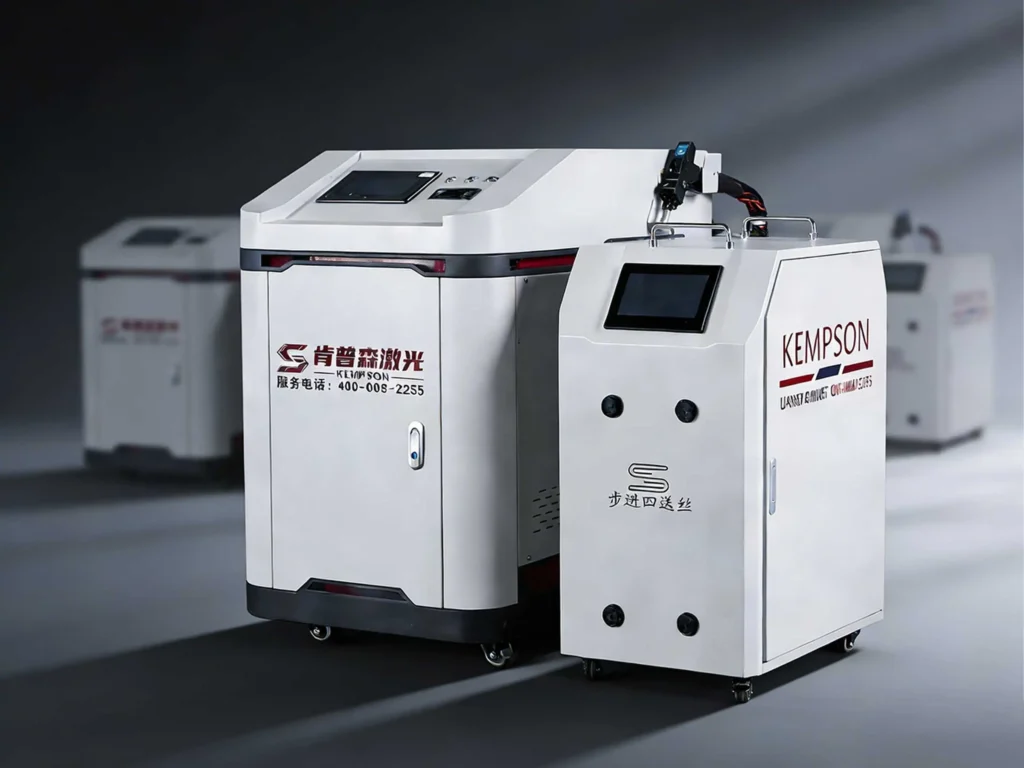
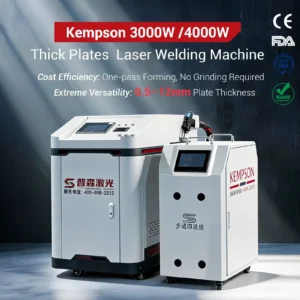
3000W Water Cooling Laser Welding Machine
Typical use cases include:
- Heavy equipment manufacturing
- Automotive structural components
- Steel construction and load-bearing parts
Compared to 2000W systems, 3000W machines offer:
- Faster welding speeds, especially on thicker materials
- Increased penetration depth, reducing the need for multi-pass welding
- Greater tolerance to variations in joint fit-up
In automated production environments, such as robotic welding lines, the advantages of 3000W systems become more pronounced, as higher speed directly translates into increased output and reduced per-unit cost.
Key Differences: 2000W vs 3000W Laser Welding Machine
The differences between these two power levels directly impact welding capability, speed, and overall production efficiency. Choosing the right option depends on your material thickness and output requirements.
| Feature | 2000W Laser Welder | 3000W Laser Welder |
|---|---|---|
| Welding Thickness | Thin–Medium (0.5–6 mm) | Medium–Thick (1–10 mm) |
| Welding Speed | Moderate–High | High |
| Heat Input | Lower, better control | Higher, deeper penetration |
| Energy Consumption | Lower | Higher |
| Weld Strength | Standard industrial strength | Higher strength for heavy-duty |
| Application Type | Precision fabrication | High-volume industrial welding |
Explore the Types and Applications of Industrial Laser Welding Machines: What Is an Industrial Laser Welding Machine: Types, Applications, and Benefits
Material Compatibility and Thickness Capability
Material thickness and compatibility are critical factors in selecting laser power, as they directly influence weld quality and efficiency. While both machines can handle common metals, their optimal performance ranges differ.
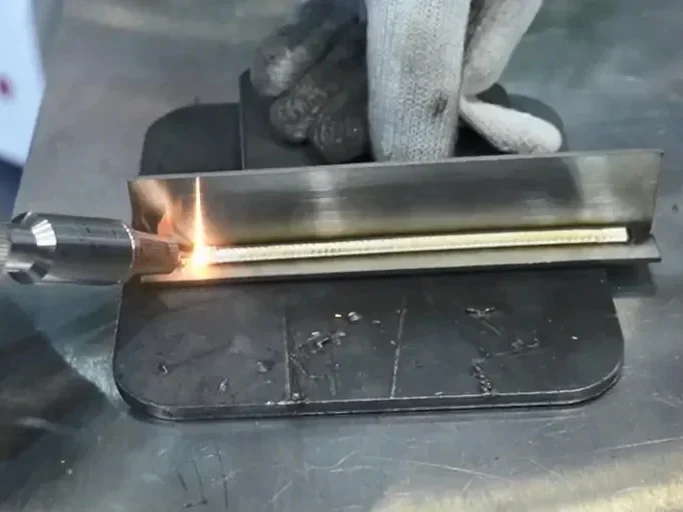
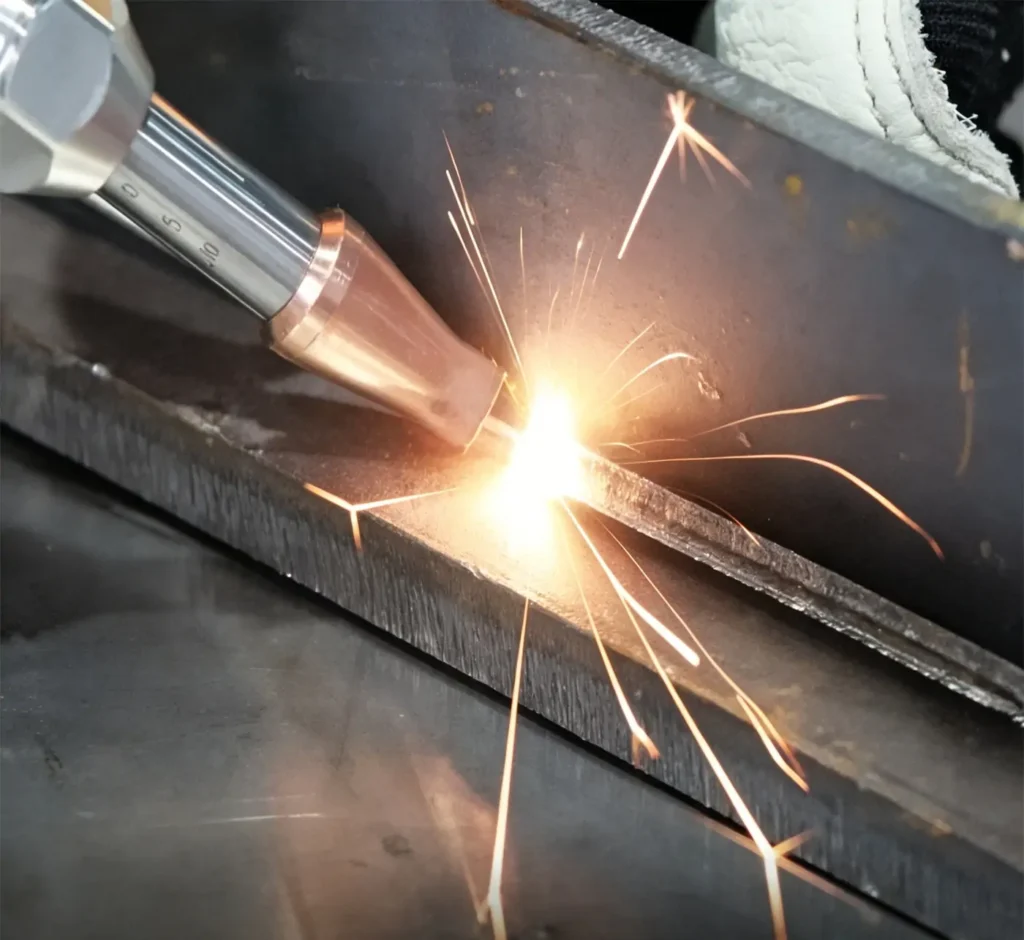
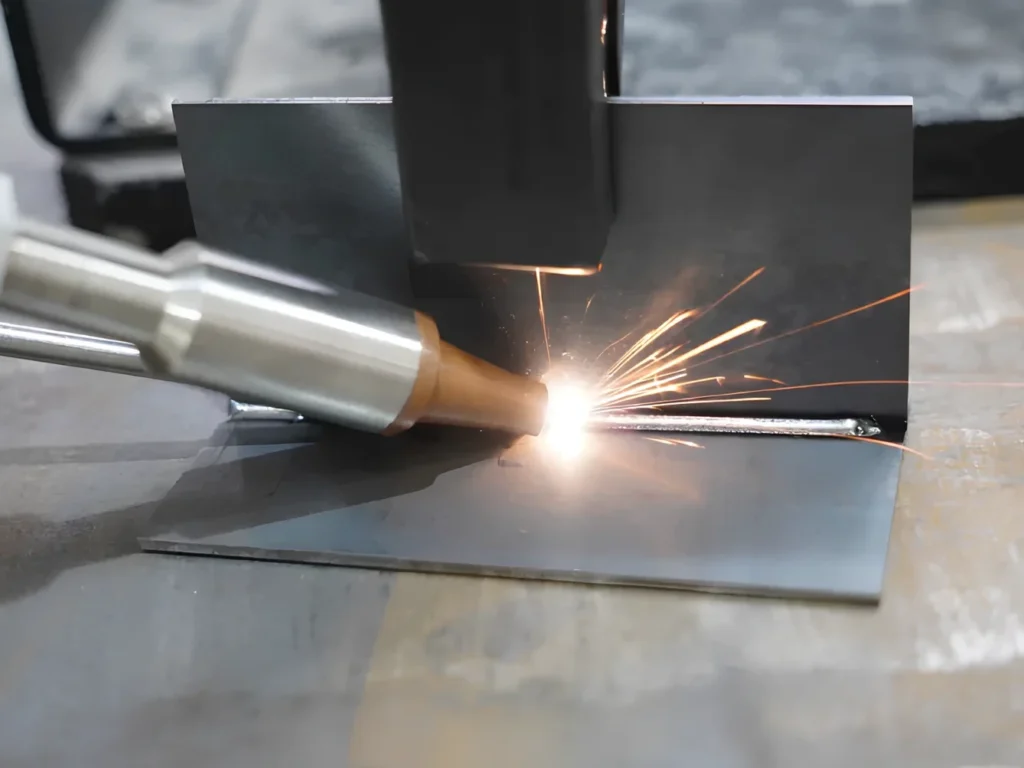
Thin Materials (0.5–3 mm)
For thin materials, both 2000W and 3000W machines can achieve excellent results, but 2000W systems offer better control and reduced risk of burn-through.
- Suitable for stainless steel sheets, enclosures, and precision parts
- Minimal heat distortion and clean weld seams
- Ideal for high-quality appearance requirements
Medium Materials (0.5–5.5 mm)
In medium thickness ranges, both systems are applicable, but 3000W machines provide faster welding speeds and improved efficiency.
- Common in structural components and machinery parts
- The balance between speed and quality becomes important
- 3000W improves productivity in batch production
Thick Materials (0.5–10 mm)
For thicker materials, 3000W machines become the preferred choice due to their higher penetration capability.
- Required for heavy-duty fabrication and load-bearing structures
- Ensures strong weld joints with fewer passes
- Reduces overall processing time
Welding Speed and Production Efficiency
Welding speed is a key factor affecting production throughput and operational efficiency. Higher power directly translates to faster processing, especially in thicker materials.
- 2000W Systems: Provide stable speed for small to medium production runs
- 3000W Systems: Significantly increase speed in continuous or high-volume operations
In large-scale manufacturing, the time saved per weld accumulates into substantial productivity gains.
Heat Input and Weld Quality
Heat input determines the size of the heat-affected zone (HAZ), which impacts material deformation and weld appearance. Proper power selection ensures an optimal balance between penetration and quality.
- 2000W Laser: Lower heat input, smaller HAZ, better for precision and thin materials
- 3000W Laser: Higher heat input, deeper penetration, suitable for structural strength
Choosing excessive power for thin materials may lead to deformation, while insufficient power for thick materials results in weak joints.
Cost Comparison: 2000W vs 3000W
Cost analysis should include both initial investment and long-term operational expenses. While higher power machines require more investment, they can deliver better returns in the right scenarios.
Initial Investment
- 2000W: Lower purchase cost, suitable for SMEs
- 3000W: Higher upfront cost due to increased power capacity
Operating Cost
- 2000W: Lower electricity consumption
- 3000W: Higher energy use but improved efficiency in large-scale production
Conclusion: 2000W is cost-effective for smaller operations, while 3000W offers better ROI for high-volume production.
Application
Laser welding used in different industries requires different welding capabilities, and power selection should be aligned with actual production conditions. Below are Kempson’s recommended application scenarios for 2000W and 3000W laser welding machines:
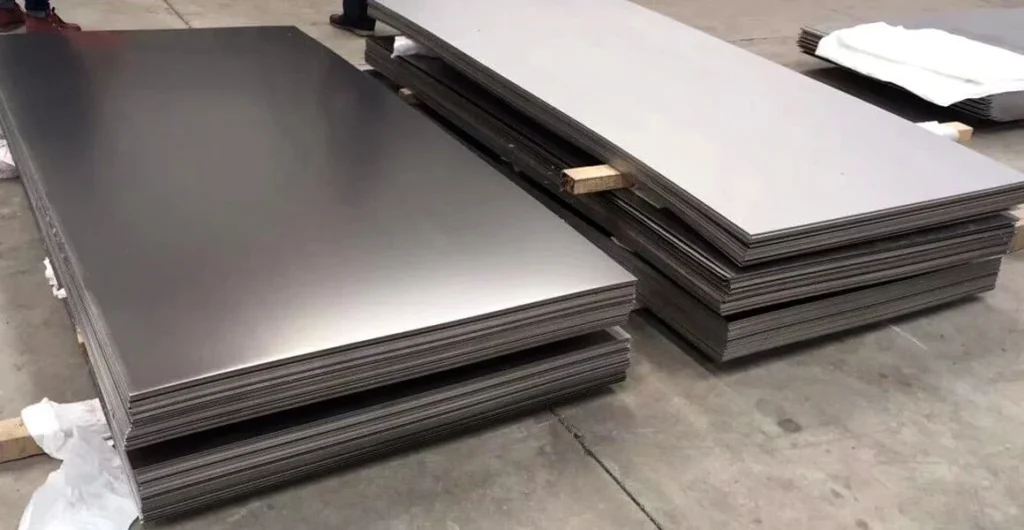
Sheet Metal Fabrication: Recommended 2000W laser welders, provide precise, cost-effective welding for thin sheet metal and enclosures.
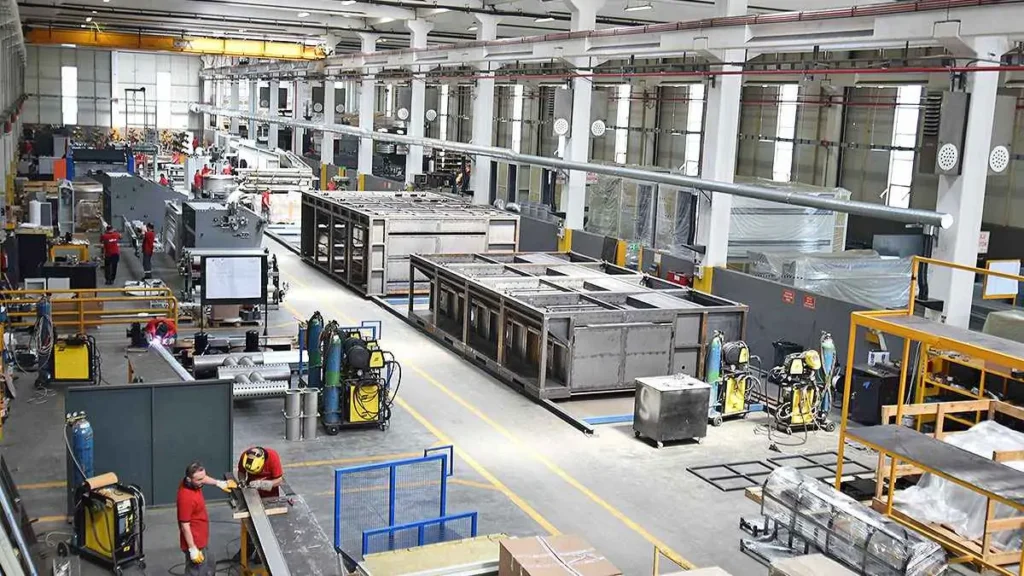
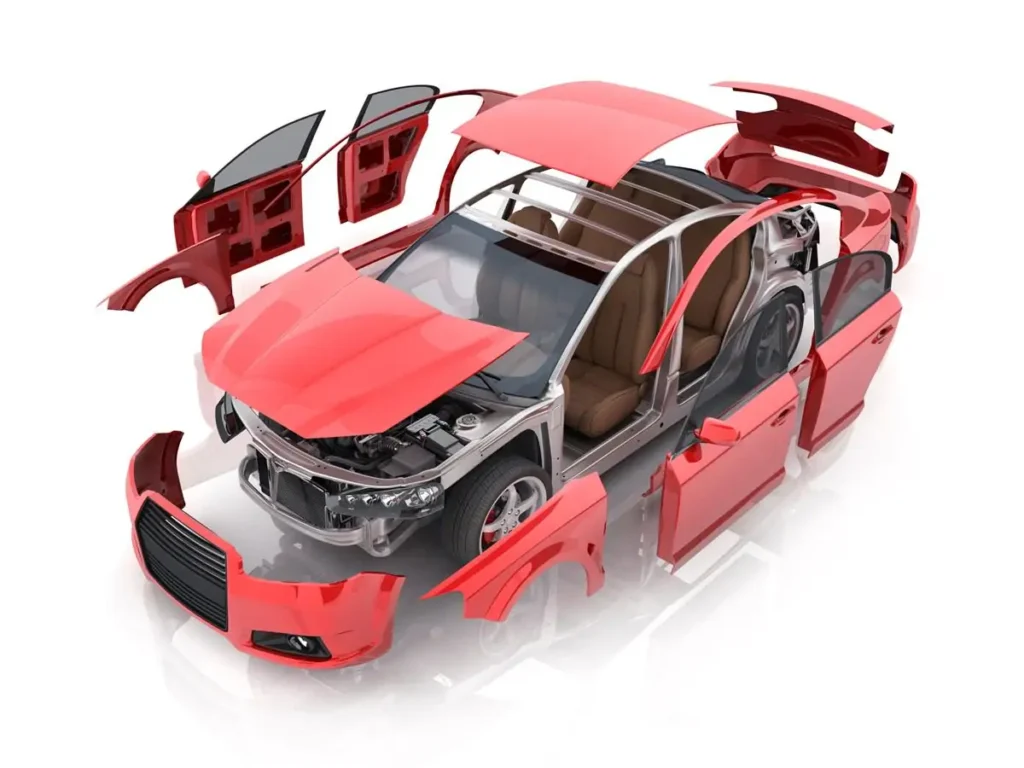
Automotive Manufacturing: Recommended 3000W systems deliver high-speed, strong welds for car body structures and chassis components.
Construction & Steel Structures: Recommended 3000W machines handle thick steel beams and heavy structural assemblies with deep penetration.
Appliance Manufacturing: Recommended 2000W welders ensure clean, aesthetic welds on thin panels and home appliance components.
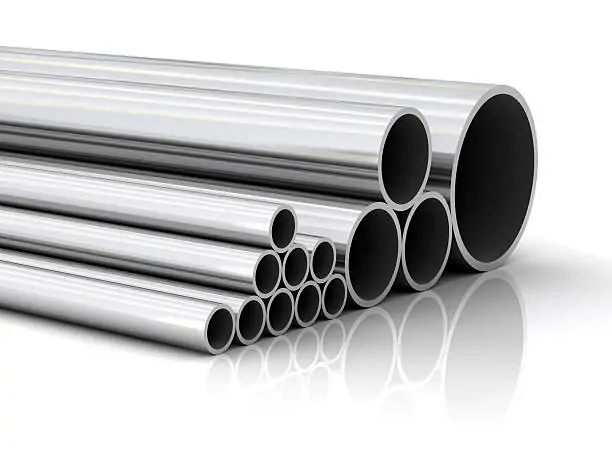
Maintenance & Repair: Recommended 2000W portable laser systems offer flexible on-site welding for equipment and structural repairs.
Case Studies:Aluminum Floor Panel Fabrication – 2000W Laser Welding
Customer Challenge:
Junan County Xinan Light Steel Machinery faced repeated welding issues on aluminum floor panels for refrigerated trucks. Traditional welding caused poor weld seam sealing and significant thermal deformation, compromising low-temperature insulation and requiring time-consuming post-weld grinding.
Kempson Solution:
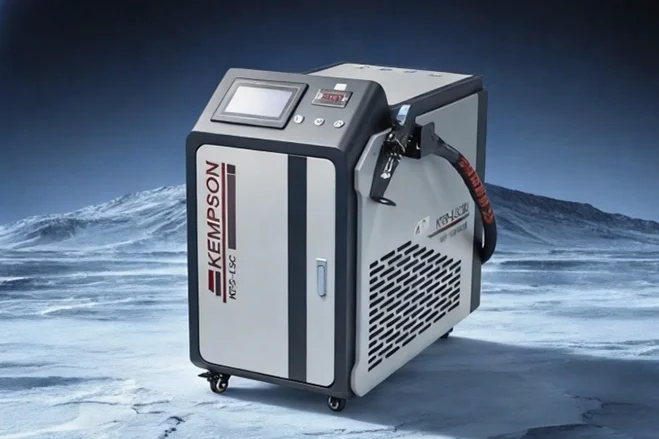
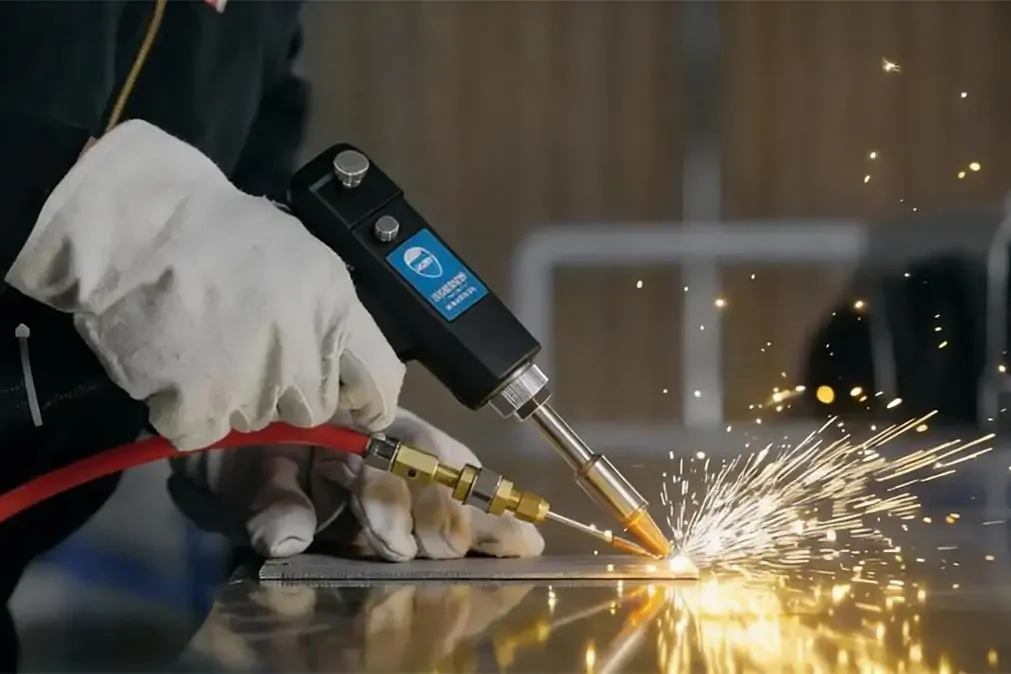
The KPS-LHW2000 2000W water-cooled aluminum laser welding machine precisely controls weld width (1.5–5.5mm) for sheets up to 4.5mm, ensuring consistent sealing performance. Its advanced automatic wire feeding, 5.2kW water-cooling, compact design, and intuitive interface enable continuous, stable production with minimal consumable costs.
Outcome:
Xinan Light Steel achieved fully sealed, high-quality welds without secondary grinding, dramatically improving production efficiency while maintaining low-temperature insulation standards.
CTA: Discover Kempson Aluminum Laser Welding Solutions →
Integration with Modern Manufacturing Systems
Modern production increasingly relies on automation and integrated workflows, where laser welding systems must be compatible with robotic arms, conveyors, and digital control systems. For example, a 3-in-1 laser welding machine that integrates welding, cleaning, and cutting functions can significantly improve workspace utilization and operational efficiency.
Many manufacturers are also adopting multifunctional systems to reduce equipment redundancy. For example, a 3-in-1 laser welding machine that integrates welding, cleaning, and cutting functions can significantly improve workspace utilization and operational efficiency.
Such integrated solutions are particularly valuable for companies aiming to streamline production while maintaining high process quality.
Common Challenges and Practical Considerations
Despite their advantages, laser welding systems require proper setup and parameter optimization to achieve optimal performance. Common challenges include joint gap control, surface preparation, and parameter tuning.
- 2000W systems are easier to control and more forgiving for beginners
- 3000W systems require stricter parameter control to avoid defects
FAQS
1. Is 3000W always better than 2000W?
A 3000W laser welding machine is not automatically better than a 2000W system. The choice depends on material thickness, production volume, and weld quality requirements. For thin sheets or precision parts, 2000W often provides better control and reduced heat distortion. For thicker metals or high-volume industrial fabrication, 3000W offers faster penetration and higher throughput, making it more suitable for large-scale production.
2. Can a 2000W laser welder handle thick steel?
A 2000W laser welding machine can weld medium-thickness steel, but its efficiency decreases as material thickness increases. For steel above 6 mm, multiple passes or slower welding speeds may be required to achieve strong, defect-free joints. In such cases, a 3000W machine is preferable for better penetration and reduced cycle time, especially for automotive, construction, or heavy machinery applications.
3. How does laser power affect weld quality?
Laser power directly influences penetration depth, heat input, and the heat-affected zone. Using too low power on thick materials may result in weak joints or incomplete fusion, while excessive power on thin sheets can cause burn-through or warping. Correct power selection, combined with proper welding parameters, ensures strong, smooth welds, minimal distortion, and consistent results for industrial and on-site applications.
4. Which system is more energy-efficient?
A 2000W laser welding machine consumes less electricity, making it ideal for small workshops and low-to-medium volume production. While a 3000W system has higher energy usage, it can be more efficient in large-scale operations due to faster welding speeds and reduced processing time. Evaluating total cost of ownership, including energy, maintenance, and labor, is critical for long-term production efficiency.
5. What materials can 2000W and 3000W welders process?
Both 2000W and 3000W fiber laser welders are suitable for metals such as stainless steel, carbon steel, aluminum, and certain alloys. The 2000W system excels at thin to medium materials, ensuring precision and low heat distortion. The 3000W system handles medium to thick metals efficiently, producing deep, strong welds for industrial components, automotive parts, and steel structures. Material type and thickness should guide power selection.
6. Are portable laser welders suitable for on-site repair?
Yes, 2000W portable laser welding machines are ideal for on-site maintenance and repair. Their lightweight, compact design allows operators to perform welding on pipelines, molds, or structural components without moving heavy equipment. While 3000W systems are better for stationary, high-volume production, 2000W portable units provide flexibility, precision, and reliable performance for field repairs in construction, industrial maintenance, and equipment servicing.
7. How do I choose between 2000W and 3000W for my industry?
Selecting the right laser welder depends on your material thickness, production volume, and application type. For thin sheets, precision parts, or maintenance work, a 2000W system is cost-effective and easy to control. For thick materials, heavy fabrication, or high-speed industrial production, a 3000W machine provides faster throughput and stronger welds. Consulting with experts like Kempson ensures optimal selection for your specific manufacturing environment.
Conclusion
The choice between a 2000W and 3000W laser welding machine ultimately depends on your production priorities, material requirements, and long-term growth plans. A 2000W system offers excellent precision and cost efficiency for thin to medium materials, while a 3000W system provides the speed and power needed for high-volume and heavy-duty applications.
For manufacturers looking to stay competitive, the key is not simply choosing higher power, but selecting the right configuration that aligns with real operational needs.
Looking for the right laser welding solution?
Kempson provides customized recommendations, application analysis, and turnkey solutions to help you maximize efficiency and return on investment. Contact us today to discuss your project requirements.