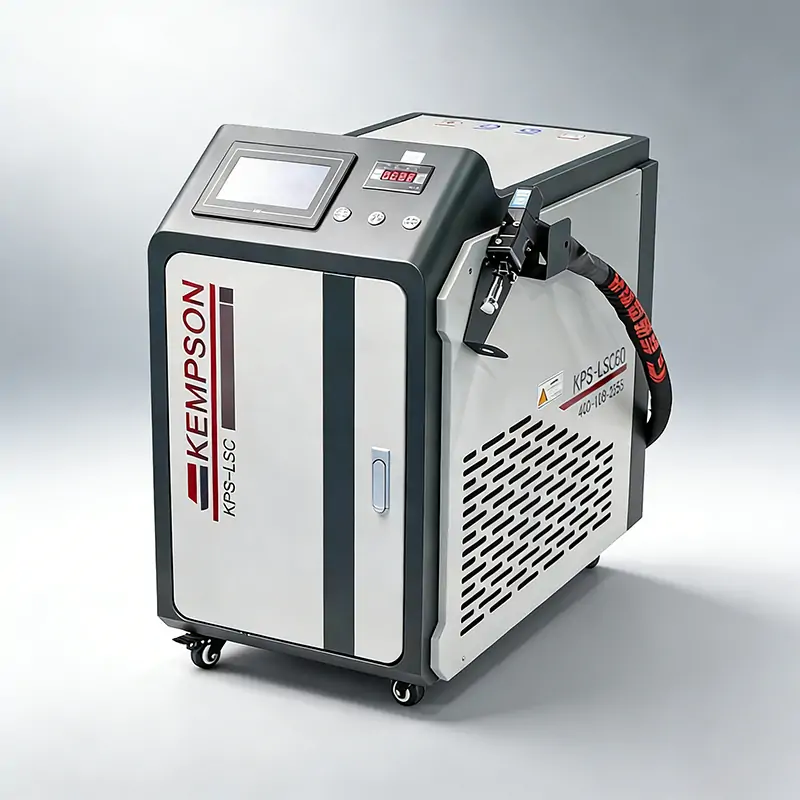
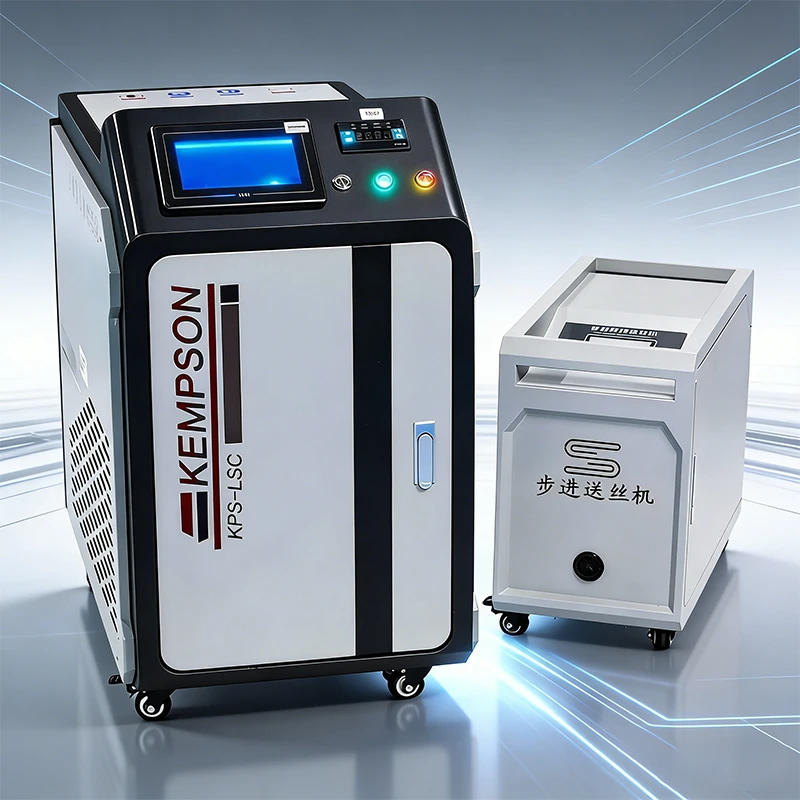
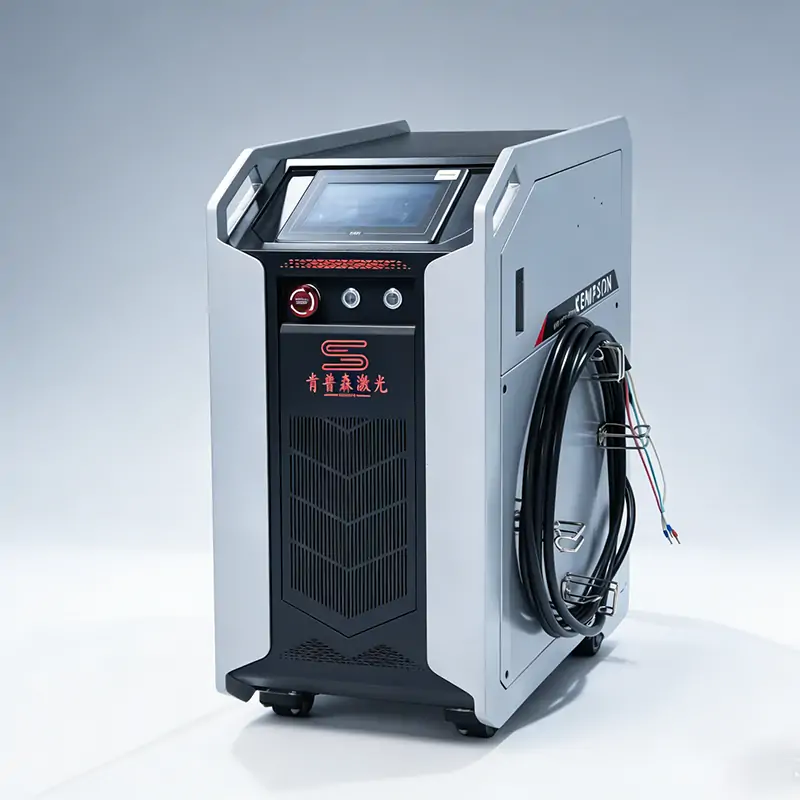
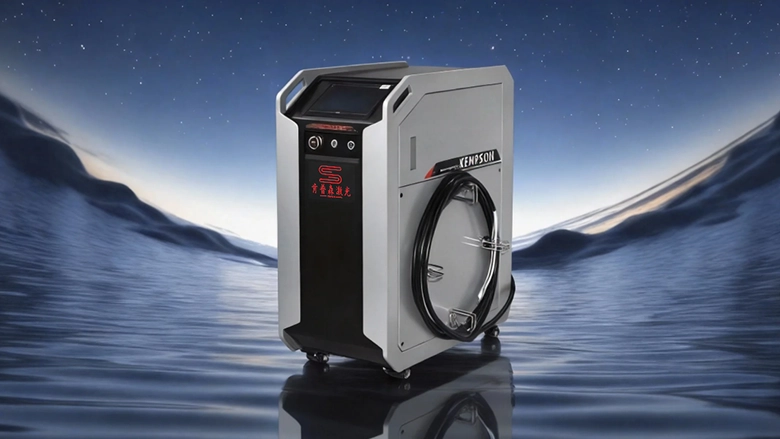
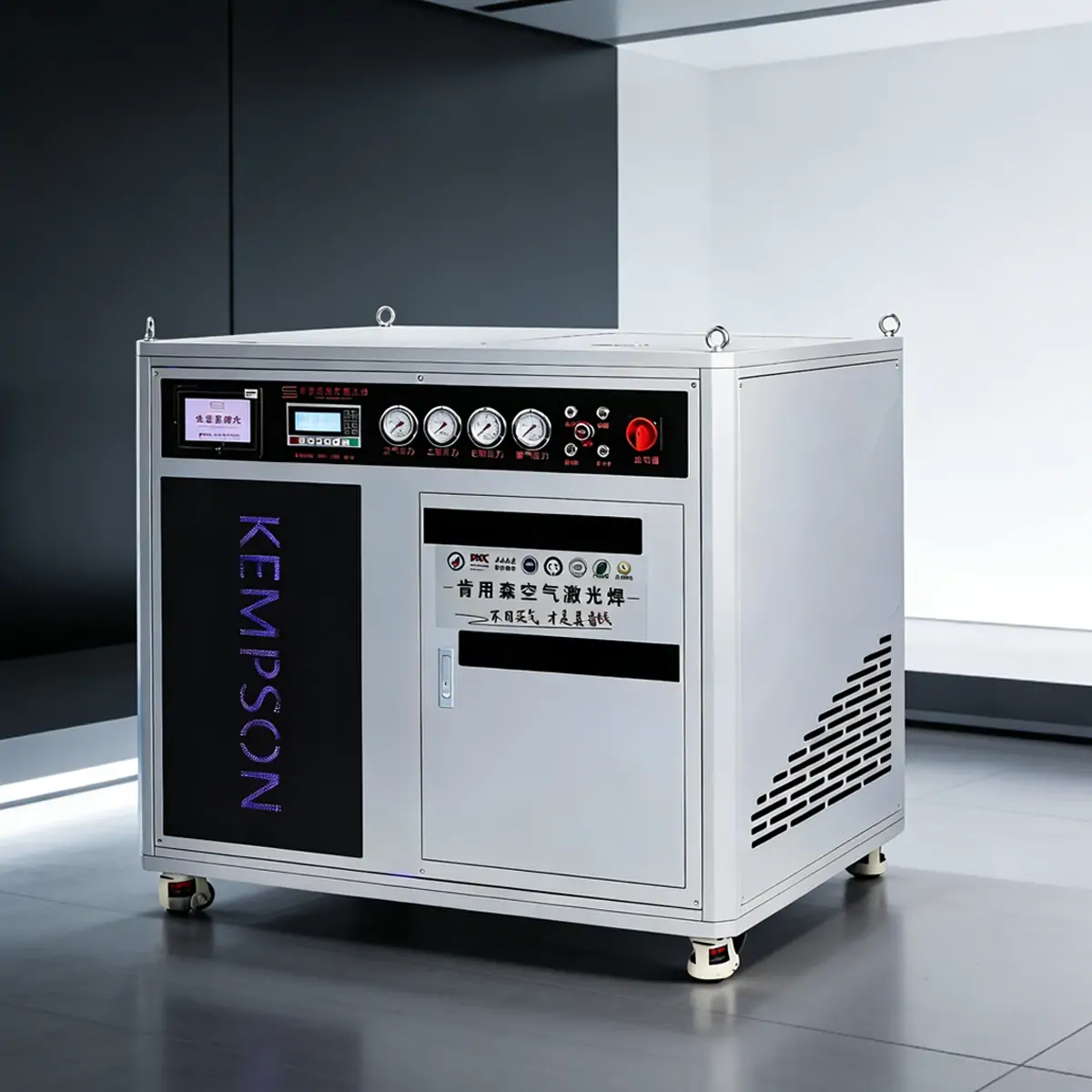
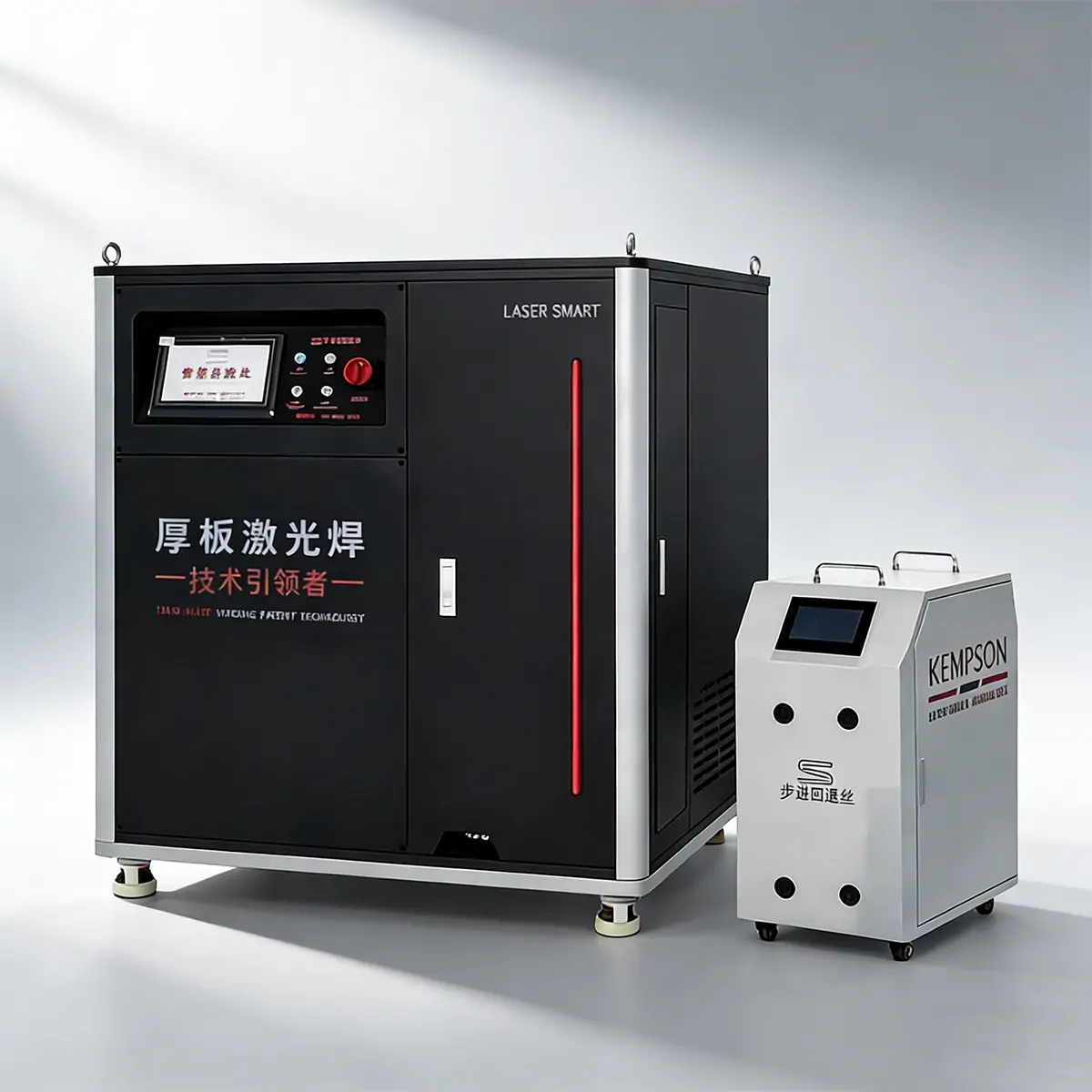
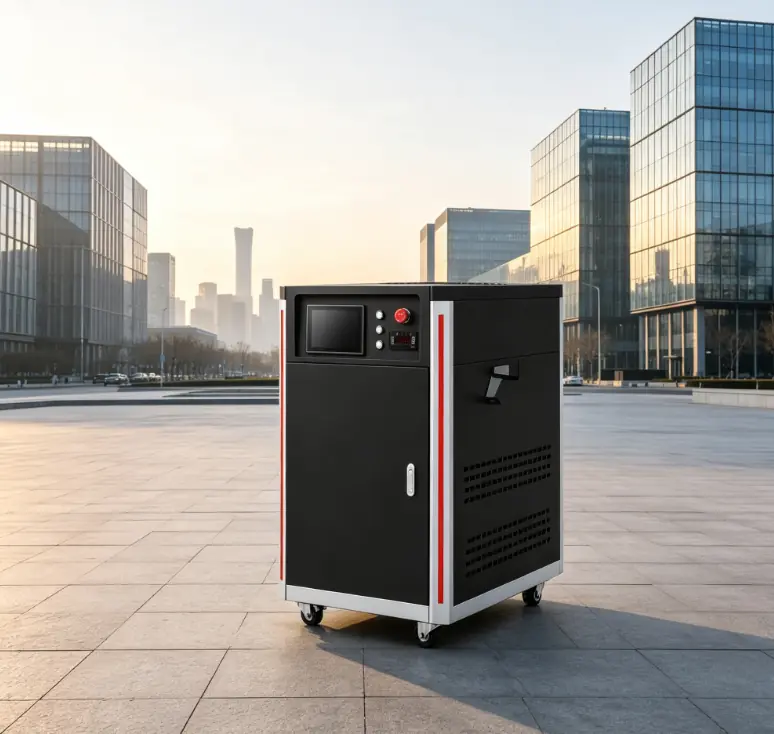
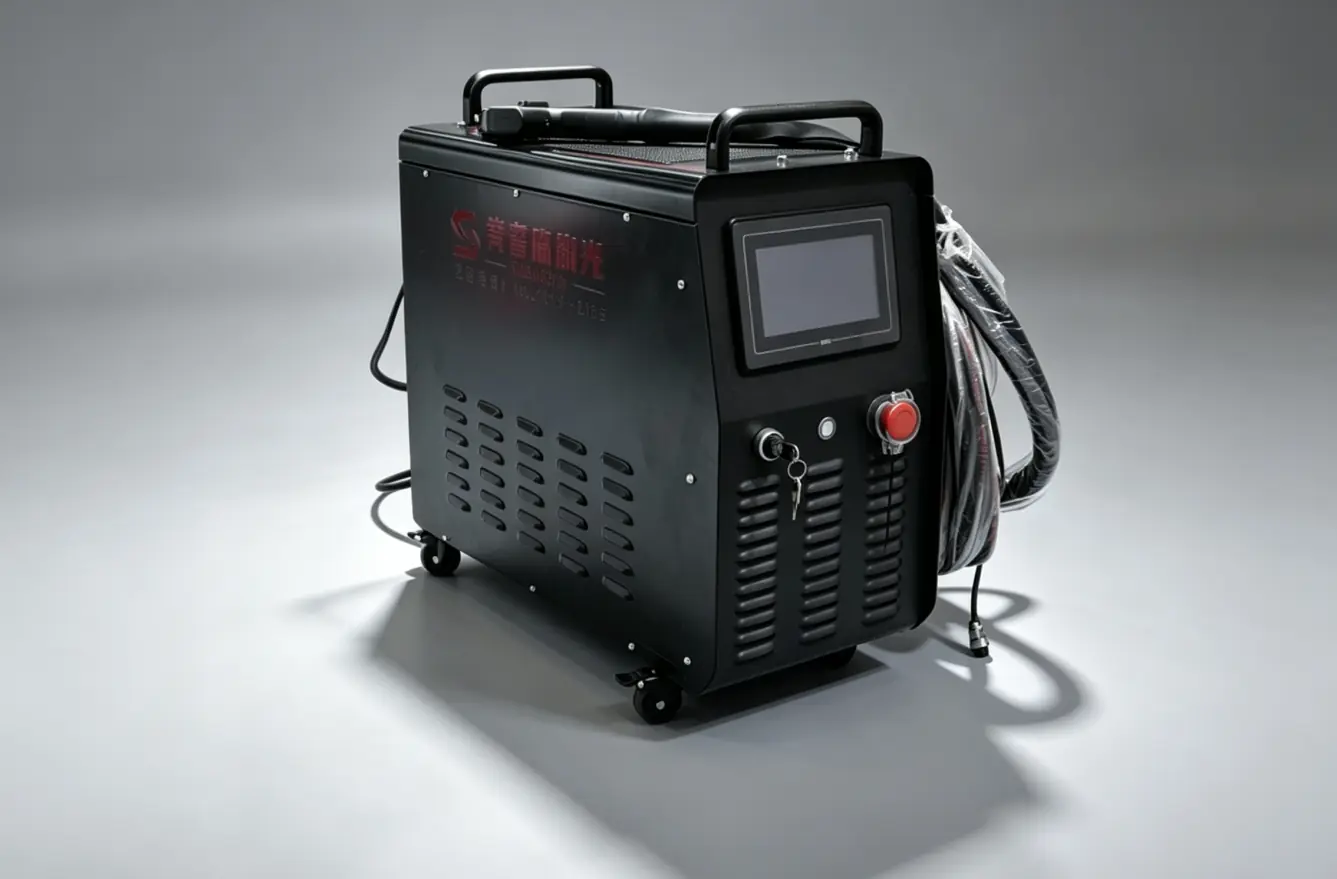
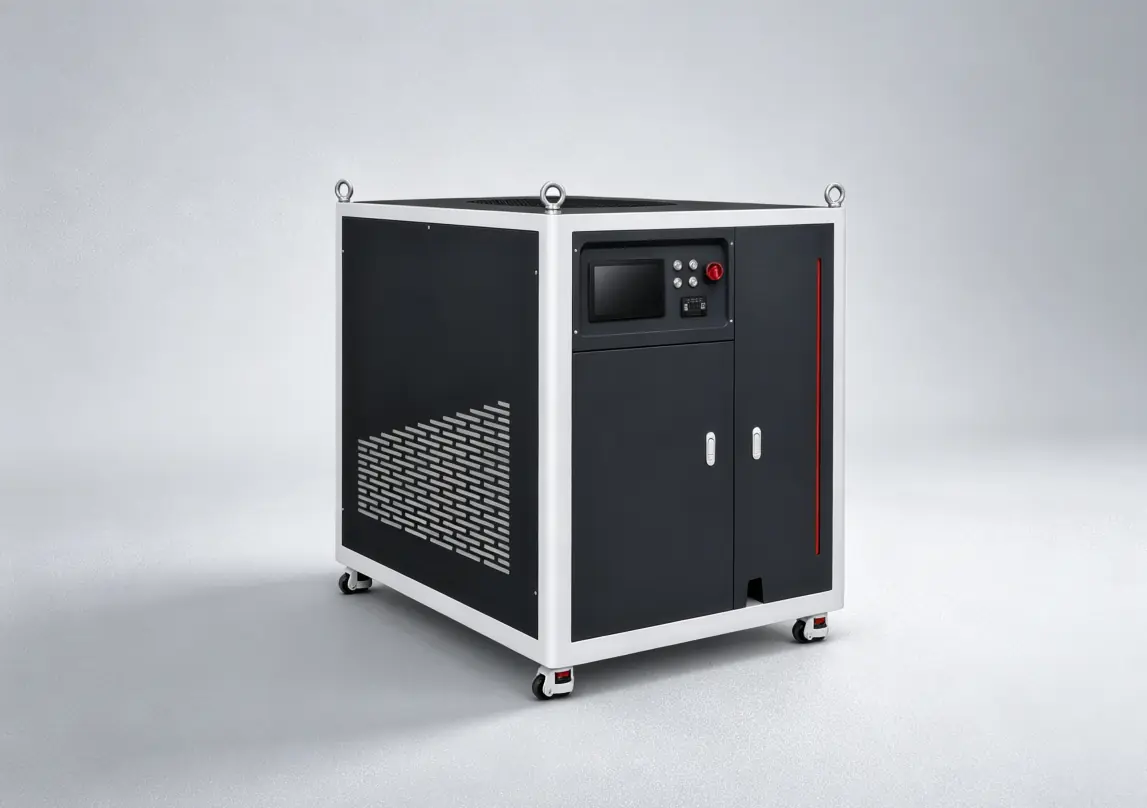
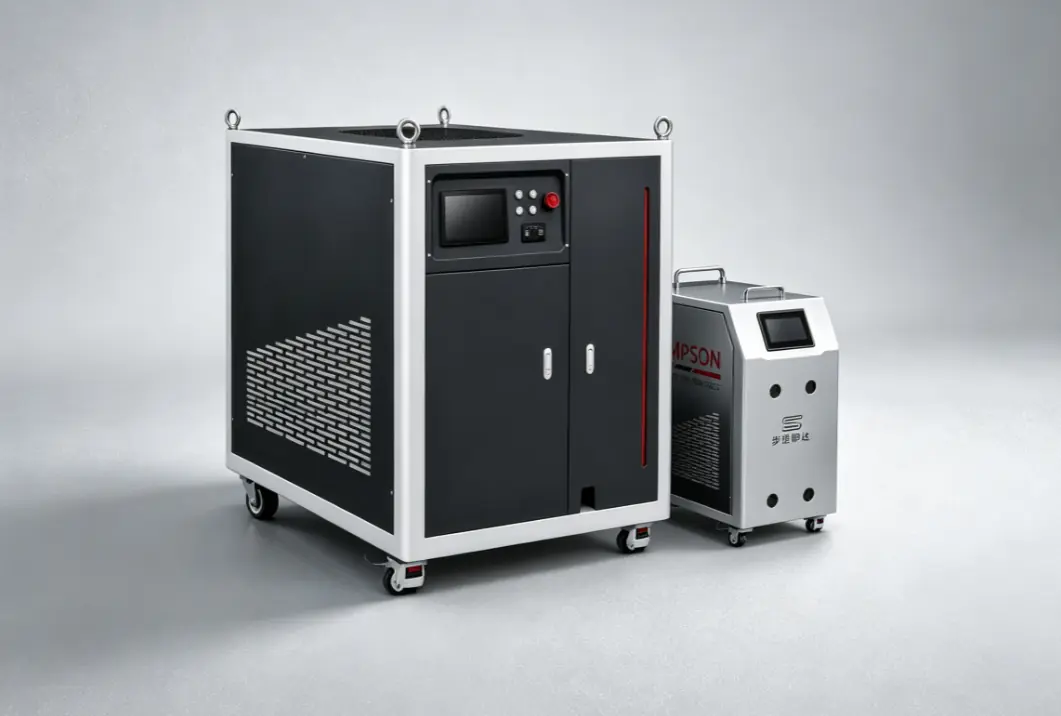
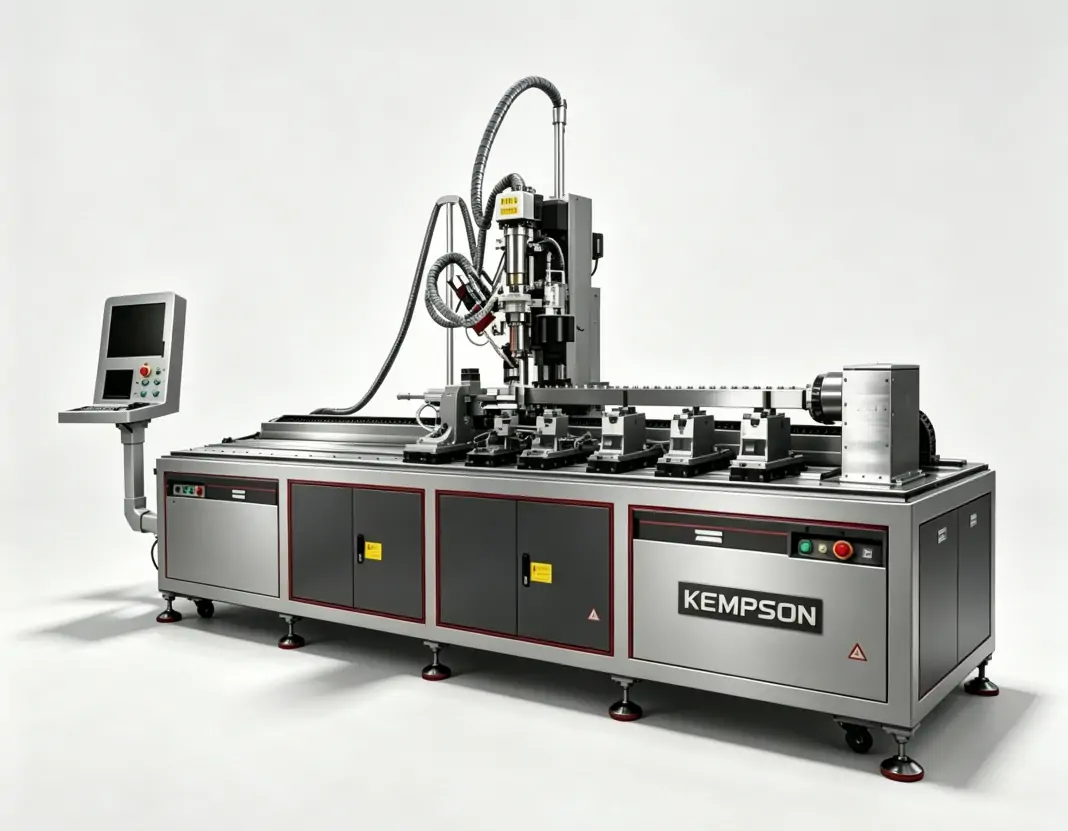
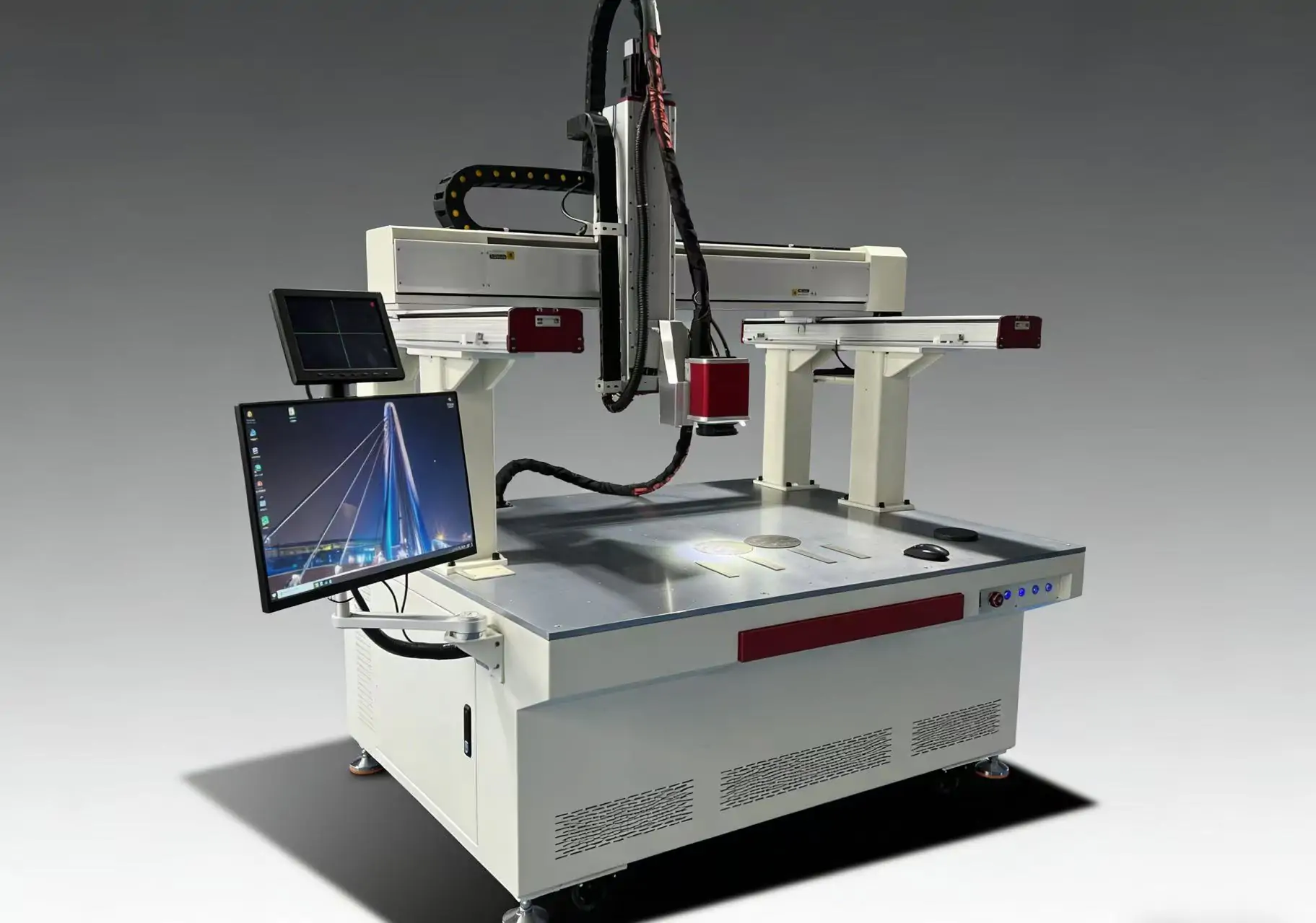
KEMPSON manufactures fiber laser welding machines for industrial metal joining, with models for handheld operation, air-cooled welding, water-cooled systems, and automated production. Available configurations cover different laser power levels, workpiece sizes, and welding requirements across industrial manufacturing.
These machines are used in metal fabrication, automotive parts production, stainless steel product processing, machinery manufacturing, and metal enclosure fabrication. Material type, thickness, joint design, and production volume determine the appropriate laser power and machine configuration.
As a fiber laser welding machine manufacturer and supplier, KEMPSON offers standard equipment and customized welding systems for specific production requirements. Options include different power ratings, wire feeding configurations, cooling methods, and automation arrangements, subject to the selected model and application.
KEMPSON provides a 3-year machine warranty and localized after-sales service in 22 countries. Customers can contact our team to discuss workpiece requirements, request welding sample tests, and obtain a suitable machine configuration for their production needs.
KEMPSON fiber laser welding machines are grouped into three categories based on equipment structure, level of automation, and specific welding requirements: handheld fiber laser welding machines for flexible manual operations, automatic fiber laser welding machines for repeatable production tasks, and specialized laser welding systems for applications requiring dedicated beam configurations or high-power processing.
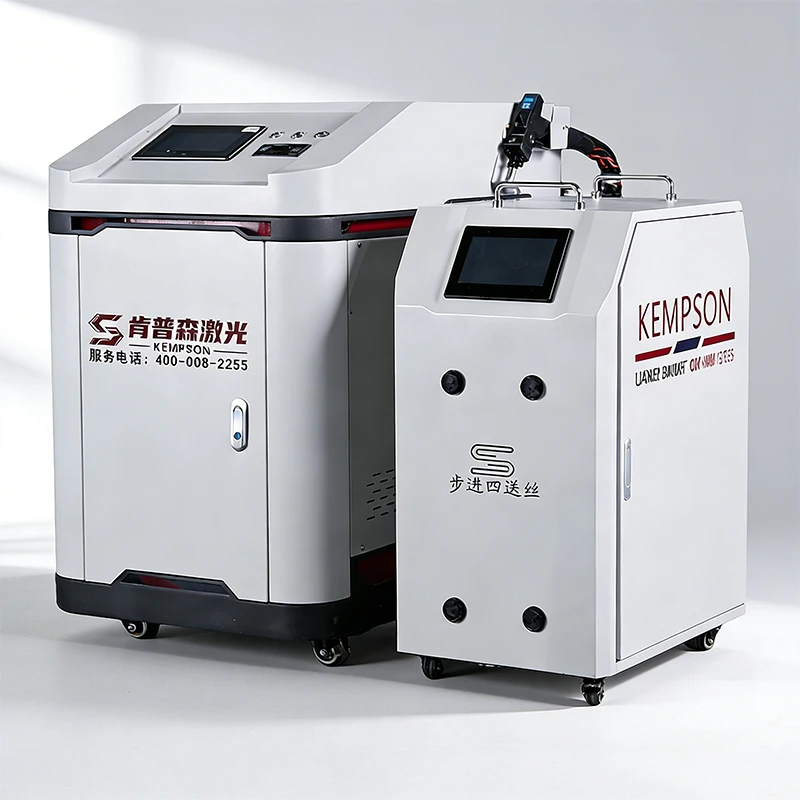
KEMPSON handheld fiber laser welding machines are available in air-cooled, water-cooled, and multi-function configurations. The 1000W–6000W product range covers different metal fabrication requirements, from thin sheet welding to higher-power industrial applications. Select the machine according to material type, thickness, joint design, and required welding capacity.
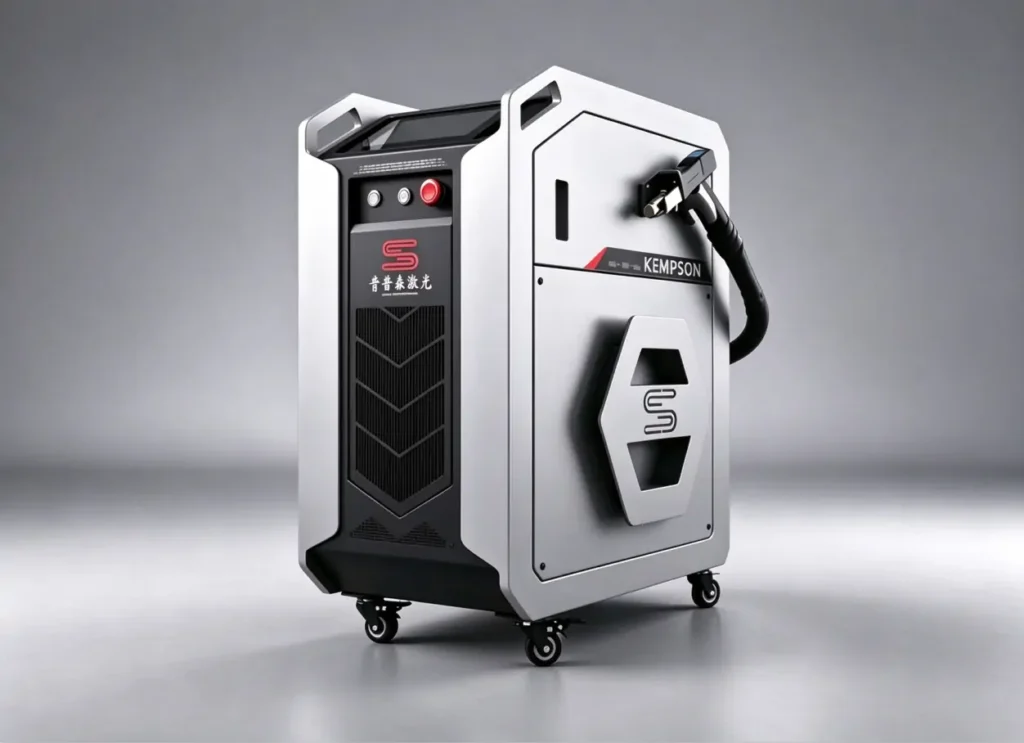
Compact equipment for sheet metal fabrication, metal enclosures, stainless steel products, and on-site welding work.
Designed for workshop welding and production tasks requiring a water-cooled laser source. Available welding capacity depends on the selected power rating and material.
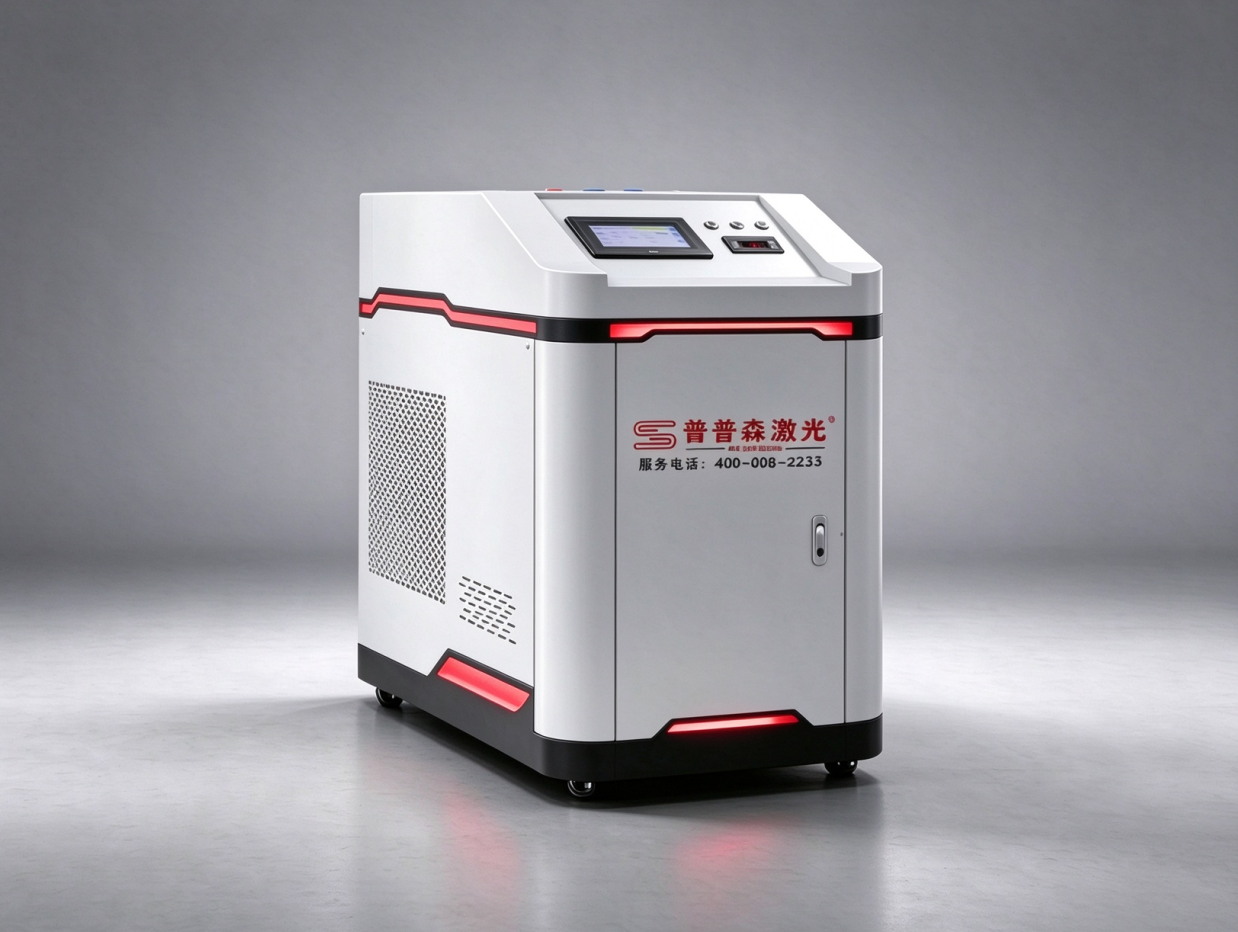
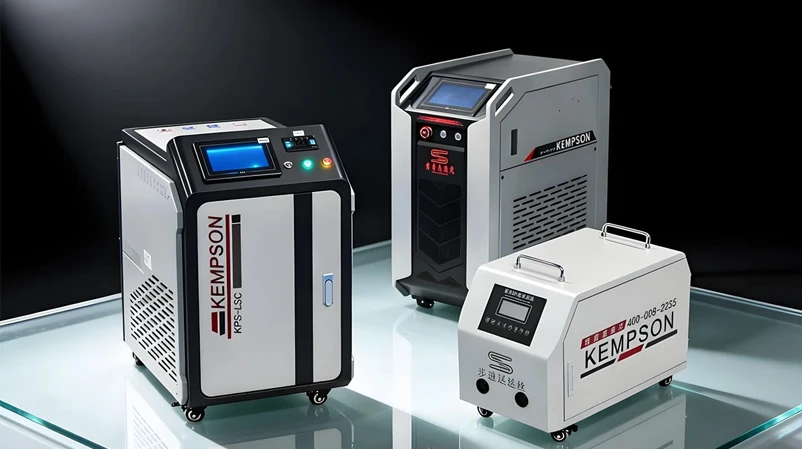
Combines multiple metal-processing functions in one system. Confirm the included functions and operating specifications for the selected configuration before ordering.
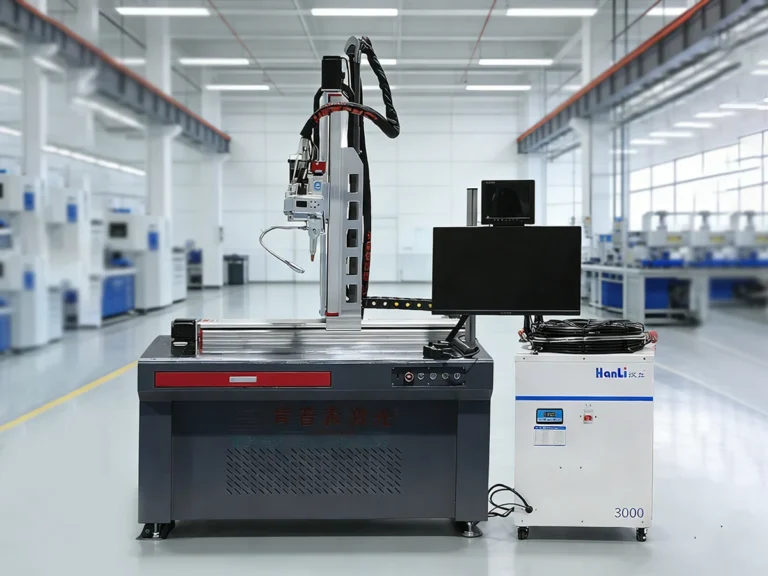
KEMPSON automatic fiber laser welding machines are designed for repeatable welding operations on metal components. System configuration can include a CNC motion platform, dedicated fixtures, and a customized welding path. Selection depends on workpiece dimensions, weld geometry, positioning accuracy, and production volume.
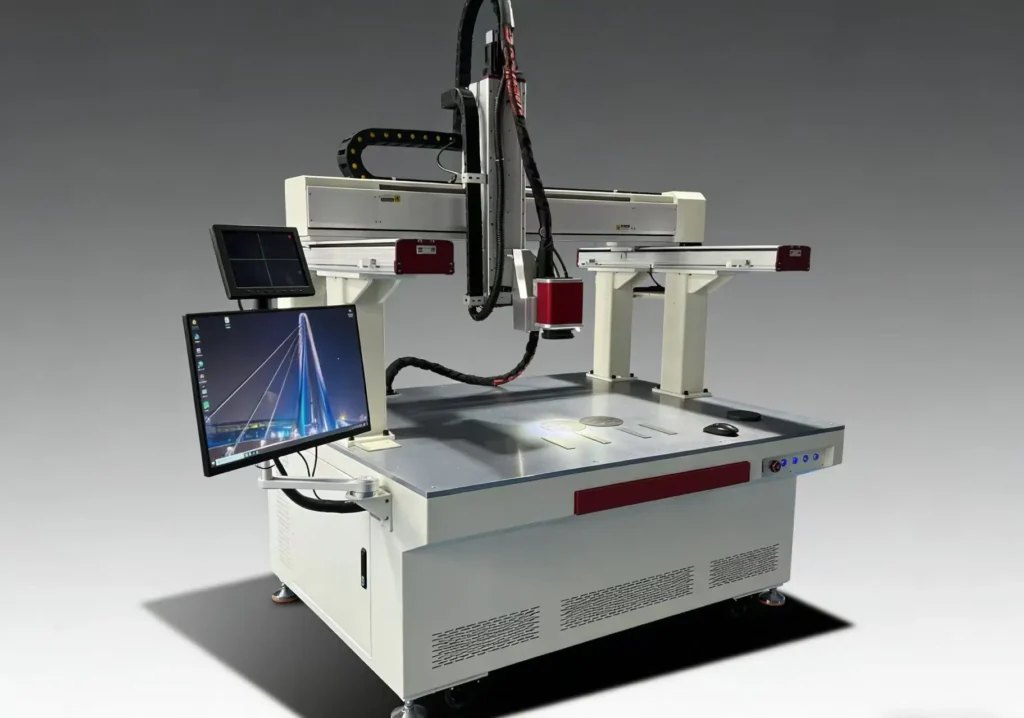
Suitable for components requiring programmed welding paths and repeatable positioning.
Configured around the part geometry, welding sequence, and required production cycle. Fixture design and motion arrangements are specified for the project.
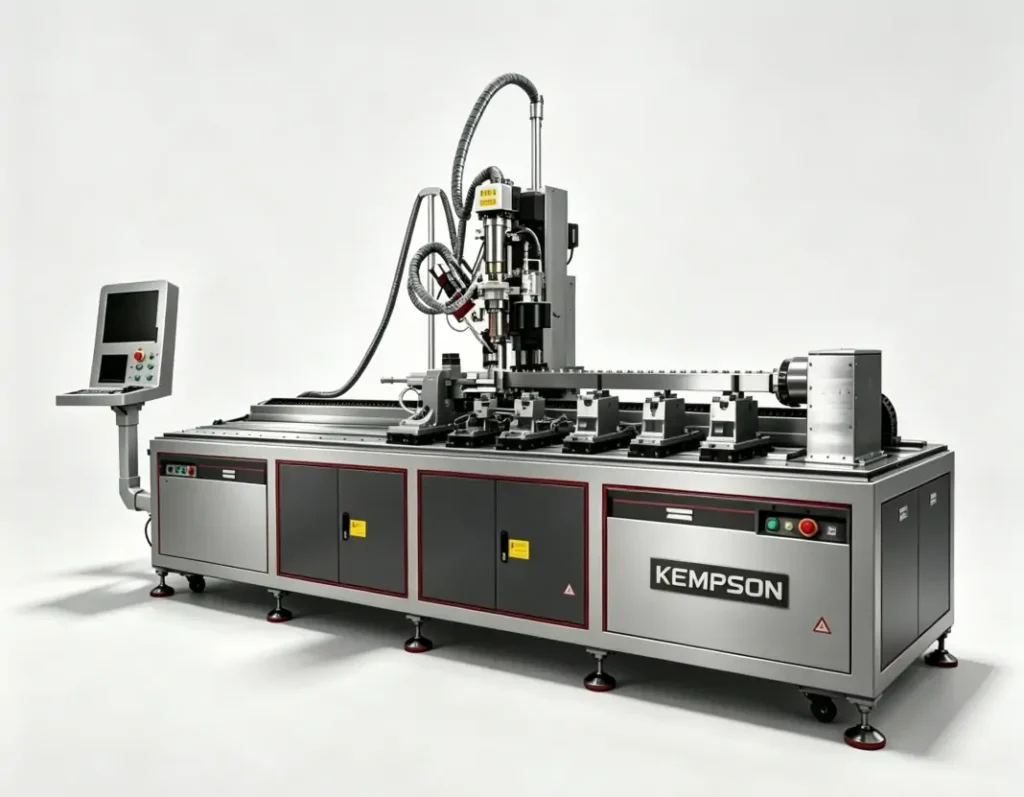
A specialized solution for water manifolds and similar components with defined weld locations. The fixture and welding process are configured around the part design.
KEMPSON specialized laser welding systems address applications requiring specific beam configurations, higher laser power, or process control beyond standard handheld welding. Model selection should be based on material thickness, joint structure, magnetic conditions, and welding test results.
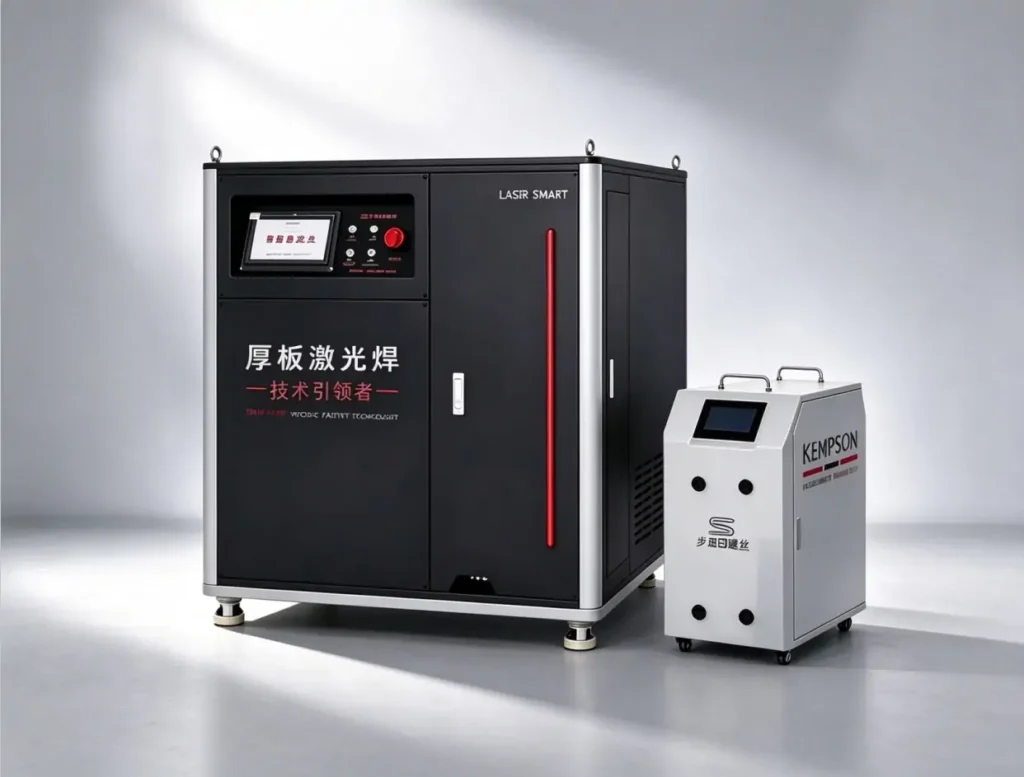
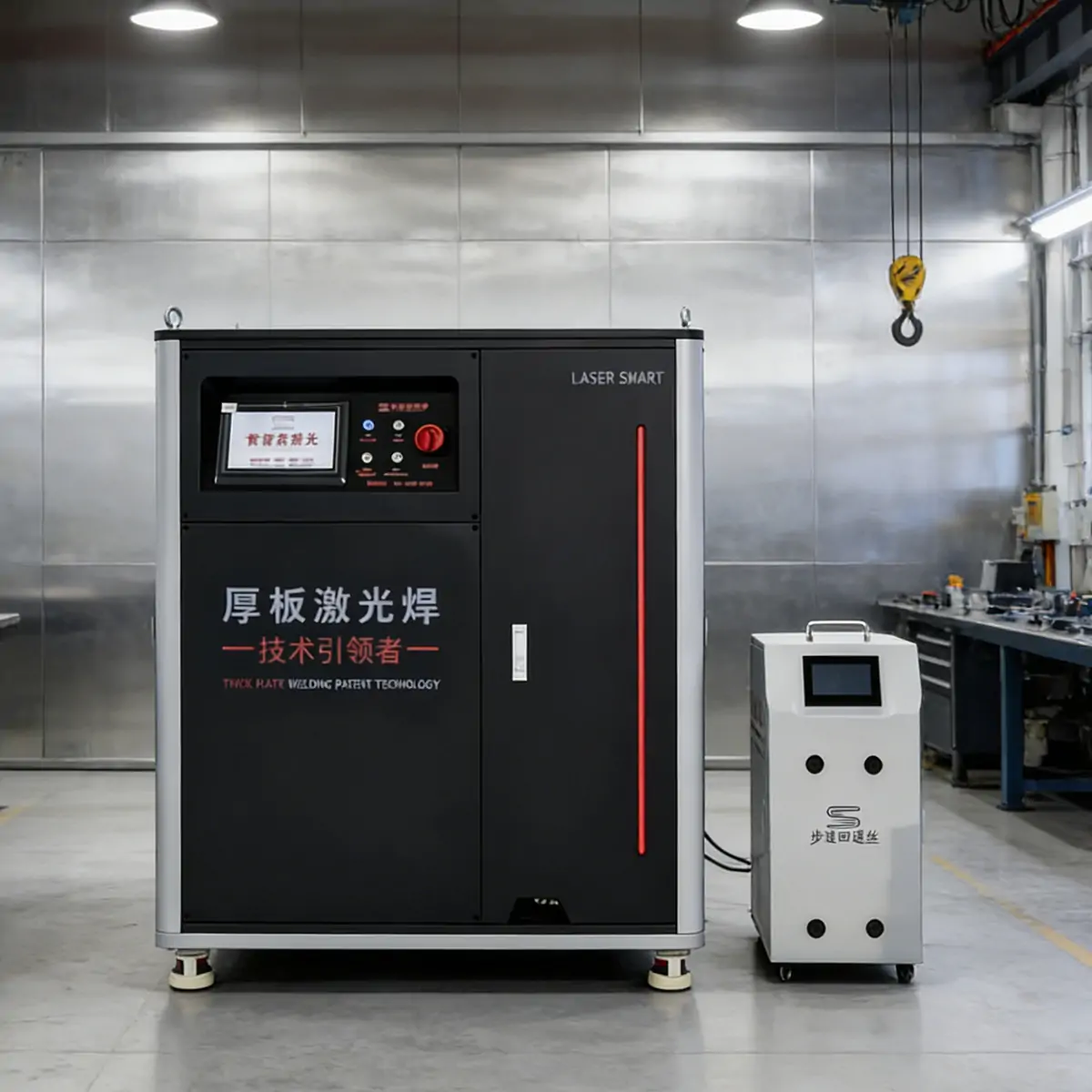
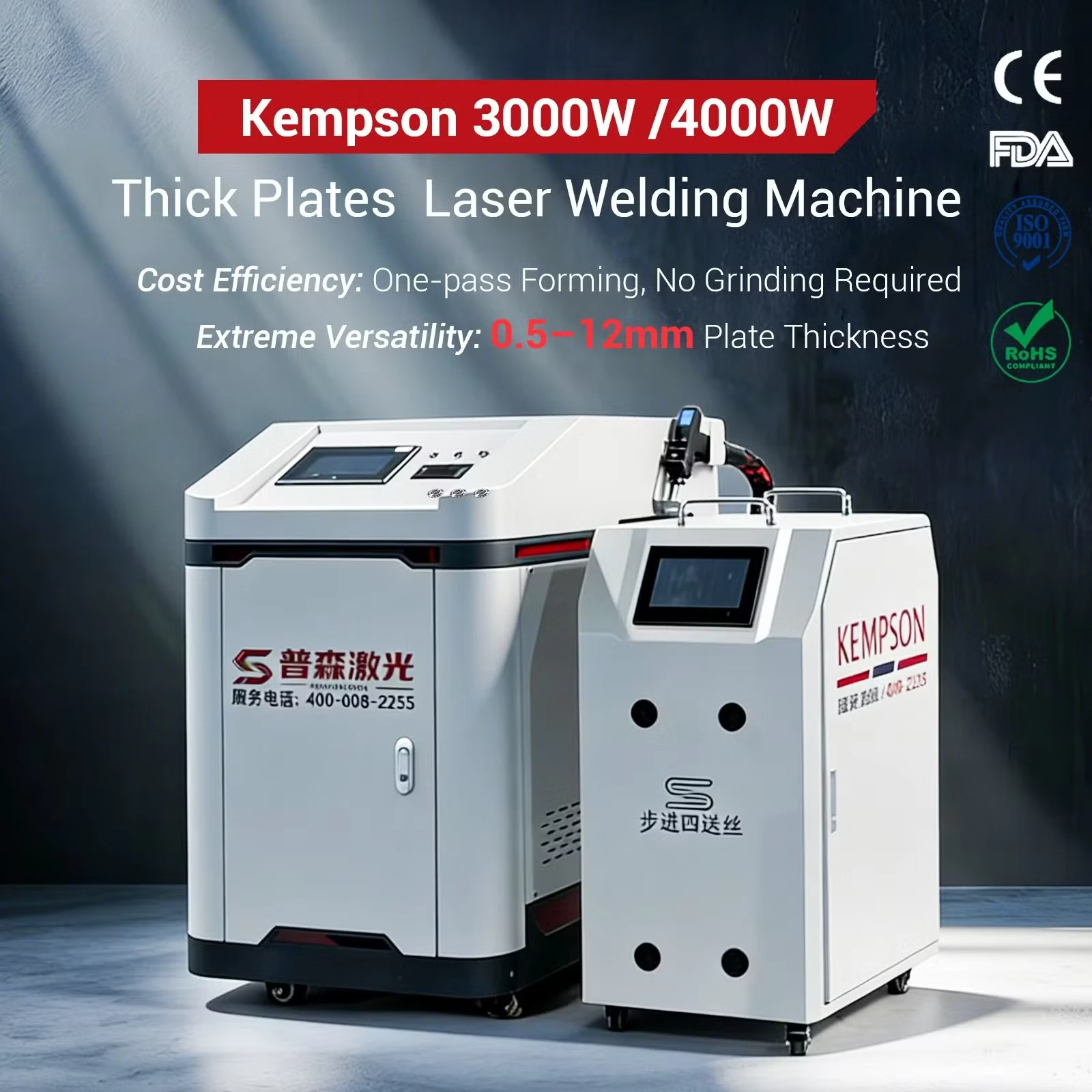
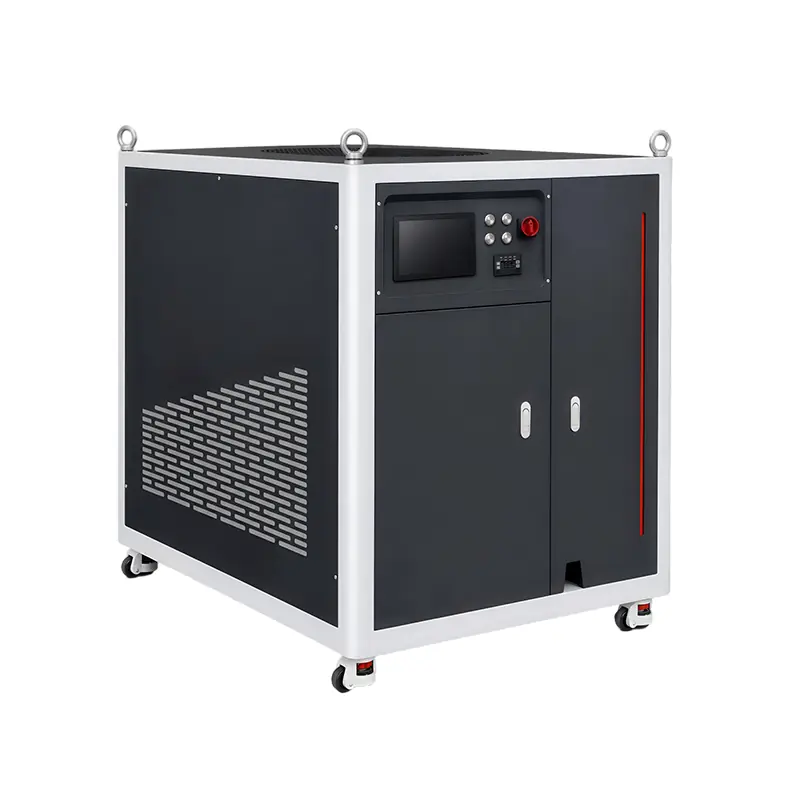
The KEMPSON 4000W Air Laser Welding Machine is designed for thick-plate welding and heavy-duty metal fabrication. It supports multi-wire feeding and features a built-in shielding gas generation system for welding carbon steel, stainless steel, and aluminum alloy.
Uses a core-ring beam configuration for applications requiring control of weld formation and heat input. Suitable settings depend on the workpiece material, thickness, and joint geometry.
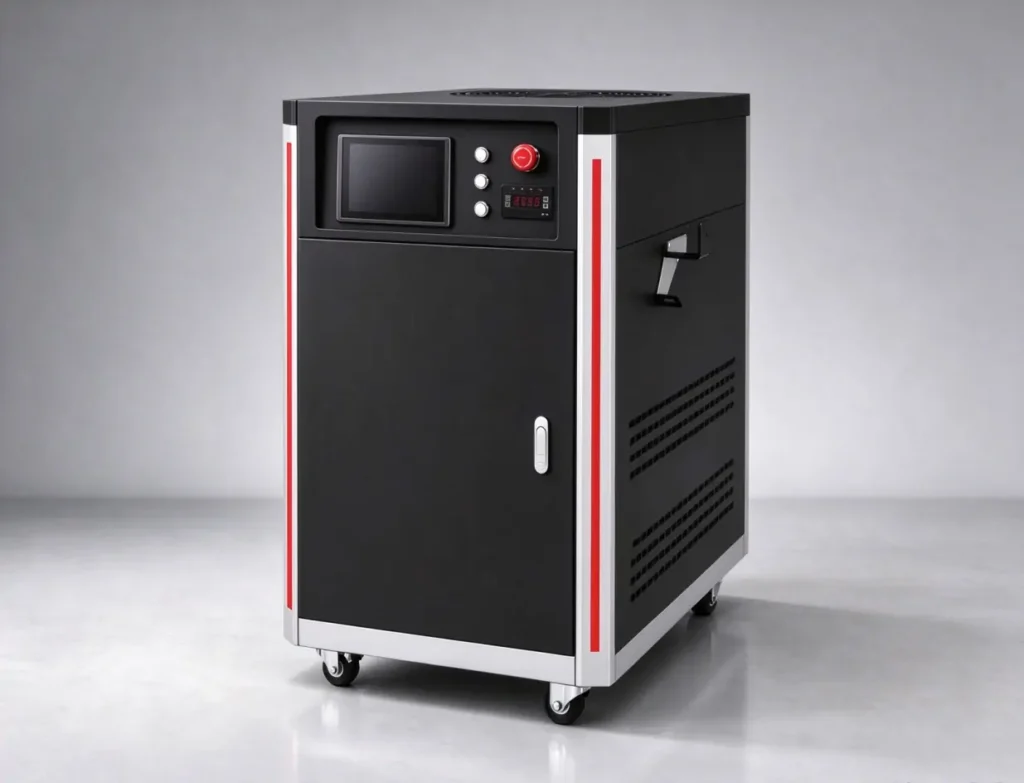
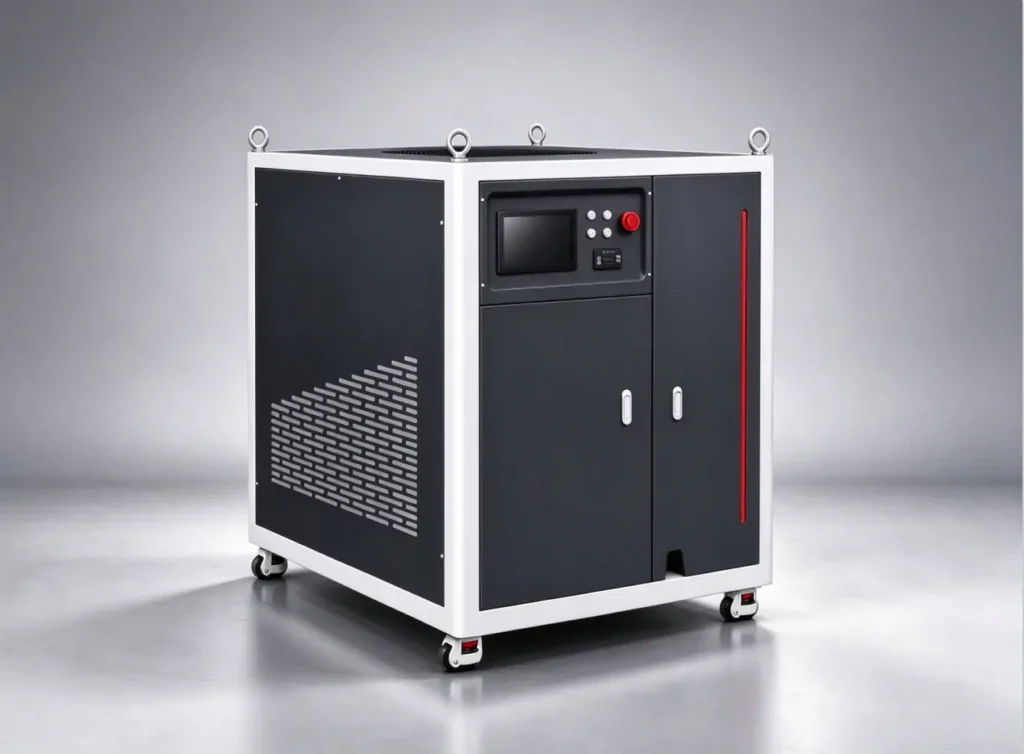
Developed for specified welding conditions where magnetic interference is a concern. Confirm the applicable magnetic field range and operating conditions with the manufacturer.
To learn more about the working principles, types, applications, and buying guide for fiber laser welding machines, please refer to this detailed article: What is Fiber Laser Welding Machine? How It Works, Types, Applications & Buying Guide
Handheld fiber laser welding machines can weld a wide range of metals with high precision and minimal heat distortion. They are particularly suitable for materials with thicknesses of 0.5 – 12mm, commonly used in industrial manufacturing. The maximum welding thickness depends on the laser power, with higher-power machines providing deeper penetration and stronger welds.
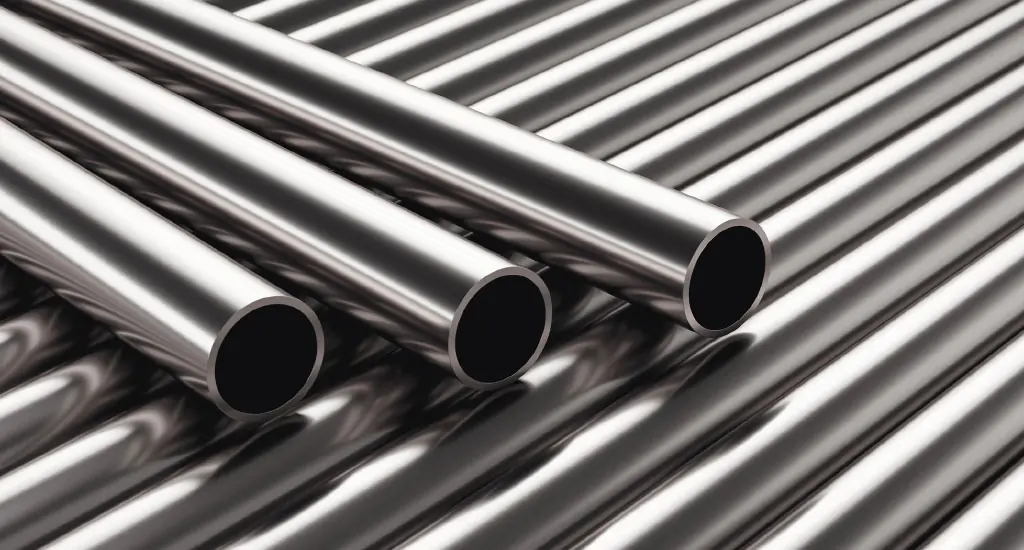
Suitable for approximately 0.5–10 mm thickness, fiber laser welding produces clean, narrow weld seams with a small heat-affected zone, making it ideal for stainless steel structures, food equipment, and pressure vessel components. To learn more about the equipment, see: Laser Welding Machine for Stainless Steel
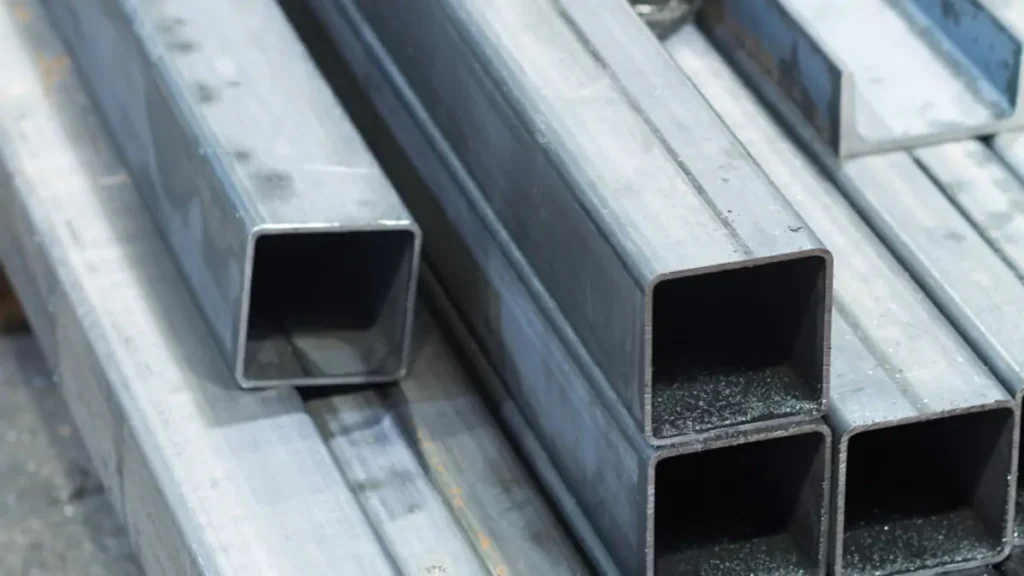
Applicable for 0.5–12 mm thickness, fiber laser welding ensures deep and consistent penetration with strong joint strength, widely used in construction machinery, metal fabrication, and steel structural parts. To learn more about the equipment, see: Laser Welder for 12mm Carbon Steel
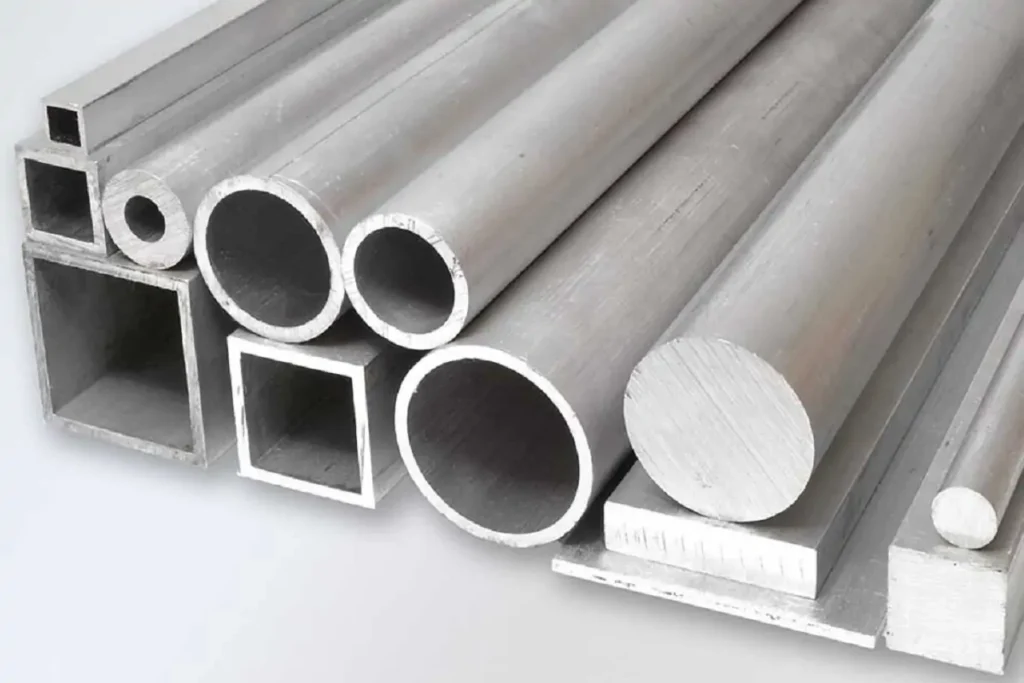
Suitable for 0.5–8 mm thickness, optimized laser parameters help reduce porosity and deformation, enabling stable, high-quality welds for automotive parts, lightweight frames, and aluminum products. To learn more about the equipment, see: Aluminum Laser Welding Machine
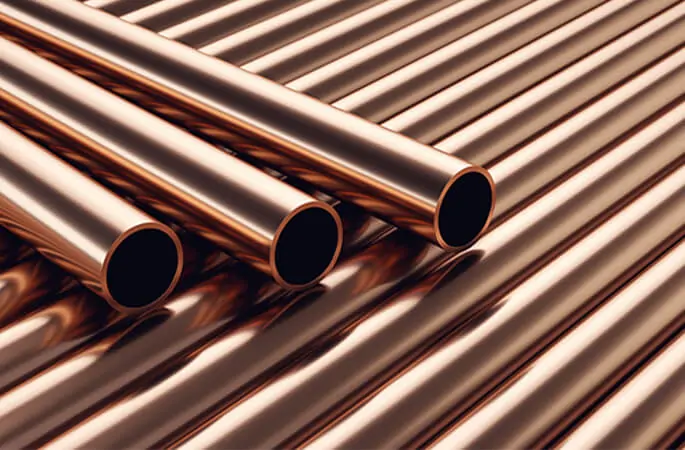
Suitable for thin to medium-thickness copper components, fiber laser welding requires carefully selected laser parameters due to copper’s high reflectivity and thermal conductivity. Common applications include electrical connectors, busbars, heat exchangers, and conductive components.
In addition to the common welding materials listed above, there is also welding equipment specifically designed for aluminum-steel and galvanized steel. To learn more about these materials, check out Kempson welding machines.
KEMPSON fiber laser welding machines are available in different power ratings, cooling systems, and configurations for manual, automated, and specialized welding applications. Specifications vary by model and should be confirmed against the selected machine.
| Specification | Available Options / Range |
|---|---|
| Laser Power | 1000W–6000W, depending on model |
| Machine Type | Handheld, automatic platform, specialized welding systems |
| Cooling Method | Air-cooled, water-cooled, model-dependent |
| Applicable Materials | Stainless steel, carbon steel, aluminum alloy; other metals subject to process testing |
| Welding Thickness | Model- and material-dependent; selected high-power models support thick-plate welding |
| Wire Feeding | Optional or integrated; single-, double-, or triple-wire modes on selected models |
| Welding Wire Diameter | Φ0.8–2.0 mm on selected models |
| Weld Bead Width | Up to 8 mm on selected models |
| Power Supply | 220V or 380V, depending on model |
| Automation Options | Manual handheld operation, CNC platform, customized automatic systems |
| Shielding Gas | External gas supply or built-in gas generation on selected models |
| Customization | Laser power, wire feeding, fixtures, motion systems, and process configuration |
Note: The power range and configuration options above cover multiple product families, not one machine.
KEMPSON fiber laser welding machines serve manufacturers working with sheet metal, metal components, machinery, and fabricated assemblies. The equipment type and power rating should match the part geometry, material thickness, weld appearance requirements, and production volume.

Welding metal cabinets, electrical enclosures, doors, frames, panels, and custom sheet metal products.
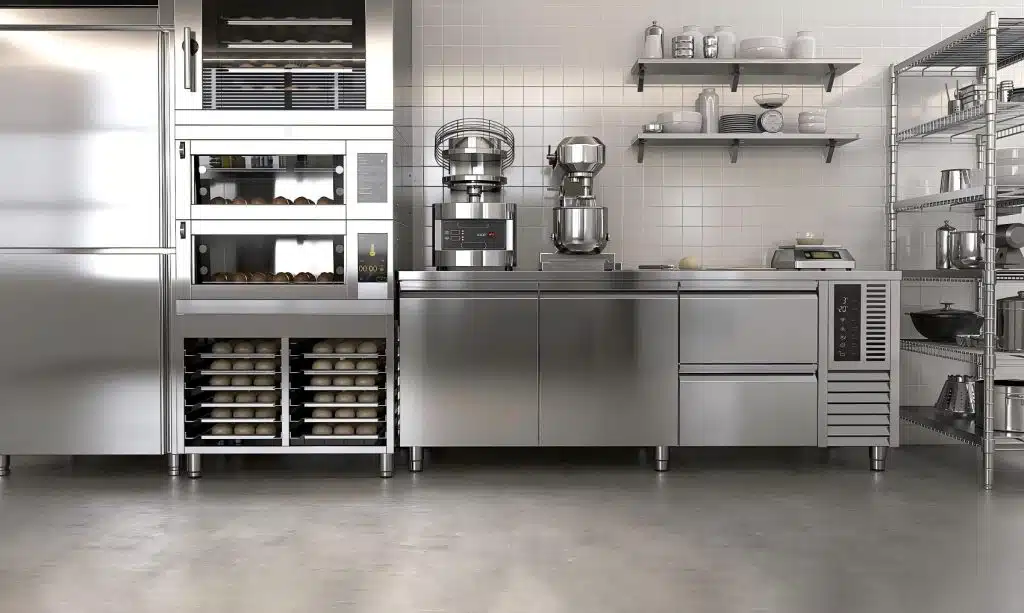
Welding stainless steel sinks, kitchen equipment, appliance housings, worktables, and metal fixtures.
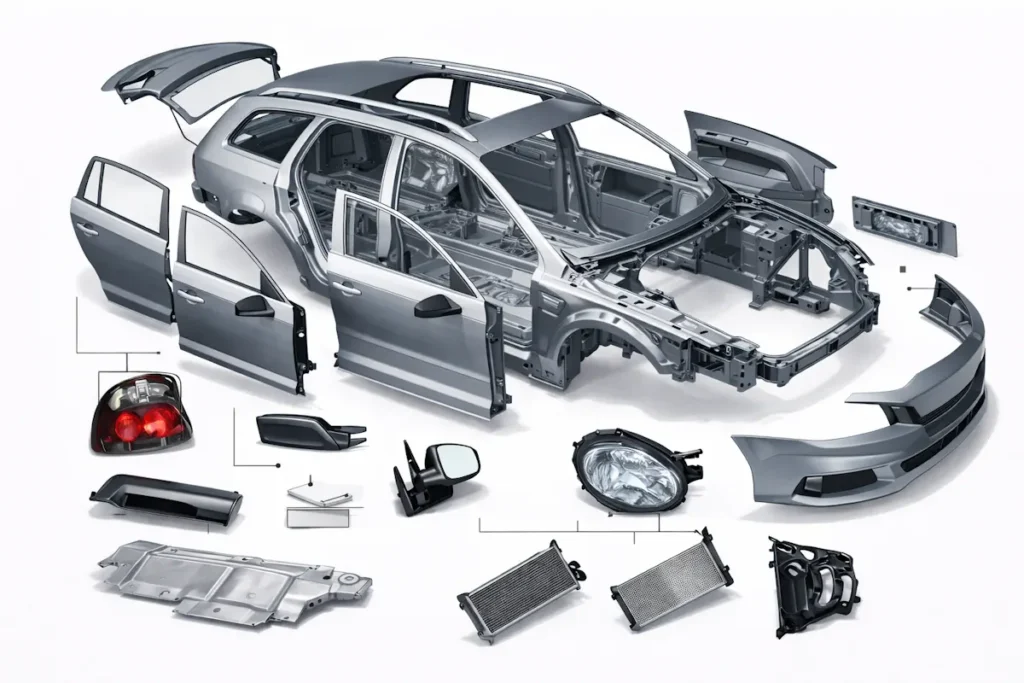
Joining metal brackets, housings, structural parts, and selected aluminum components. Automated systems suit repeatable welding paths and batch production.

Welding machine frames, supports, brackets, equipment housings, and fabricated metal assemblies. Higher-power models can be considered for thicker workpieces.
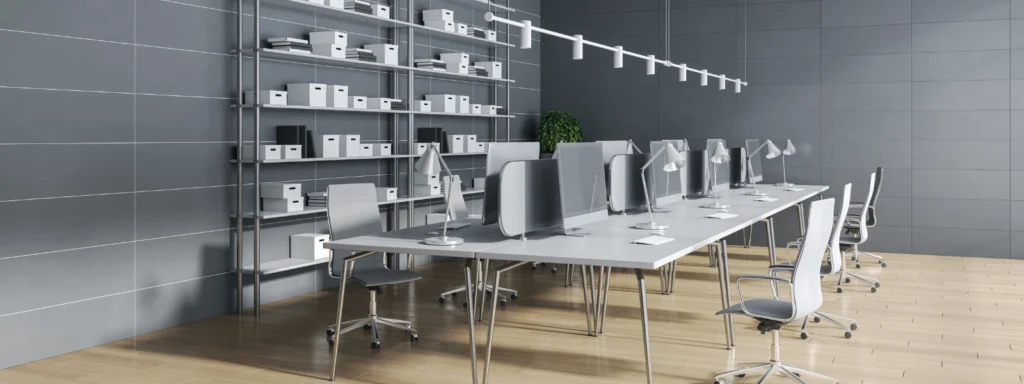
Manufacturing stainless steel furniture, shelves, railings, display fixtures, and decorative metal products where weld appearance and dimensional control matter.
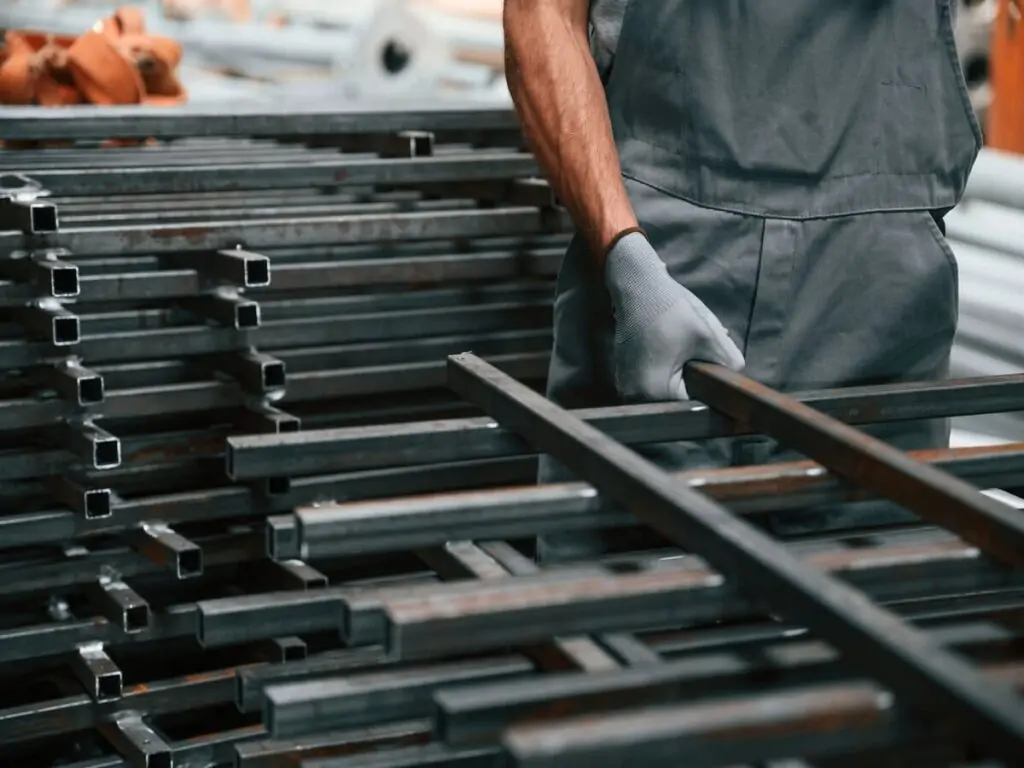
Welding steel structures, agricultural machinery parts, thick plates, and heavy equipment components. High-power configurations should be selected against the actual material thickness and joint requirements.
Fiber laser welding offers a high-precision, high-speed, and non-contact alternative to traditional welding methods such as MIG, TIG, or arc welding. It produces narrower weld seams, smaller heat-affected zones, and minimal distortion, making it ideal for thin metals, precision components, and automated production lines. In contrast, traditional welding methods often require more post-processing, generate higher thermal impact, and may be less efficient for repetitive or delicate applications.
| Feature | Fiber Laser Welding | Traditional Welding (MIG/TIG/Arc) |
|---|---|---|
| Precision | High, narrow weld seams | Moderate, wider welds |
| Heat-Affected Zone | Minimal | Larger, may cause distortion |
| Speed | Fast, suitable for automation | Slower, labor-intensive |
| Material Flexibility | Thin to medium metals, alloys | Wide range, but less ideal for thin sheets |
| Surface Finish | Smooth, minimal post-processing | Often requires grinding/polishing |
| Non-Contact | Yes, reduces mechanical stress | No, contact may deform workpiece |
| Environmental Impact | Cleaner, low fumes | Produces smoke, spatter, and more post-processing waste |
Read the article: “Laser Welding vs. Traditional Welding: Differences, Advantages, Costs, and Applications.” Learn more.
Selecting a fiber laser welding machine requires matching the equipment to the workpiece, welding process, and production requirements.
Choose the laser power according to the metal type, workpiece thickness, joint structure, and required penetration. KEMPSON offers models across a 1000W–6000W range. Actual welding capacity should be confirmed through model specifications and sample tests.
Air-cooled and water-cooled models have different equipment structures and thermal management requirements. Compare cooling capacity, operating conditions, duty cycle, and maintenance requirements for the specific model.
Wire feeding may be necessary for wider gaps, filler-metal requirements, or particular joint designs. Confirm wire diameter, feeding modes, weld bead requirements, and compatibility with the intended material.
Check the power supply, installation conditions, operator training, warranty, spare parts, and after-sales support. For customized or automated systems, confirm the work area, fixtures, control configuration, and production cycle before ordering.
Recommendation: Provide KEMPSON with your material type, thickness, workpiece drawings or photos, and expected production volume. Sample welding tests can establish a suitable power rating and machine configuration for the application.
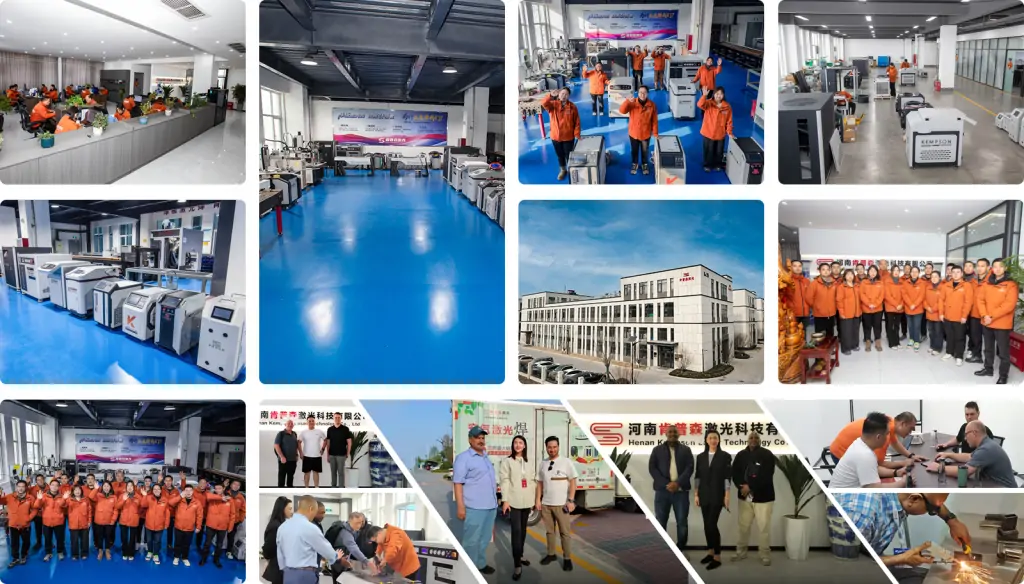


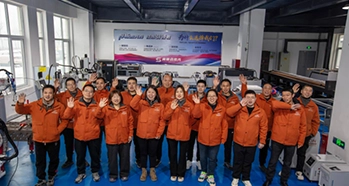
Kempson boasts an independent R&D team and a team of senior engineers, focusing on cutting-edge laser welding technology development and committed to providing high-performance and cost-effective customized solutions for various industrial applications.
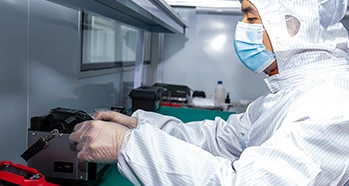
With 30+ patents, all machines are CE, ISO, and FDA certified. We offer a 3-year warranty, free sample welding tests, and lifetime after-sales support to ensure long-term reliability.
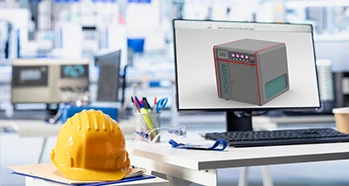
We support comprehensive OEM/ODM cooperation, providing personalized services such as system design, hardware and software integration, special accessory development, and brand logo customization, precisely tailored to different markets and application scenarios.
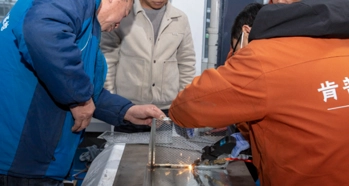
We offer free sample welding testing services: simply send us your materials or provide your process requirements, and we will perform welding tests, record process videos, and return the physical samples, providing you with objective and reliable purchasing information.
A fiber laser welding machine joins metal parts using a concentrated laser beam. It is used for stainless steel products, carbon steel components, aluminum parts, sheet metal fabrication, automotive components, machinery, and industrial metal assemblies.
The required power depends on material type, thickness, joint design, and welding speed. KEMPSON offers models from 1000W to 6000W. Sample welding tests can establish suitable power and process settings for the intended workpiece.
Common materials include stainless steel, carbon steel, aluminum alloy, galvanized steel, copper, and selected metal alloys. Material grade, surface condition, reflectivity, and thickness affect weld quality and process selection.
Air-cooled machines use air-based heat dissipation, while water-cooled models use a liquid cooling circuit. The appropriate option depends on laser power, operating duty, ambient conditions, equipment design, and maintenance requirements.
Yes, selected high-power models can weld thicker metal sections. The achievable thickness depends on laser power, material, joint preparation, welding configuration, and process parameters. Confirm the required thickness through technical specifications and sample tests.
Handheld machines allow operators to guide the welding head manually and suit varied workpieces. Automatic systems use programmed motion, fixtures, or CNC platforms for repeatable welding paths and production processes.
Not every application requires filler wire. Thin materials and suitable close-fitting joints may be welded without wire, while wider gaps or specific joint designs may require filler metal. Wire diameter and feeding configuration should match the welding process.
Provide the material type, workpiece thickness, joint design, required welding speed, production volume, and preferred machine type. KEMPSON can assess the application, recommend a suitable configuration, arrange sample welding tests where available, and provide a quotation based on the confirmed specifications.
Looking for a Fiber Laser Welding Machine?
Contact Kempson today to get a customized laser welding solution.