Table of Contents
Introduction
Kitchenware manufacturing requires welding processes with clean appearance, reliable joints, and consistent production quality. Stainless steel cookware, sinks, utensils, and other metal kitchen products often require smooth weld seams, low deformation, and reduced finishing work. A Laser Welding Machine for Kitchenware uses a focused laser beam and controlled heat input to meet these requirements in precision metal fabrication.
In this article, I will cover the main applications of laser welding in kitchenware production, including cookware, sinks, and stainless steel components. I will also explain the advantages of laser welding, suitable power options, and how to select a machine based on material, thickness, and production requirements.
What Is a Laser Welding Machine for Kitchenware?
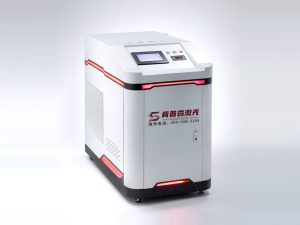
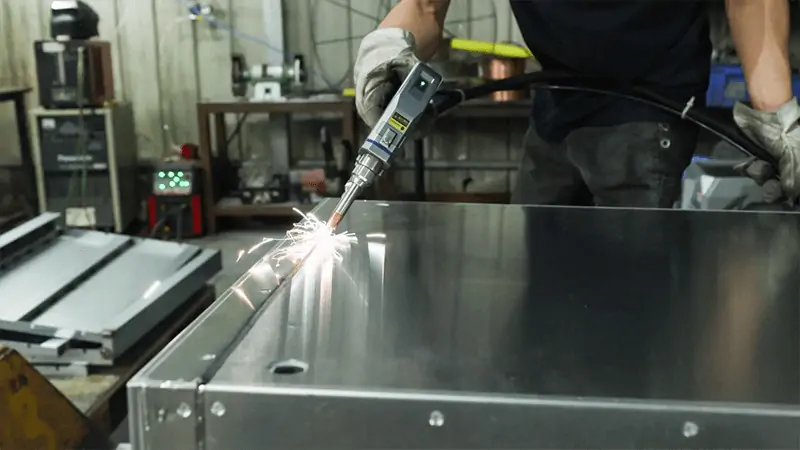
A Laser Welding Machine for Kitchenware is a fiber laser welding system designed to join metal components used in cookware, sinks, cutlery, and other kitchen products. It uses a focused laser beam to melt the joint area and create precise welds on materials such as stainless steel, aluminum, and copper. The process is mainly used for thin metal products that require clean weld seams, low deformation, and good surface appearance.
Compared with TIG and MIG welding, laser welding uses a smaller heat-affected zone and higher energy concentration. It reduces heat distortion and post-weld finishing work, making it suitable for stainless steel kitchenware production, including pot bodies, handles, sink corners, and other precision components.
Applications of Laser Welding Machine in Kitchenware Manufacturing
Laser welding is widely used in kitchenware manufacturing for stainless steel thin sheets and small to medium metal products. Compared with TIG welding, laser welding offers higher speed, lower heat input, and more consistent weld quality. Common applications include cookware, sinks, utensils, and customized stainless steel products.
Stainless Steel Cookware Welding
Laser welding is used for: Pots, Pans, Pressure cooker parts, Handles
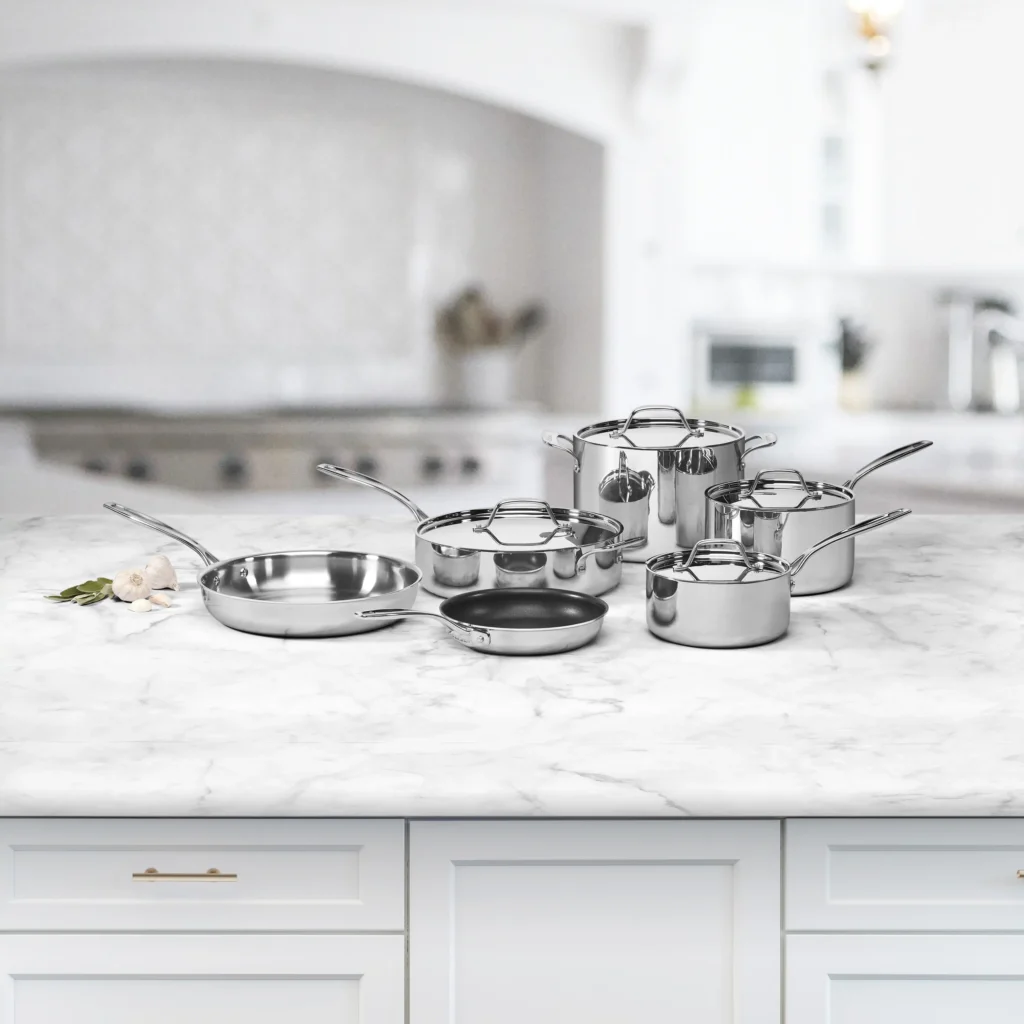
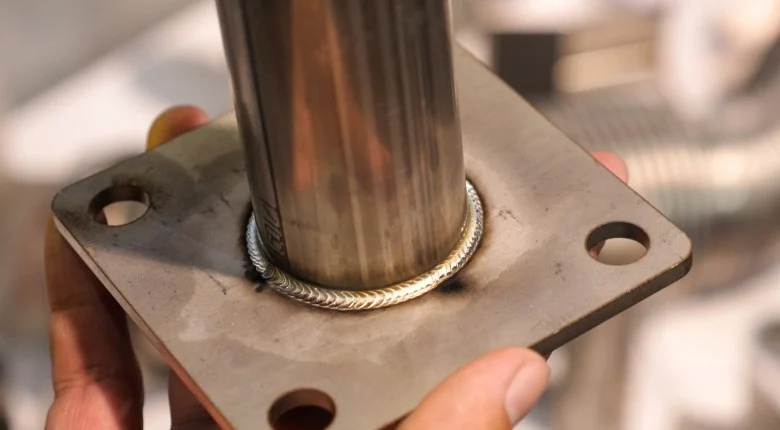
Most cookware parts are made from thin stainless steel sheets. The weld seam is often visible, requiring a smooth appearance and low deformation. Laser welding creates a narrow heat-affected zone, reducing polishing work and maintaining the surface finish of cookware.
Kitchen Sink Welding
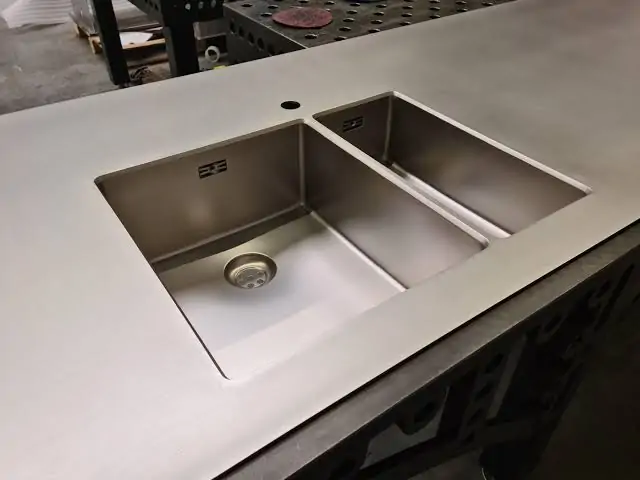
Laser welding is applied to: Stainless steel sink bodies, Sink corners, Edge joints
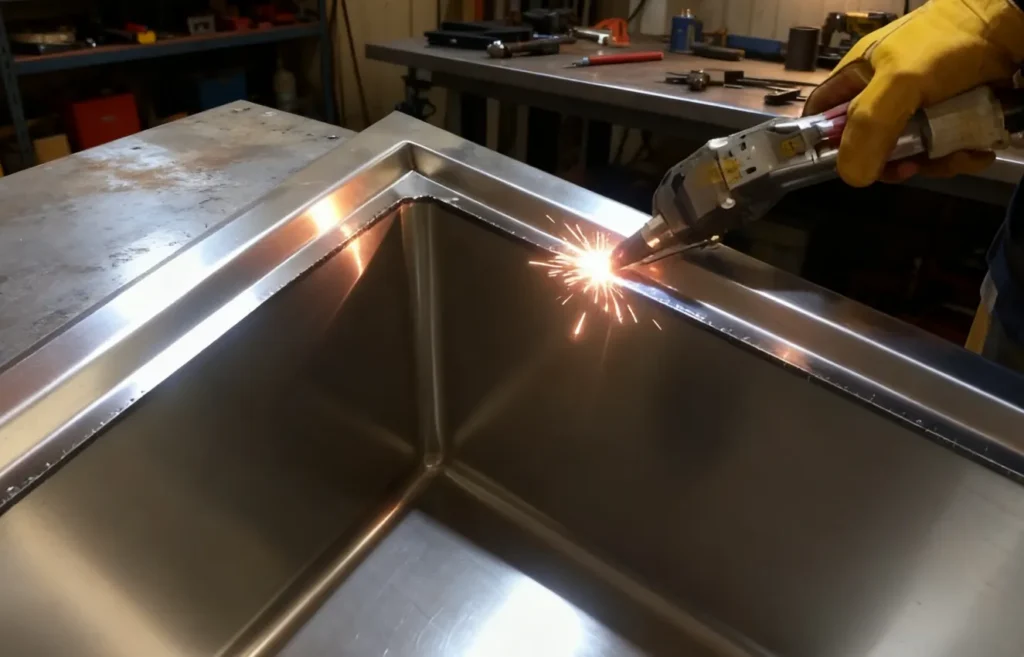
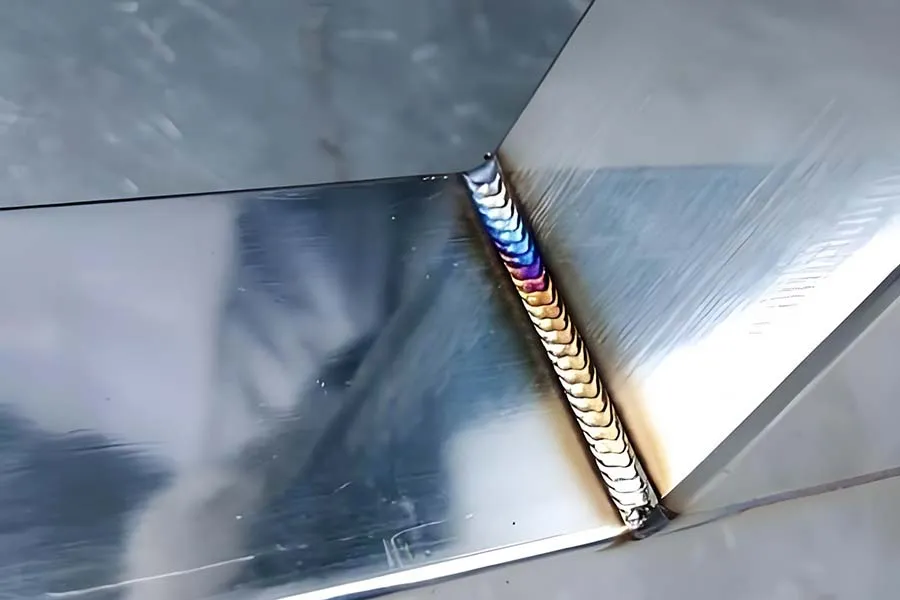
Sink welding requires continuous seams, leak resistance, and clean surfaces. Laser welding produces stable joints on stainless steel sheets and supports different weld positions, including corner and flat seams.
Kitchen Utensils and Metal Components
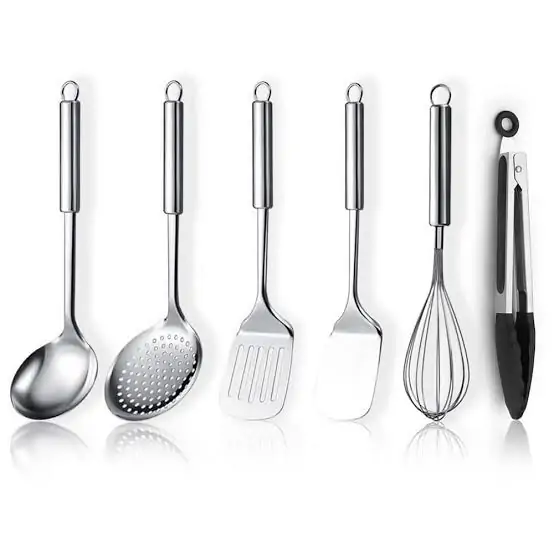
Applications include: Cutlery, Metal containers, Kitchen accessories
These products require small weld areas, accurate positioning, and consistent batch quality. Laser welding is suitable for stainless steel, aluminum, carbon steel, brass, and selected dissimilar metal connections. Automated systems maintain stable welding results for mass production.
Custom Stainless Steel Kitchen Products
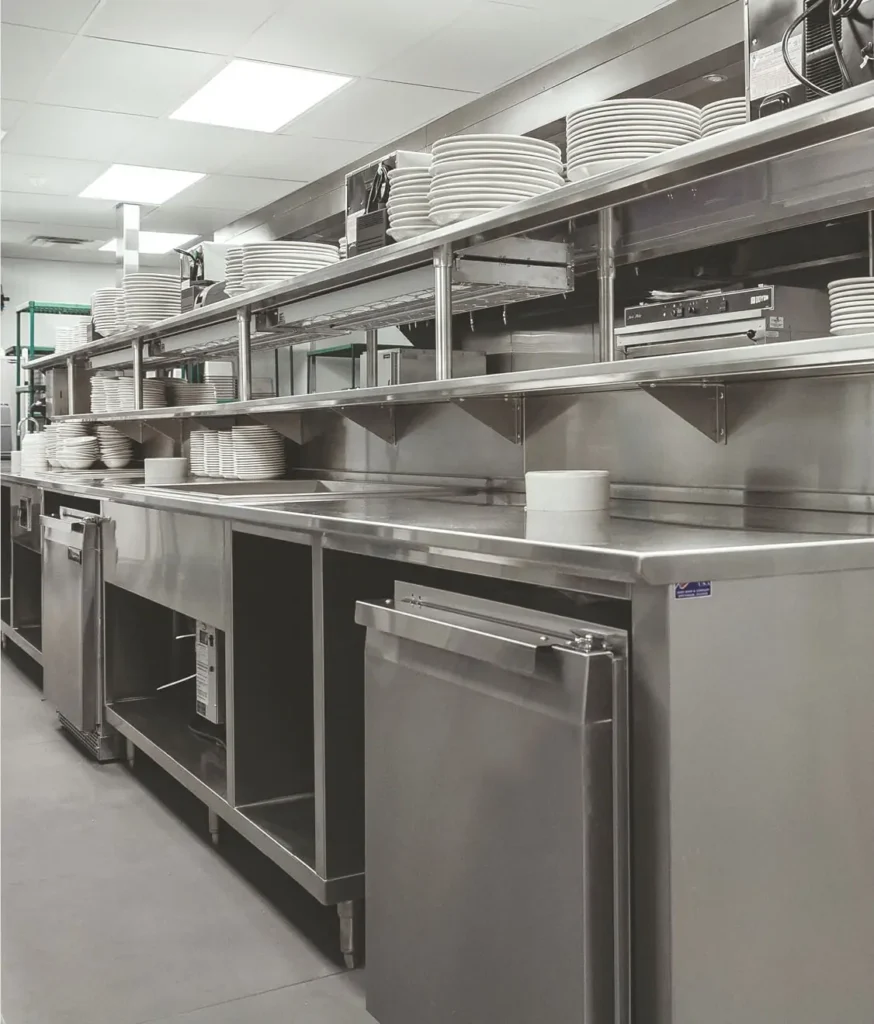
Laser welding is also used for: Custom cabinets, Food equipment parts, and special stainless steel structures
Custom kitchen products often involve different shapes and thicknesses. Laser welding systems can handle flexible welding paths for irregular parts, while handheld systems are suitable for on-site welding of cabinets, kitchen equipment, and stainless steel products.
Laser welding is mainly selected for kitchenware applications that require a clean weld appearance, low deformation, and stable production quality. The machine configuration depends on material type, sheet thickness, production volume, and welding requirements.
Why Use a Laser Welding Machine for Kitchenware?
Laser welding is widely used in kitchenware manufacturing where clean weld seams, controlled heat input, and consistent production quality are required.
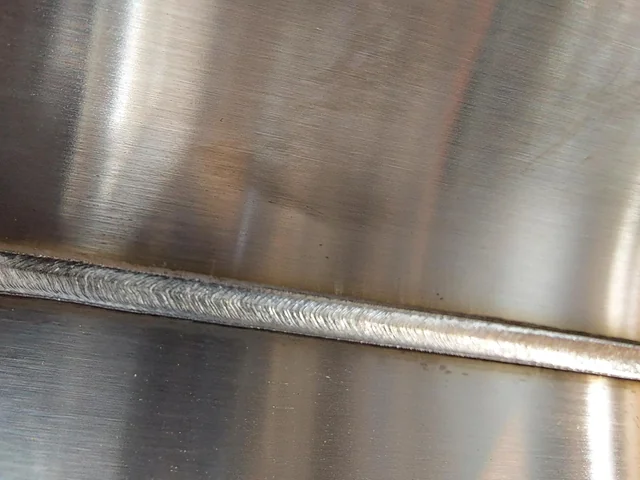
- Smooth Weld Appearance — Laser welding creates narrow and clean weld seams with low spatter. Cookware, sinks, and other visible stainless steel products require less grinding and polishing after welding.
- Low Heat Input — The focused laser beam delivers energy to a small welding area. Thin stainless steel sheets maintain better shape accuracy with less thermal distortion.
- High Welding Speed — Laser welding offers higher processing speed than TIG welding for many kitchenware applications. It fits mass production of cookware, sinks, and stainless steel components.
- Stable Weld Quality — Laser parameters are controlled digitally for consistent weld results. The process fits production lines with strict quality requirements.
- Lower Consumable Usage — Laser welding uses less filler wire in many applications. The clean welding process lowers finishing work after production.
- Automation Compatibility — Laser welding systems can work with robotic arms, rotary tables, and automated production lines. The equipment suits continuous manufacturing of kitchenware products.
Laser welding fits kitchenware production where weld appearance, heat control, and production consistency are important.
Videos
Laser Welding vs TIG Welding for Kitchenware
Laser welding and TIG welding are common methods for stainless steel kitchenware production. They use different heat sources and welding processes, which affect welding speed, heat input, surface finish, and production efficiency.
| Comparison | Laser Welding | TIG Welding |
|---|---|---|
| Welding Speed | High welding speed, suitable for mass production | Slower process, suitable for small-batch production |
| Heat Input | Low heat input with a small heat-affected zone | Higher heat input with a wider heat-affected zone |
| Weld Appearance | Smooth and narrow weld seams with less post-processing | Good weld quality but usually requires more finishing work |
| Deformation | Low distortion on thin stainless steel sheets | Higher risk of deformation on thin materials |
| Automation | Easy integration with robotic systems and production lines | More dependent on manual operation |
| Consumables | Less filler wire usage in many applications | Requires filler wire for most welding processes |
Laser welding is used for stainless steel kitchenware production with requirements for smooth weld seams, low deformation, and consistent quality. TIG welding is commonly used for small-batch production, repair work, and applications requiring manual operation.
To learn more about the differences between these two welding methods, read the article: Laser Welding vs. TIG Welding: Cost, Speed & Application Guide
What Laser Power Is Needed for Kitchenware Welding?
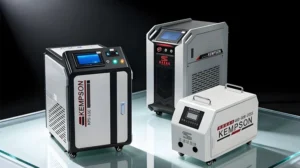
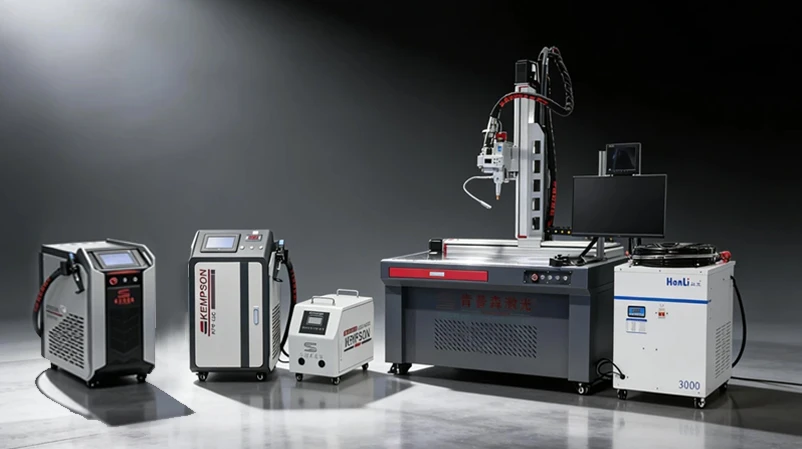
Laser power selection depends on material thickness, weld design, product size, and production requirements. KEMPSON provides 1500W–6000W fiber laser welding machines for different stainless steel kitchenware applications.

1500W Laser Welding Machine
A 1500W laser welding machine is suitable for thin stainless steel sheets and small kitchenware components. It fits applications with lower heat input requirements and precise weld control.
Applications:
- Thin stainless steel sheets
- Small kitchen components
- Repair welding
2000W Laser Welding Machine
A 2000W laser welding machine is suitable for general stainless steel kitchenware production. It covers common cookware and sink welding applications.
Applications:
- Stainless steel cookware
- Kitchen sinks
- General kitchen products
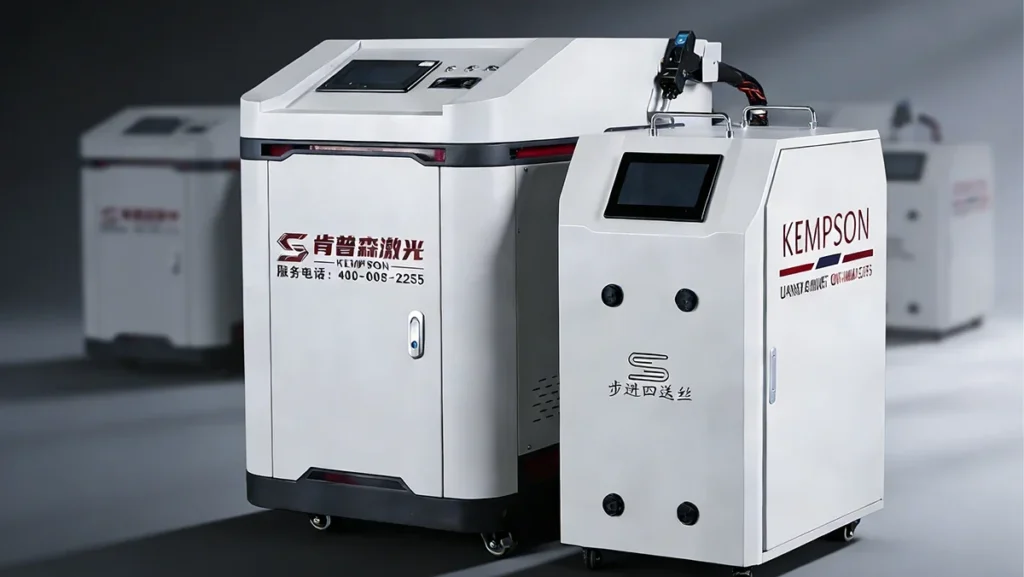
3000W Laser Welding Machine
A 3000W laser welding machine is used for higher production requirements and thicker stainless steel products. It provides higher welding speed for continuous manufacturing.
Applications:
- Larger cookware
- Commercial kitchen equipment parts
- Medium-thickness stainless steel products
4000W Laser Welding Machine
A 4000W laser welding machine is designed for demanding kitchenware production with thicker materials and higher welding efficiency.
Applications:
- Large stainless steel components
- Heavy cookware products
- Industrial kitchen equipment
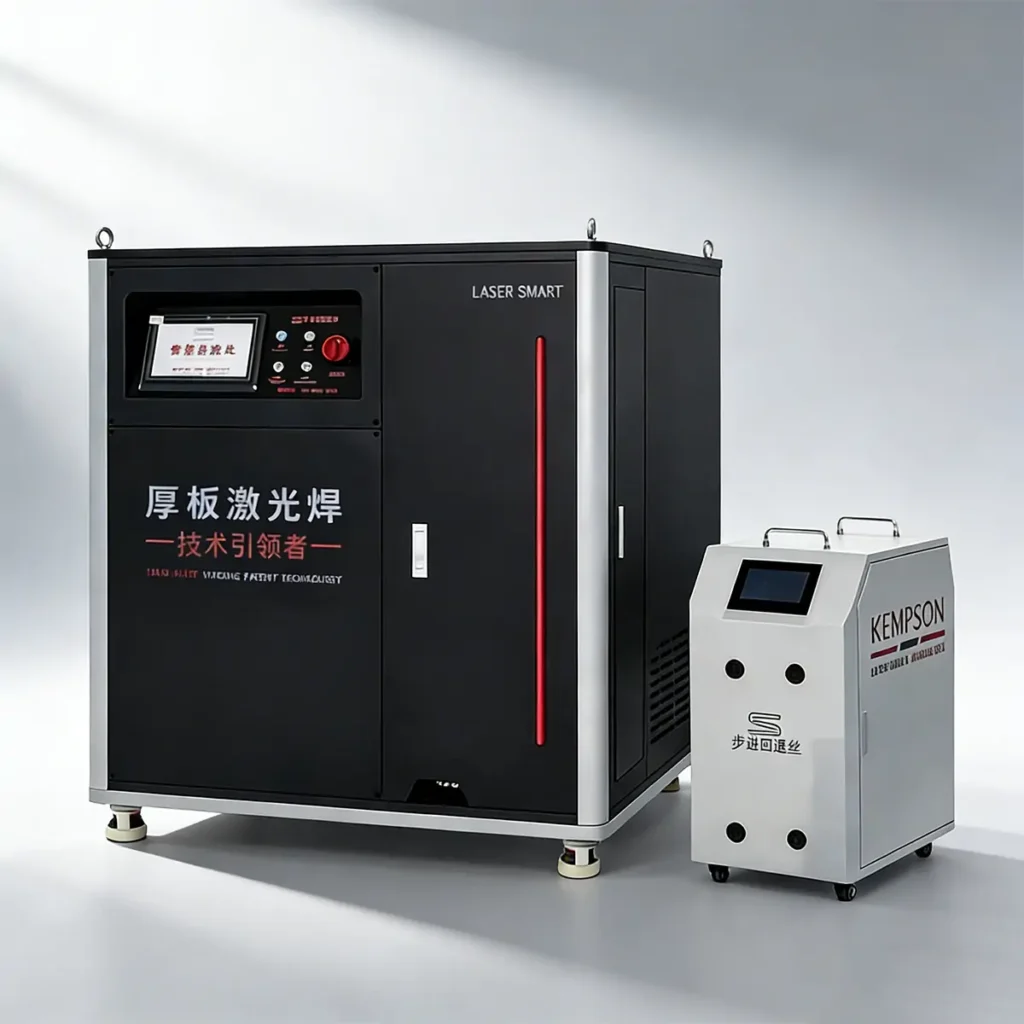
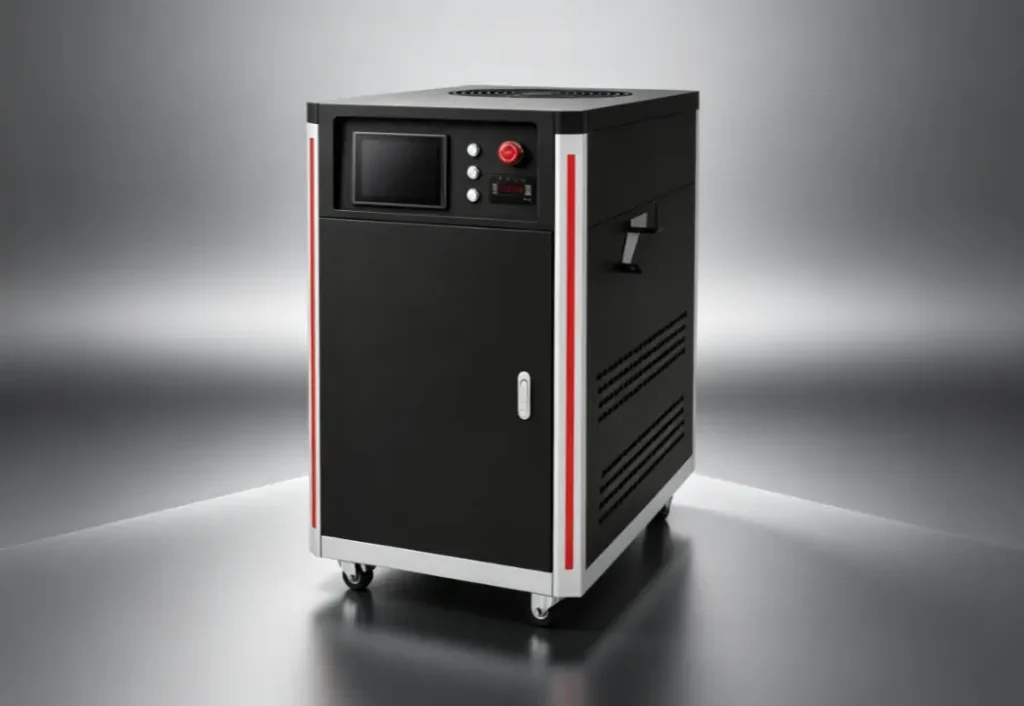
4000W–6000W Laser Welding Machine
The 4000W–6000W laser welding range is suitable for automated production lines and large stainless steel products requiring higher penetration and welding speed.
Applications:
- Large kitchen equipment
- Stainless steel structures
- High-volume production lines
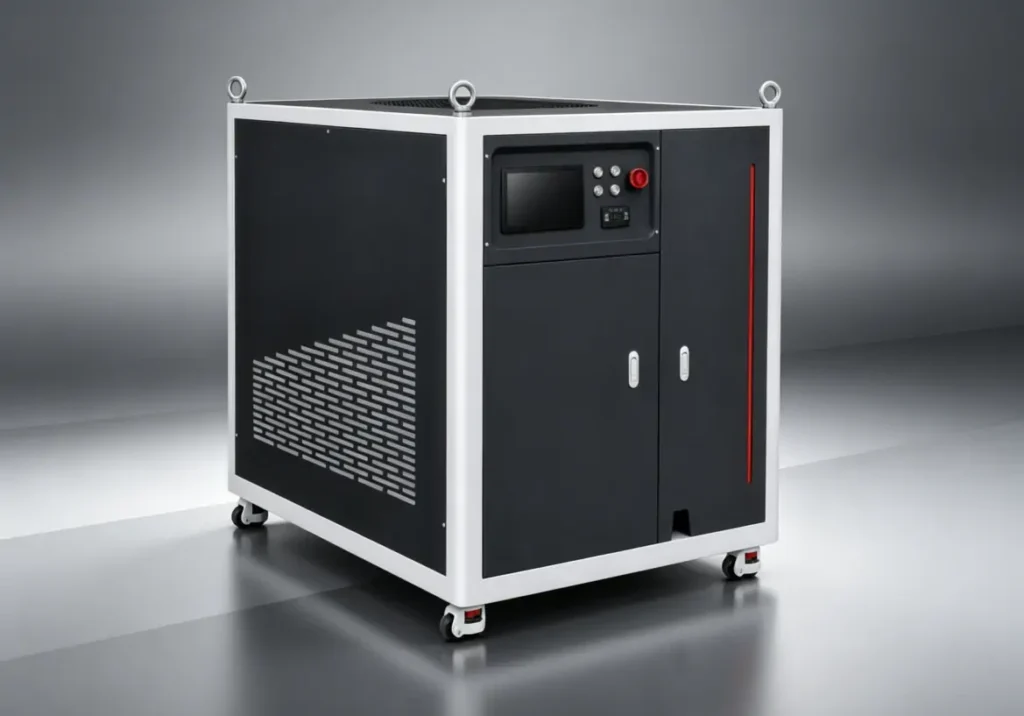
6000W Laser Welding Machine
A 6000W laser welding machine is designed for high-power applications with larger components and higher production capacity requirements.
Applications:
- Heavy stainless steel structures
- Industrial kitchen equipment
- Automated welding systems
Laser power selection depends on stainless steel thickness, product structure, welding speed, and production requirements. KEMPSON offers 1500W–6000W laser welding machines with different configurations for kitchenware manufacturers.
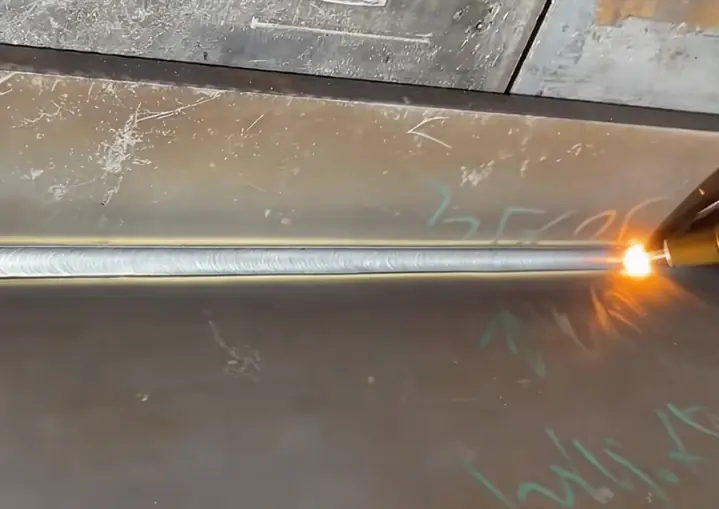
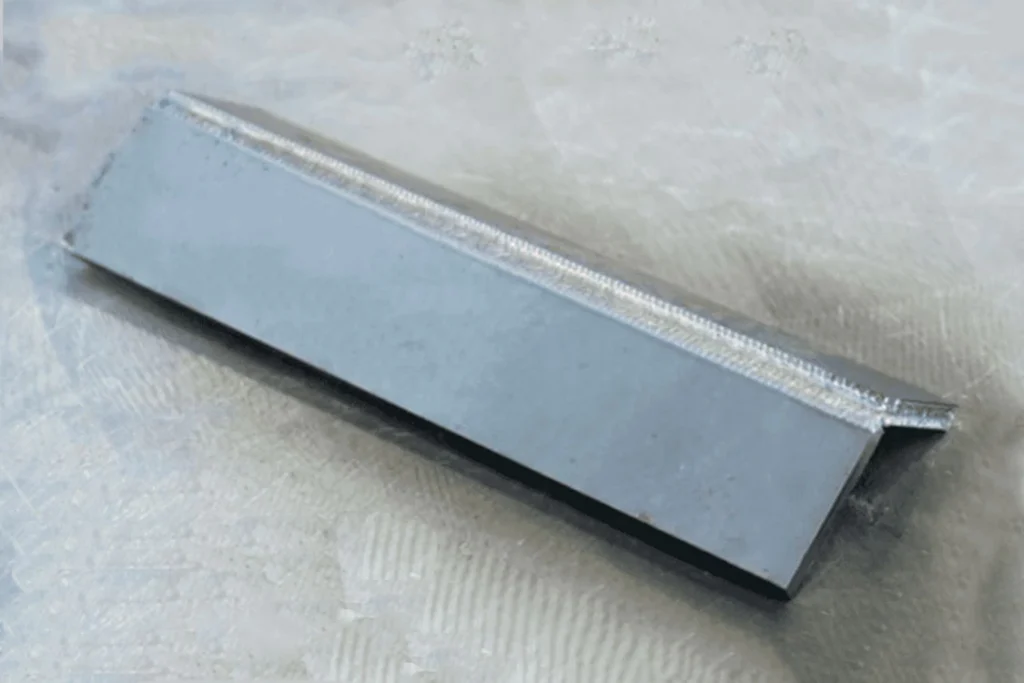
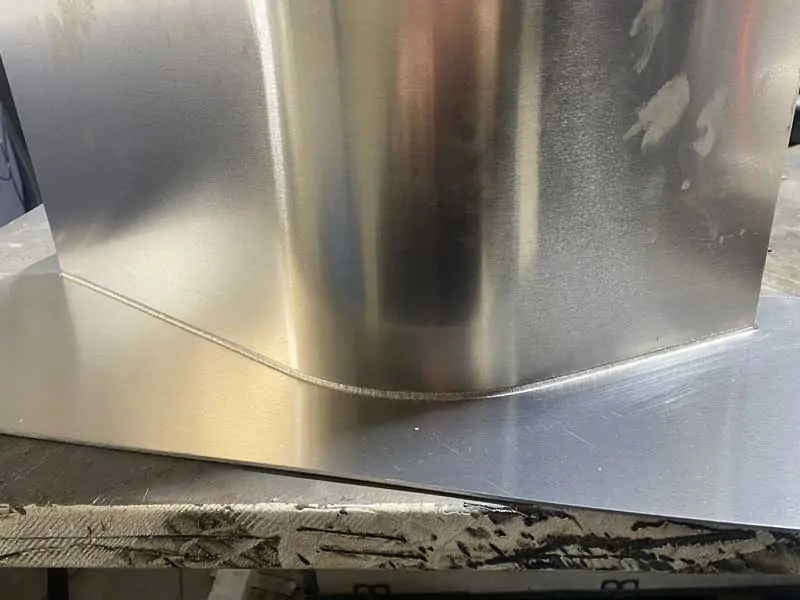
Welding Results
How to Choose a Laser Welding Machine for Kitchenware?
Choosing a laser welding machine for kitchenware depends on material type, product structure, welding quality, and production requirements.
- Consider Material and Thickness: Stainless steel is the main material for kitchenware production. Material grade and sheet thickness affect laser power, welding parameters, and joint design.
- Check Welding Requirements: Kitchenware products require smooth weld appearance, stable joints, and low deformation. Select equipment based on weld position, surface finish, and production volume.
- Evaluate Machine Configuration: Machine configuration should match the application, including laser power, welding head, wire feeder, cooling system, control system, and handheld or automated operation.
- Choose a Reliable Manufacturer: A qualified manufacturer should provide welding tests, technical support, warranty service, and customized solutions.
Laser welding is widely used in kitchenware manufacturing for stainless steel cookware, sinks, utensils, and metal products. Low heat input, clean weld seams, low deformation, and stable welding quality make it suitable for high-precision kitchenware production.
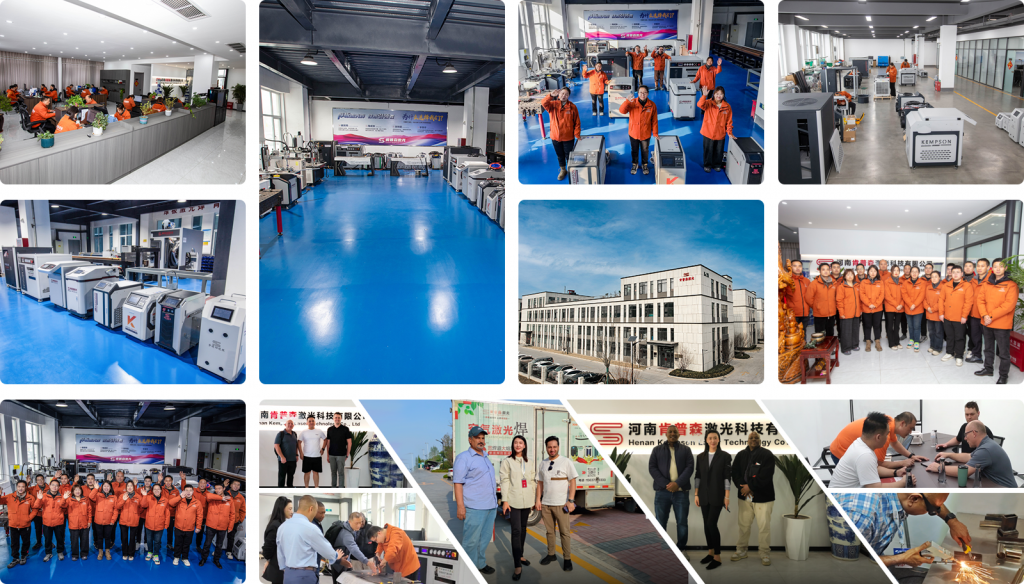
KEMPSON provides 1500W–6000W laser welding solutions with customized configurations for different kitchenware applications. With manufacturing experience, export capability, certifications, technical support, and after-sales service, KEMPSON supports customers from equipment selection to production operation. Contact us to discuss your welding requirements and find the right laser welding solution.
FAQ
What is a laser welding machine for kitchenware?
A laser welding machine for kitchenware is a fiber laser system used to weld stainless steel cookware, sinks, utensils, and other metal kitchen products. It uses a focused laser beam to melt the joint area with low heat input, producing clean weld seams with low deformation.
Can laser welding weld stainless steel cookware?
Yes. Laser welding is widely used for stainless steel cookware, including pots, pans, handles, and pressure cooker components. The process creates smooth weld seams with a small heat-affected zone, which suits products with strict appearance requirements.
Is laser welding better than TIG welding for kitchenware?
Laser welding provides higher welding speed, lower heat input, and less deformation compared with TIG welding. TIG welding is still used for small-batch production and repair work where manual operation is required.
What materials can kitchenware laser welding machines weld?
Kitchenware laser welding machines can weld stainless steel, aluminum, copper, carbon steel, and selected metal combinations. The suitable welding parameters depend on material type, thickness, and joint design.
What laser power is needed for stainless steel kitchenware?
Laser power depends on product thickness, weld requirements, and production volume. 1500W–2000W machines are commonly used for thin stainless steel products, while 3000W–6000W machines fit thicker parts and higher production requirements.
Can laser welding machines weld kitchen sinks?
Yes. Laser welding is suitable for stainless steel kitchen sinks, including sink bodies, corners, and edge joints. It provides continuous weld seams, stable sealing quality, and a clean surface finish.
Is laser welding suitable for automatic kitchenware production?
Yes. Laser welding systems can be integrated with robotic arms, rotary tables, and automated production lines. They provide consistent welding quality for high-volume kitchenware manufacturing.
How do I choose a kitchenware laser welding machine manufacturer?
Choose a manufacturer with experience in stainless steel welding applications, equipment customization capability, application testing, technical support, and after-sales service. Export experience and product certifications are also important factors.