Table of Contents
Introduction
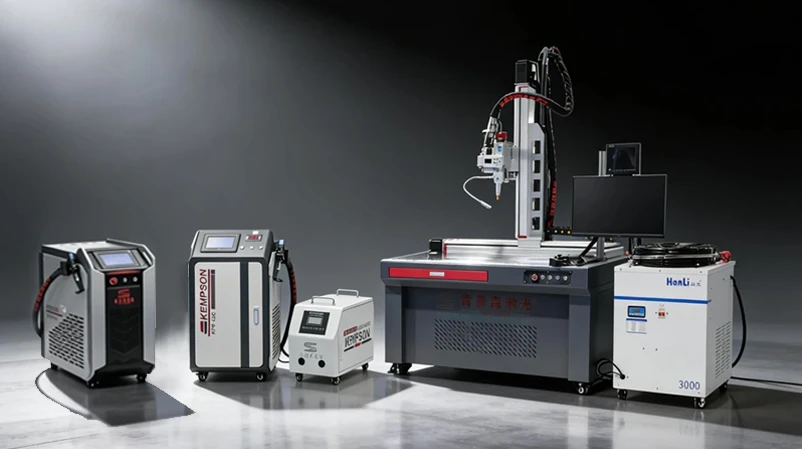
A laser welding machine is designed for continuous industrial operation, but its performance can be affected by factors such as lens condition, cooling system status, and daily operation habits. Regular maintenance is necessary to keep welding quality stable, prevent avoidable failures, and reduce long-term operating costs. Proper laser welding machine maintenance allows the equipment to maintain consistent performance during daily production.
In this article, we will cover the main maintenance work required for laser welding machines, including routine checks, maintenance intervals, key component care, troubleshooting, and warranty considerations. Based on our experience in laser welding equipment manufacturing, we will provide practical suggestions to help users manage their machines more effectively.
Why Laser Welding Machine Maintenance Is Important?
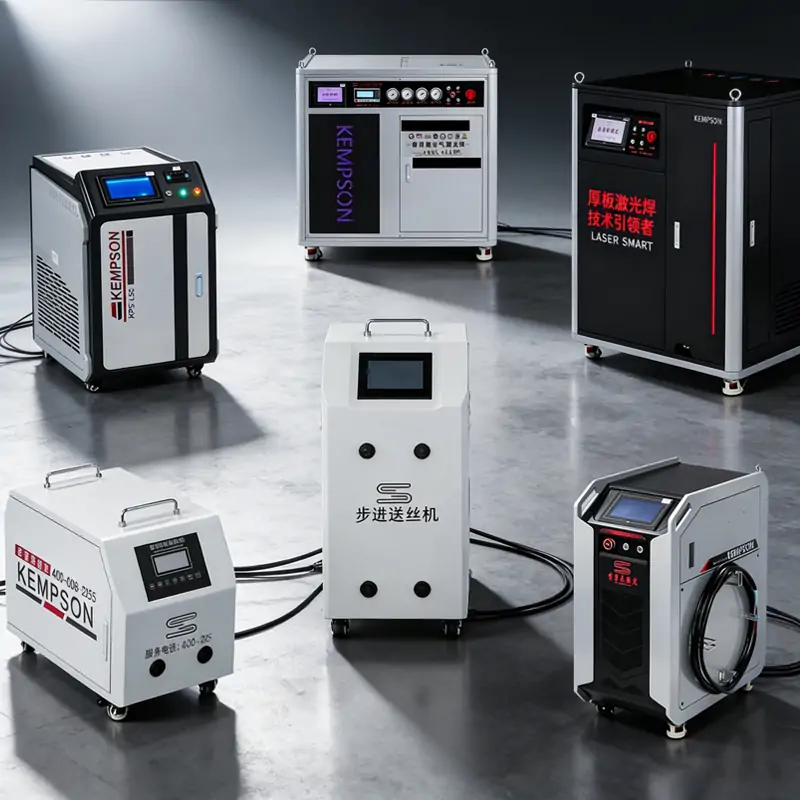
A laser welding machine is built with precision components, including the laser source, welding head, protective lens, and cooling system. During continuous production, dust, heat, and mechanical wear can affect machine performance. Regular maintenance keeps each component working within normal conditions and supports stable welding operations.
- Maintain Welding Quality: Welding results are closely related to the condition of the optical system, cooling system, and machine parameters. A clean protective lens, stable cooling temperature, and correct parameter settings help maintain consistent weld strength and appearance.
- Reduce Machine Downtime: Equipment failures often come from neglected daily checks, such as damaged lenses, poor cooling performance, or loose connections. Routine inspection helps detect these issues before they affect production.
- Extend Equipment Service Life: The laser source, welding gun, control system, and other key parts require proper care during operation. Regular maintenance reduces component wear and helps maintain the long-term performance of the laser welding machine.
Regular maintenance keeps a laser welding machine stable, reduces equipment failures, and supports long-term production performance.
Laser Welding Machine Maintenance Schedule
Regular maintenance keeps a laser welding machine operating in stable condition. The maintenance work can be divided into daily inspection, periodic maintenance, and long-term storage care according to operation frequency and machine status.
| Maintenance Frequency | Main Inspection Items | Maintenance Details |
|---|---|---|
| Daily | Protective lens | Check the lens surface for dust, welding spatter, or damage. Clean or replace the lens when necessary. |
| Cooling system | Check coolant level, water temperature, and pressure. Make sure the chiller operates normally. | |
| Gas system | Check shielding gas and working gas pressure. Replace gas supply when pressure is insufficient. | |
| Welding head and optical path | Check the welding head, focusing lens, and external optical components for abnormal conditions. | |
| Machine cleaning | Remove welding residue and dust from the working area. Keep the equipment clean after operation. | |
| Weekly | Motion system | Check X/Y/Z axis guides, screws, and moving parts. Add lubrication when required. |
| Electrical and cable system | Check cables, connectors, and protective covers for looseness or damage. | |
| Monthly | Air and exhaust system | Clean filters and remove dust or moisture from the gas and ventilation systems. |
| Optical components | Inspect protective lens, focusing lens, and other optical parts for contamination. | |
| Electrical cabinet | Clean dust from cooling fans and filters to maintain proper heat dissipation. | |
| Quarterly | Cooling system | Replace coolant, clean the water tank, and remove dirt from filters and heat exchangers. |
| Mechanical components | Check couplings, transmission parts, and fasteners for wear or looseness. |
Maintenance During Machine Downtime
When a laser welding machine is not used for an extended period, additional protection is required to prevent component aging and startup failures.
Short-term storage (1–7 days):
- Clean optical lenses with proper tools.
- Apply rust protection to guide rails and moving parts.
- Drain cooling water when necessary to prevent contamination.
- Keep the machine covered and the electrical cabinet clean.
Long-term storage (more than one month):
- Store the machine in a dry environment with controlled humidity.
- Power on the equipment periodically to check system operation.
- Back up welding parameters and production files before shutdown.
Pre-Startup Inspection After Long Downtime
Before restarting the machine:
- Check the optical system and welding head alignment.
- Run the cooling system until the water temperature becomes stable.
- Test the machine at low power before returning to normal production.
A proper laser welding machine maintenance schedule helps operators detect problems early, reduce downtime, and keep welding performance stable throughout the equipment life cycle.
How to Maintain Components of a Laser Welding Machine?
The main components of a laser welding machine, including the protective lens, cooling system, welding gun, and wire feeder, require regular inspection during operation. Proper maintenance keeps the machine in good working condition and helps maintain stable welding results.
Protective Lens Maintenance
The protective lens is a common consumable part of a laser welding machine. Dust, welding spatter, and oil stains on the lens surface can affect laser transmission and reduce welding quality.
Maintenance Methods:
- Check the lens condition before welding and inspect for dust, cracks, or coating damage.
- Clean the lens with a lint-free swab and optical cleaning solution.
- Avoid touching the lens surface directly with hands to prevent oil contamination.
- Replace the lens if scratches, cracks, or coating damage are found.

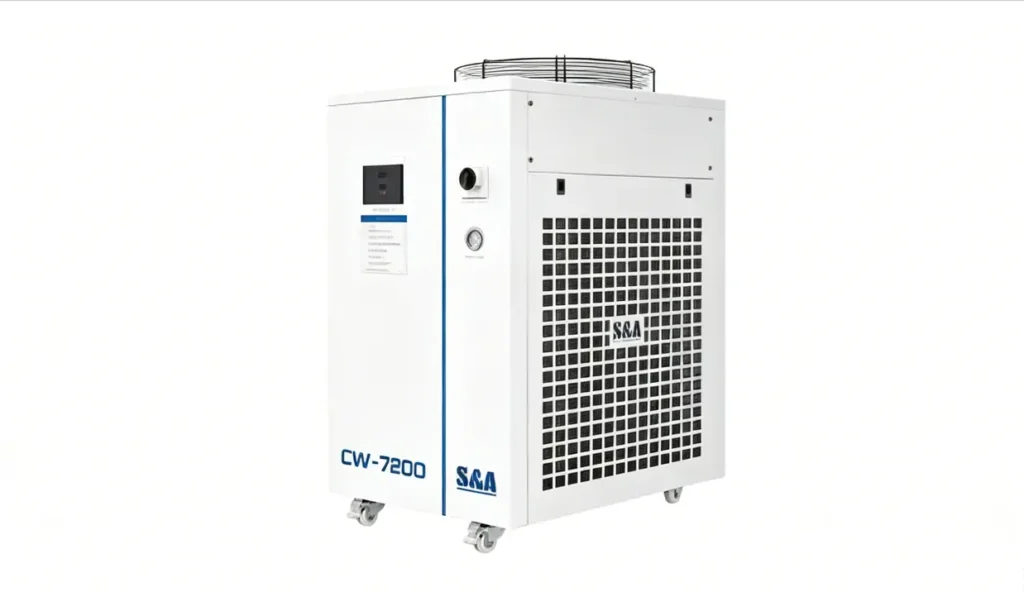
Cooling System Maintenance
The cooling system keeps the laser source and other components within the proper working temperature range. Poor cooling performance may cause overheating alarms, unstable laser output, or equipment damage.
Maintenance Methods:
- Check coolant level and water temperature before starting the machine.
- Keep cooling water clean and replace it according to actual operating conditions.
- Clean filters and radiators regularly to remove dust and improve heat dissipation.
- Check water pipes and joints for leakage.
- Monitor cooling system operation during continuous welding.
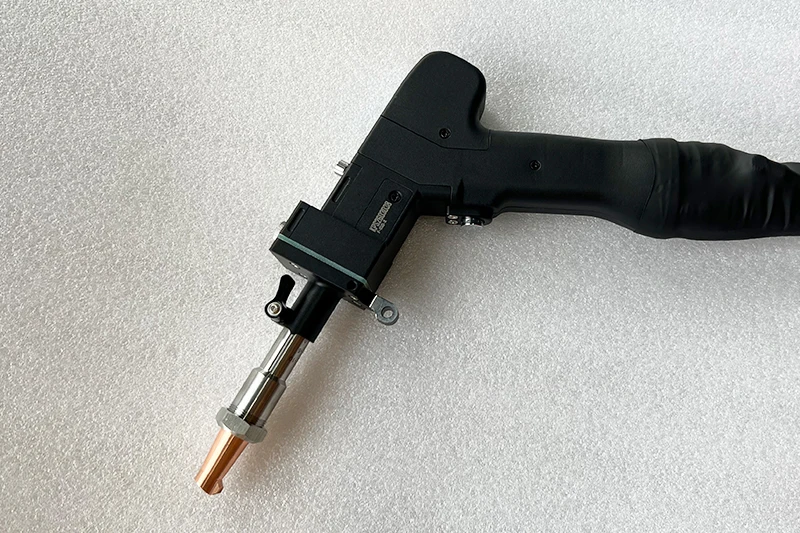
Laser Welding Gun Maintenance
The welding gun is the part that directly performs the welding process. Its condition affects weld appearance and operation stability.
Maintenance Methods:
- Check the nozzle for wear, deformation, or welding spatter buildup.
- Clean or replace the internal protective lens when contamination occurs.
- Inspect cables and fiber connections for damage, bending, or loose connections.
- Remove dust and metal particles from the welding gun regularly.
- Check the connection parts before operation.
Wire Feeder Maintenance (Optional)
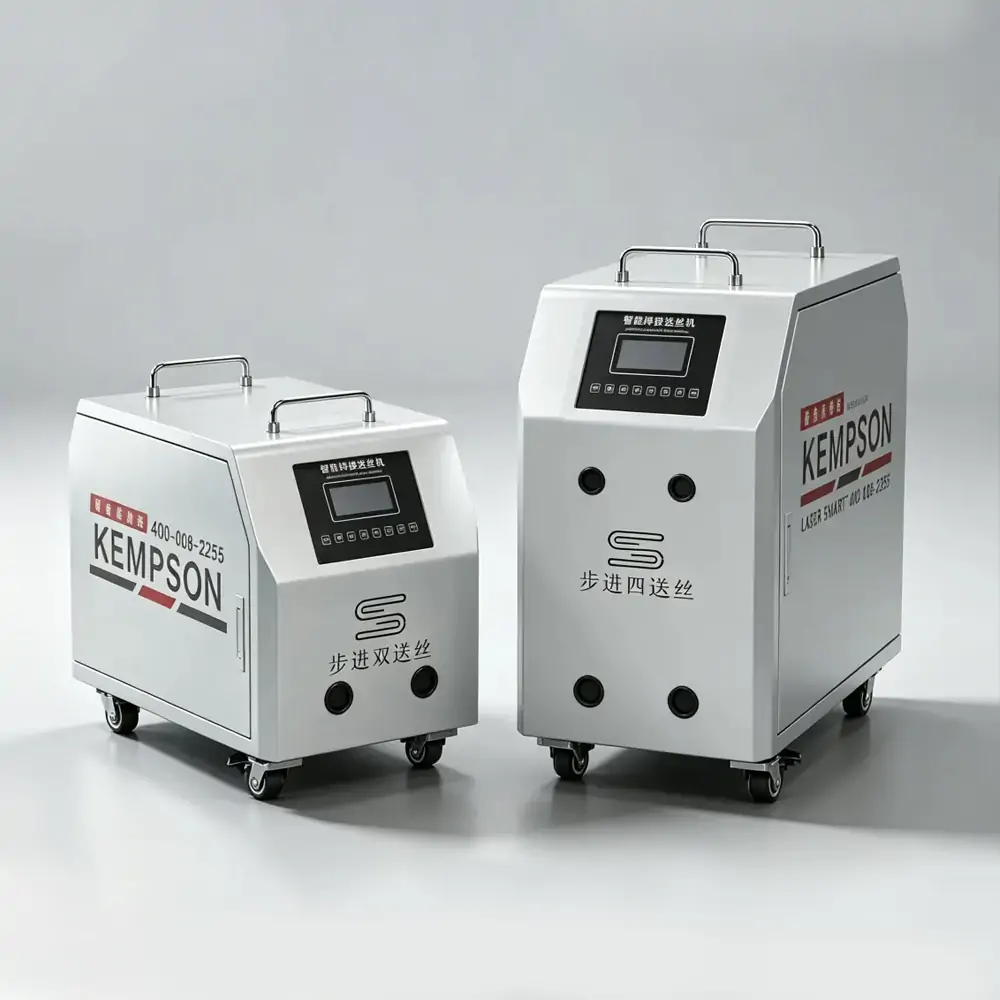
For laser welding machines with a wire feeder, the feeding system directly affects wire delivery and weld formation.
Maintenance Methods:
- Clean wire feeding rollers to remove metal dust and oil.
- Check the wire feeding tube for blockage, bending, or excessive resistance.
- Check wire feeding speed and adjust roller pressure when needed.
- Use clean welding wire without rust or surface contamination.
- Inspect the feeding system if wire jamming or unstable feeding occurs.
Laser Welding Machine Component Maintenance Schedule
| Component | Daily Inspection | Periodic Maintenance |
|---|---|---|
| Protective Lens | Check before welding | Clean or replace based on contamination and damage |
| Cooling System | Check water level and temperature | Replace coolant and clean filters regularly |
| Welding Gun | Check nozzle and connections | Replace worn parts when necessary |
| Wire Feeder | Check wire feeding condition | Clean rollers and inspect feeding parts weekly |
Regular component maintenance keeps the laser welding machine running smoothly and reduces failures caused by worn or contaminated parts.
Common Laser Welding Machine Problems and Troubleshooting
During daily operation, laser welding machines may experience problems related to optical components, cooling systems, welding parameters, and consumable parts. Most issues can be prevented or solved through regular inspection and correct adjustment.
Laser Welding Machine Does Not Start
Possible Causes:
- Power supply problem
- Emergency stop button activated
- Safety protection alarm triggered
- Loose electrical connection
Troubleshooting:
- Check the main power supply and machine connections.
- Release the emergency stop button.
- Check the alarm information on the control panel.
- Contact technical support if the fault remains.
Weak Laser Output or Reduced Welding Power
Possible Causes:
- Contaminated protective lens
- Damaged optical components
- Incorrect welding parameters
- Unstable laser source output
Troubleshooting:
- Check and clean or replace the protective lens.
- Inspect optical components for contamination or damage.
- Confirm welding power, speed, and focus settings.
- Contact the manufacturer for laser source inspection if needed.
Poor Weld Quality or Uneven Welds
Possible Causes:
- Incorrect focus position
- Unstable wire feeding
- Insufficient shielding gas flow
- Improper welding parameters
Troubleshooting:
- Adjust the focus position according to material thickness.
- Check wire feeder operation and wire delivery condition.
- Confirm shielding gas pressure and flow rate.
- Optimize welding parameters based on the material.
Laser Welding Machine Overheating Alarm
Possible Causes:
- Low coolant level
- Dirty cooling filter
- Abnormal chiller operation
- High ambient temperature
Troubleshooting:
- Check coolant level and add coolant if required.
- Clean the cooling filter and radiator.
- Check water temperature and chiller status.
- Keep the machine operating environment within the recommended range.
Wire Feeding Problems (With Wire Feeder)
Possible Causes:
- Dirty wire feeding rollers
- Blocked or bent wire tube
- Incorrect roller pressure
- Poor welding wire condition
Troubleshooting:
- Clean the wire feeding rollers.
- Check and replace the wire tube if necessary.
- Adjust the roller pressure properly.
- Replace welding wire with rust or surface contamination.
Protective Lens Burns Frequently
Possible Causes:
- Excessive welding spatter
- Incorrect focus position
- Poor shielding gas protection
- Lens contamination
Troubleshooting:
- Check welding parameters and focus position.
- Adjust shielding gas flow.
- Clean the welding area before operation.
- Replace damaged protective lenses in time.
Laser Welding Machine Troubleshooting Checklist
| Problem | Main Inspection Point | Solution |
|---|---|---|
| Machine cannot start | Power and alarm status | Check power supply and safety system |
| Weak laser output | Protective lens and optical parts | Clean or replace damaged parts |
| Poor weld quality | Parameters and gas supply | Adjust settings and check gas flow |
| Overheating alarm | Cooling system | Check coolant and chiller condition |
| Unstable wire feeding | Wire feeder components | Clean and adjust feeding system |
Regular inspection and timely troubleshooting help maintain stable operation and reduce production downtime.
Laser Welding Machine Preventive Maintenance Tips
- Keep the protective lens clean and replace damaged lenses in time.
- Check coolant level, temperature, and cooling system status regularly.
- Clean welding gun, nozzle, and wire feeding parts.
- Inspect cables, fiber connections, and electrical components.
- Keep welding parameters within recommended settings.
- Clean dust and metal residue from the machine regularly.
- Record maintenance work and component replacement history.
- Use qualified consumables and suitable spare parts.
- Train operators on correct machine operation.
- Follow the manufacturer’s maintenance schedule.
How to Extend the Service Life of a Laser Welding Machine?
- Follow the recommended maintenance schedule and check key components regularly.
- Keep the protective lens, welding gun, and optical system clean.
- Maintain proper cooling system operation and monitor coolant condition.
- Use the machine within the rated power range and recommended parameters.
- Keep the working environment clean, dry, and free from excessive dust.
- Use suitable consumables and replace worn parts in time.
- Train operators to follow correct operating procedures.
- Keep maintenance records for inspections, repairs and part replacement.
Conclusion
Laser welding machine maintenance is closely related to welding quality, equipment reliability and operating costs. Regular checks of the protective lens, cooling system, welding gun and other key parts help prevent equipment problems during production. Maintenance records and timely replacement of worn parts also make daily operation easier to manage.
A well-maintained laser welding machine can keep stable welding performance over a long service period. Proper operation, suitable working conditions, and professional technical support help reduce repair needs and maintain production efficiency.
KEMPSON is a laser welding machine manufacturer; we provide equipment, spare parts, and technical support for different welding applications. Contact us for more information about laser welding solutions and maintenance services.
FAQ
How often should a laser welding machine be maintained?
A laser welding machine should be checked before daily operation, with deeper maintenance performed weekly, monthly, or quarterly based on usage. The maintenance frequency depends on welding hours, working environment, and machine condition.
What is the most common maintenance item on a laser welding machine?
The most common maintenance item is the protective lens. Dust, spatter, and contamination on the lens can affect laser transmission and welding quality, so regular inspection and cleaning are required.
How long does a laser welding machine last?
A well-maintained laser welding machine can typically operate for many years. Service life depends on machine quality, operating conditions, maintenance frequency, and the care of key components such as the laser source and cooling system.
Why does my laser welding machine lose power?
Power loss may be caused by a dirty protective lens, damaged optical components, incorrect welding parameters, or cooling system problems. Check the lens condition, machine settings, and cooling performance before further inspection.
How do I clean a laser welding machine lens?
Clean the lens with a lint-free swab and optical cleaning solution. Wipe gently from the center outward and avoid touching the lens surface directly. Replace the lens if cracks or coating damage are found.
What maintenance does a laser welding cooling system need?
The cooling system requires regular checks of coolant level, water temperature, and filter condition. Keep the coolant clean, clean the radiator, and check water pipes for leakage to maintain stable cooling performance.
Are laser welding machine consumables covered by warranty?
Most consumable parts, such as protective lenses and nozzles, are not covered by warranty because they wear during normal operation. Warranty coverage usually applies to manufacturing defects and major machine components.
How can I reduce laser welding machine downtime?
Follow a regular maintenance schedule, inspect key components before operation, replace worn parts in time, and keep proper operating records. Operator training and manufacturer support also help reduce unexpected machine stops.