Table of Contents
Introduction
Aluminum and aluminum alloys are widely used in automotive, aerospace, electronics, construction, and industrial manufacturing due to their lightweight properties, high thermal conductivity, and corrosion resistance. However, welding aluminum is more challenging than welding steel because the oxide layer on the surface has a much higher melting point than aluminum itself, while high thermal conductivity causes rapid heat loss. Small changes in welding parameters and shielding conditions can also affect weld quality.
In this article, I will explain how to weld aluminum from different aspects, including common welding methods, parameter selection, filler wire options, shielding gas requirements, common welding defects, and laser welding solutions. The goal is to help you understand the factors for producing stable and high-quality aluminum welds in different applications.
Why Is Aluminum Difficult to Weld?
Aluminum is widely used in manufacturing because of its lightweight and excellent corrosion resistance, but it requires more control during welding compared with steel. Its physical properties can easily affect weld formation and quality.
- Aluminum Oxide Layer: Aluminum naturally forms an oxide layer on its surface. This oxide layer has a melting point of about 2050°C, much higher than aluminum’s melting point of about 660°C. If it is not properly removed before welding, it can cause poor fusion, inclusions, and unstable welds.
- High Thermal Conductivity: Aluminum transfers heat quickly, which makes it difficult to maintain a stable weld pool. Insufficient heat input may result in shallow penetration, while excessive heat can increase deformation and affect the final weld appearance.
- Sensitive to Welding Parameters: Aluminum welding requires accurate control of welding parameters, including power, welding speed, shielding gas flow, and filler wire selection. Incorrect settings can lead to defects such as porosity, cracking, and uneven weld formation.
Aluminum welding quality mainly depends on controlling heat, removing surface oxides, and selecting the right welding conditions for the material.
Aluminum is a highly reflective material, and various defects can occur during the welding process. For specific issues and how to prevent them, see the article: Aluminum Laser Welding Problems: Porosity, Cracks & Solutions
Common Methods for Welding Aluminum
The right aluminum welding method depends on material thickness, alloy type, production volume, and weld quality requirements. The following methods are widely used in aluminum fabrication and manufacturing.
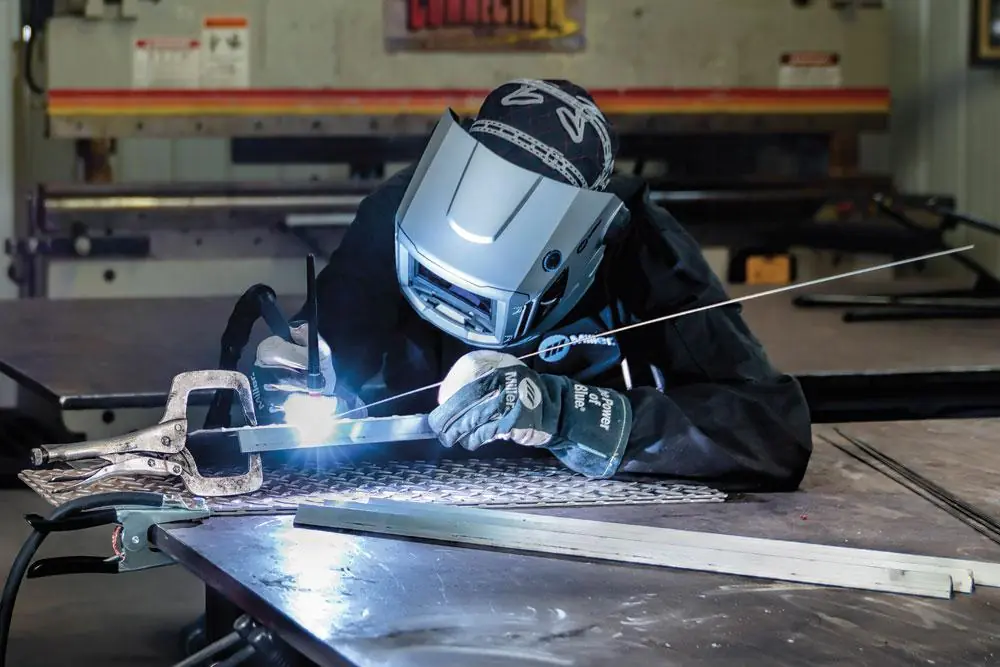
TIG Welding Aluminum
TIG welding is one of the most common methods for aluminum welding, especially for thin sheets and applications requiring high weld appearance.
Features:
- Uses a tungsten electrode and AC to break down the aluminum oxide layer.
- Provides precise heat control and clean weld formation.
- Suitable for detailed welding work with strict appearance requirements.
Limitations:
- Relatively slow welding speed
- Requires skilled operators
Applications: Aluminum sheets/ Precision components/ Small-batch production/ Thin aluminum parts (typically 0.5–6 mm)
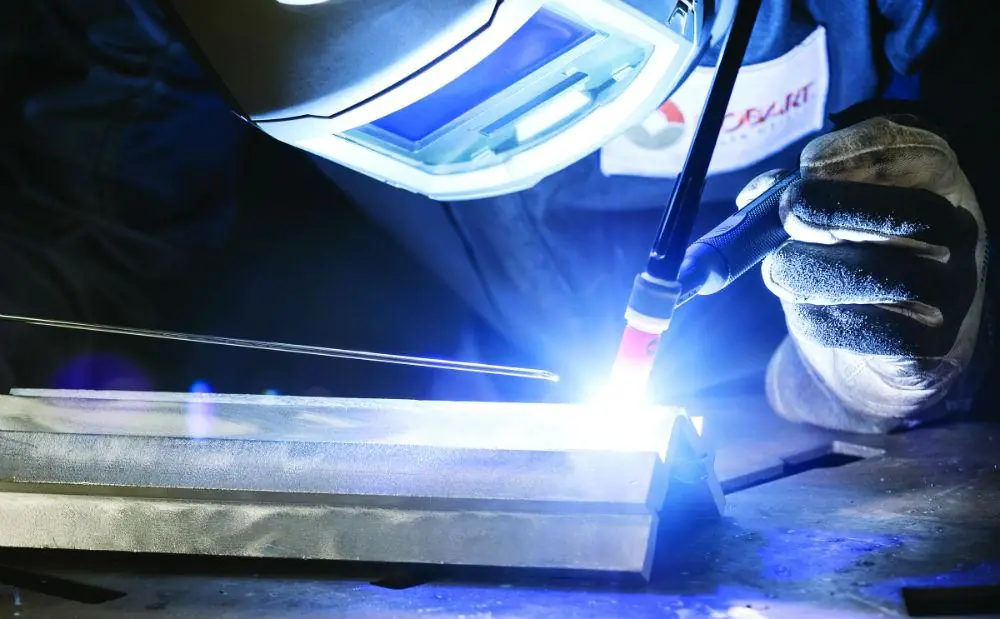
MIG Welding Aluminum
MIG welding uses a continuously fed aluminum wire as the electrode and is widely used for medium and thick aluminum parts.
Features:
- Higher welding speed compared with TIG.
- Suitable for continuous production and larger components.
- Pulse MIG can reduce heat input and improve weld stability.
Limitations:
- Requires proper wire feeding control.
- Weld appearance may require more post-processing compared with TIG or laser welding.
Applications: Aluminum frames/ Automotive parts/ Structural components/ Medium and thick aluminum plates
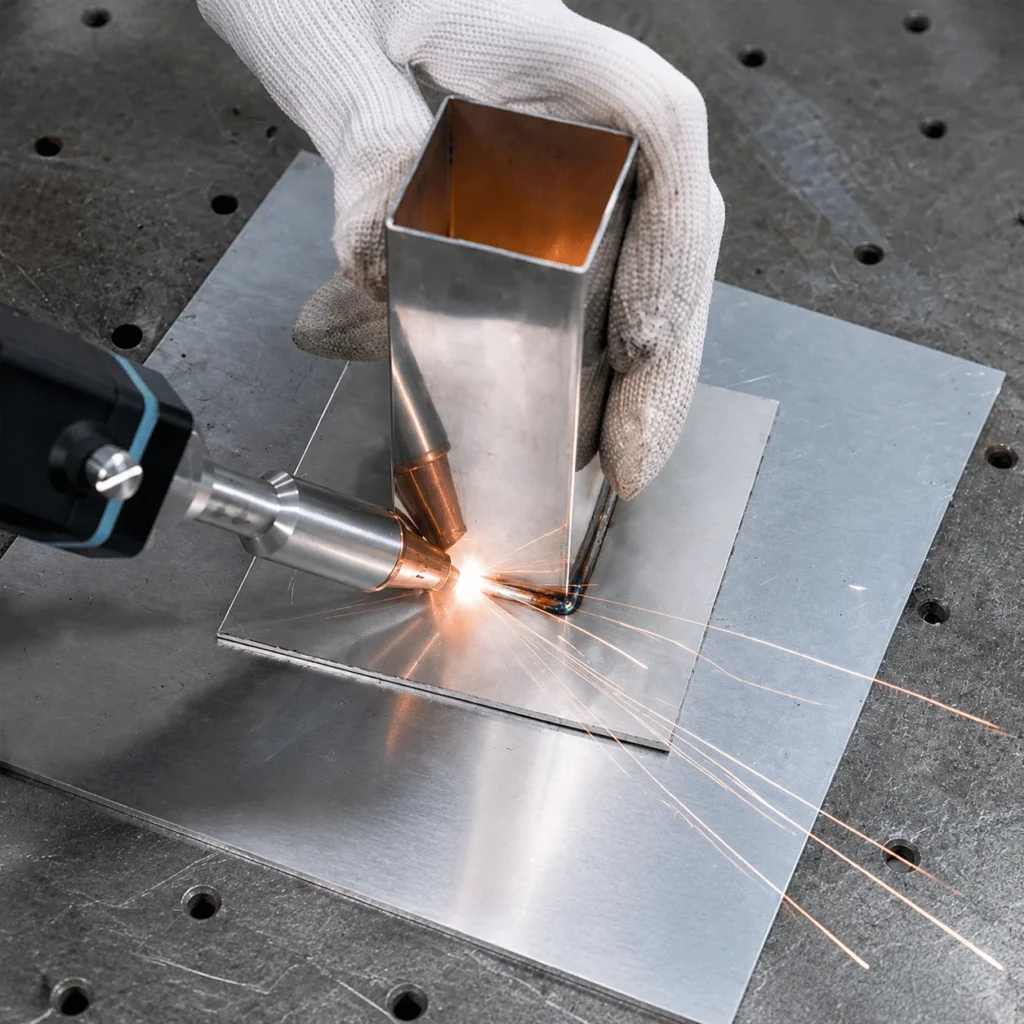
Laser Welding Aluminum
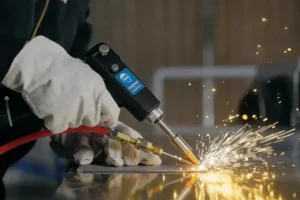
Laser welding uses a high-energy laser beam to create a concentrated heat source, making it suitable for precision aluminum welding and automated production.
Features:
- High welding speed with low heat input.
- Small heat-affected zone and reduced deformation.
- Produces clean welds with less post-processing.
Limitations:
- Aluminum has high laser reflectivity, requiring suitable power and parameter settings.
- Equipment cost is higher than traditional welding methods.
Applications: Aluminum battery components/ Automotive lightweight parts/ Electronic housings/ Thin-wall aluminum structures
For detailed process parameters on laser welding of aluminum, see the article: “Laser Welding Aluminum: Process, Parameters & Best Practices”
How to Choose the Right Aluminum Welding Method?
| Aluminum Thickness | Recommended Method | Considerations |
|---|---|---|
| Thin aluminum (<3 mm) | TIG, Laser Welding | Control heat input and reduce deformation |
| Medium thickness (3–10 mm) | MIG, Laser Welding | Balance welding speed and weld quality |
| High-volume production | MIG, Laser Welding | Improve efficiency and automation |
Before welding, aluminum surfaces should be cleaned to remove oil, dirt, and oxide layers. Proper preparation and parameter adjustment are essential for stable weld quality.
Common methods for welding aluminum include TIG, MIG, and laser welding, each with its own advantages. For more details, see: TIG vs. MIG vs. Laser Welding for Aluminum: Which Is Better?
TIG, MIG, and laser welding are all widely used in industry, but the processes differ. To learn more about the differences, see the article: “Laser Welding vs. Traditional Welding: Differences, Advantages, Costs, and Applications.”
Aluminum Welding Parameters and Thickness
Aluminum welding parameters vary depending on the welding method, alloy grade, and material thickness. Compared with steel, aluminum requires more attention to heat control because of its high thermal conductivity and oxide layer.
| Welding Method | Suitable Aluminum Thickness | Main Parameters |
|---|---|---|
| TIG Welding | 0.5–6 mm | Welding current, AC balance, shielding gas flow |
| MIG Welding | 2–10 mm | Welding current, wire feeding speed, welding speed |
| Laser Welding | 0.5–8 mm | Laser power, welding speed, focus position |
Laser Welding Parameters for Aluminum
Laser welding aluminum requires a proper match between laser power and welding speed. Low power may cause insufficient penetration, while excessive heat input can increase deformation and affect weld quality.
- Laser Power: Affects melting depth and welding capacity.
- Welding Speed: Controls heat input and weld formation.
- Focus Position: Changes the energy concentration and penetration depth.
- Shielding Gas: Argon is commonly used to protect the weld area from oxidation.
Pure aluminum is difficult to weld by laser due to its high reflectivity. Aluminum alloys have better weldability and can be welded with suitable laser power and process settings.
Aluminum Welding Thickness Selection
- Thin Aluminum (<3 mm): TIG and laser welding are suitable for parts requiring low deformation and good appearance.
- Medium Thickness Aluminum (3–8 mm): MIG and laser welding are commonly used for industrial production.
- Thick Aluminum (>8 mm): MIG welding or multi-pass welding is often selected for larger structures.
Before welding, remove oil, dirt, and oxide layers from the aluminum surface. Material thickness and joint design should be considered when setting welding parameters.
For more information on the power requirements and thickness limits for welding aluminum, see: Laser Welding Aluminum Thickness Guide: Power Selection and Welding Limits
How to Choose Filler Wire for Aluminum Welding?
The choice of aluminum filler wire depends on the base material, required strength, corrosion resistance, and welding method. A suitable filler wire helps reduce cracking, improve weld appearance, and maintain joint performance.
ER4043 Aluminum Filler Wire
ER4043 is one of the most commonly used aluminum welding wires. It contains silicon, which improves weld fluidity and reduces the risk of hot cracking.
Suitable for:
- General aluminum welding
- Aluminum sheets and cast aluminum parts
- Applications requiring good weld appearance
ER5356 Aluminum Filler Wire
ER5356 contains magnesium and provides higher weld strength and better corrosion resistance compared with ER4043.
Suitable for:
- Structural aluminum parts
- Marine applications
- Components requiring higher mechanical strength
How to Select the Right Filler Wire?
Selecting the right welding wire requires consideration of various factors.
- Base Material: The filler wire should match the aluminum alloy type.
- Weld Strength: Higher-strength applications may require ER5356 or similar wires.
- Welding Method: TIG, MIG, and laser welding may use different wire feeding requirements.
- Application Environment: Corrosion resistance and service conditions affect filler selection.
For laser welding aluminum, filler wire diameter and feeding stability also affect weld formation. Common wire diameters are 0.8–1.6 mm, depending on material thickness and joint gap.
When welding aluminum with significant width and depth, it is necessary to use filler wire of the appropriate size. For information on how to select the type and size of filler wire, see: Aluminum Laser Welding Filler Wire: Alloy Selection and Diameter Guide
What Shielding Gas Is Used for Aluminum Welding?
Shielding gas is used to protect the weld pool from air exposure during aluminum welding. Proper gas protection helps prevent oxidation, porosity, and weld surface defects.
Argon Gas
Argon is the most widely used shielding gas for aluminum welding. It provides stable arc performance and good protection during the welding process.
Common applications:
- TIG welding aluminum
- MIG welding aluminum
- Laser welding aluminum
Helium Gas
Helium produces a hotter arc than argon and is sometimes mixed with argon for welding thicker aluminum parts. It can increase heat input and improve penetration.
Common applications:
- Thick aluminum sections
- High heat input welding
Shielding Gas for Laser Welding Aluminum
Laser welding aluminum usually uses high-purity argon as the shielding gas. The gas flow needs to match the laser power, welding speed, and nozzle position to protect the weld area during welding.
For most aluminum welding applications, argon is the standard choice due to its availability, stable protection, and suitability for different welding processes.
Differences and Functions of Gases Used in Laser Welding; for more details, see the article: Do Laser Welders Need Gas?
Common Aluminum Welding Defects and Solutions
Aluminum welding is sensitive to surface condition, heat input, and welding parameters. Common defects usually occur when the material preparation, shielding protection, or process settings are not suitable.
Porosity
- Causes: Porosity is mainly caused by contamination on the aluminum surface, moisture in the welding area, or insufficient shielding gas protection. These factors allow gas to enter the molten weld pool and form small holes after solidification.
- Solutions: Clean the aluminum surface before welding, use proper shielding gas flow, and check gas purity to reduce the risk of porosity.
Porosity in aluminum laser welding isn’t caused by a single factor. How can it be prevented? For more details, see: How to Reduce Aluminum Laser Welding Porosity?
Hot Cracking
- Causes: Hot cracking can occur when the filler wire does not match the base material or when excessive heat input creates stress during cooling. Aluminum alloys with high cracking sensitivity require careful parameter control.
- Solutions: Choose suitable filler wire, adjust welding power and speed, and control heat input to reduce cracking.
Lack of Fusion
- Causes: Lack of fusion happens when the welding energy is insufficient, or the oxide layer on the aluminum surface prevents proper bonding between materials.
- Solutions: Remove the oxide layer before welding, adjust welding parameters, and maintain the correct welding position to improve fusion.
Burn Through
- Causes: Burn-through is usually caused by excessive heat input, slow welding speed, or unsuitable parameters for thin aluminum materials.
- Solutions: Reduce welding power, increase welding speed, or adjust settings according to material thickness.
Weld Deformation
- Causes: Aluminum expands and contracts significantly during welding. Excessive heat accumulation can cause distortion, especially on thin sheets and large components.
- Solutions: Control heat input, use proper fixture support, and select a welding process suitable for the material thickness.
Good surface preparation, proper parameters, and suitable welding methods are key to reducing aluminum welding defects and maintaining weld quality.
Problems with aluminum welding have always existed, but they are not inevitable. For common issues and solutions in fiber laser welding, see the article: Fiber Laser Welding Aluminum: Challenges and Solutions
Tips for Successful Aluminum Welding
Aluminum welding quality depends on material preparation, welding settings, and operator control. Proper preparation and parameter adjustment can help avoid common problems such as porosity, cracking, and deformation.
- Clean the Aluminum Surface Before Welding: Aluminum oxide and surface contaminants can affect weld bonding. Remove oil, dust, and oxide layers before welding to maintain a clean welding surface.
- Select the Right Filler Wire: The filler wire should match the aluminum alloy, joint requirements, and welding process. Suitable filler selection helps maintain weld strength and reduce cracking.
- Control Heat Input: Aluminum has high thermal conductivity and expands easily when heated. Adjust welding power and speed according to material thickness to reduce deformation and maintain penetration.
- Use Proper Shielding Gas: Shielding gas protects the molten weld pool from oxidation. Argon is commonly used for aluminum welding due to its stable protection during the welding process.
- Test Welding Parameters Before Production: Different aluminum alloys and thicknesses require different settings. Test welds before production help confirm suitable power, speed, and wire feeding parameters.
Clean materials, suitable parameters, and proper process control are the main factors for producing reliable aluminum welds.
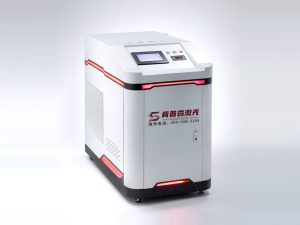
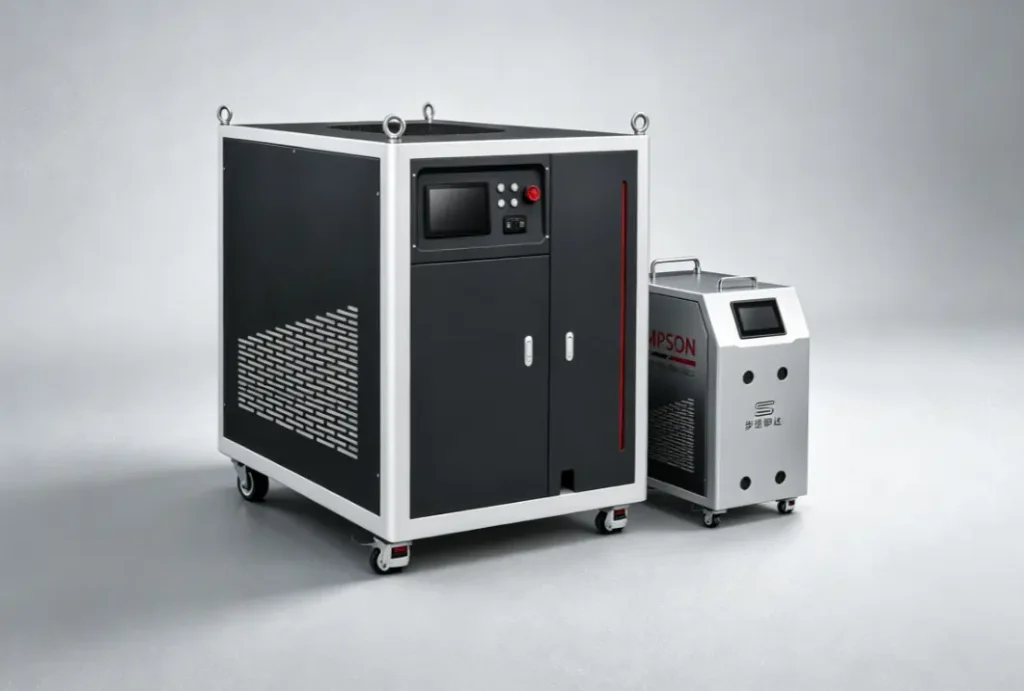
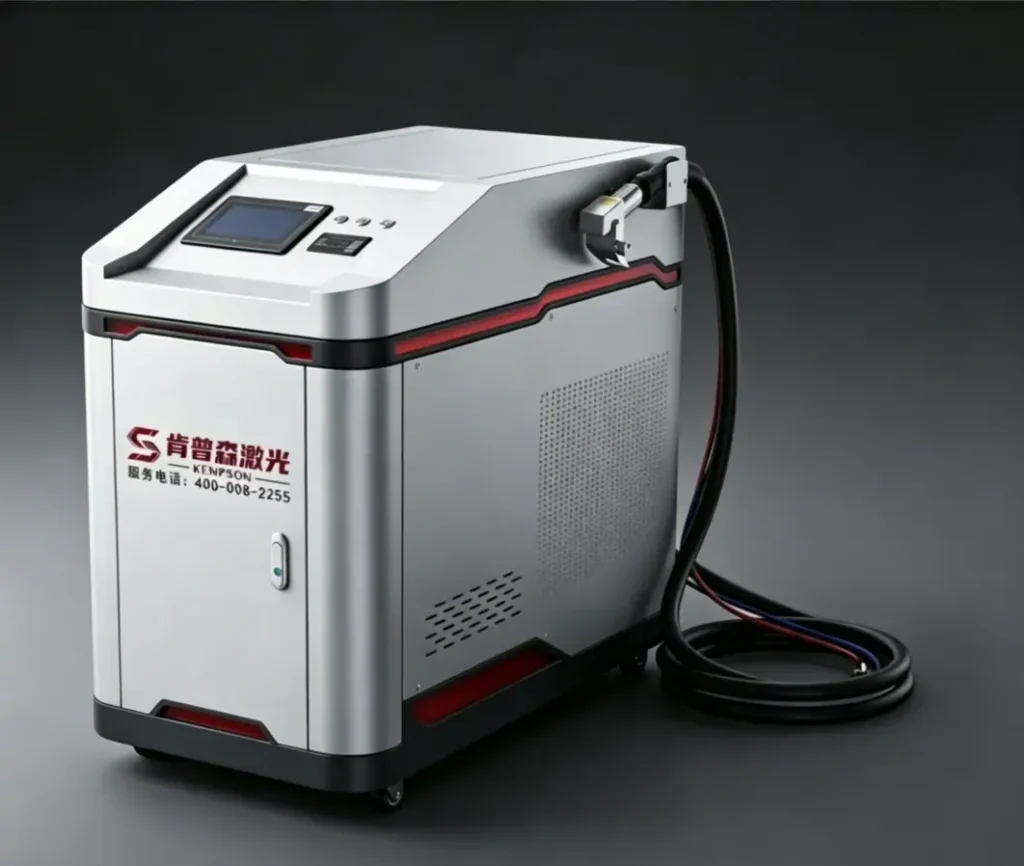
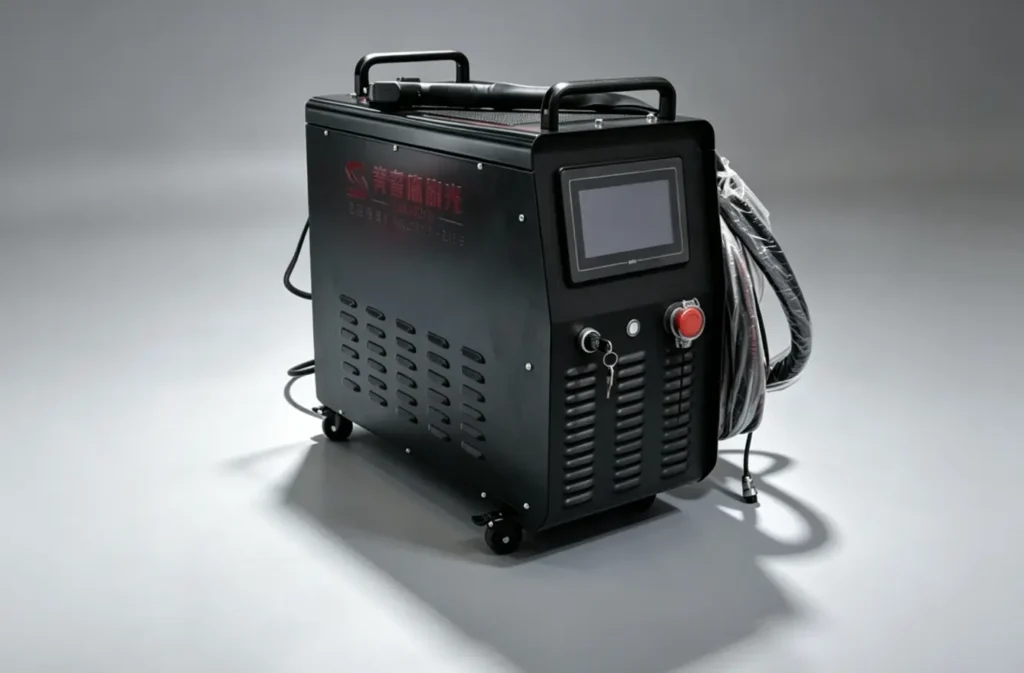
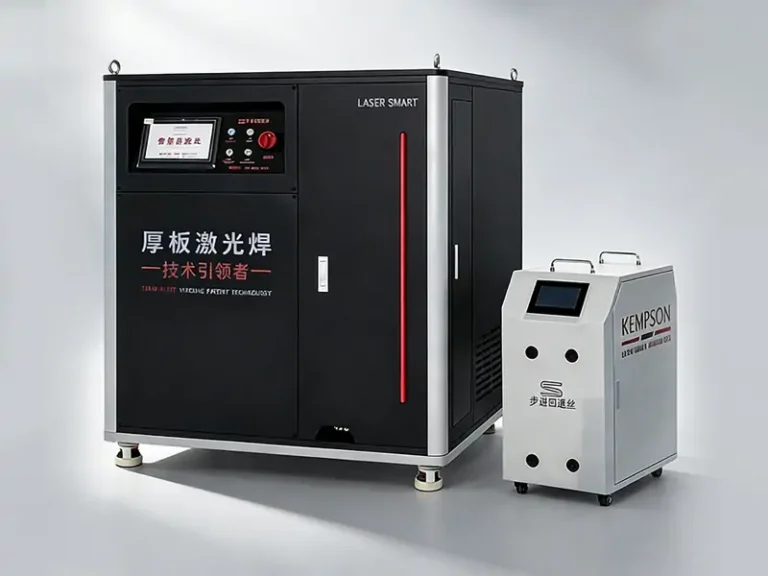
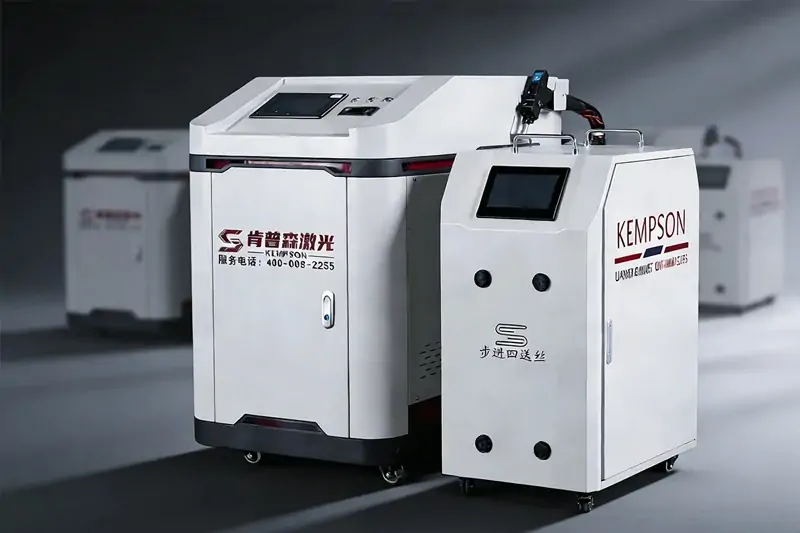
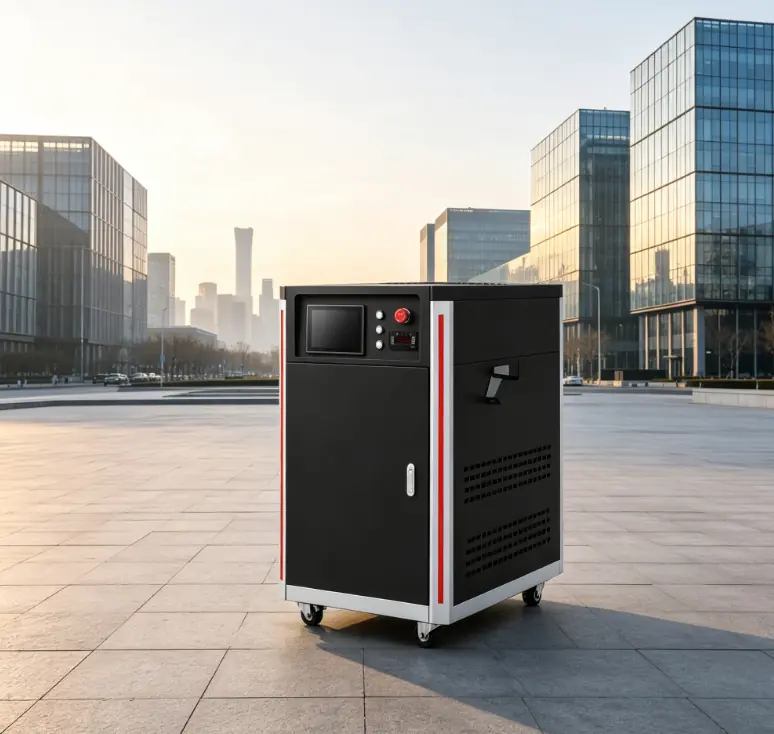
Laser Welding Machine for Aluminum Welding
Conclusion
Welding aluminum requires careful control of material preparation, welding parameters, and process conditions. TIG, MIG, and laser welding each have their own advantages for different aluminum applications, while factors such as thickness, alloy type, and joint design affect the final weld quality.
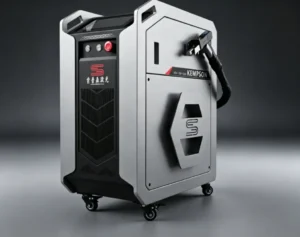
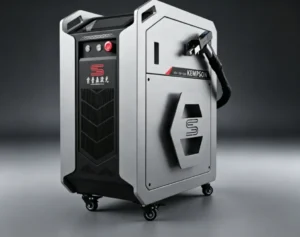
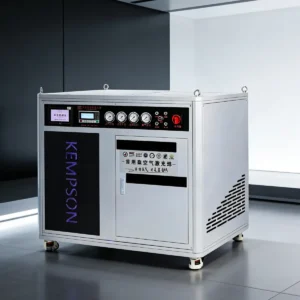
KEMPSON offers laser welding machines for aluminum and aluminum alloys. For aluminum parts that require high precision, low deformation, and clean weld appearance, laser welding provides an effective solution. If you need a suitable aluminum laser welding solution based on your material and production requirements, please contact us for professional advice.
FAQ
What is the best method for welding aluminum?
The best aluminum welding method depends on the material thickness, alloy type, and production requirements. TIG welding is suitable for thin aluminum parts with high appearance requirements, MIG welding is commonly used for medium and thick aluminum components, and laser welding is preferred for applications requiring high speed, low deformation, and clean welds.
Can aluminum be welded with a laser welding machine?
Yes, aluminum alloys can be welded with a laser welding machine. Due to high reflectivity, pure aluminum is more difficult to process, while aluminum alloys can achieve stable welding results with suitable laser power and welding parameters.
What gas is used for aluminum welding?
Argon is the most commonly used shielding gas for aluminum welding. It protects the weld pool from oxidation and helps maintain stable welding quality. Helium or argon-helium mixtures may be used for some thicker aluminum applications.
What filler wire is used for aluminum welding?
ER4043 and ER5356 are two commonly used aluminum filler wires. ER4043 provides good weld fluidity and appearance, while ER5356 offers higher strength and corrosion resistance for structural applications.
What laser power is needed to weld aluminum?
The required laser power depends on aluminum thickness, alloy type, and welding speed. In general, 1000W–4000W laser welding machines are commonly used for aluminum welding applications, with higher power used for thicker materials.
How thick aluminum can a laser welder weld?
A laser welder can typically weld aluminum from thin sheets up to several millimeters thick. The actual thickness depends on laser power, joint design, and welding parameters. For example, a 2000W–3000W laser welder is commonly used for aluminum parts around 3–8 mm thick.
Why does aluminum welding crack?
Aluminum welding cracks are often caused by improper filler wire selection, excessive heat input, unsuitable welding parameters, or high stress during cooling. Proper material cleaning, filler selection, and parameter adjustment can reduce cracking risks.
Is laser welding better than TIG welding for aluminum?
Laser welding and TIG welding have different advantages. TIG welding is suitable for small batches and applications requiring detailed control, while laser welding offers higher speed, lower heat input, and less deformation, making it suitable for precision parts and mass production.