Table of Contents
Introduction
Laser welding offers concentrated heat input, high welding speed, and precise control of the weld zone. Understanding the laser welding advantages and disadvantages is essential, as limitations include higher equipment investment, sensitivity to joint gaps, material-dependent process requirements, and strict laser safety controls.
For manufacturers comparing laser welding with TIG or MIG, the right choice depends on material, thickness, joint geometry, production volume, finishing requirements, and total operating cost. This guide explores the advantages and disadvantages of laser welding, compares welding methods, and explains when laser welding is a practical option.
What Are the Advantages of Laser Welding?
The main advantages of laser welding are high welding speed, concentrated heat input, precise weld control, and automation compatibility. Results vary by material, thickness, joint geometry, and process settings.
- High Welding Speed: Laser welding supports fast travel speeds on suitable workpieces. Actual speed depends on laser power, material thickness, joint type, and penetration requirements.
- Reduced Heat Input and Distortion: The laser beam concentrates energy in a small area, reducing heat exposure around the weld. This can limit the heat-affected zone and distortion in thin sheet metal and precision parts.
- High Weld Precision and Repeatability: A focused beam produces narrow weld seams. Stable fixtures, accurate positioning, and consistent parameters help maintain weld quality across production batches.
- Less Post-Weld Grinding: Correctly set laser parameters can produce smooth weld seams with limited spatter. Grinding requirements depend on joint fit-up, surface finish standards, and weld quality.
- Automation Compatibility: Laser welding systems can integrate with industrial robots, CNC equipment, and production fixtures. Programmable paths support repeatable welding cycles in batch manufacturing.
- Thin Sheet Metal and Precision Parts: Laser welding suits many thin-sheet components, stainless steel enclosures, kitchen equipment, and precision assemblies. Material properties, thickness, joint design, and penetration depth determine suitability.
The advantages and disadvantages of laser welding should be assessed against actual production requirements, equipment costs, joint tolerances, and laser safety provisions.
What Are the Disadvantages of Laser Welding?
The main disadvantages of laser welding include high equipment costs, tight joint tolerances, material restrictions, and strict safety requirements.
- High Initial Equipment Cost: Costs include the laser source, cooling unit, fixtures, fume extraction, and safety enclosure. Automation adds integration expenses.
- Sensitivity to Joint Gaps and Fit-Up: Excessive gaps or misalignment can cause incomplete fusion, inconsistent welds, or burn-through. Accurate fixturing and tight part tolerances are essential.
- Material and Joint Design Limitations: Reflective metals such as copper and aluminum require suitable process settings. Material thickness, thermal conductivity, and joint geometry affect weld quality.
- Strict Laser Safety Requirements: Laser welding requires suitable beam shielding, safety interlocks, controlled access, and appropriate eye protection. Fume extraction depends on the materials and emissions involved.
- Skilled Process Setup and Parameter Control: Laser power, welding speed, focal position, shielding gas, and wire feed must match the workpiece. Incorrect settings can cause porosity, spatter, or incomplete penetration.
- Limited Cost Benefits for Some Production Tasks: Low production volumes, frequent changeovers, and simple welding jobs may not justify the investment. TIG or MIG welding may offer lower costs for these applications.
These laser welding limitations should be assessed against workpiece requirements, production volume, safety provisions, and total operating costs.
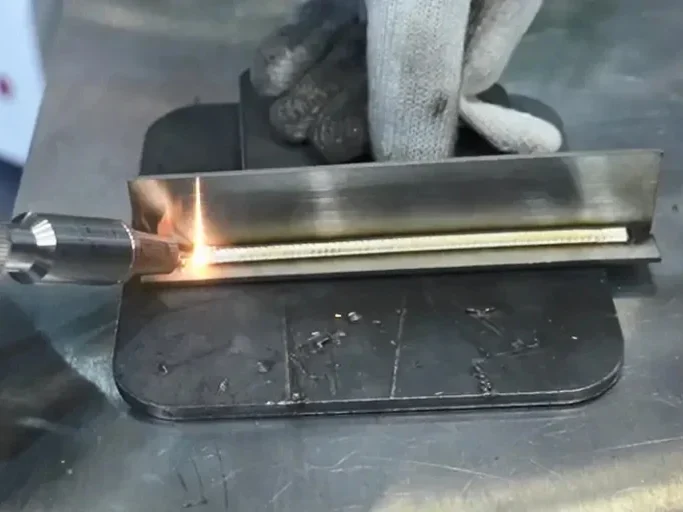
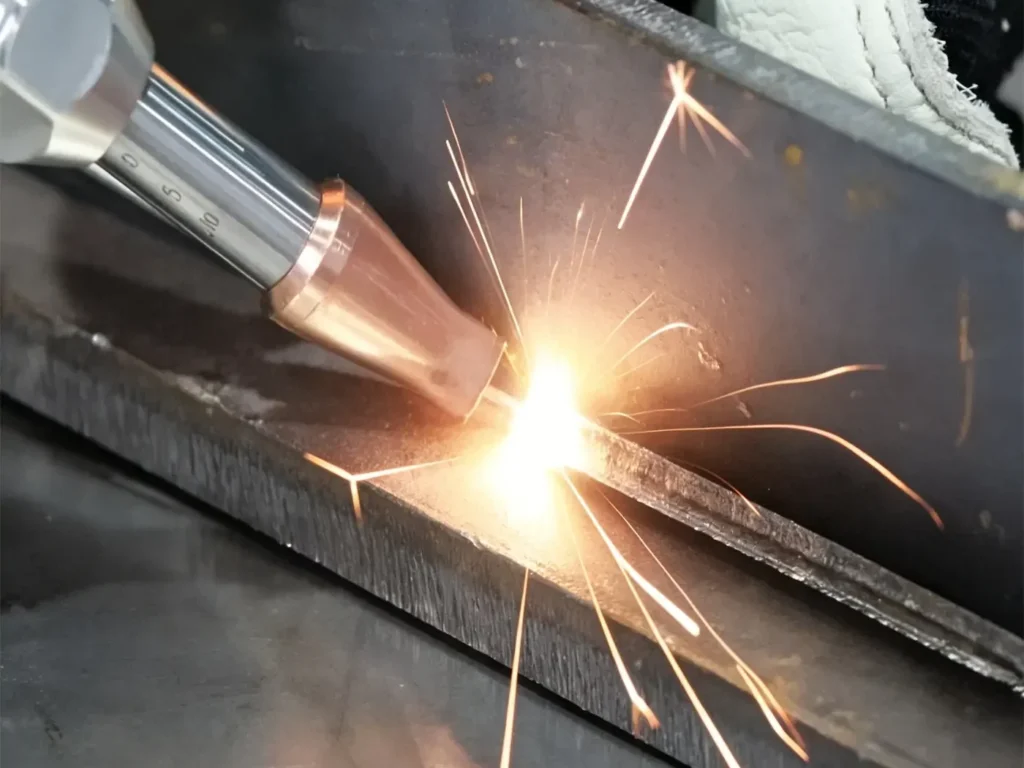
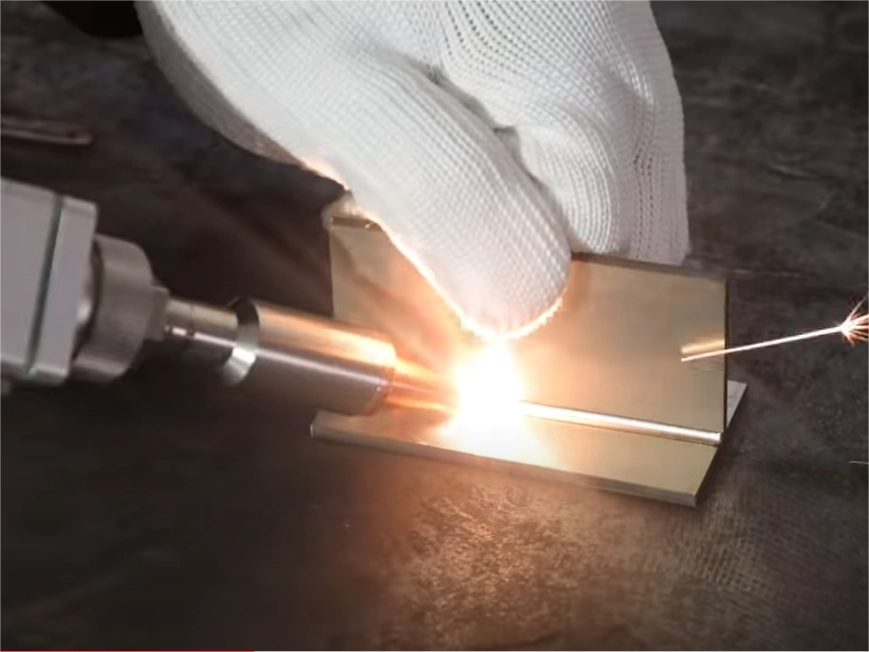
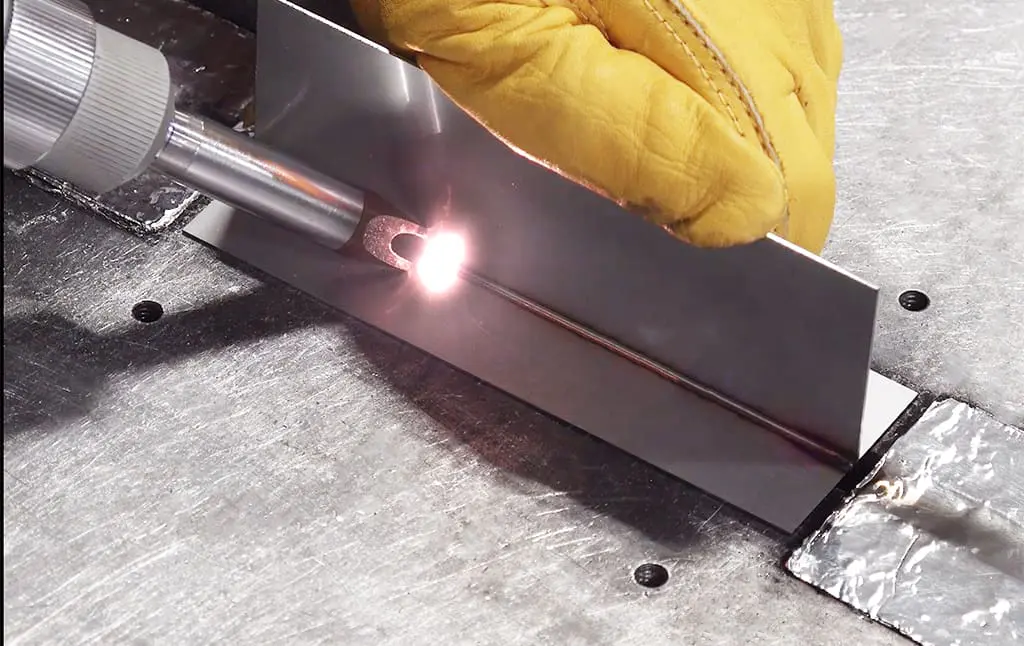
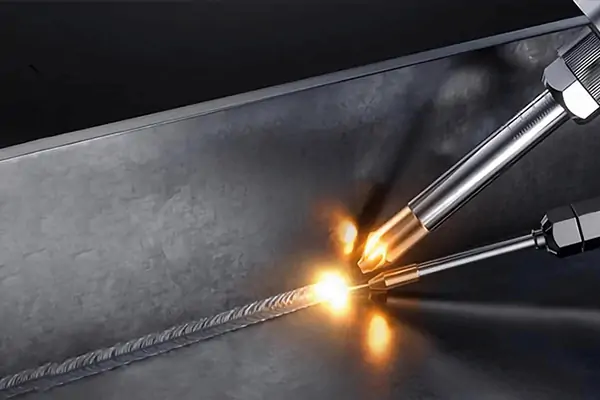
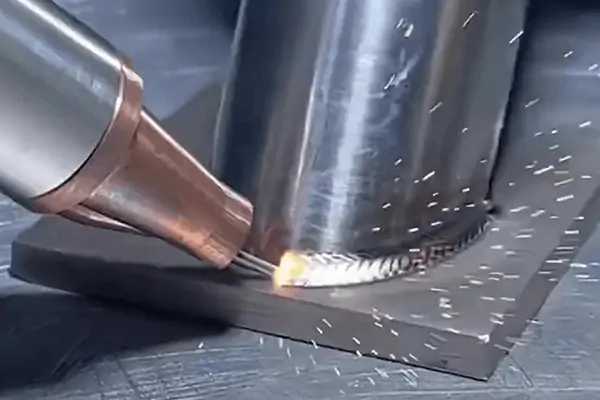
Welding Effect Show
Laser Welding vs. TIG and MIG Welding
The choice between laser welding, TIG, and MIG depends on welding speed, heat input, joint fit-up, equipment cost, and production volume.
| Comparison Factor | Laser Welding | TIG Welding | MIG Welding |
|---|---|---|---|
| Welding Speed | High travel speeds on suitable joints | Generally slower, suited to controlled welding | Suitable for continuous, high-volume welding |
| Heat Input | Concentrated energy with a small heat-affected zone under suitable conditions | Precise heat control by the operator | Controlled through current, voltage, and travel speed |
| Joint Fit-Up | Requires accurate alignment and tight gap control | Can handle varied joint conditions with proper technique | Filler wire can bridge some joint gaps |
| Equipment Cost | Higher initial investment | Generally lower equipment cost | Generally lower equipment cost |
| Automation | Well suited to robotic and automated systems | Automation is available with suitable equipment | Widely used in automated production lines |
Which Welding Process Should You Choose?
- Laser welding: Suitable for high-speed production, precision parts, and automated welding with controlled joint tolerances.
- TIG welding: Suitable for thin materials, detailed welds, and applications requiring close control of the weld pool.
- MIG welding: Suitable for general fabrication, thicker components, and production tasks requiring filler metal and flexible joint fit-up.
Actual performance depends on material, thickness, joint design, weld quality requirements, and production conditions. Compare these factors before selecting a welding process.
For a more comprehensive comparison of different welding methods, see the following articles:
Laser Welding vs. Traditional Welding: Differences, Advantages, Costs, and Applications
TIG vs. MIG vs. Laser Welding for Aluminum: Which Is Better?
How Much Does Laser Welding Cost?
The laser welding cost depends on equipment configuration, production requirements, and ongoing operating expenses. Purchase price alone does not reflect the total cost of welding.
Factors Affecting Laser Welding Machine Cost
Machine price varies with laser power, laser source, cooling system, wire feeder, automation level, and safety equipment. Robotic integration and custom fixtures add to the initial investment.
Operating Costs of Laser Welding
Operating expenses include electricity, shielding gas, consumables, maintenance, labor, and rework. Actual costs depend on welding parameters, operating hours, material type, and production efficiency.
How to Evaluate the Return on Investment
Compare the total operating cost before and after switching to laser welding. Include labor, welding time, grinding, rework, and equipment maintenance.
Payback period formula: Payback Period = Initial Investment ÷ Annual Net Savings
Annual net savings should account for added operating costs and maintenance.
| Cost Factor | Data to Record |
|---|---|
| Initial Investment | Machine, fixtures, safety systems, installation |
| Labor Savings | Hours saved per year × labor cost per hour |
| Finishing Savings | Annual reduction in grinding and polishing costs |
| Rework Savings | Annual reduction in repair and scrap costs |
| Added Operating Costs | Electricity, gas, consumables, maintenance |
A realistic laser welding cost assessment requires production data from the actual workpiece. Low production volumes may not justify the investment, while repetitive welding and reduced finishing requirements can improve the financial case.
When Does Laser Welding Make Commercial Sense?
Laser welding is worth evaluating when production involves repetitive joints, tight dimensional requirements, visible seams, or costly post-weld finishing. Stainless steel enclosures, kitchen equipment, sheet-metal components, and precision assemblies are common candidates.
TIG or MIG may remain more economical for small batches, irregular parts, wide joint gaps, or jobs where welding speed and finishing costs have little effect on total production cost.
Before selecting equipment, test representative workpieces using the intended material, thickness, joint design, and production parameters. Record penetration, weld appearance, distortion, cycle time, and finishing labor. Compare these results with the existing process to determine whether the investment is commercially justified.
Kempson Cases Show
A manufacturer specializing in stainless steel components initially used traditional MIG welding, which presented numerous challenges, including high manual grinding costs (approximately 120 yuan per month), high material costs (approximately 50 yuan per month), and low welding efficiency. Furthermore, each welded part took an average of 45 minutes to complete, while the daily effective working hours were only 6 hours. After introducing laser welding, these problems were easily resolved: welding efficiency was greatly improved, labor costs were significantly reduced, and welding quality was enhanced. [View The Case]
Choosing a Laser Welding Machine from KEMPSON
Laser welding performance depends on material thickness, joint design, weld penetration, and production requirements. KEMPSON offers laser welding machines from 1,000W to 6,000W, with configurable wire feeding, beam options, and multifunction processing systems for different industrial applications.
Match Laser Power to Material and Thickness
The required laser power depends on the base material, plate thickness, joint type, penetration target, and welding speed. KEMPSON helps manufacturers evaluate these factors before selecting a machine configuration.
Laser Welding Power Selection
| Material | Selection Considerations | Available Power Options |
|---|---|---|
| Stainless Steel | Plate thickness, seam appearance, penetration, and distortion | 1,000W–6,000W |
| Carbon Steel | Thickness, penetration depth, travel speed, and joint preparation | 1,000W–6,000W |
| Aluminum | Alloy type, reflectivity, heat conduction, and joint geometry | Application-dependent configuration |
The suitable power range depends on the actual workpiece and welding requirements. A welding test is recommended before final equipment selection.
Recommended Equipment
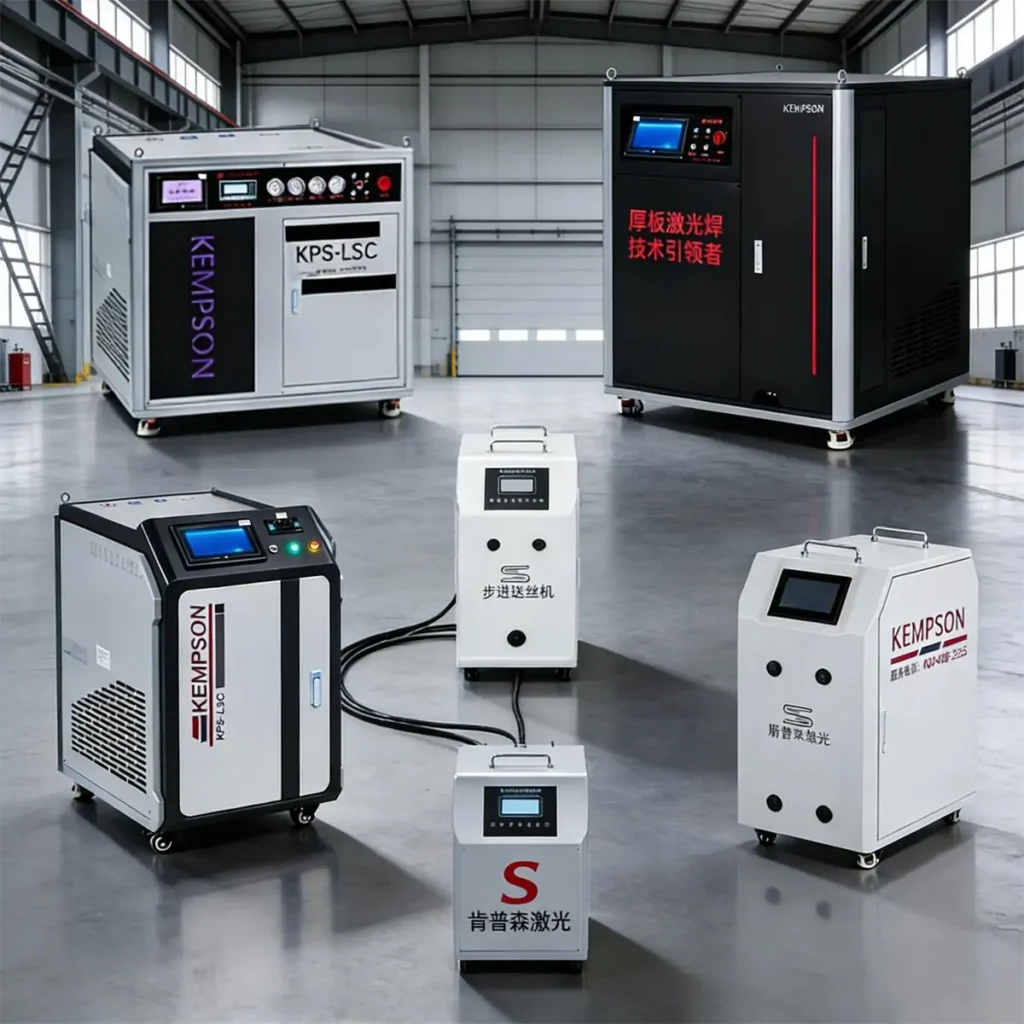
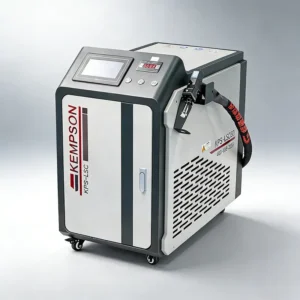
Handheld Laser Welding Machine — For fabrication shops, sheet-metal processing, and general metal welding.
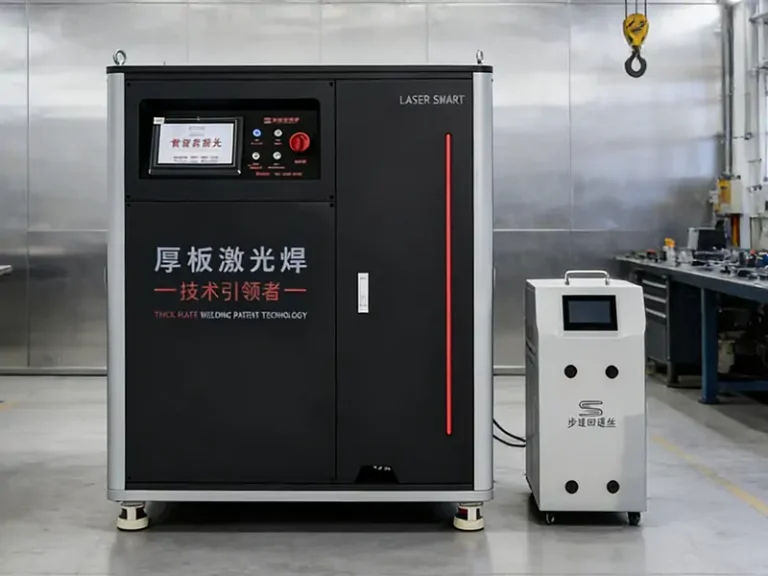
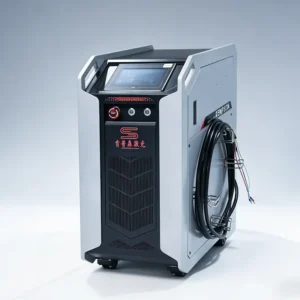
High-Power Laser Welding Machine — For applications requiring higher penetration or greater production output.
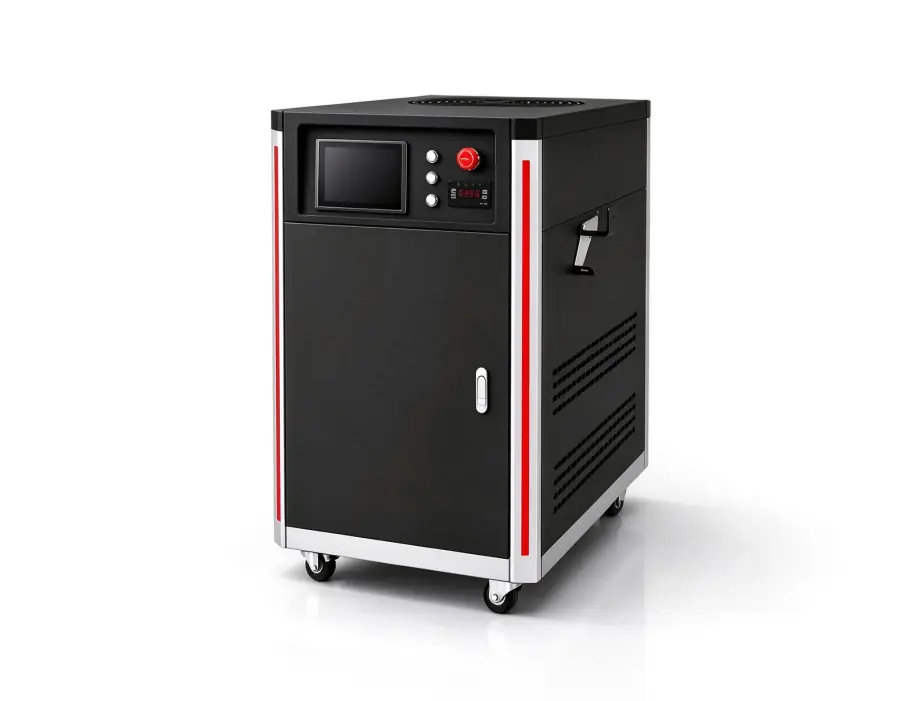
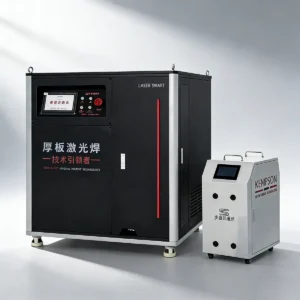
6000W Dual-Beam Laser Welding Machine — For demanding welding applications materials such as aluminum and copper.
Configure Wire Feeding and Process Functions
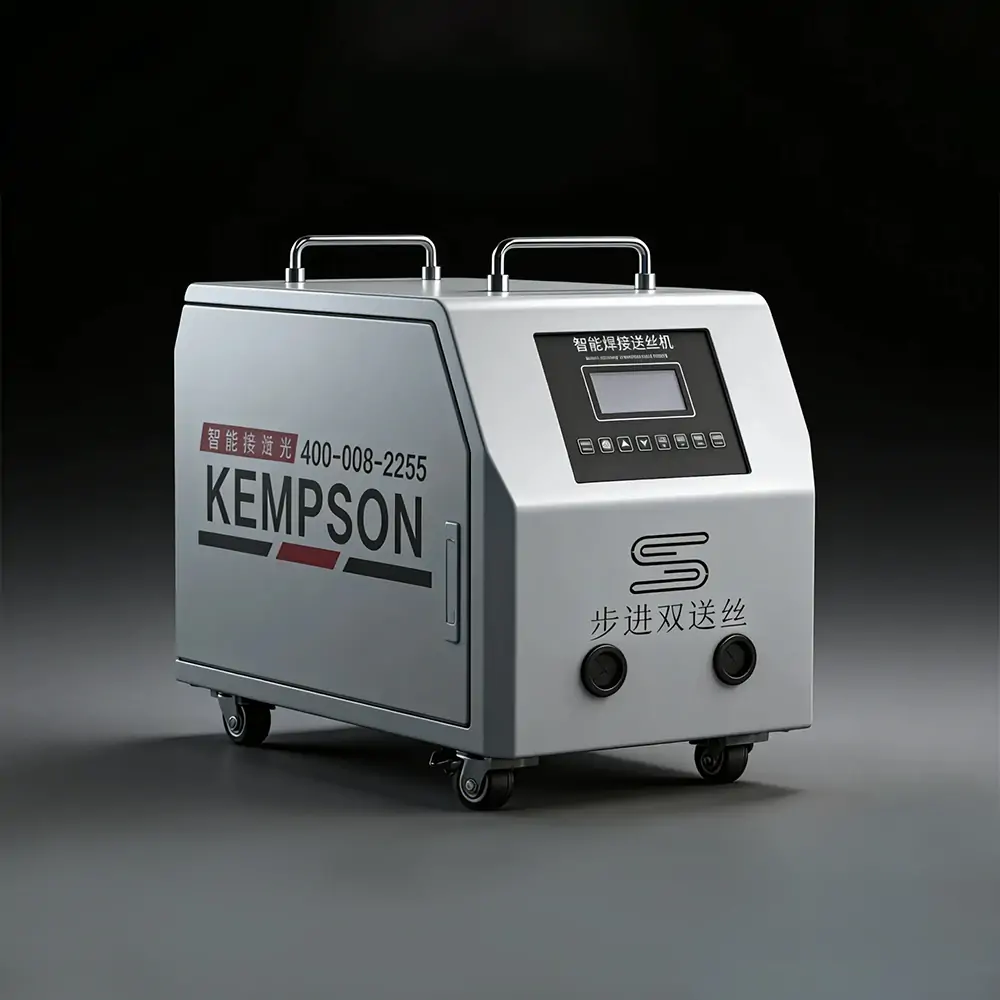
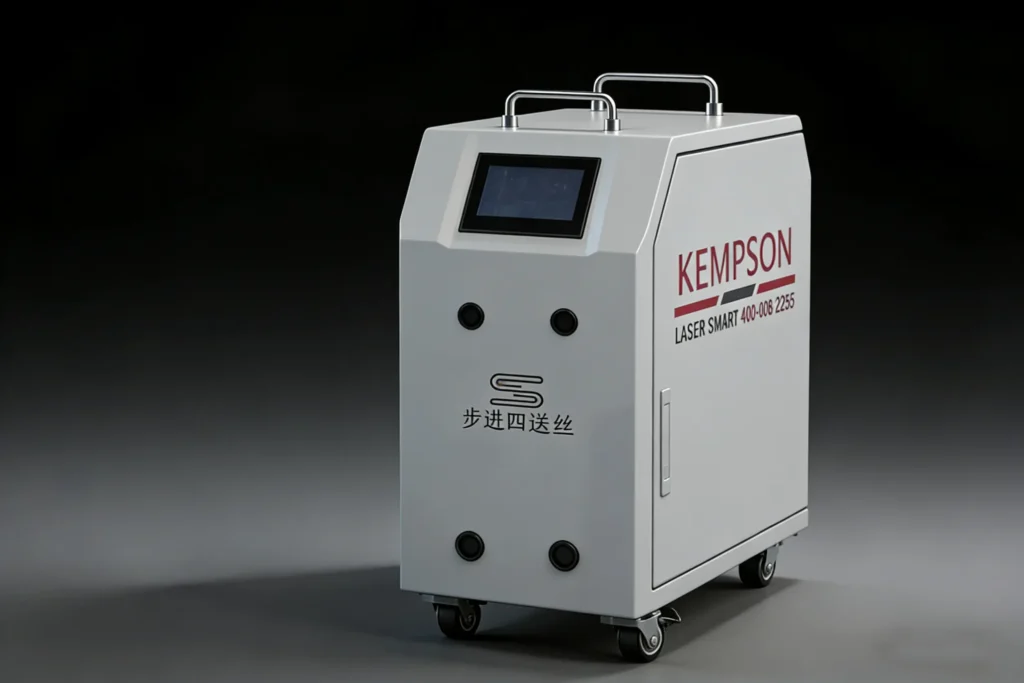
Joint gaps, filler metal requirements, weld appearance, and production methods affect the machine configuration. KEMPSON can assess whether a wire feeder, dual-beam setup, or multifunction processing system fits the application.
Configuration Options
| Configuration | Application Considerations |
|---|---|
| Wire Feeder | For joints requiring filler metal or additional weld material |
| Dual-Beam Laser Welding | For applications requiring independent control of the center and ring beams |
| Multifunction Laser System | For production tasks involving welding and selected cleaning or cutting operations |
| Customized Setup | For specific workpiece dimensions, joint designs, and production conditions |
Wire feeders are designed for welding applications that require filler metal to bridge large gaps. The number of wires used, parameter settings, and wire diameter must all be selected based on the specific application. For more details, read the following articles:
Single vs. Dual Wire Feeding for Laser Welding: What’s the Difference?
Laser Welding Wire Feeding Speed: How to Set the Right Parameters
How to Choose Welding Wire for Laser Welding: Material, Diameter, and Applications
Explore KEMPSON Solutions
- Dual-Beam Laser Welding Machine — Review center-beam and ring-beam configurations for demanding welding applications.
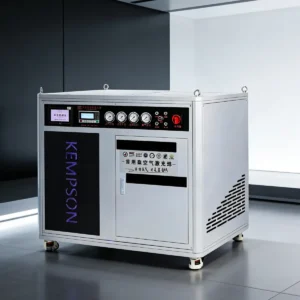
- 4-in-1 Laser Welding Machine — Combines welding, cleaning, cutting, and weld-seam cleaning functions.
Request a Welding Test for Your Workpiece
Machine specifications alone cannot confirm weld quality on a specific component. KEMPSON can review the application details and arrange a welding test where applicable. Test results provide a practical basis for discussing laser power, process parameters, wire feeding, and equipment configuration.
Information to Prepare
- Material: Stainless steel, carbon steel, aluminum, copper, or other alloys.
- Plate Thickness: Actual thickness of each component being joined.
- Joint Design: Butt, lap, fillet, or other joint geometry.
- Workpiece Photos: Clear images of the parts, joint area, and current welding result.
- Production Requirements: Target output, welding length, operating hours, and finishing expectations.
How the Evaluation Works
- Submit Workpiece Details — Send the material, thickness, joint photos, and production targets.
- Review the Application — Discuss the power range, wire feeding requirements, and suitable process configuration.
- Conduct a Welding Test — Evaluate the sample under agreed test conditions, where applicable.
- Review the Results — Examine penetration, weld appearance, distortion, and processing time.
- Discuss Equipment Selection — Use the test results and production requirements to define the proposed machine configuration.
Conclusion
Laser welding suits many precision fabrication and repetitive production tasks. Equipment cost, joint fit-up, material properties, and safety requirements all need consideration when selecting a welding process. The right solution depends on the workpiece, weld quality requirements, production volume, and operating budget.
KEMPSON supplies laser welding machines from 1,000W to 6,000W, with wire feeding, dual-beam, and multifunction configurations. Contact us with your material type, plate thickness, joint photos, and production requirements to discuss machine options and arrange a welding test for your application.
Contact KEMPSON for laser welding equipment recommendations and project consultation.
FAQ
What are the main advantages of laser welding?
Laser welding offers high travel speeds, concentrated heat input, narrow weld seams, and compatibility with automated production. On suitable workpieces, it can reduce thermal distortion and post-weld grinding. Results depend on material, thickness, joint design, and process parameters.
What are the disadvantages of laser welding?
The main limitations include high equipment costs, tight joint-fit-up requirements, material-dependent process settings, and strict laser safety controls. Incorrect parameters or excessive joint gaps can cause porosity, incomplete fusion, or burn-through. Equipment setup also requires knowledge of laser welding processes.
Is laser welding better than TIG welding?
Laser welding suits high-speed production, precision components, and applications requiring limited heat distortion. TIG welding offers close manual control of the weld pool and works well for detailed fabrication. The choice depends on joint geometry, material thickness, weld appearance, production volume, and budget.
Is laser welding better than MIG welding?
Laser welding can offer faster travel speeds, narrow weld seams, and lower heat input on suitable joints. MIG welding handles a wide range of fabrication work and can accommodate some joint gaps through filler wire. Production volume, joint preparation, material thickness, and finishing costs influence process selection.
Is laser welding suitable for aluminum and stainless steel?
Yes. Laser welding can join aluminum and stainless steel when the laser power, focal position, travel speed, shielding gas, and joint design suit the material. Aluminum’s high reflectivity and thermal conductivity require appropriate process control. Material grade and thickness should be evaluated through welding tests.
Can laser welding handle gaps between metal parts?
Laser welding can handle limited joint gaps under suitable conditions, but excessive gaps can cause incomplete fusion, unstable weld formation, or burn-through. Filler wire can help accommodate some gaps. The acceptable gap depends on material thickness, joint geometry, wire feed settings, and welding parameters.
Is laser welding expensive to operate?
Operating costs include electricity, shielding gas, consumables, maintenance, labor, and any required finishing or rework. The total cost per part also depends on welding speed, production volume, and equipment utilization. Reduced grinding and shorter cycle times can offset part of the operating expense.
Is laser welding worth the investment for small manufacturers?
Laser welding can be worthwhile for small manufacturers producing repetitive parts, precision sheet metal, or components requiring consistent visible seams. Low production volumes, frequent changeovers, and simple welding tasks may favor TIG or MIG. Sample testing and a comparison of total cost per part provide a practical basis for investment decisions.