Table of Contents
Introduction
Laser beam welding is a precision welding process that uses a concentrated laser beam to generate heat, melt metal, and form a strong welded joint. Compared with traditional welding methods, it offers higher accuracy, faster welding speed, and a smaller heat-affected zone, making it widely used in automotive, battery, aerospace, and metal fabrication industries.
In this article, I will explain How Does Laser Beam Welding Work, from the basic welding principle, process steps, and two main welding modes to the key components, influencing factors, advantages, and industrial applications. This guide helps you understand how laser energy is converted into heat and how modern laser welding systems achieve stable and precise metal joining.
What Is Laser Beam Welding?
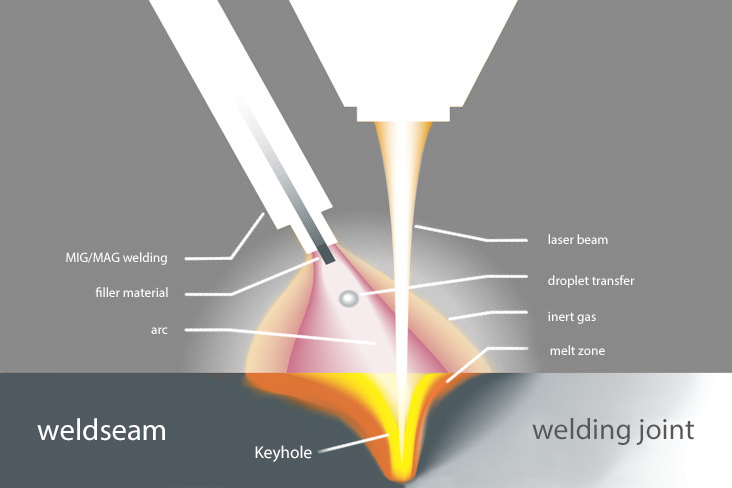
Laser beam welding (LBW) is a precision fusion welding process that uses a high-energy laser beam to join metals or thermoplastic materials. The laser beam is focused into a small area, creating a concentrated heat source that melts the material at the joint. After cooling and solidification, the molten pool forms a strong metallurgical bond between the workpieces.
The laser beam can be focused to a spot size of less than 1 mm, allowing precise heat control and deep weld penetration with minimal heat impact on surrounding areas. Compared with conventional welding methods, laser beam welding provides higher welding speeds, narrower weld seams, and better control for applications requiring accuracy and consistent quality.
For more details, see the article: What Is Laser Beam Welding? Working Principle, Types, Advantages and Applications
How Does Laser Beam Welding Work?
How Does Laser Beam Welding Work? Laser beam welding uses a focused laser beam to heat and join metal parts. The process includes surface preparation, part positioning, laser parameter adjustment, welding, cooling, and quality inspection.
- Step 1: Material Preparation:
Before welding, the joint area is cleaned to remove oil, rust, dust, and oxide layers. The parts are also aligned properly, with the joint gap usually controlled at 0.05–0.15 mm for 1 mm sheet metal welding. - Step 2: Workpiece Positioning:
The workpieces are fixed in a fixture to keep the welding position stable. Accurate positioning helps maintain a consistent weld line and reduces welding errors. - Step 3: Parameter Setting:
The welding parameters are set according to the material and thickness, including laser power, welding speed, focus position, and welding path. - Step 4: Laser Welding Process:
The laser beam is generated by the laser source and focused onto the welding area. The high energy melts the metal and forms a molten pool. When the power density is high enough, a keyhole forms, allowing deeper weld penetration. Shielding gas is used to protect the weld area during the process. - Step 5: Process Monitoring:
During welding, the system monitors the welding condition through sensors. Temperature, weld position, and molten pool changes can be checked and adjusted during operation. - Step 6: Cooling and Weld Formation:
After the laser passes, the molten metal cools and forms a solid weld joint. Due to the concentrated heat area, laser welding produces a smaller heat-affected zone with less deformation. - Step 7: Weld Inspection:
The finished weld is inspected for appearance and internal quality. Common methods include visual inspection, leak testing, X-ray inspection, and ultrasonic testing.
Laser beam welding is a precise joining process that covers preparation, laser processing, cooling, and inspection. The focused laser beam provides fast welding speed, deep penetration, and low heat impact, making it suitable for many industrial applications.
Laser Beam Welding Modes
Laser beam welding mainly works in two modes: heat conduction welding and keyhole welding. The difference between them is the laser power density and the way heat transfers into the material. Heat conduction welding is mainly used for thin materials and precision parts, while keyhole welding is suitable for deeper penetration and thicker components.
Heat Conduction Welding
Heat conduction welding uses a lower laser power density to heat and melt the material surface. The heat spreads into the material through thermal conduction, forming a shallow and smooth weld without metal vaporization. This method is commonly used for thin sheets, electronic components, and applications that require low heat input and minimal deformation.
Keyhole Welding (Deep Penetration Welding)
Keyhole welding uses a higher laser power density to melt and vaporize the material, creating a narrow cavity filled with metal vapor. The keyhole moves along with the laser beam, allowing molten metal to flow around it and form a deep weld seam. This method provides deeper penetration and is widely used for thick plates, automotive parts, battery components, and industrial metal fabrication.
For an in-depth understanding of keyhole welding (deep penetration welding), see the articles below:
What Is Deep Penetration Laser Welding?
What Is a Keyhole in Laser Welding?
Parts
A laser beam welding system combines laser generation, beam transmission, control, and auxiliary units. These components work together to deliver the laser energy to the weld area and complete the joining process.
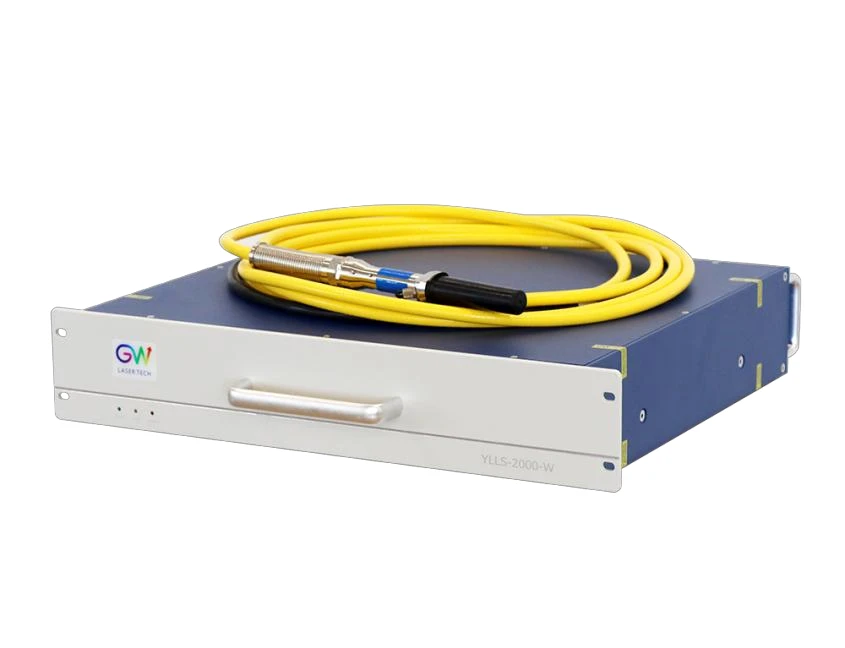
Laser Source
The laser source produces the welding beam. Fiber lasers, CO₂ lasers, and solid-state lasers are commonly used. The laser power depends on the material type, thickness, and welding depth.
Optical System
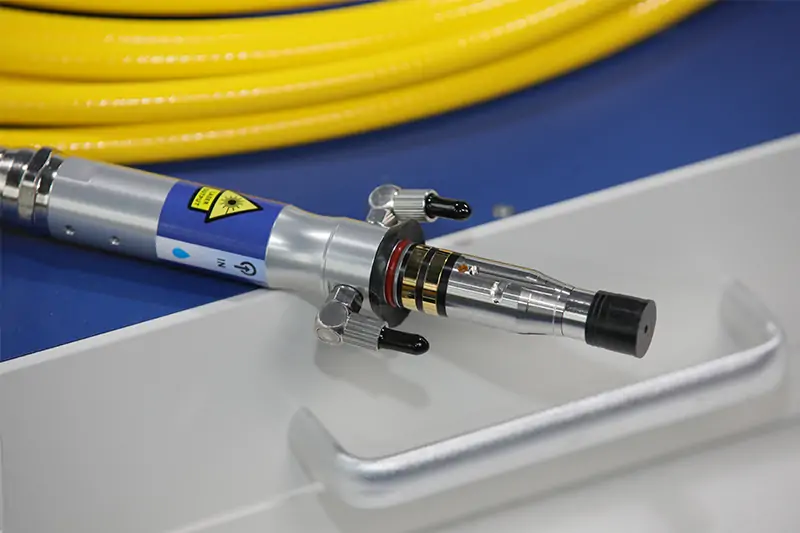
The optical system transfers and focuses the laser beam onto the workpiece. Lenses, fibers, and beam adjustment parts are used to control the beam position and focus.
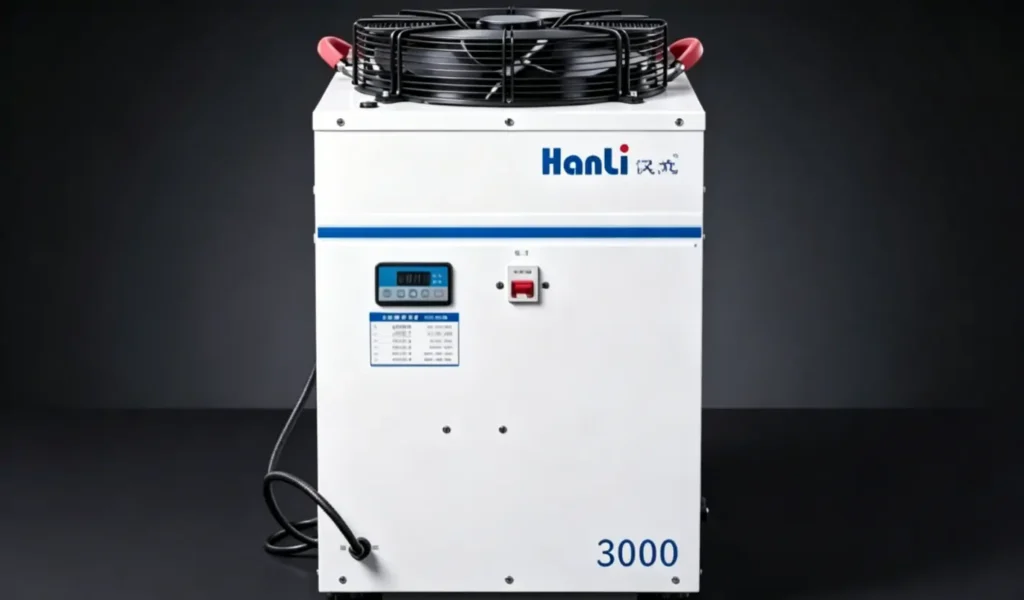
Cooling System
The cooling unit controls heat generated during operation. Water cooling is widely used for high-power laser welding, while air cooling is used for lower-power machines.
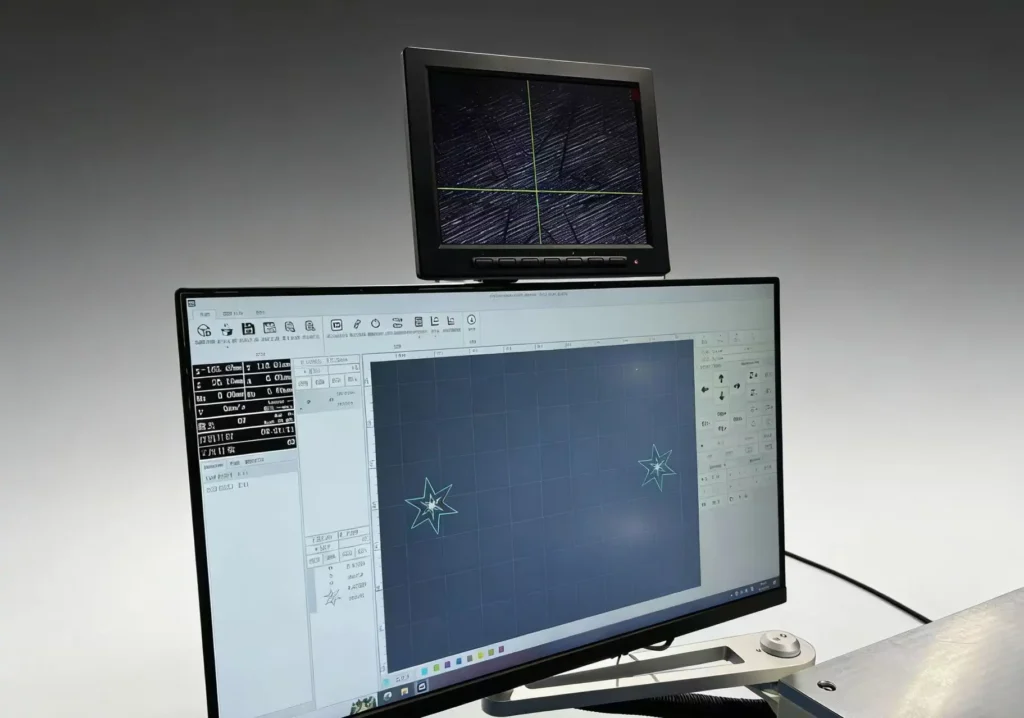
Control System
The control system sets and manages welding parameters, including power, speed, and focus position. PLC controllers, touchscreens, and sensors are commonly used in industrial equipment.
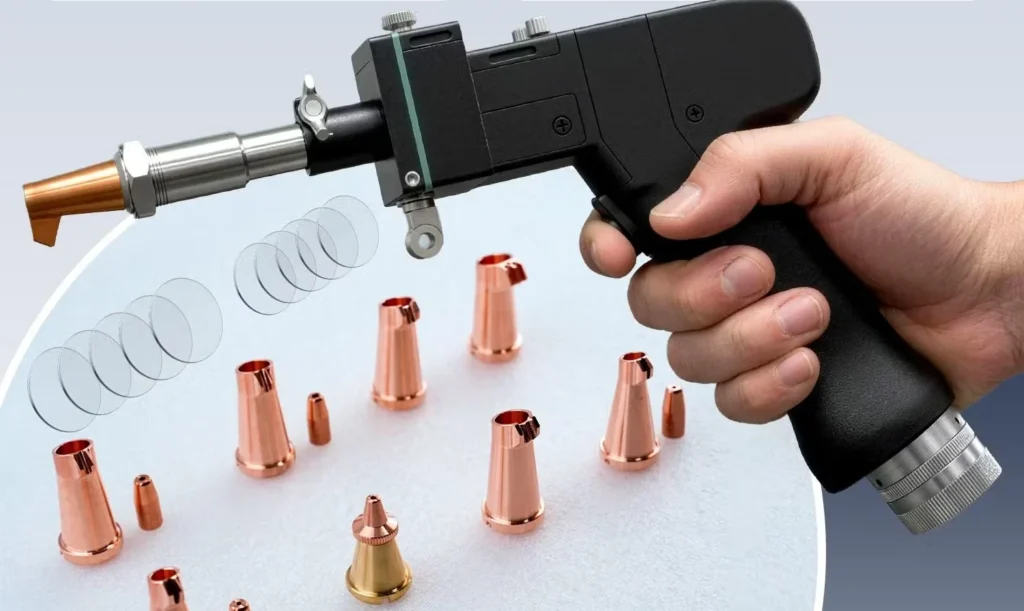
Welding Head and Motion System
The welding head sends the laser beam to the welding point. The motion system moves the laser head or workpiece along the programmed welding path.
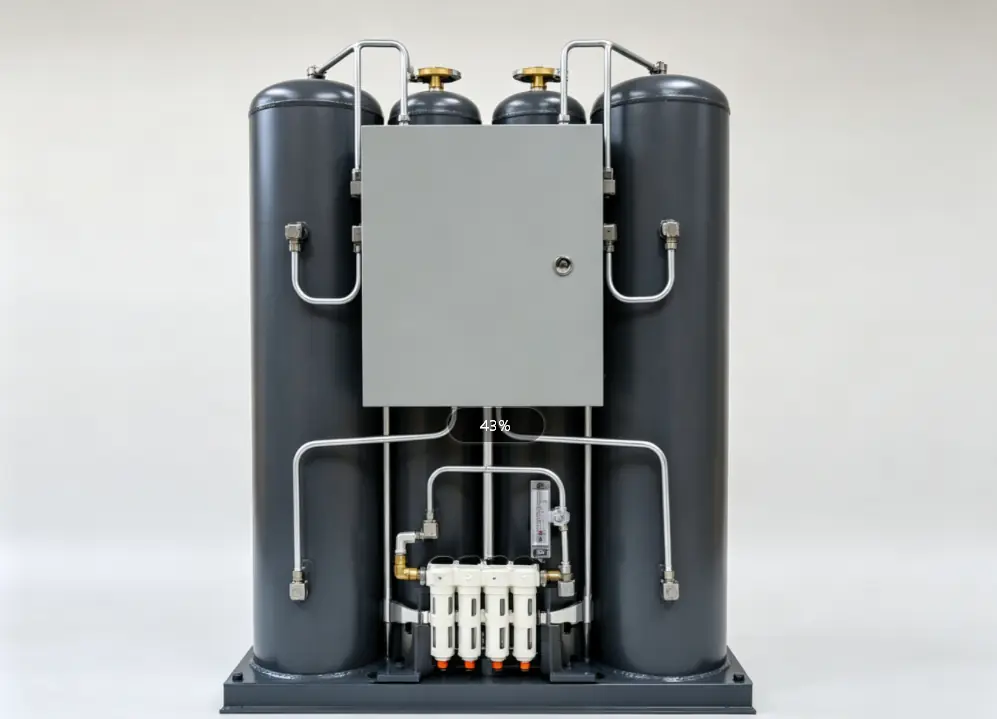
Shielding Gas System
The shielding gas system delivers argon, nitrogen, or other protective gases to the weld area to reduce oxidation and improve weld appearance.
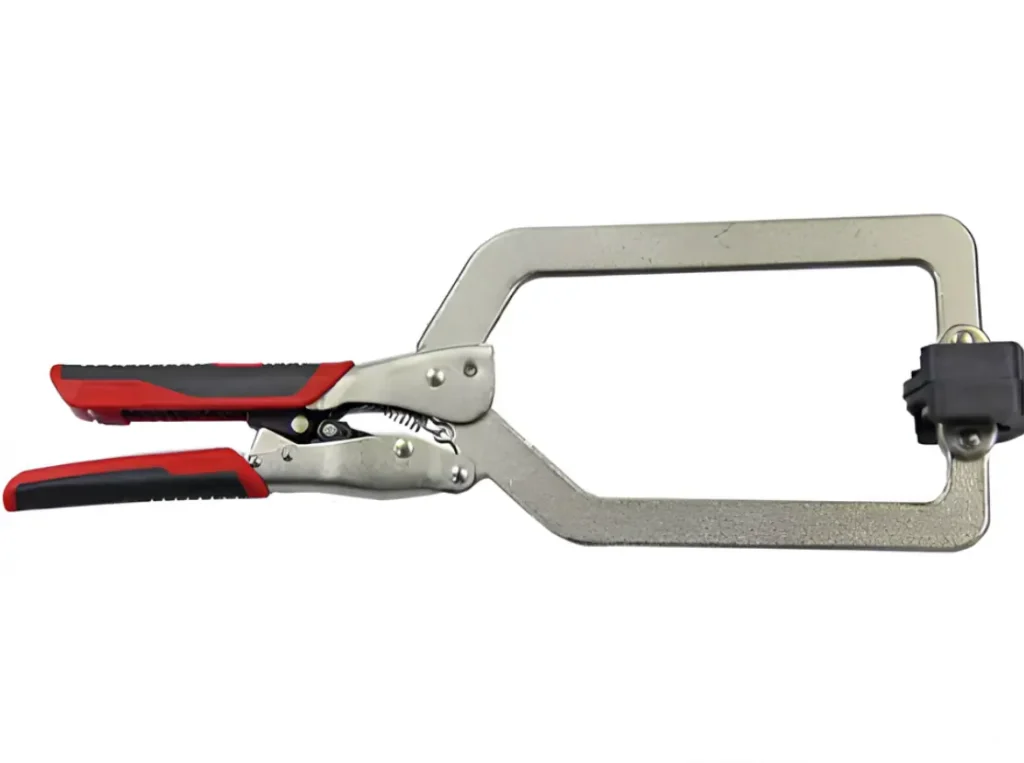
Fixtures and Clamping Devices
Fixtures secure the workpieces during welding and keep the joint position stable. They are widely used in precision welding and production lines.
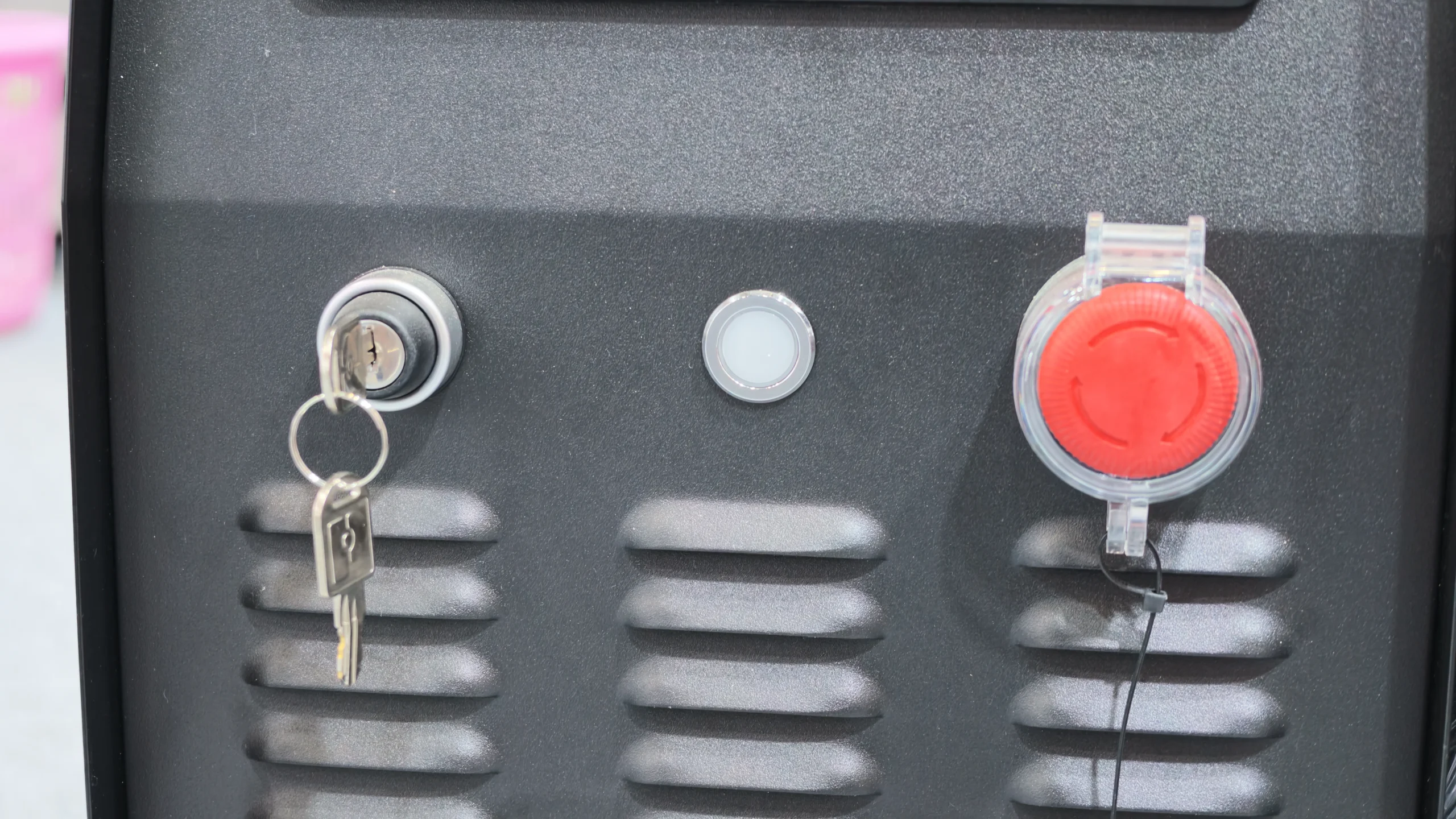
Safety Protection System
Safety components include protective covers, interlocks, emergency stops, and fume extraction devices to support safe operation.
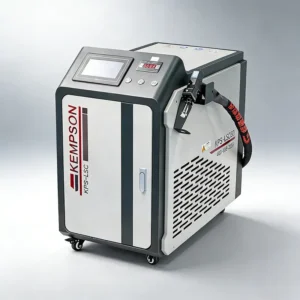
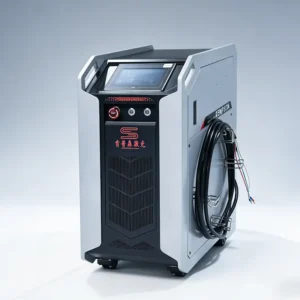
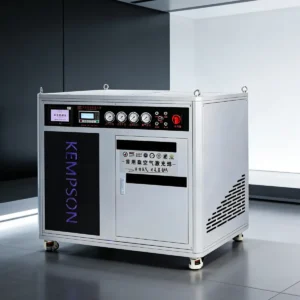
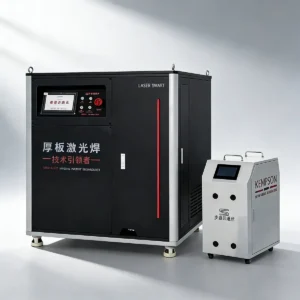
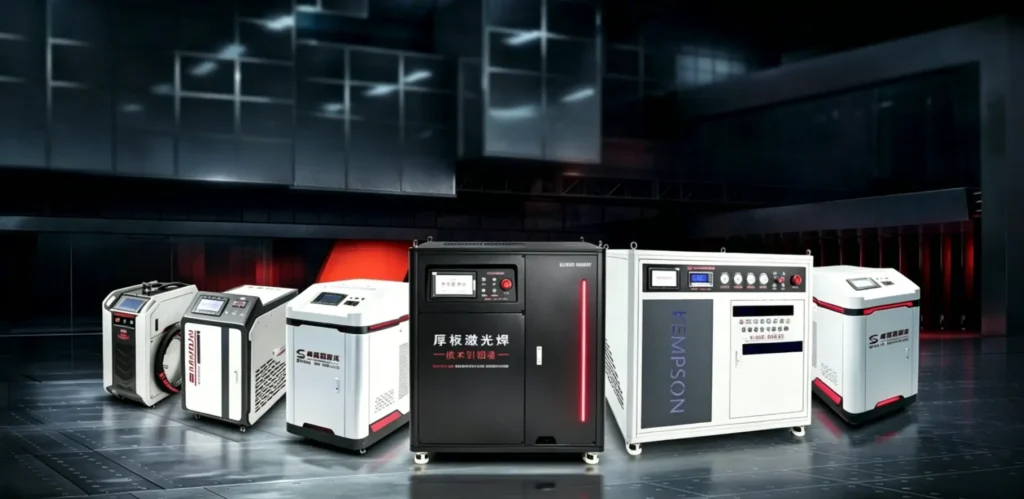
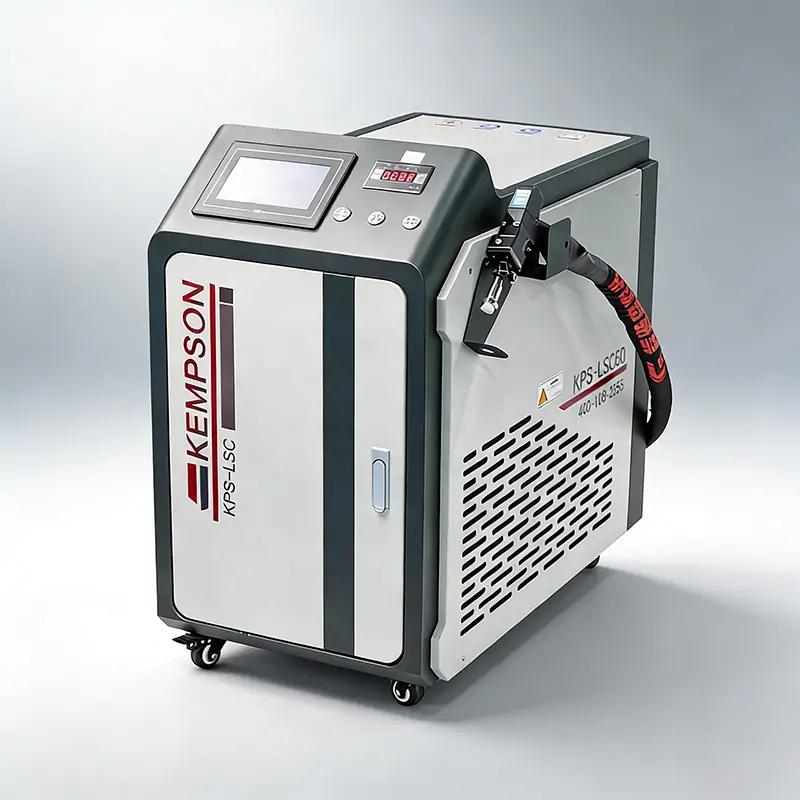
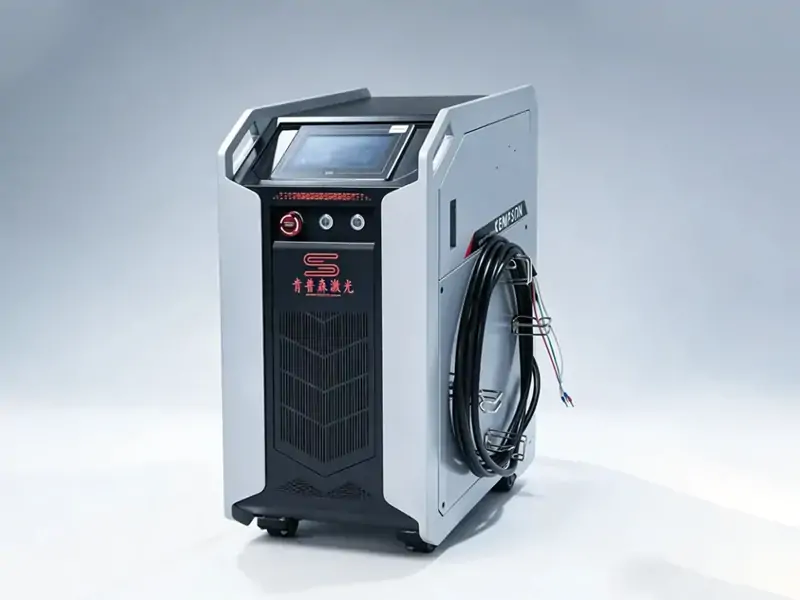
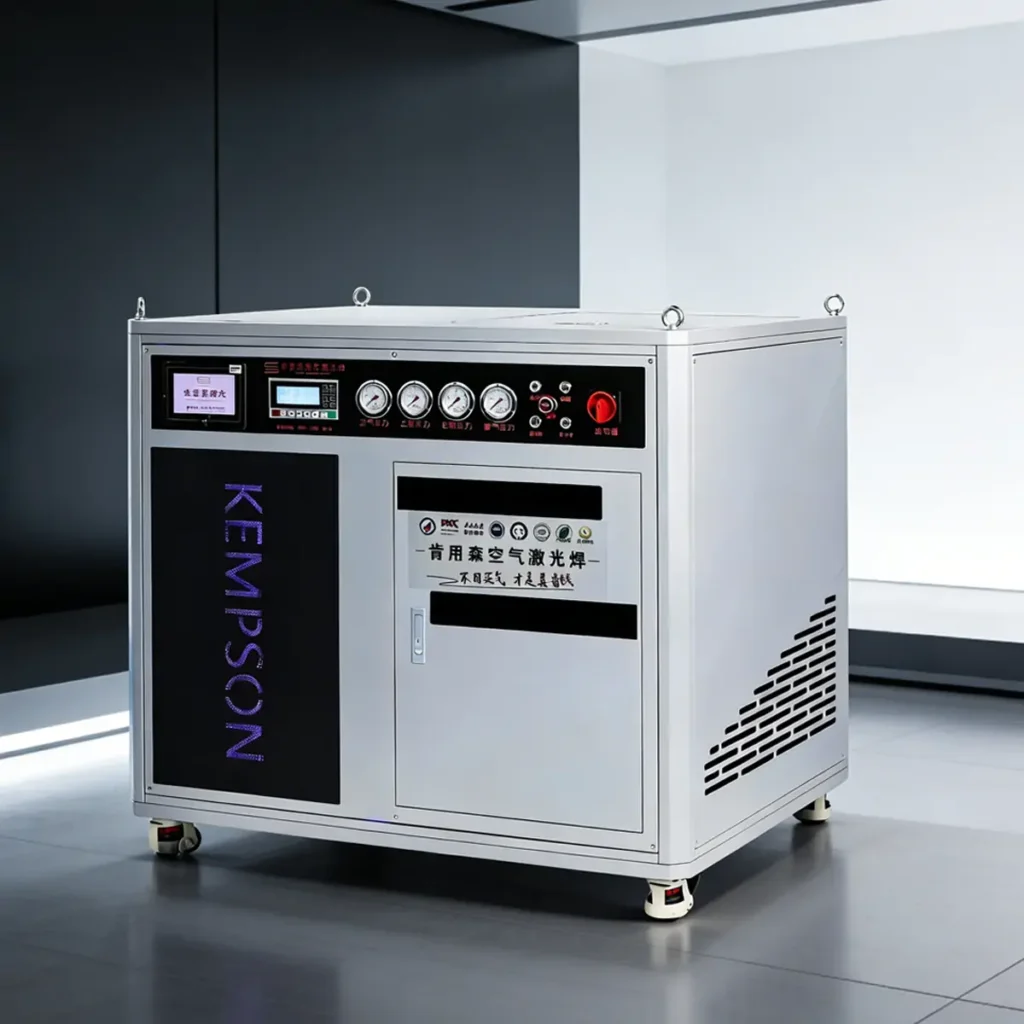
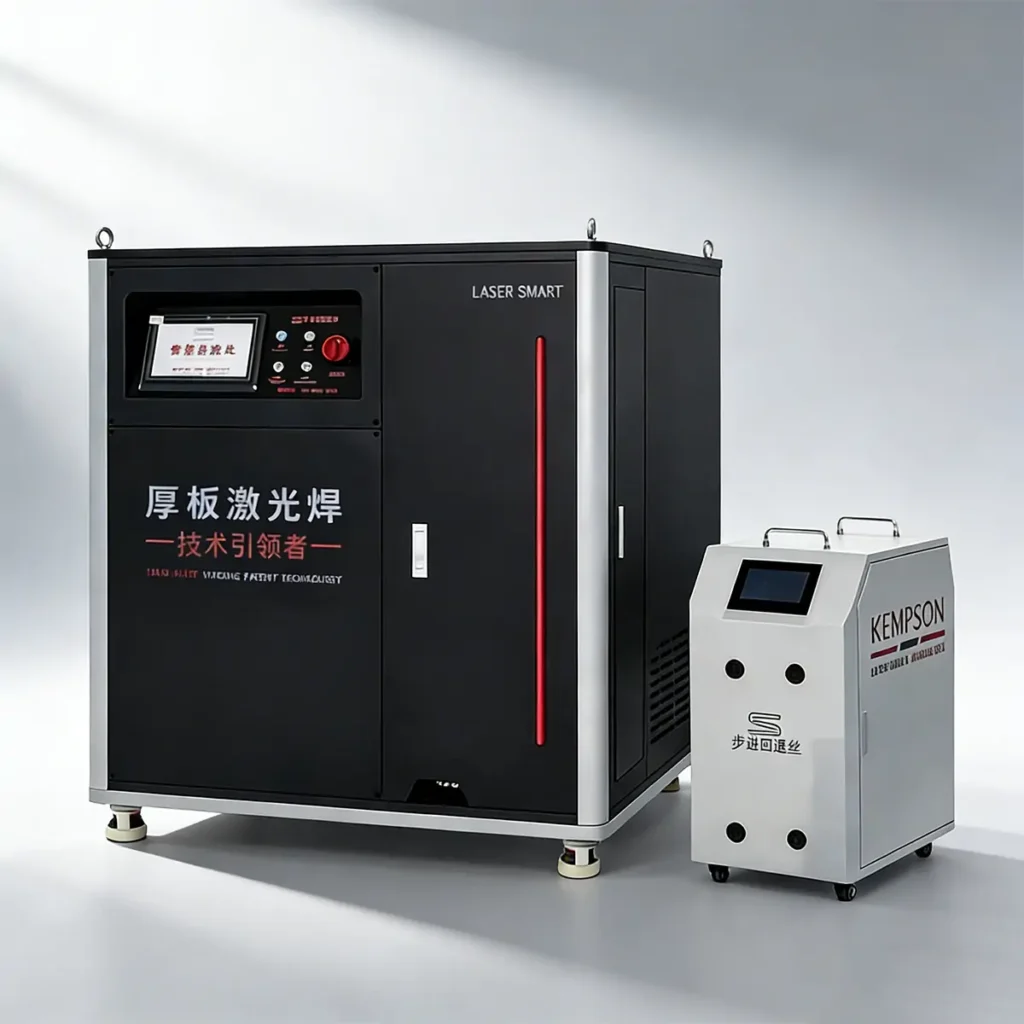
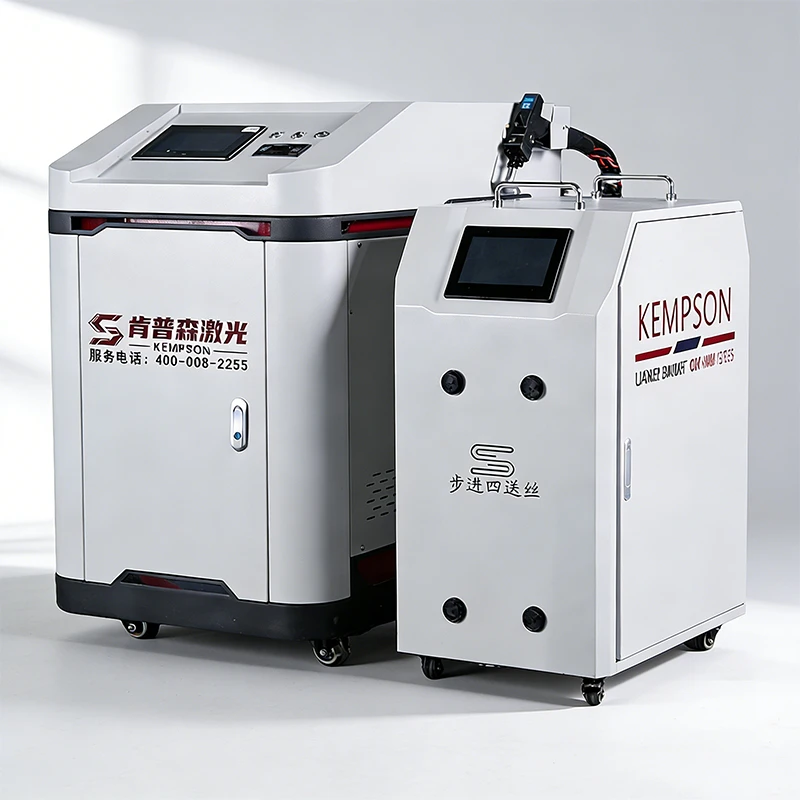
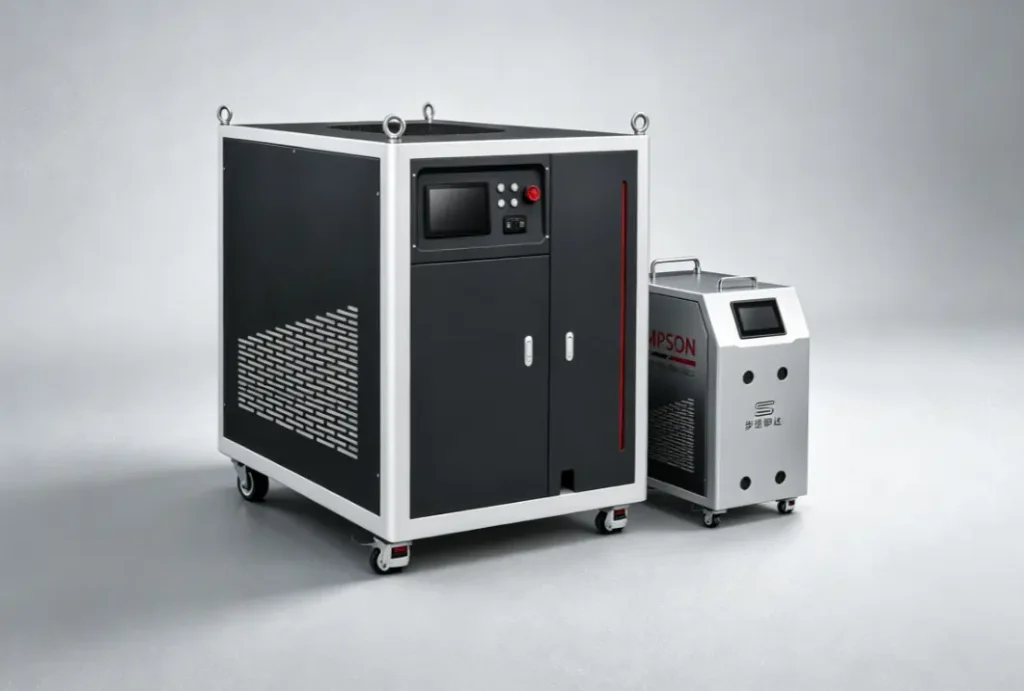
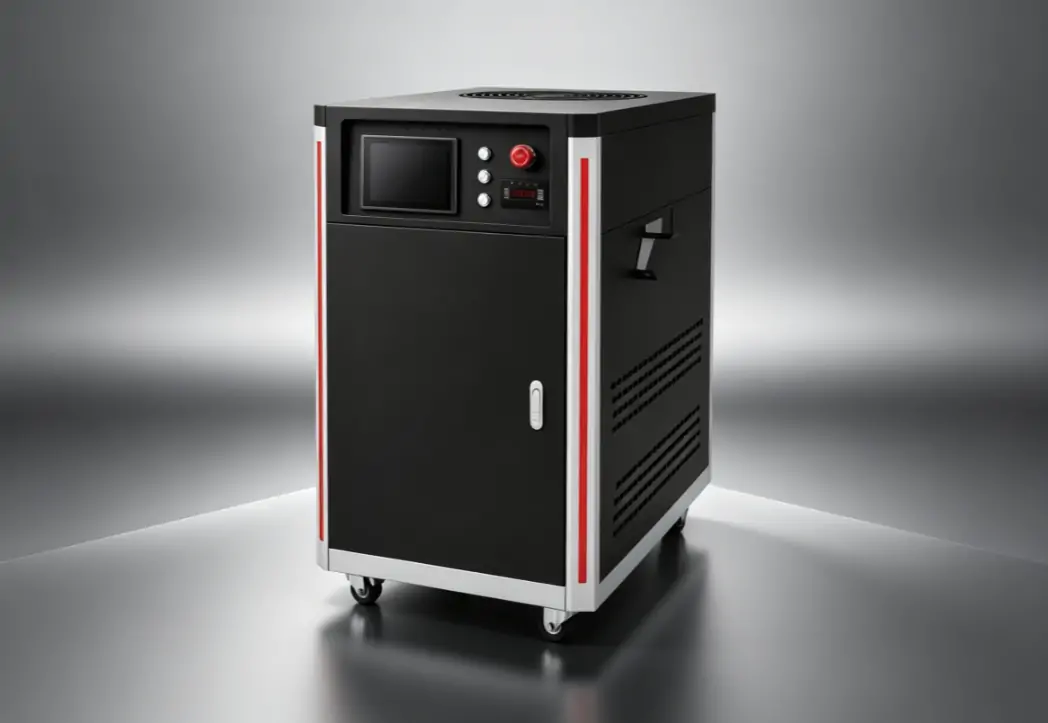
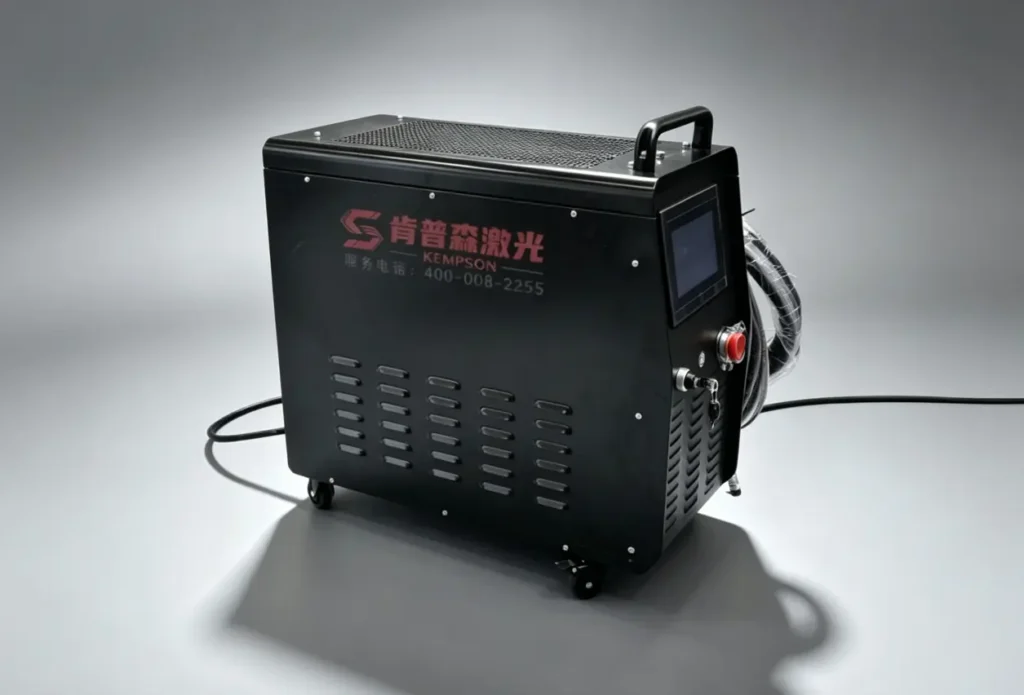
Laser Beam Welding Equipment
What Factors Affect Laser Beam Welding Quality?
Laser beam welding quality is affected by several factors, including welding parameters, material conditions, and equipment performance. The main factors include laser power, welding speed, focus position, shielding gas, and workpiece conditions.
| Factor | How It Affects Welding Quality |
|---|---|
| Laser Power | Determines welding depth and penetration. Higher power increases penetration, while excessive power may cause cracks or spatter. |
| Welding Speed | Affects heat input, weld shape, and production efficiency. Too fast welding may reduce penetration. |
| Focus Position | Controls laser energy concentration. Proper focus improves weld penetration and stability. |
| Shielding Gas | Protects the molten pool from oxidation and reduces defects such as pores. |
| Material Properties | Reflectivity and thermal conductivity affect laser absorption and heat transfer. |
| Surface Condition | Oil, rust, and oxide layers can affect laser absorption and weld quality. |
| Equipment Performance | Laser stability, optical parts, and fixture accuracy affect welding consistency. |
The quality of laser beam welding depends on the combined effects of welding parameters, material conditions, and equipment performance. Proper adjustment of power, speed, focal length, and shielding gas can improve the strength, penetration, and appearance of the weld.
Advantages
- Fast Welding Speed: The high energy density of the laser beam melts materials quickly, making it suitable for production environments that require high welding efficiency.
- Small Heat-Affected Zone: The laser heat is concentrated in a narrow area, reducing heat spread to the surrounding material and limiting deformation.
- High Welding Precision: The small laser spot allows accurate control of the weld position and seam size, making it suitable for thin sheets, precision parts, and complex structures.
- Deep Penetration: High-power laser welding can produce deep and narrow weld seams through keyhole welding, which is suitable for thicker materials.
- Easy Automation: Laser welding equipment can be integrated with CNC systems and automated production lines for stable and continuous operation.
- Wide Material Range: Laser beam welding is used for stainless steel, carbon steel, aluminum, copper, titanium, and other metals in different industrial applications.
Applications
Automotive Manufacturing
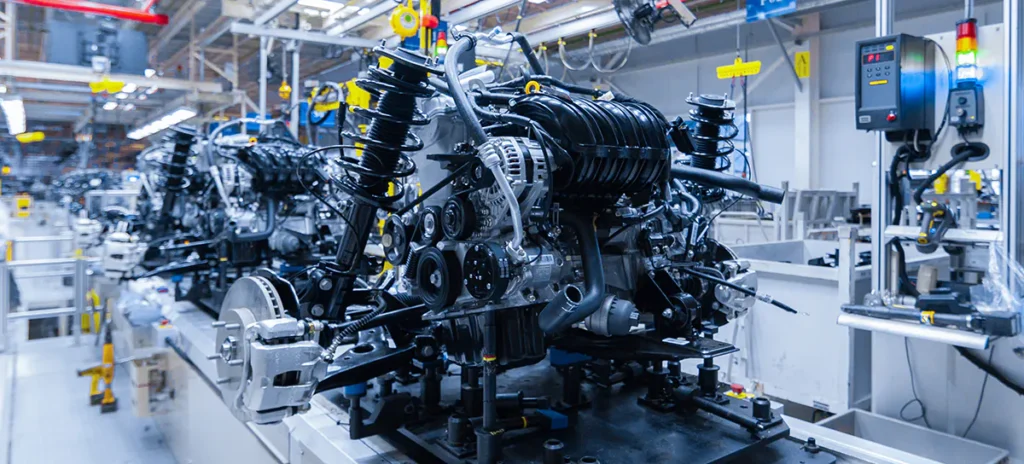
Laser welding is used for body components, transmission parts, exhaust systems, and new energy vehicle battery assemblies. It provides strong welds with low deformation for lightweight structures.
Battery Manufacturing
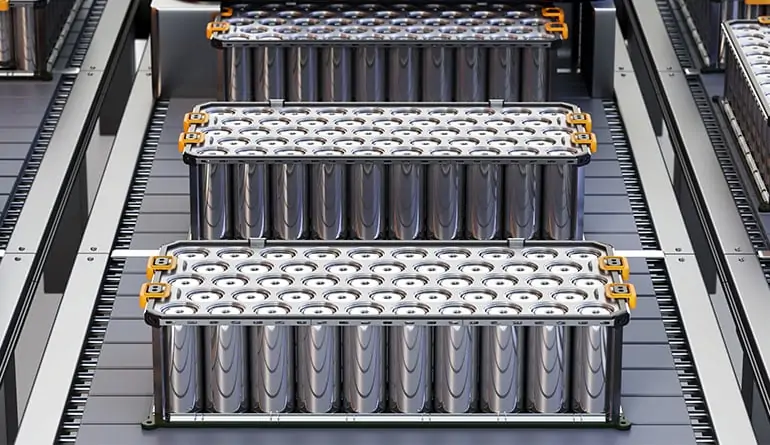
Laser beam welding is commonly used for battery tabs, busbars, battery modules, and pack connections. The precise heat control helps protect sensitive battery components during welding.
Aerospace Industry
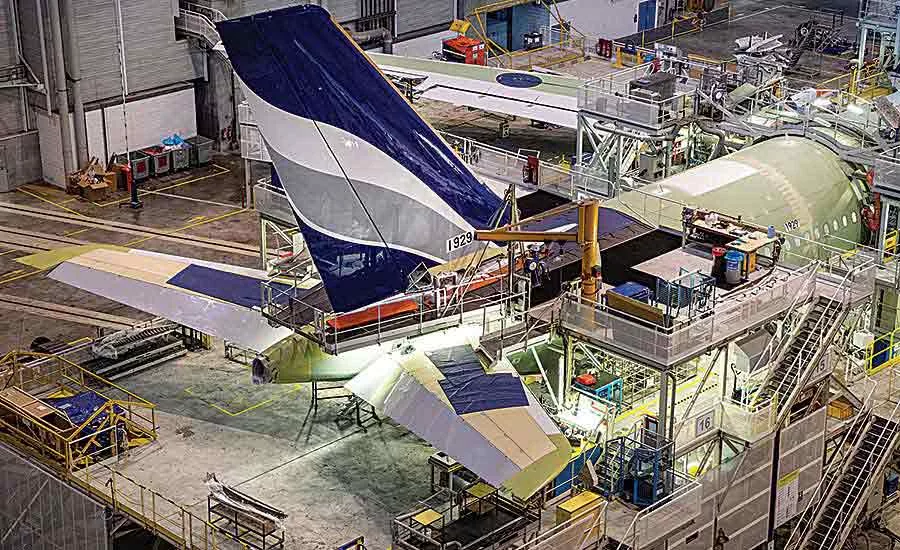
In aerospace manufacturing, laser welding is used for aluminum alloys, titanium parts, and complex components that require high strength and strict dimensional accuracy.

Medical Equipment
Laser welding is applied to surgical instruments, medical devices, and small precision parts due to its fine weld seams and low thermal impact.
Electronics and Precision Components
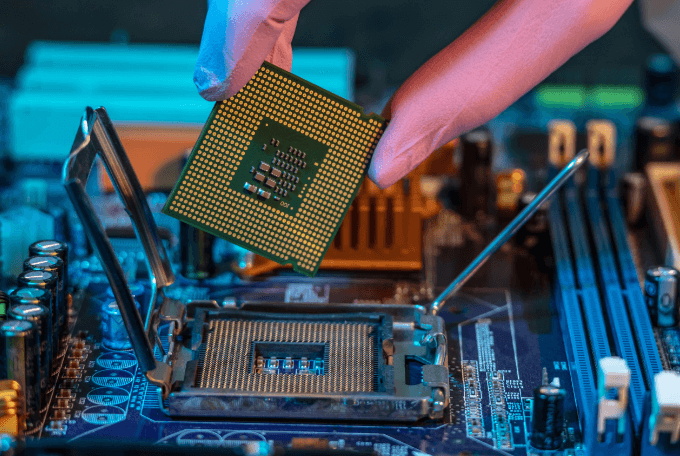
Laser welding is used for sensors, connectors, micro components, and electronic assemblies where small weld size and accurate positioning are required.
Metal Fabrication
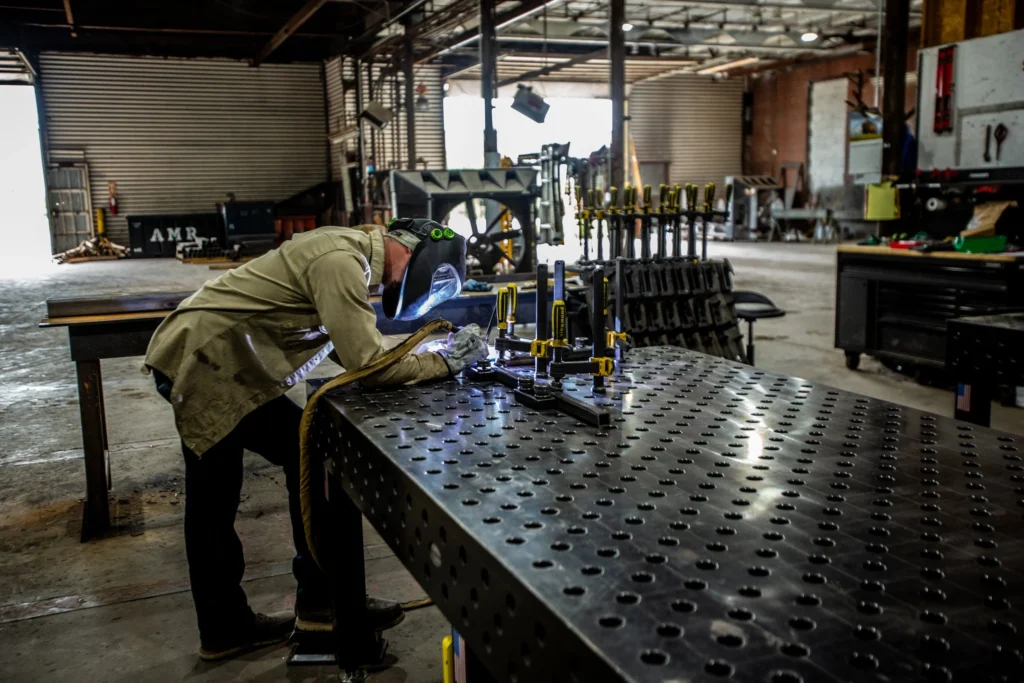
Industrial laser welding is used for stainless steel, carbon steel, and aluminum structures, including equipment housings, pipes, and customized metal products.
Laser Beam Welding vs Traditional Welding Methods
Laser beam welding and traditional welding methods such as TIG and MIG welding use different heat sources and processes. The main differences are in heat input, weld quality, production efficiency, material application, and automation level.
| Comparison | Laser Beam Welding | Traditional Welding |
|---|---|---|
| Heat Source | High-energy laser beam with concentrated heat input | Arc or flame with larger heating area |
| Energy Density | Up to 10⁶–10⁸ W/cm² | Usually lower than laser welding |
| Heat-Affected Zone | Narrow heat-affected zone with less deformation | Larger heat-affected zone with more thermal impact |
| Welding Precision | High precision, suitable for fine and complex parts | Depends more on operator skill |
| Weld Appearance | Smooth weld seam with less spatter | More post-processing may be required |
| Welding Speed | Faster, suitable for continuous production | Lower speed for many applications |
| Automation | Easy to integrate with CNC systems and production lines | Automation is more limited |
| Material Application | Suitable for stainless steel, aluminum, copper, titanium, and dissimilar materials | Commonly used for steel structures and general metal fabrication |
| Thickness Application | Suitable for thin sheets and medium-thick materials with high precision requirements | Suitable for large structures and thick materials |
| Operating Cost | Higher equipment investment but lower labor and maintenance costs | Lower initial cost but higher labor requirements |
| Typical Applications | Automotive, battery, electronics, medical devices, precision manufacturing | Construction, shipbuilding, heavy structures, general fabrication |
Laser beam welding is preferred for applications requiring high precision, fast production, and low deformation, while traditional welding remains suitable for large structures and general metal fabrication.
Conclusion
Laser beam welding uses concentrated laser energy to join metal parts with high precision and low heat impact. This article covers the working principle, welding modes, system components, quality factors, advantages, applications, and the differences between laser welding and traditional methods.
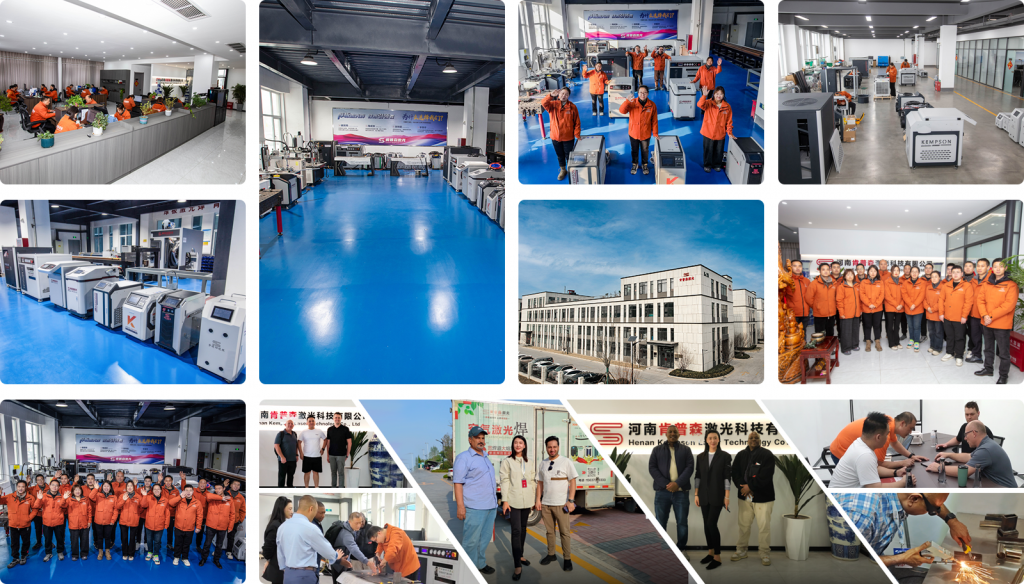
KEMPSON focuses on industrial laser welding equipment, offering customized solutions for different materials, thicknesses, and production requirements. With professional manufacturing experience, technical support, and reliable after-sales service, KEMPSON provides suitable laser welding solutions for customers worldwide. Contact us to discuss your welding requirements.
FAQ
How does laser beam welding work?
Laser beam welding works by focusing a high-energy laser beam onto a joint area, converting light energy into heat to melt and fuse materials.
What is the principle of laser beam welding?
Laser beam welding converts laser energy into heat energy. The focused laser beam melts the material at the joint, and the molten metal cools to form a welded connection.
What are the two types of laser beam welding?
The two main types are heat conduction welding and keyhole welding. Heat conduction welding is used for thin materials and low heat input applications, while keyhole welding provides deeper penetration for thicker materials.
Is laser welding stronger than TIG welding?
Laser welding can provide weld strength comparable to or higher than TIG welding in suitable applications. It also offers faster welding speed, lower heat input, and less deformation.
What materials can be welded with a laser?
Laser welding can be used for stainless steel, carbon steel, aluminum, copper, titanium, and other metals. It is also suitable for some dissimilar material combinations.
What laser power is needed for welding metal?
The required laser power depends on material type, thickness, and welding speed. Thin sheets may use lower power systems, while thicker metal parts often require 2000W–6000W industrial laser welding machines.
Does laser welding cause distortion?
Laser welding produces less distortion than many traditional welding methods because the heat is concentrated in a small area. The narrow heat-affected zone reduces thermal impact on surrounding materials.