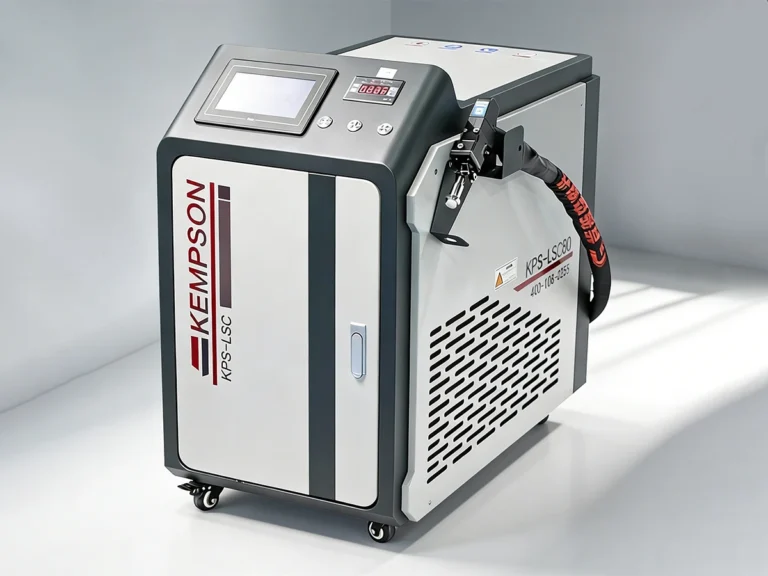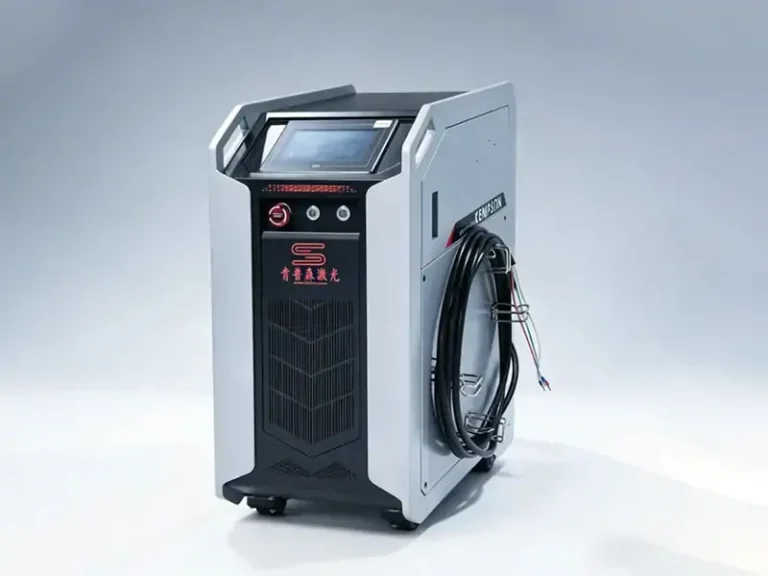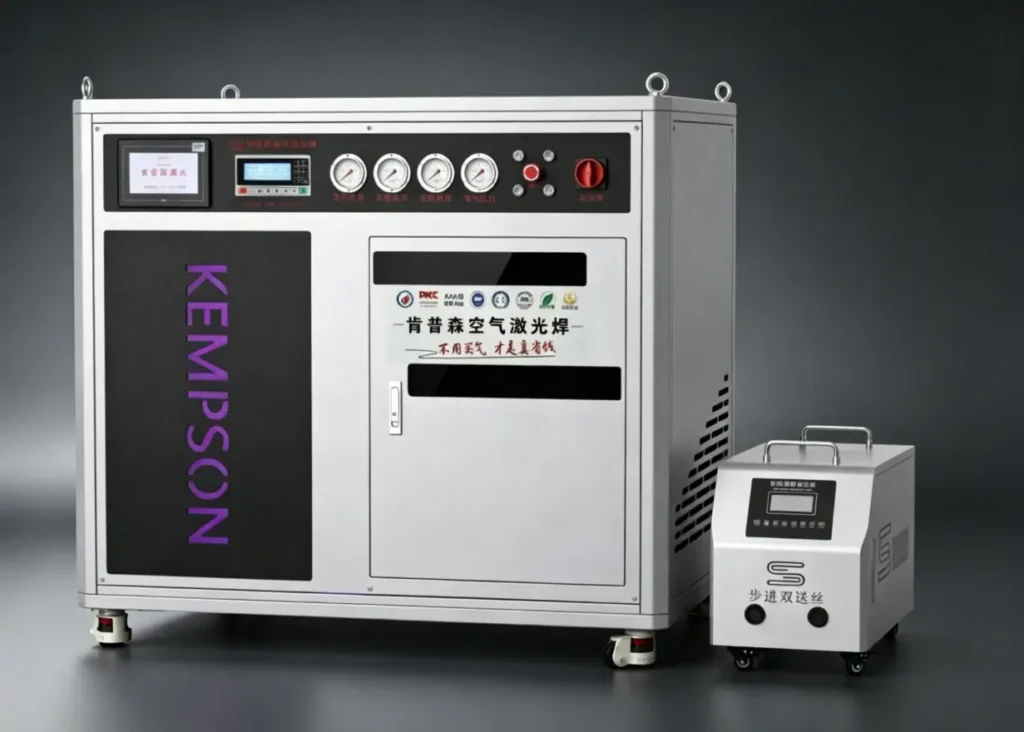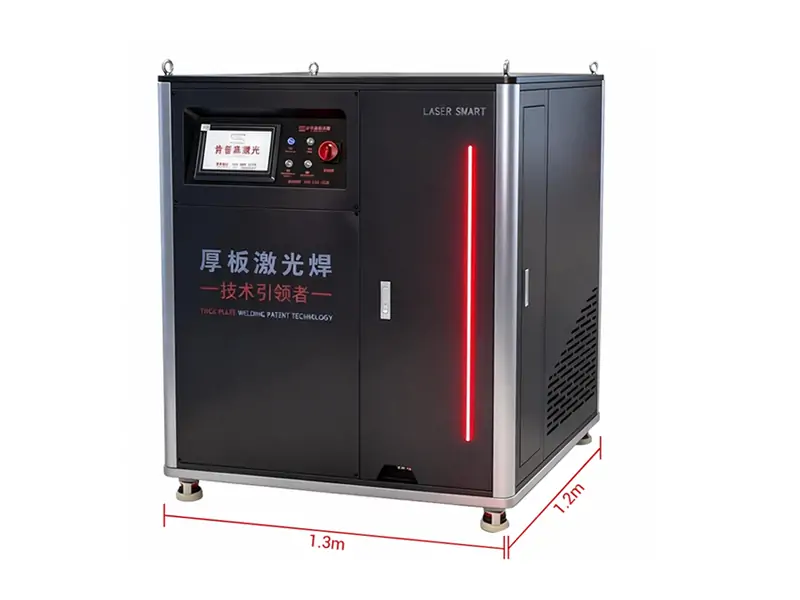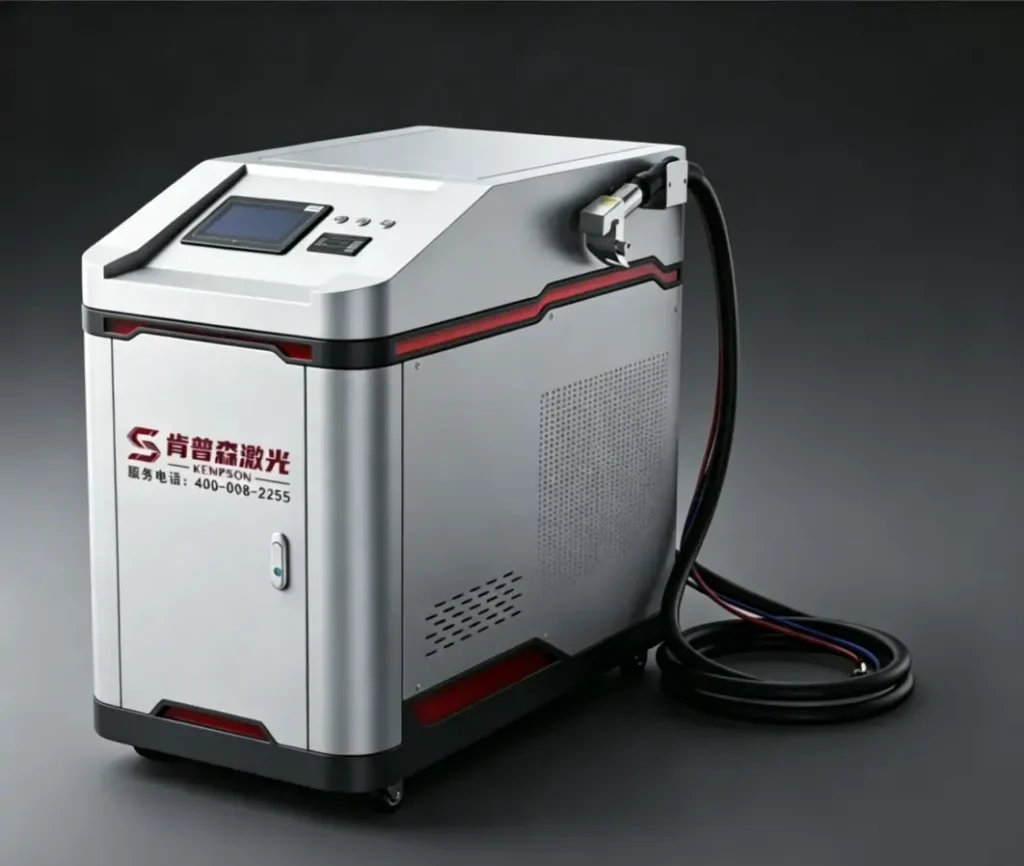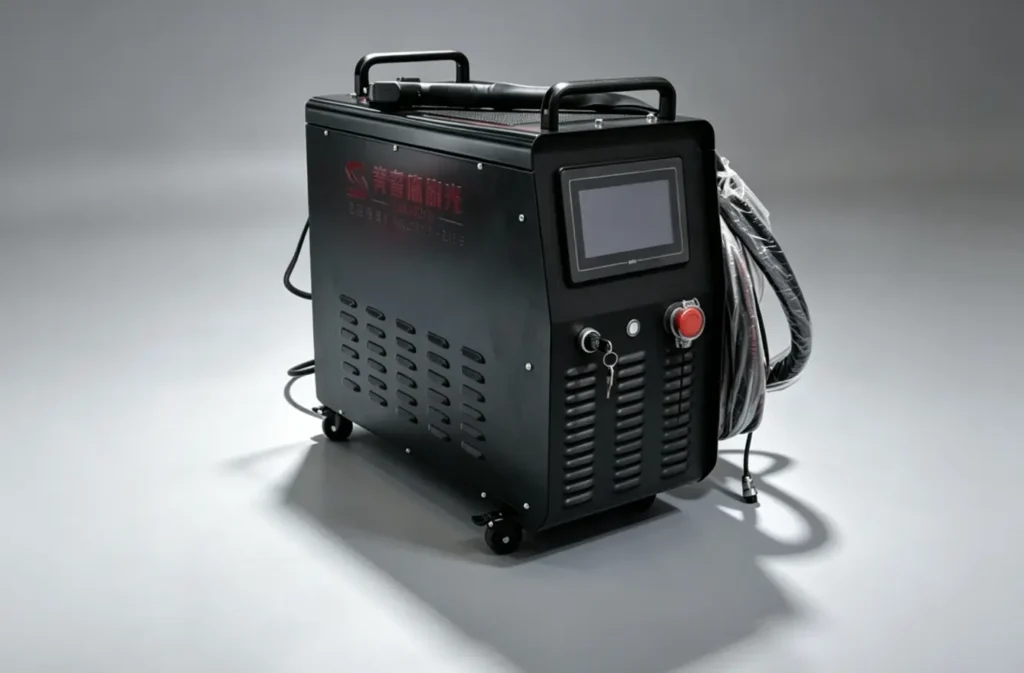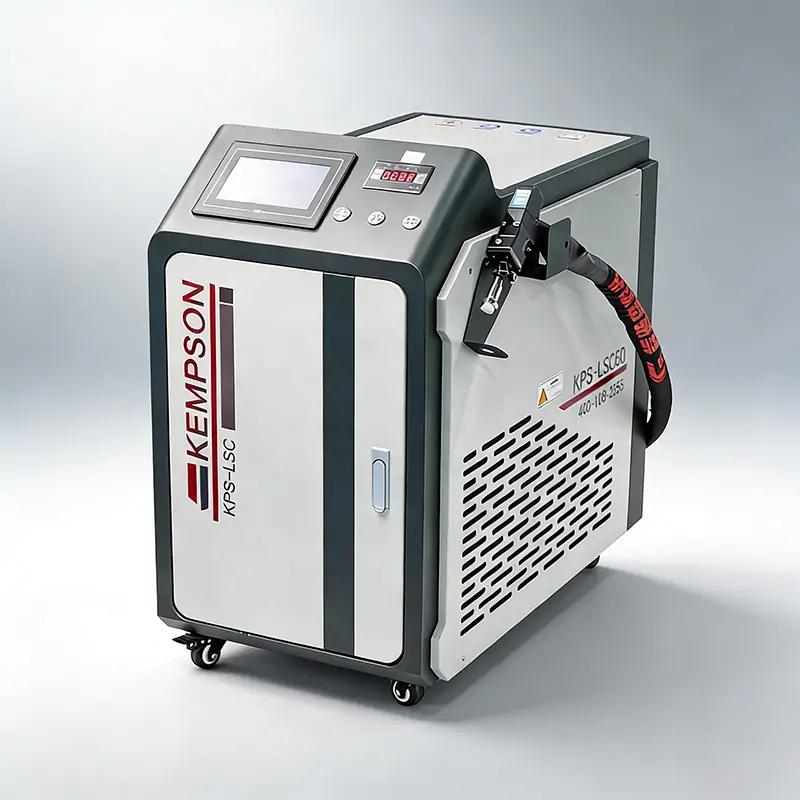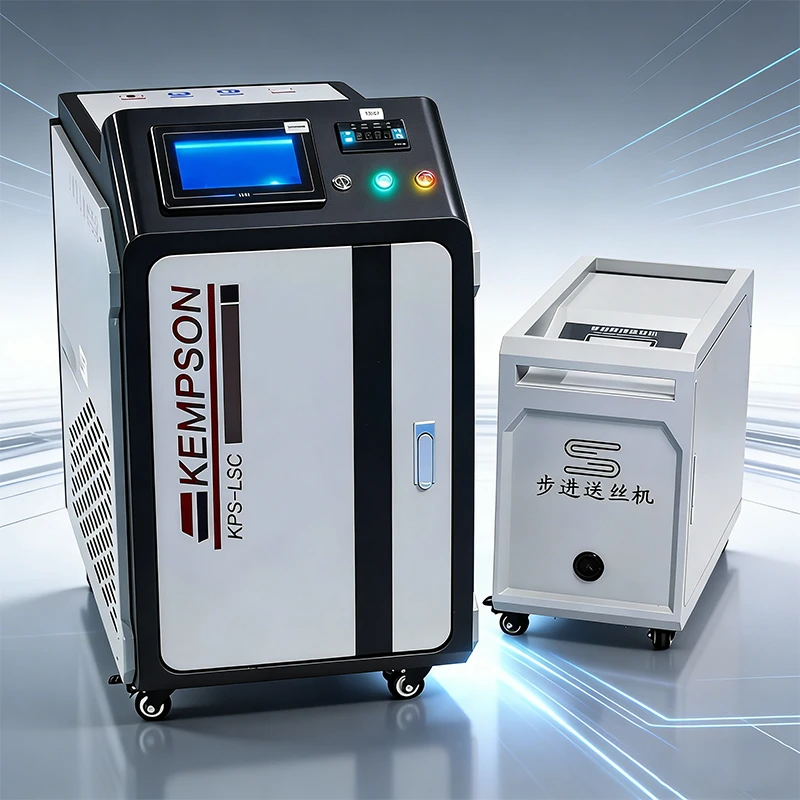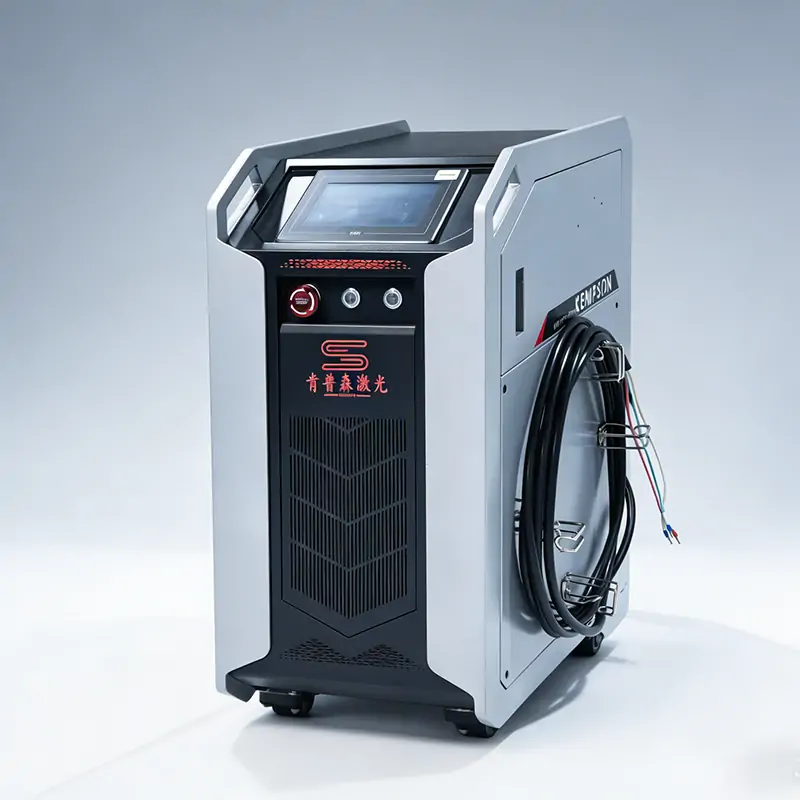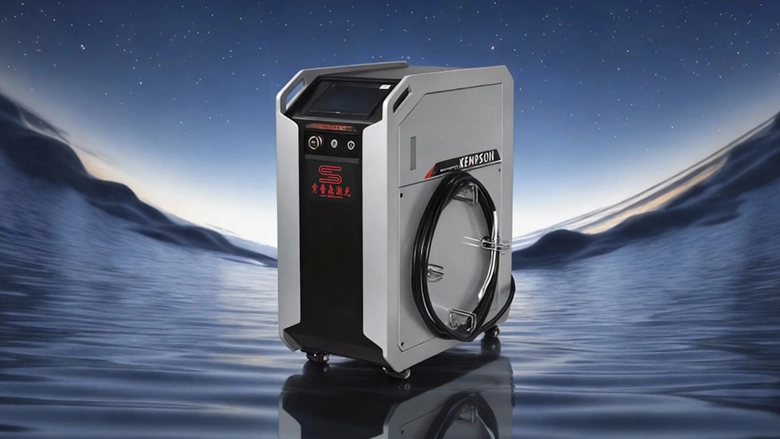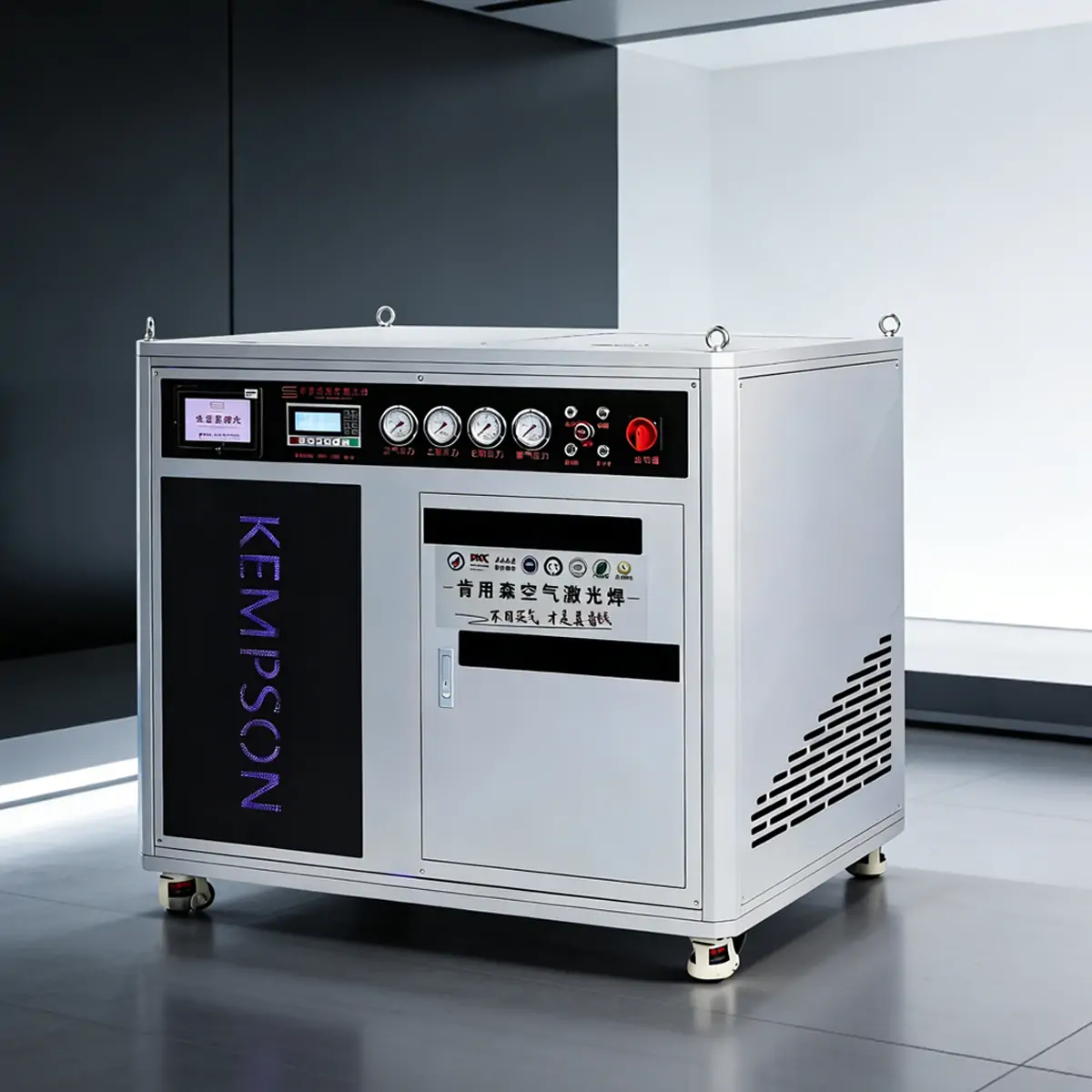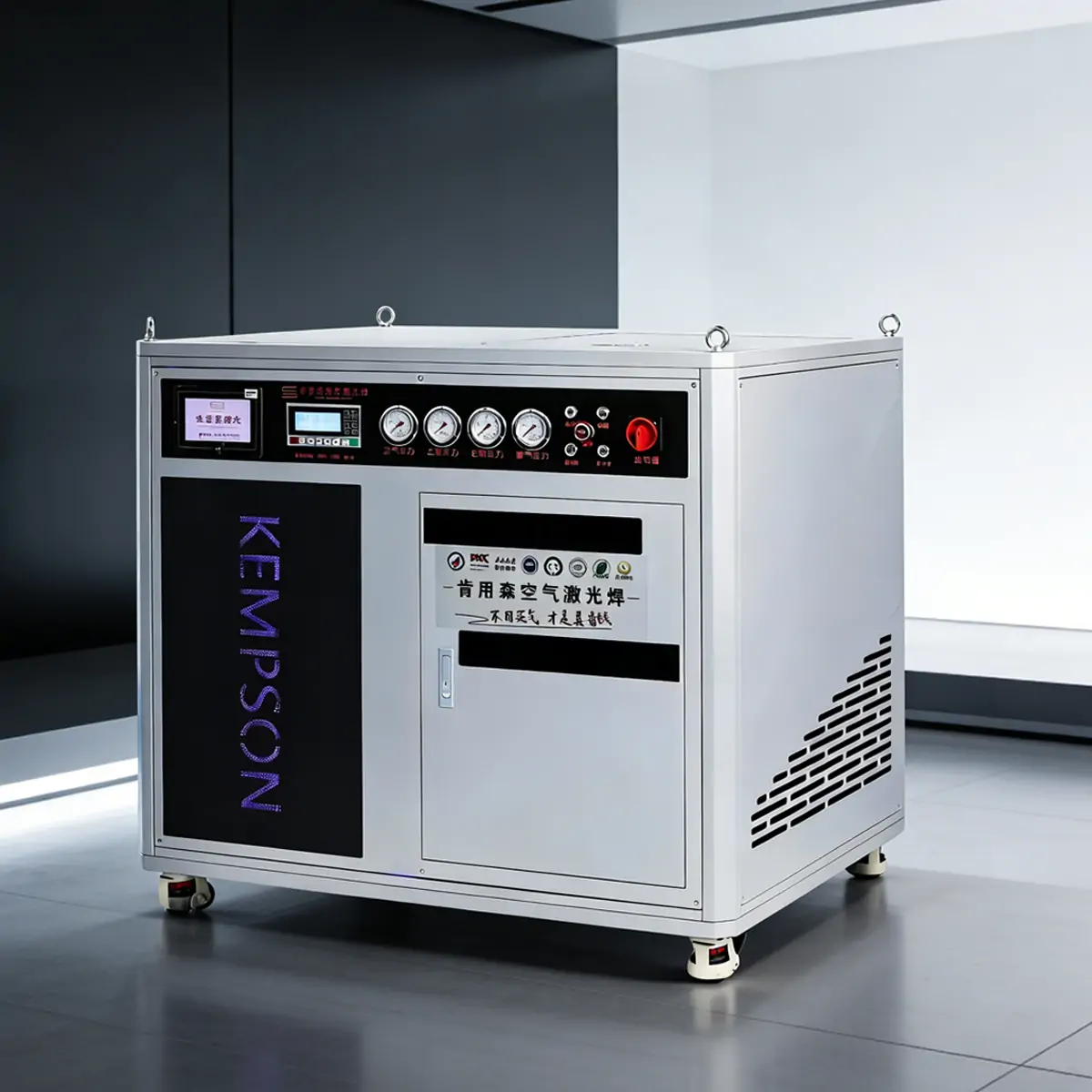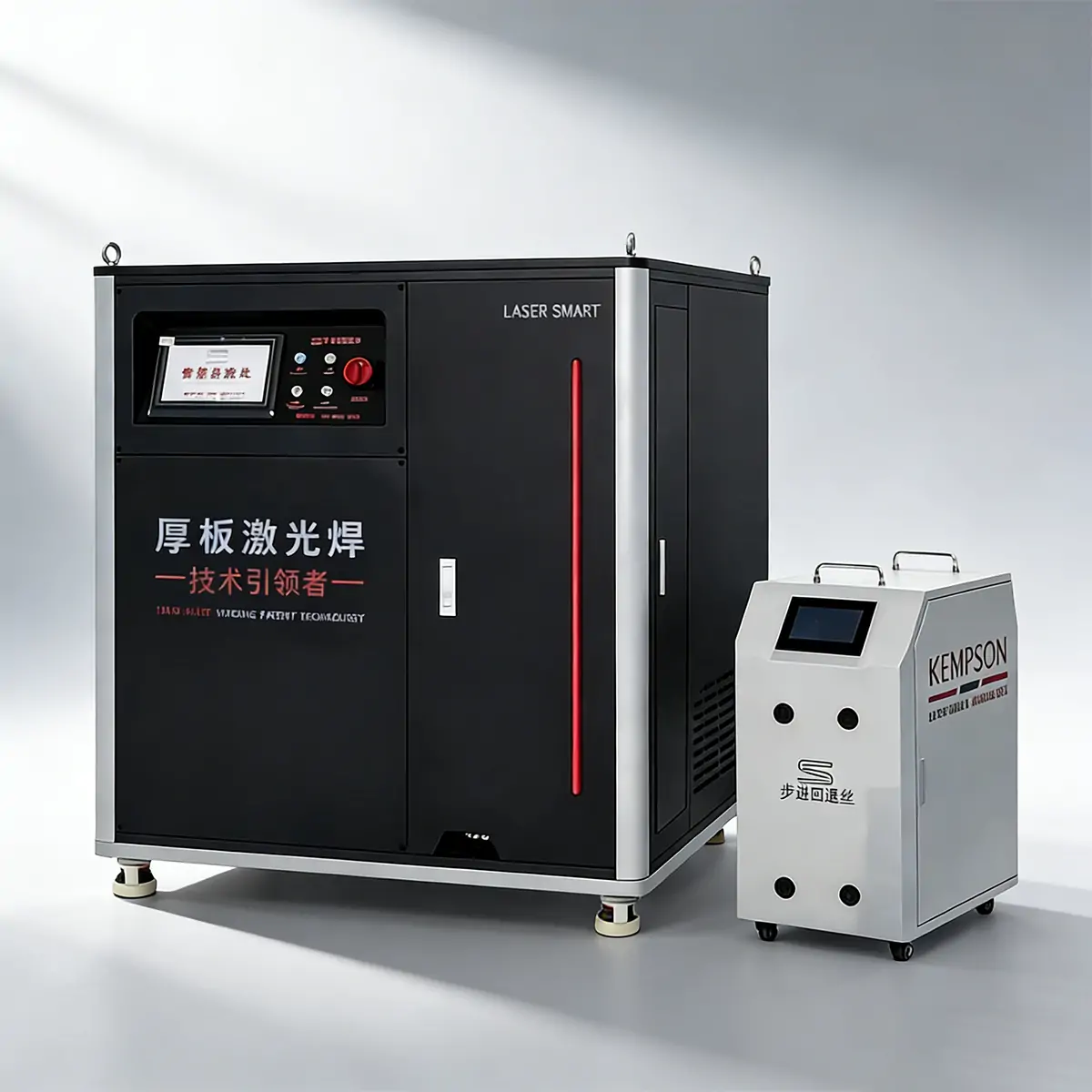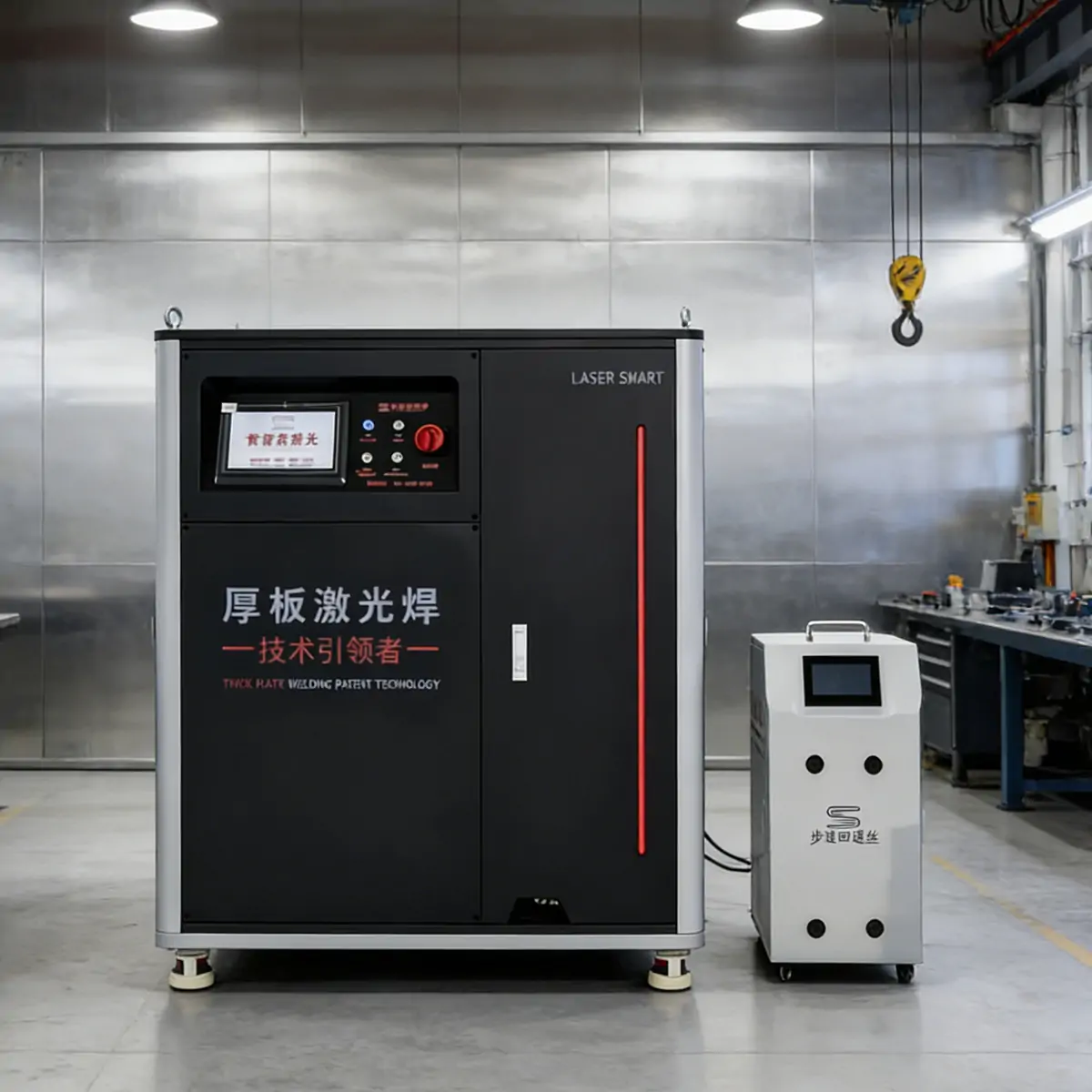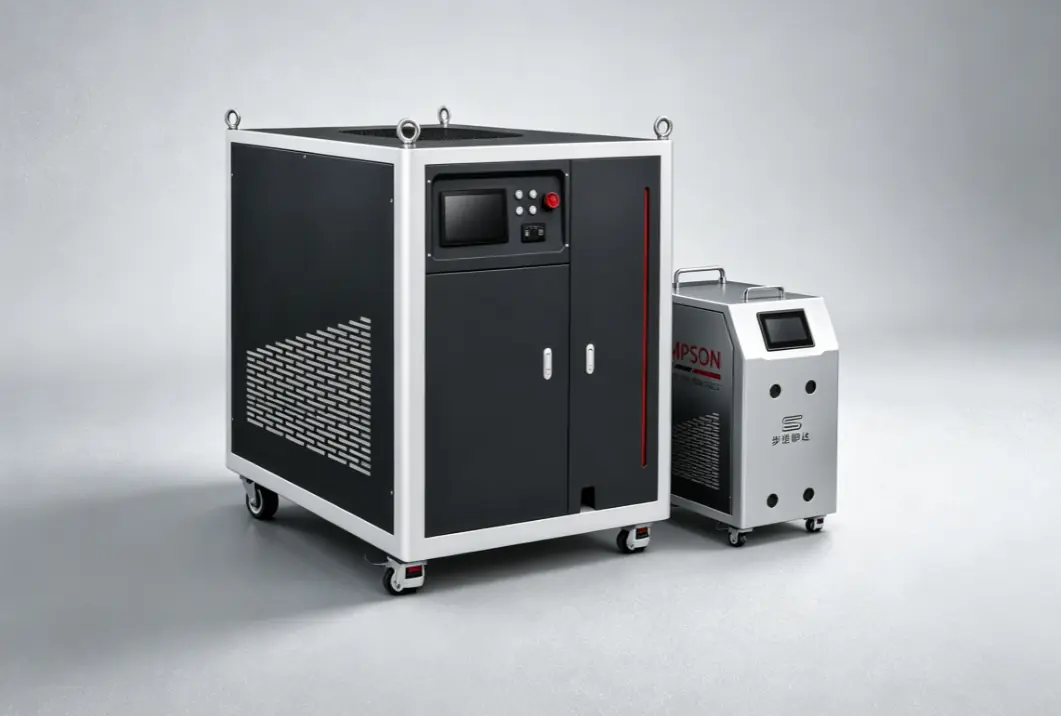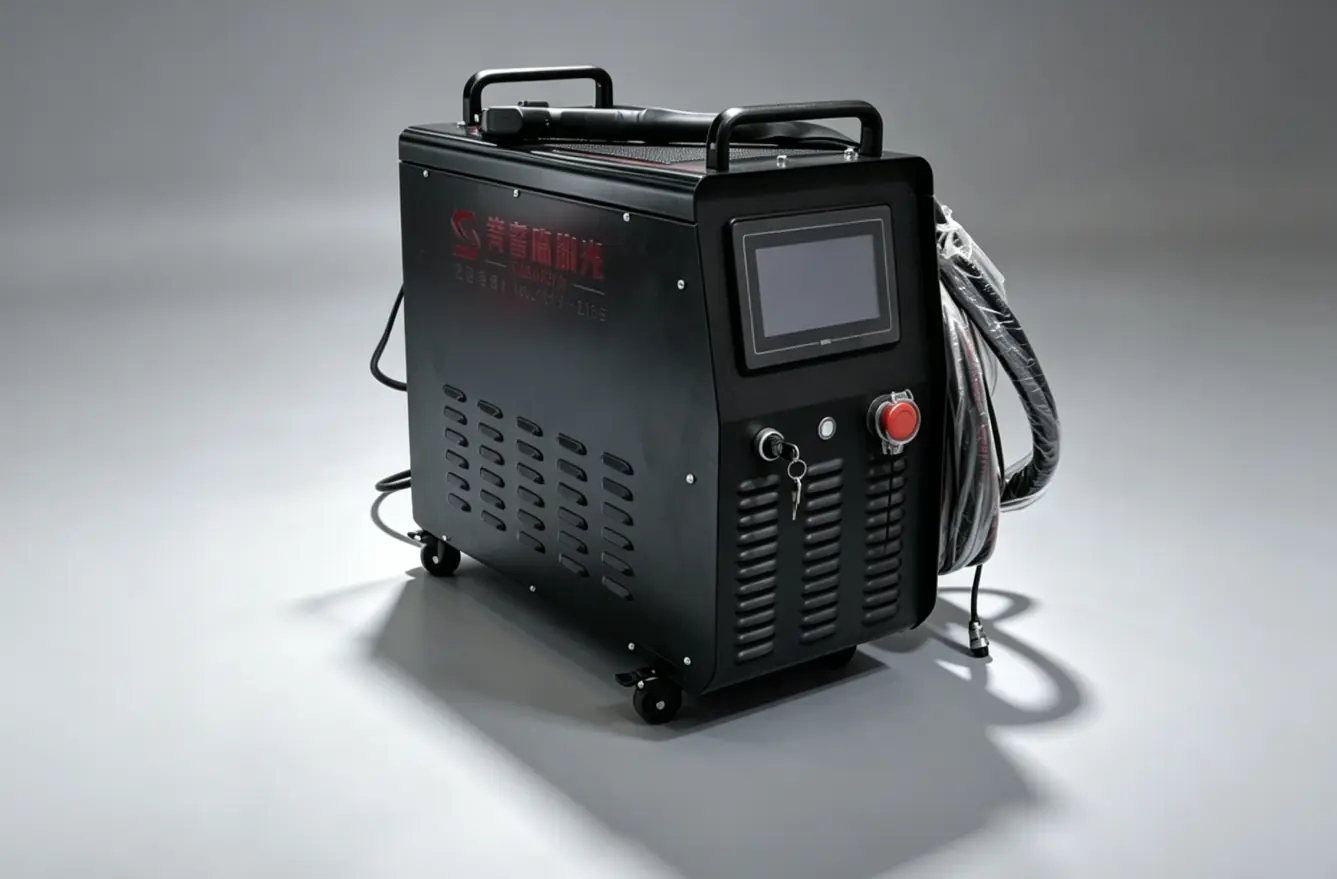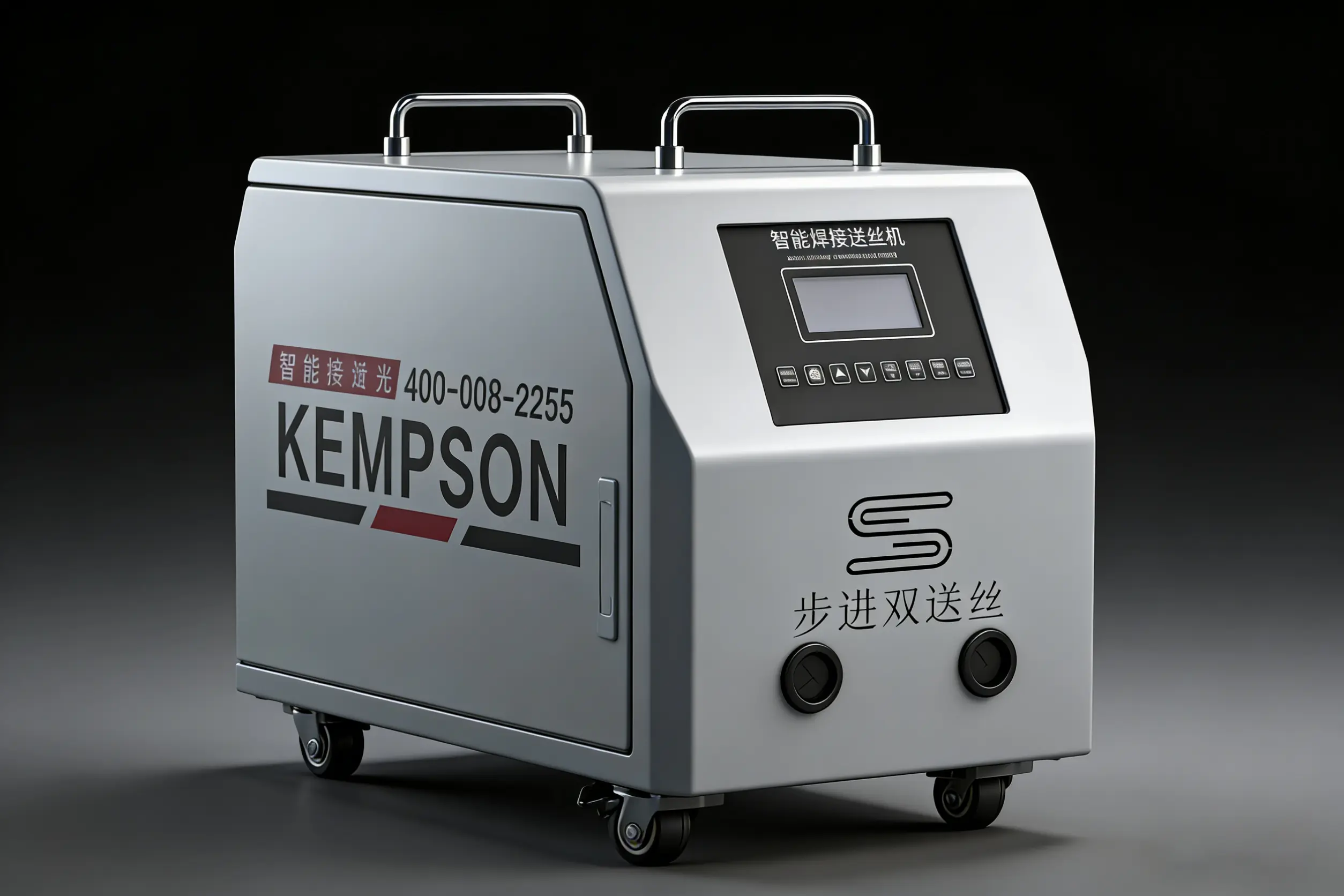
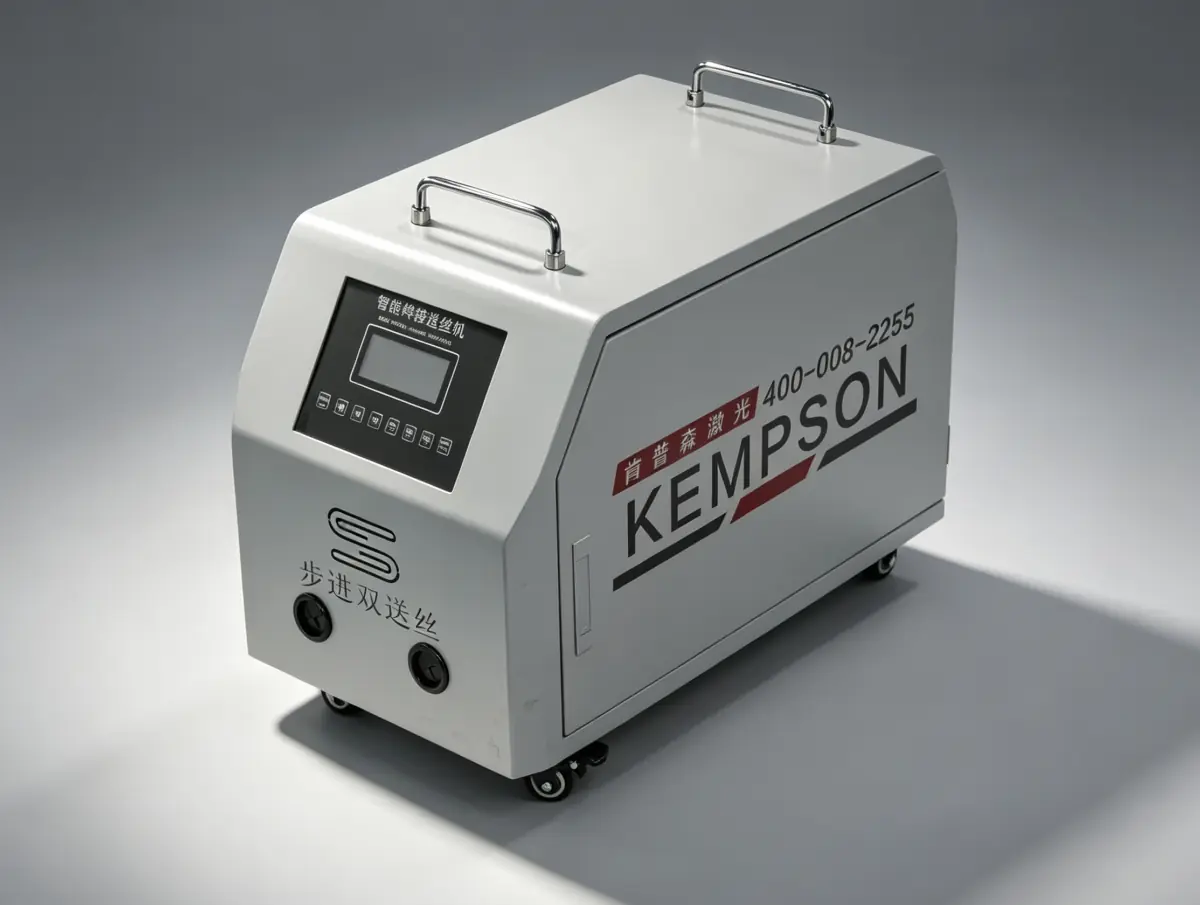
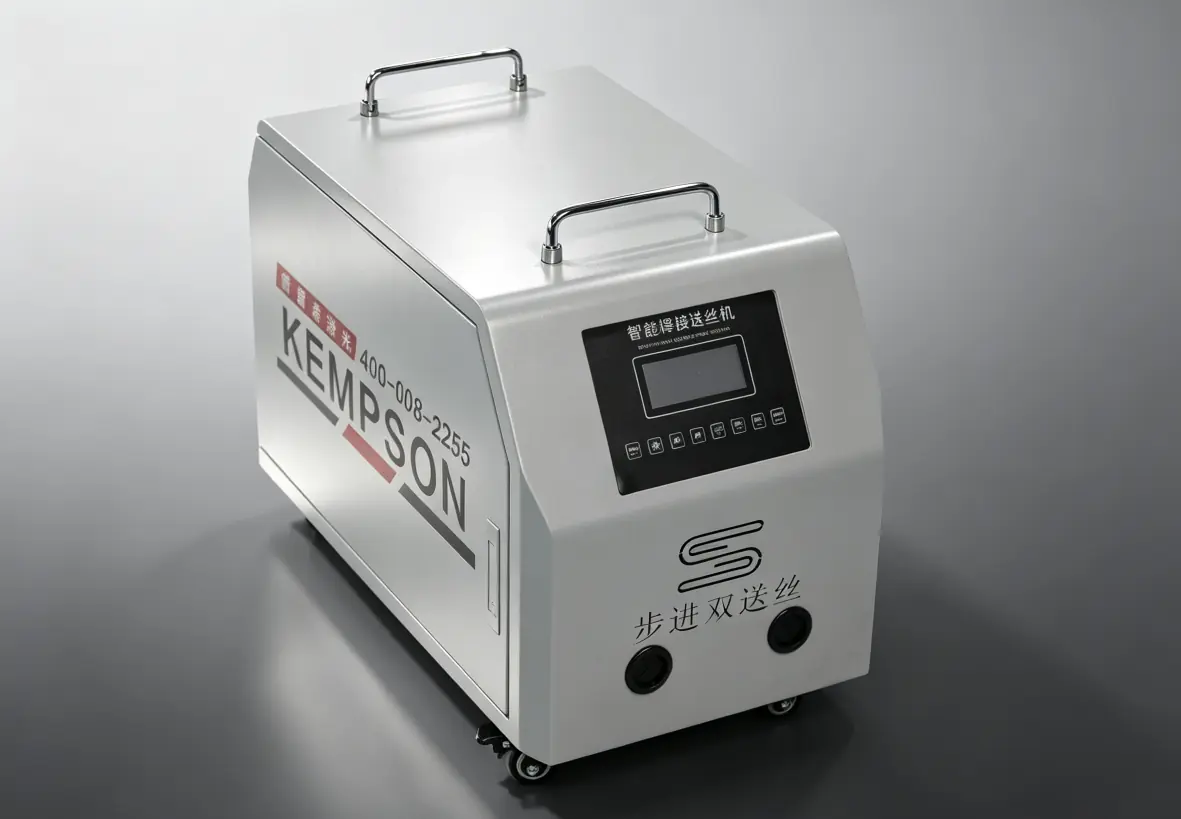
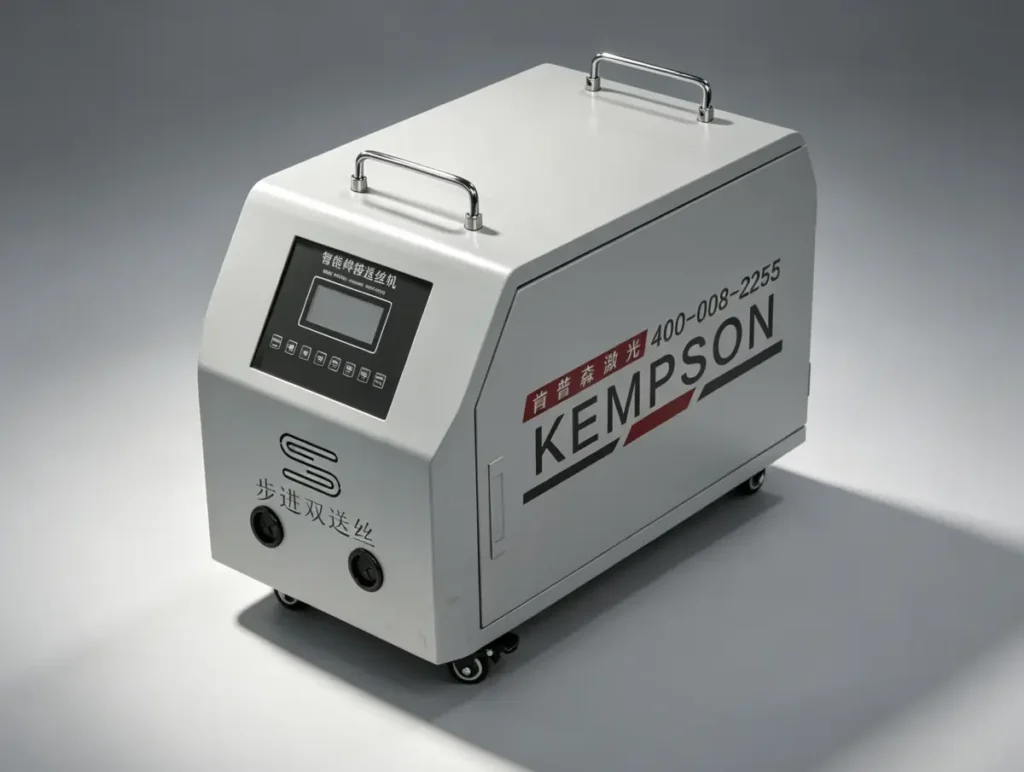
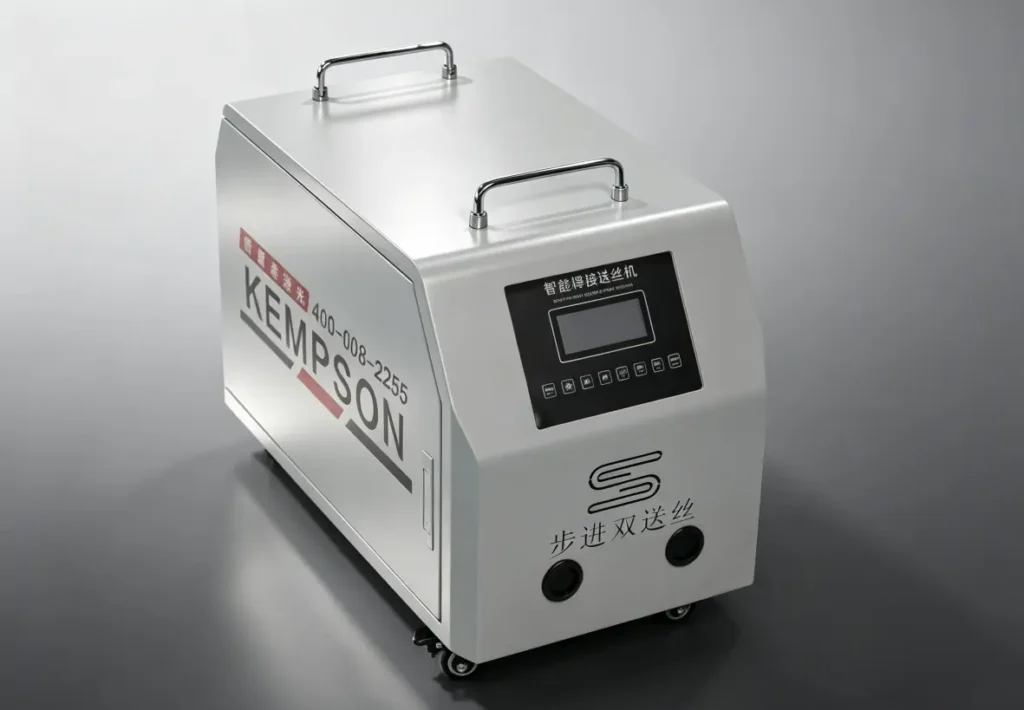
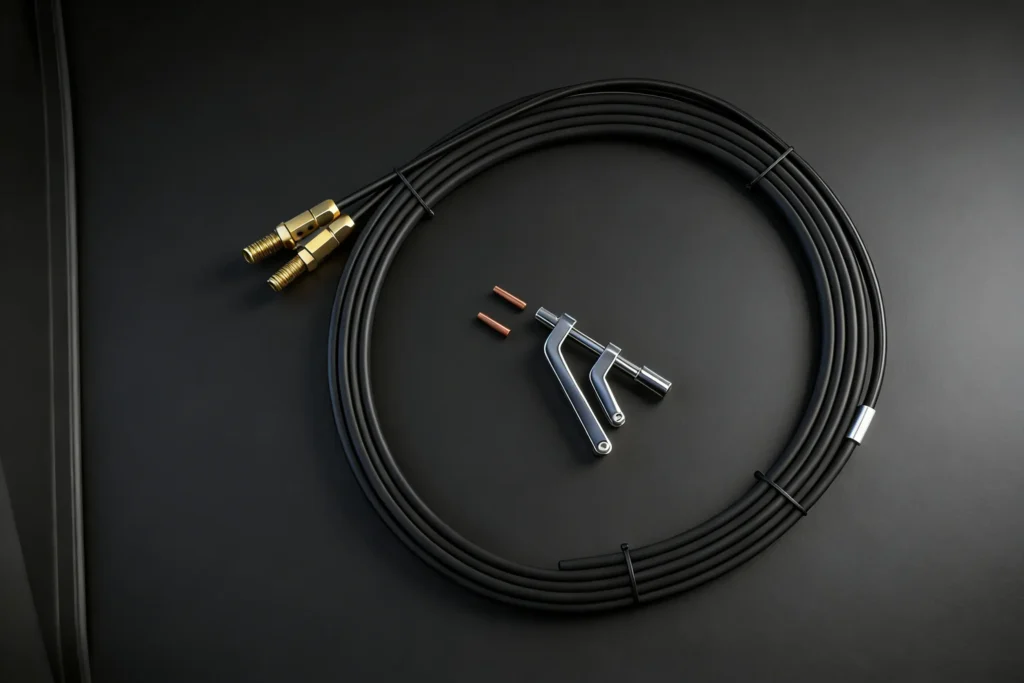
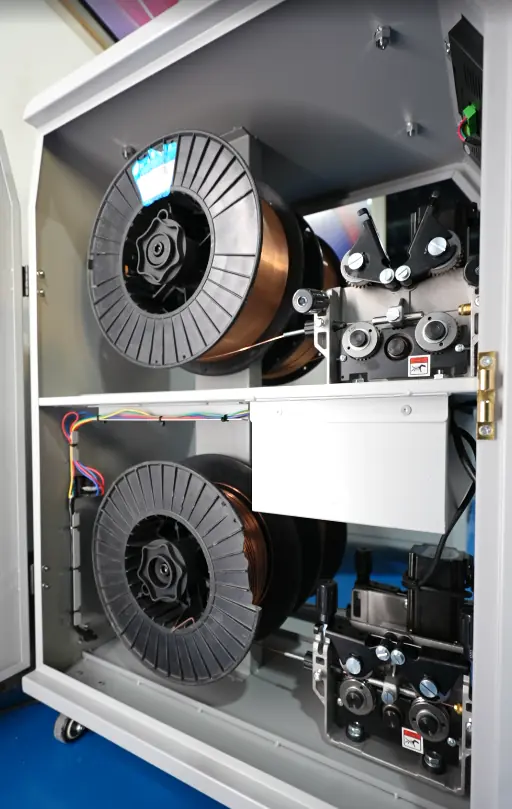
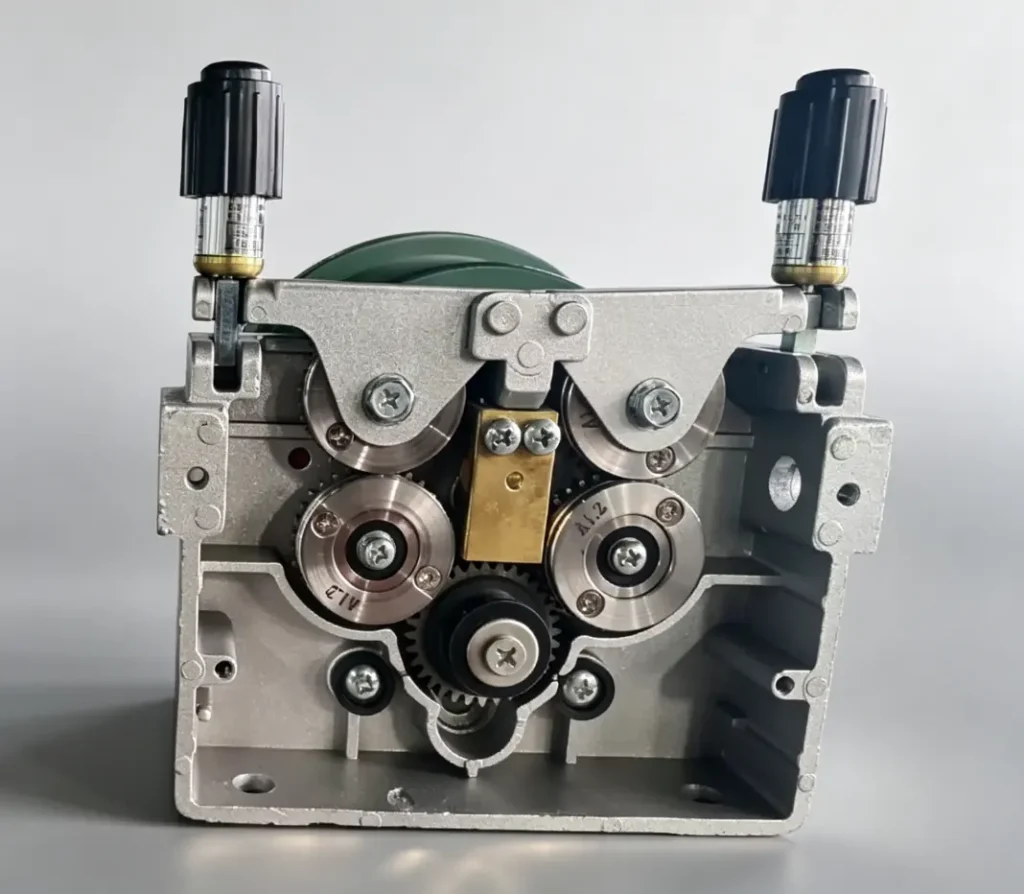
The KEMPSON Four-Drive Dual Wire Feeder is a wire feeding device for handheld laser welding machines and industrial laser welding equipment. It uses a four-roll drive structure to feed two welding wires at the same time. The system is equipped with a Panasonic four-roll wire feeding assembly and a low-speed, high-torque motor for stable wire delivery during welding.
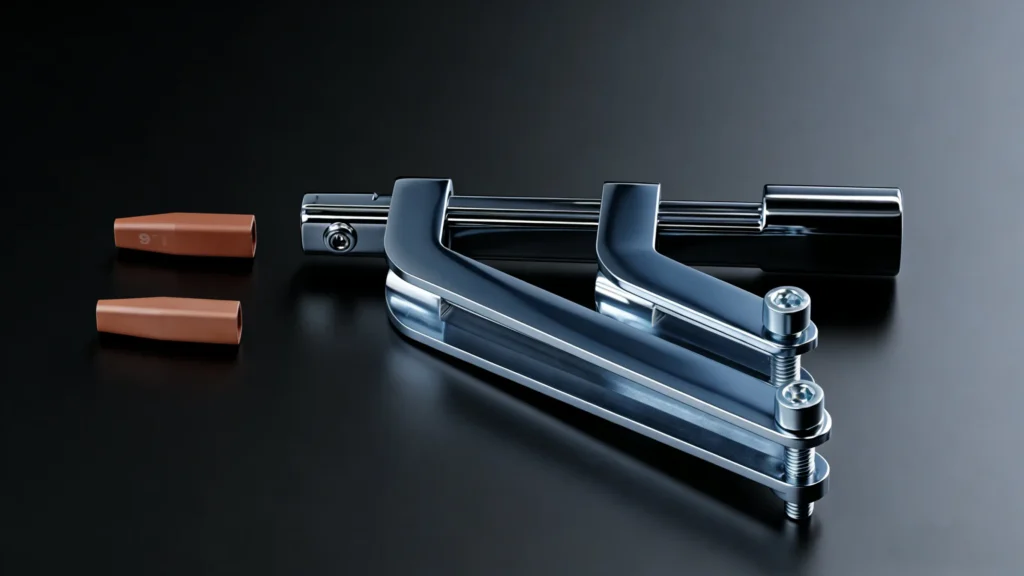
The four driven rollers increase the contact area with the welding wire and reduce slipping during feeding. The dual wire design increases filler wire input and is suitable for thick plate welding, large weld joints, and applications requiring higher wire filling capacity.
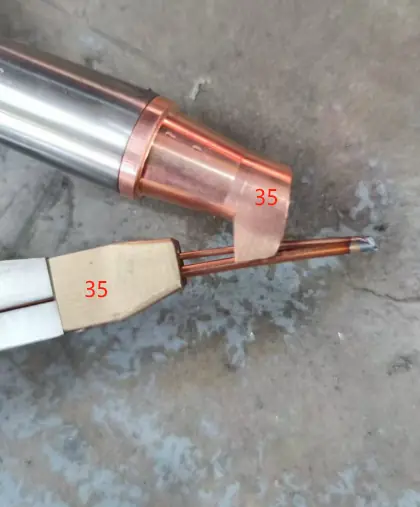
The four-drive system uses four rollers to clamp and push the welding wire through the guide tube. Compared with a single wire feeder, the dual wire feeder supplies two wires simultaneously, increasing the amount of filler metal added into the weld pool. This structure is commonly used for carbon steel, stainless steel, and other metal welding applications where larger weld seams or thicker materials are involved.
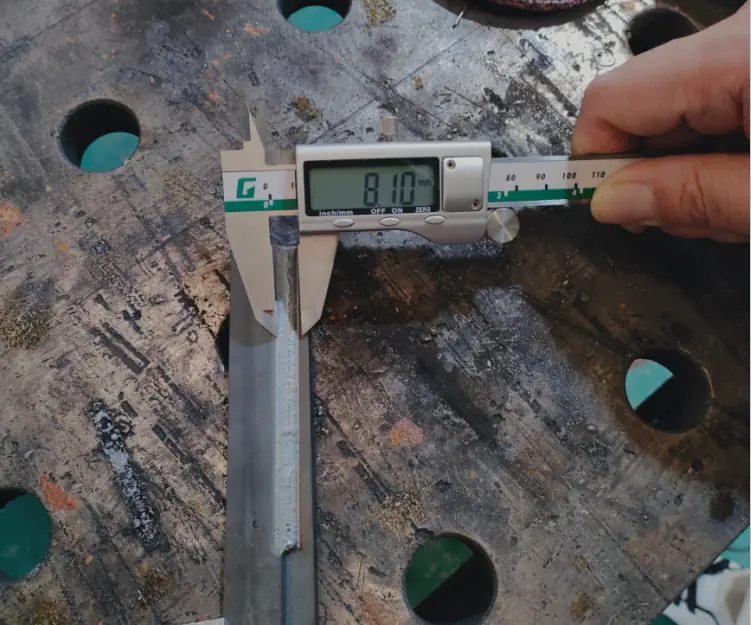
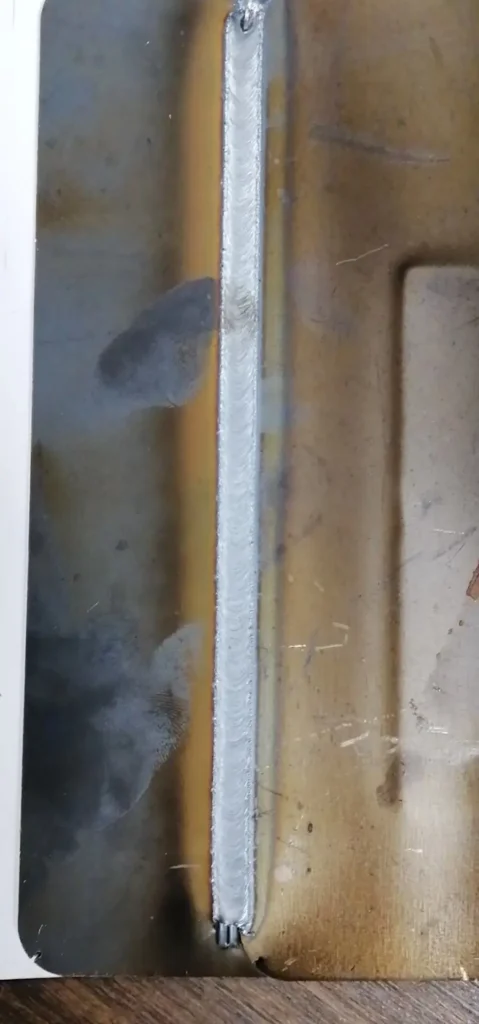
| Item | Specification |
|---|---|
| Model | E40-008-90 |
| Wire Diameter | 0.8-2.0 mm |
| Wire Feeding Type | Four-Drive Dual Wire |
| Drive System | Panasonic Four-Roll Assembly |
| Motor Type | Low-Speed High-Torque Motor |
| Control | Digital Control Panel |
| Wire Speed Adjustment | Automatic Adjustment |
| Wire Retracting | Automatic Wire Retract |
| Application | Laser Welding Machine |
Welding materials, thicknesses, and seam widths all require the selection of suitable welding consumables. For information on selecting welding wire materials and sizes, see the article: How to Choose Welding Wire for Laser Welding: Material, Diameter & Applications
Single wire feeders and four-drive dual wire feeders have different structures and welding applications. The comparison below shows the differences in wire quantity, feeding system, weld filling capacity, and suitable welding conditions.
| Comparison | Single Wire Feeder | Four-Drive Dual Wire Feeder |
| Wire Quantity | One welding wire | Two welding wires |
| Drive Structure | Single motor and roller | Four-roll drive system |
| Welding Efficiency | Suitable for normal welding | Higher deposition rate |
| Weld Filling | Standard weld seams | Large gap and thick plate filling |
| Application | Thin plate, repair welding | Heavy structure, industrial welding |
| Cost | Lower | Higher |
Single wire feeders are suitable for general welding tasks, while four-drive dual wire feeders are designed for applications requiring higher filling speed, stronger wire feeding force, and better welding efficiency.
Different welding scenarios require different wire feeders depending on the required gap depth. To learn about wire feeder types and how to select the right one, see the article: “What Is a Laser Welding Wire Feeder? Types, Working Principle & Selection Guide”
The wire feeder can be switched between single-wire and dual-wire modes to meet welding requirements. To learn about the differences between single-wire and dual-wire modes, see the article: Single vs. Dual Wire Feeding for Laser Welding: What’s the Difference?
When using a wire feeder to weld wide gaps and thick plates, the wire feeding speed significantly affects the welding results. For more details, see: Laser Welding Wire Feeding Speed: How to Set the Right Parameters
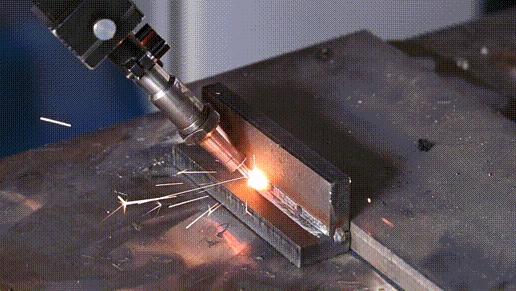
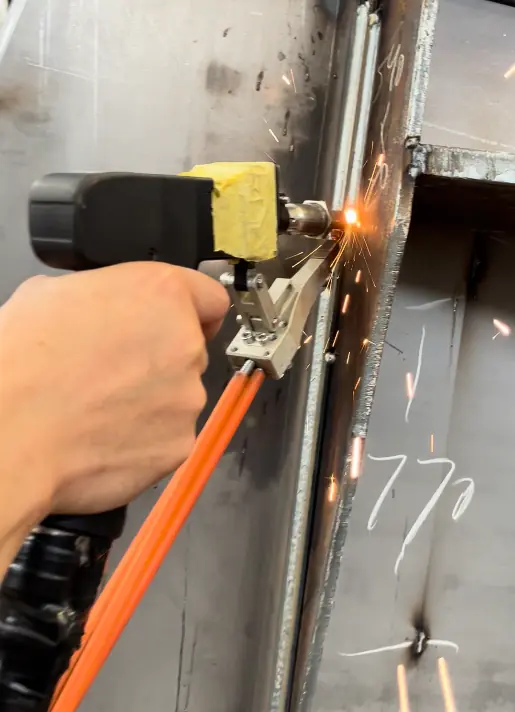
Used for carbon steel, stainless steel, and other thick metal plate welding. The dual wire feeding structure provides more filler wire input for larger weld joints and deeper filling requirements.
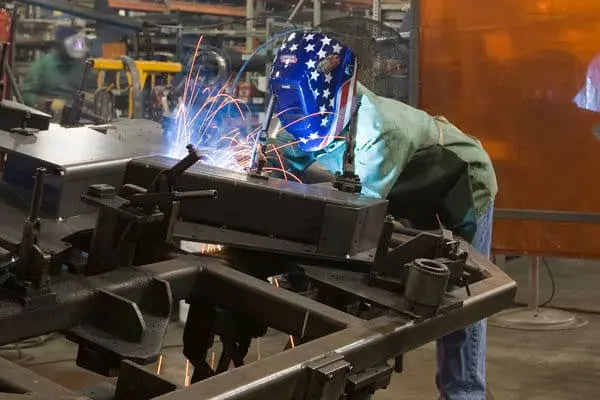
Suitable for welding construction machinery, industrial equipment, and large metal components. The feeder supports welding processes that require continuous wire feeding and larger weld volume.
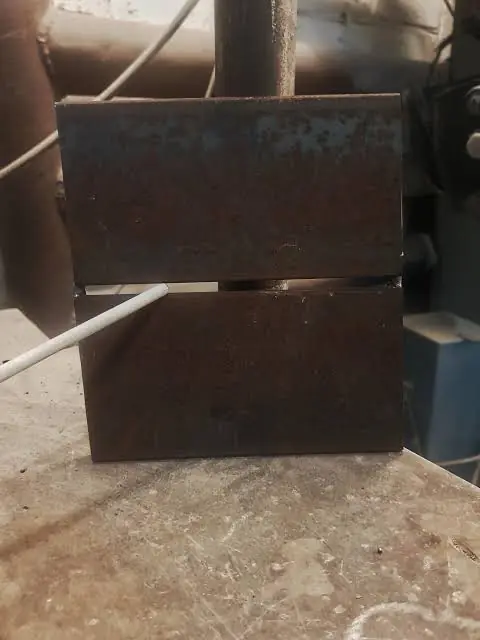
Used for welding parts with wide gaps or uneven joint conditions. The dual wire system supplies more filler wire to reduce repeated filling operations.
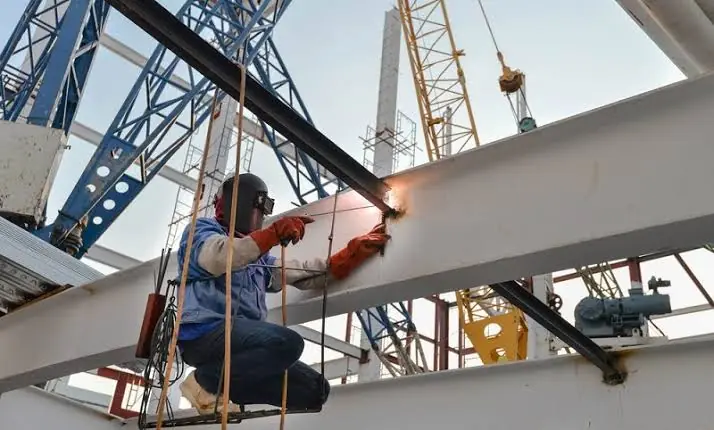
Applied in steel frame, structural steel, and heavy steel component welding. It is suitable for production environments with large weld seams and thick materials.
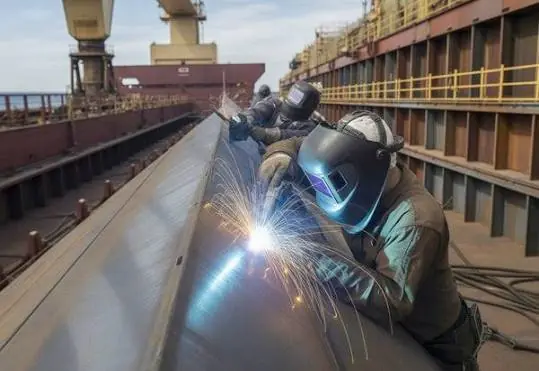
Used for welding ship structures, marine equipment, and large metal assemblies where stable wire feeding is required for long welding operations.
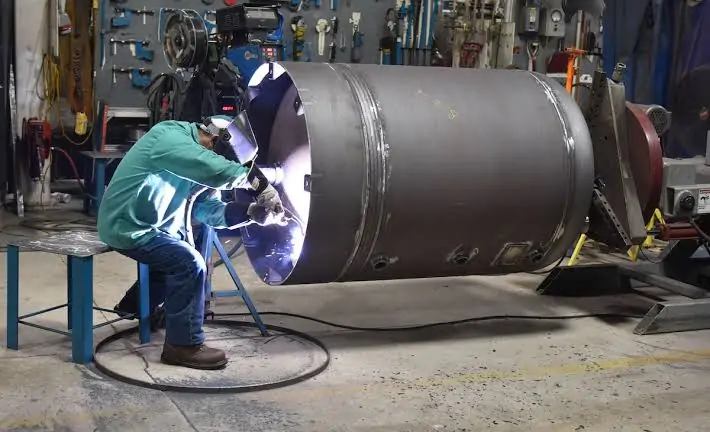
Suitable for pipes, tanks, and pressure equipment manufacturing. The dual wire feeding method is used for weld joints requiring higher filler metal input.
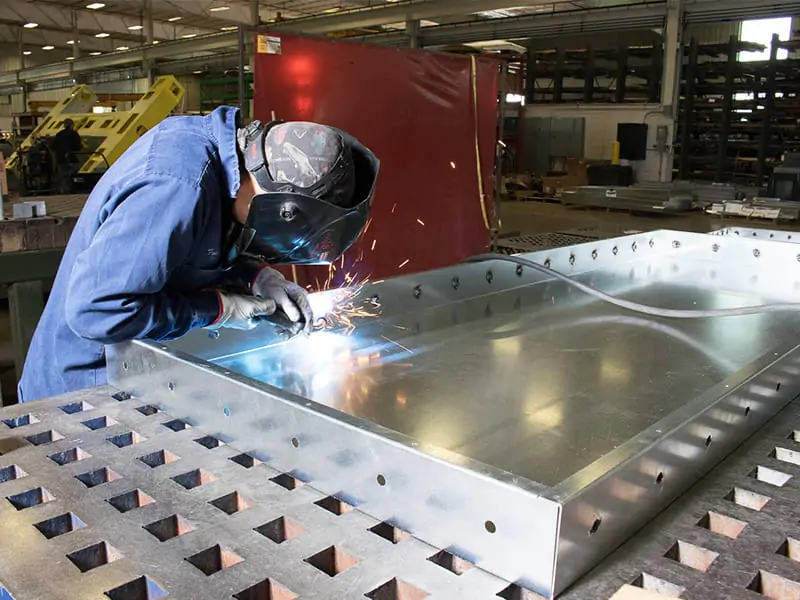
Applied in metal processing factories for continuous welding of steel, stainless steel, and other metal products. The feeder supports different welding wire sizes from 0.8-2.0 mm.

Used for repair work on large metal parts where additional filler wire is needed for worn areas, gaps, or damaged weld sections.
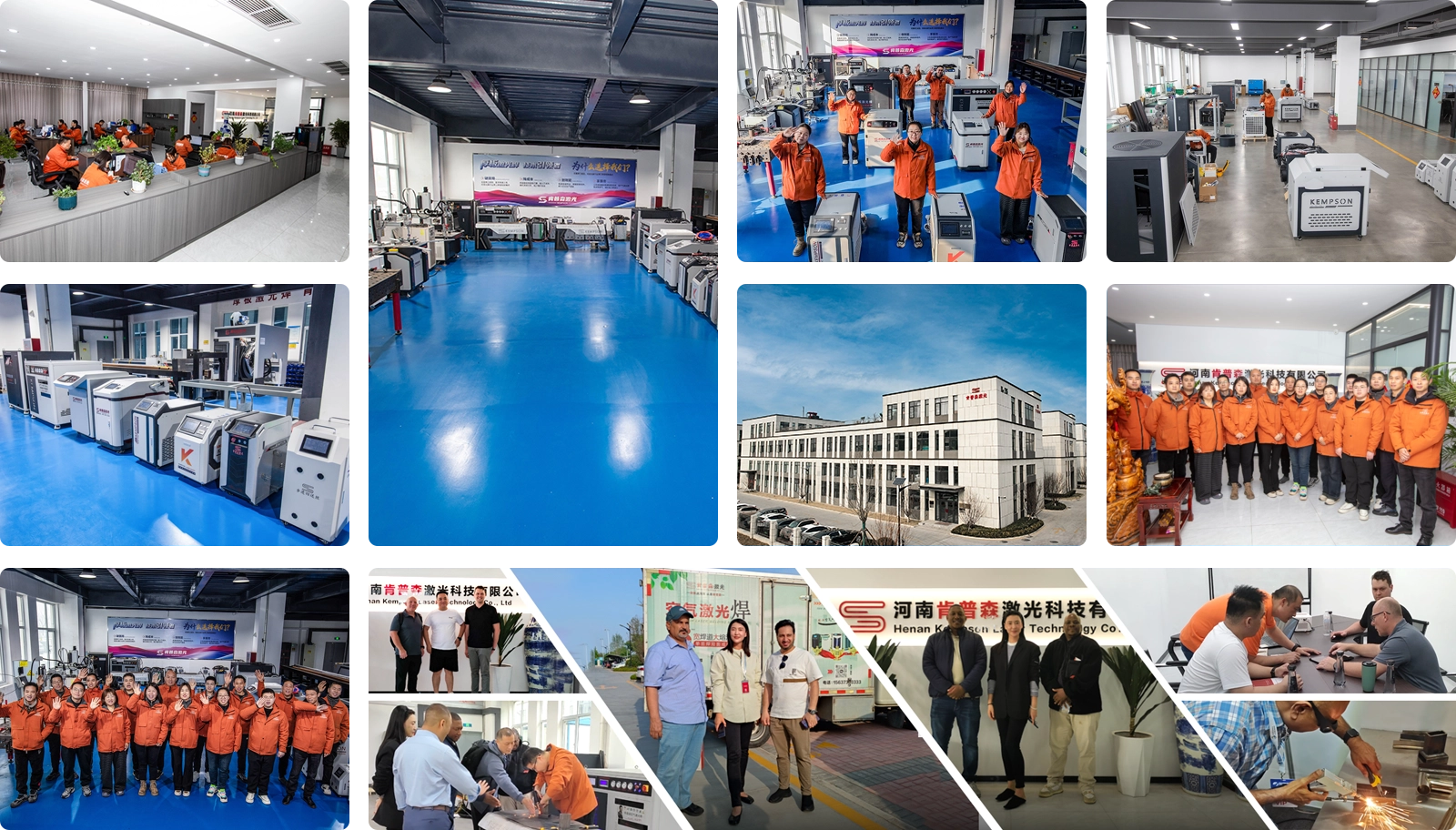
KEMPSON provides professional laser welding equipment and accessories, including Four-Drive Dual Wire Feeder systems for industrial welding applications. With practical experience in laser welding technology and equipment development, KEMPSON offers reliable products, technical support, and customized solutions for different welding requirements. Contact us for more information about laser welding wire feeder solutions

A Four-Drive Dual Wire Feeder is a laser welding wire feeding device using four driven rollers to supply two welding wires simultaneously.
Dual wire feeding increases wire deposition speed and improves filling performance for thick materials and large weld seams.
The KEMPSON Four-Drive Dual Wire Feeder supports welding wire diameters from 0.8mm to 2.0mm.
Four-drive dual wire feeders provide higher feeding force and filling efficiency, while single wire feeders are mainly used for standard welding applications.
Yes. The Four-Drive Dual Wire Feeder is designed for laser welding machines, including handheld laser welding systems.
Yes. The system supports automatic wire feeding and wire retract functions.
Yes. The digital control panel allows users to adjust wire feeding parameters according to welding requirements.
Yes. KEMPSON can provide customized solutions according to laser welding machine configuration and application requirements.
Looking for a Four-Drive Dual Wire Feeder?
Check our Four-Drive Dual Wire Feeder
This article explains whether laser welding is strong, covering weld strength, penetration depth, joint durability, influencing factors, and comparisons with traditional welding methods. It also introduces suitable materials and industrial applications to help users understand if laser welding meets their production requirements.
Laser beam welding is an advanced fusion welding process that uses a focused laser beam as a heat source to melt and join materials. It provides high welding speed, low heat input, small deformation, and precise control, making it widely used in automotive, aerospace, electronics, battery manufacturing, and precision industries.
Laser beam welding uses a high-energy laser beam to generate concentrated heat, melt materials, and create a strong welded joint. This article explains how laser beam welding works, including its working principle, welding mechanisms, key components, advantages, and applications in modern manufacturing.
This article explains the causes of deformation in thin plate laser welding and introduces practical methods to reduce distortion, including laser parameter optimization, heat input control, fixture design, and proper welding processes. It also explains why laser welding is suitable for precision thin metal fabrication and how manufacturers can select the right equipment for stable welding results.