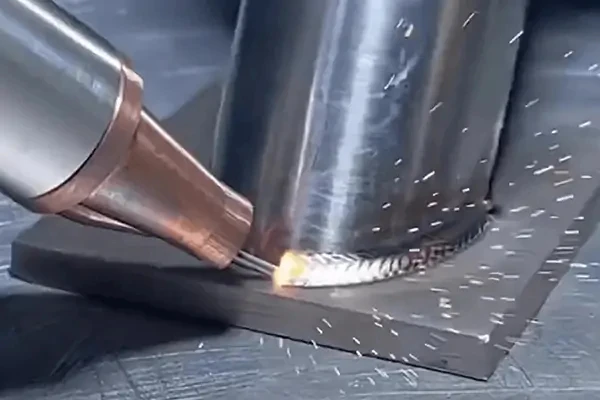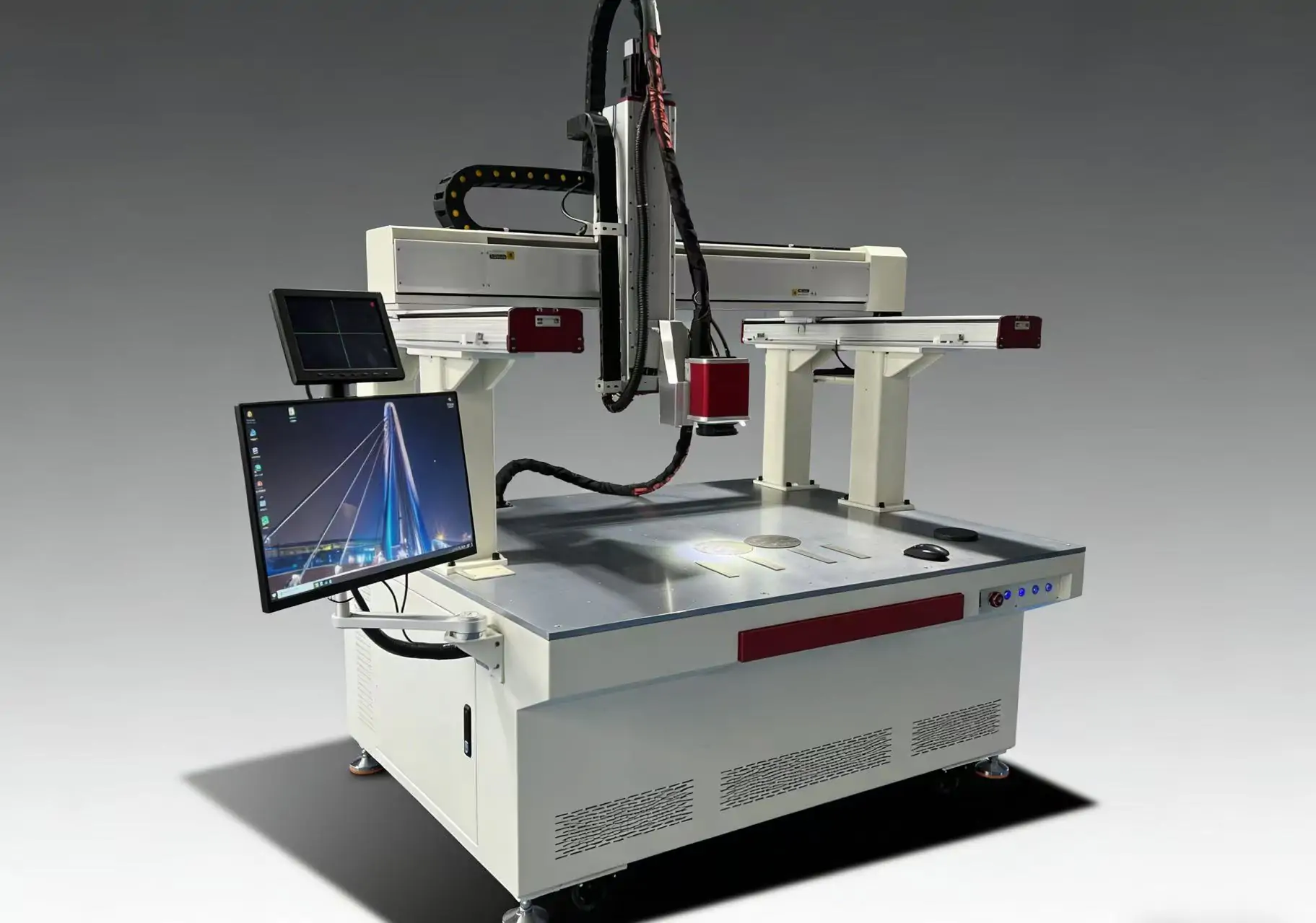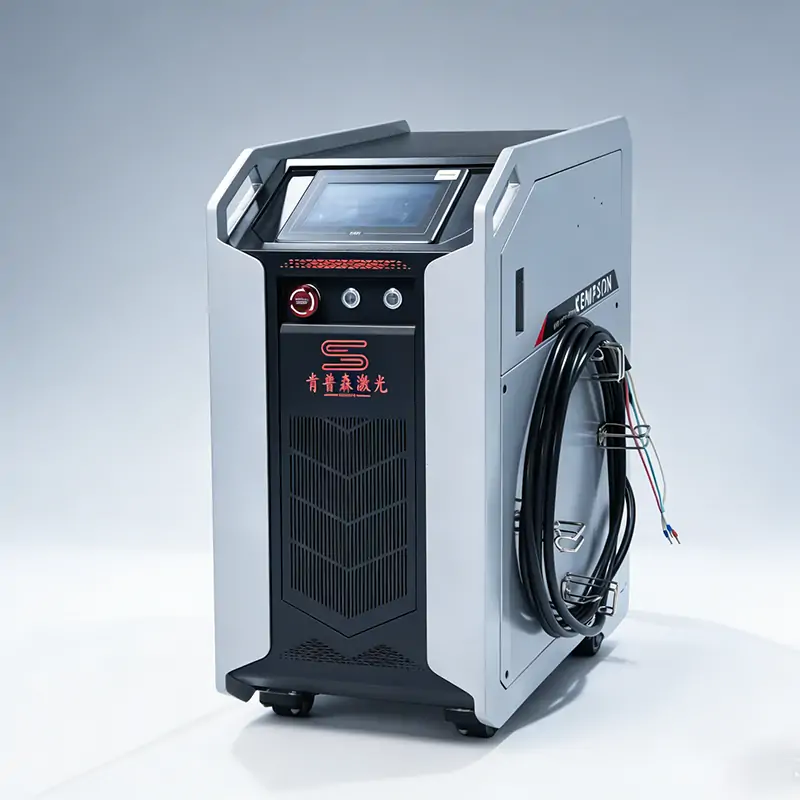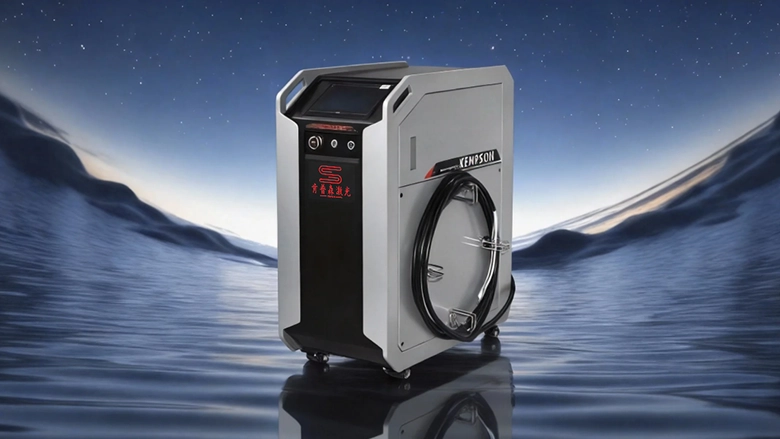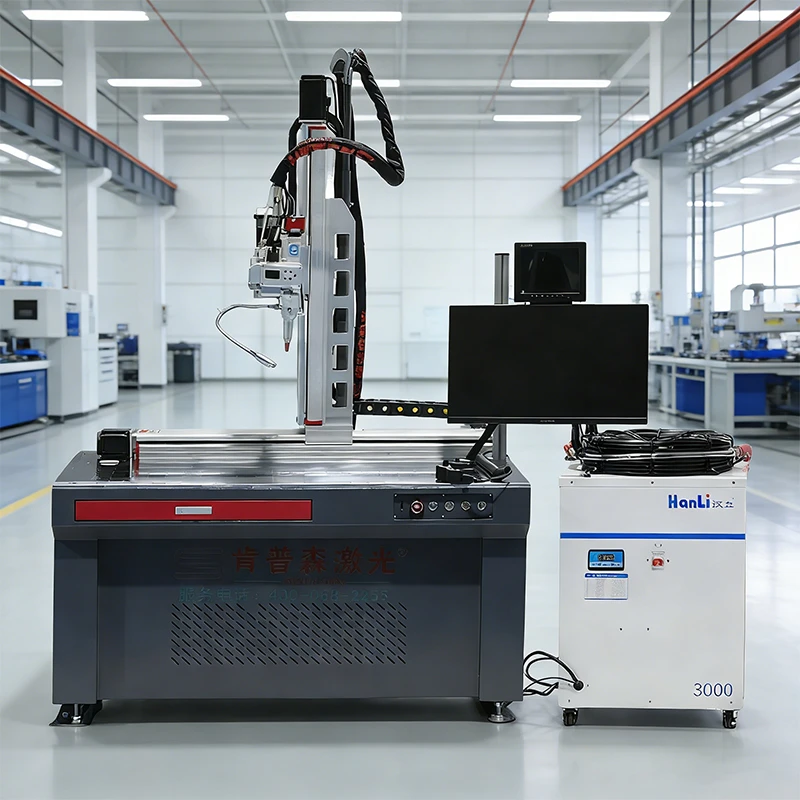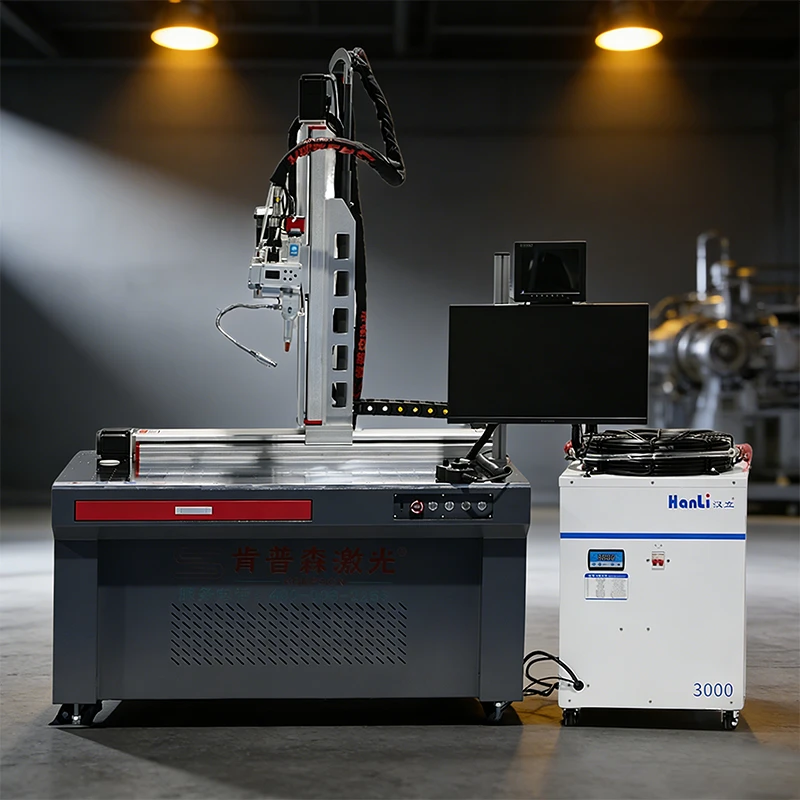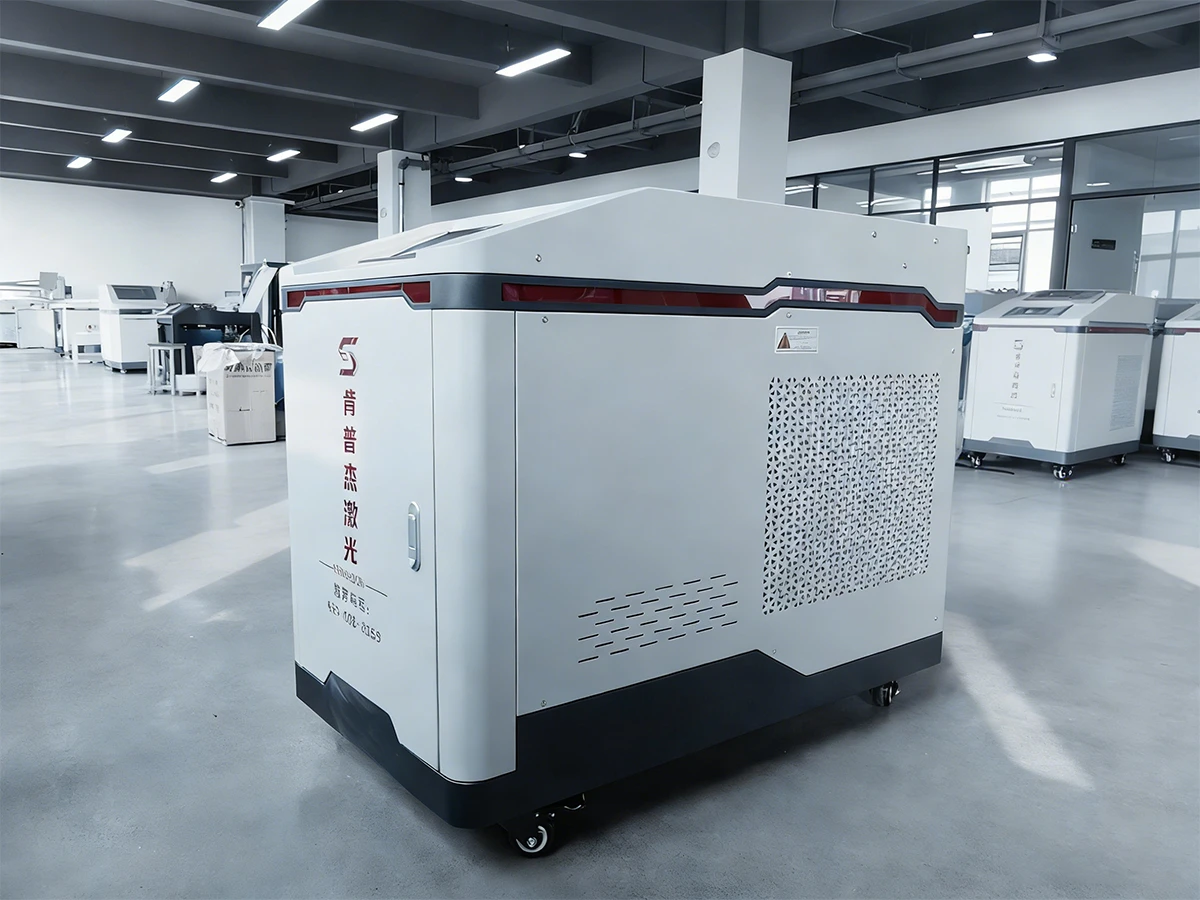
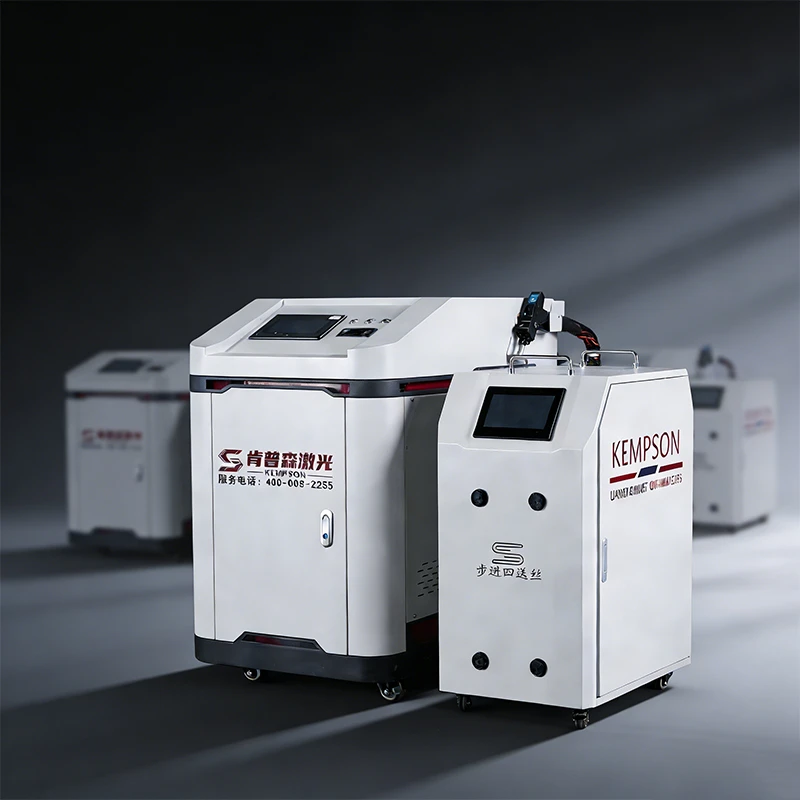
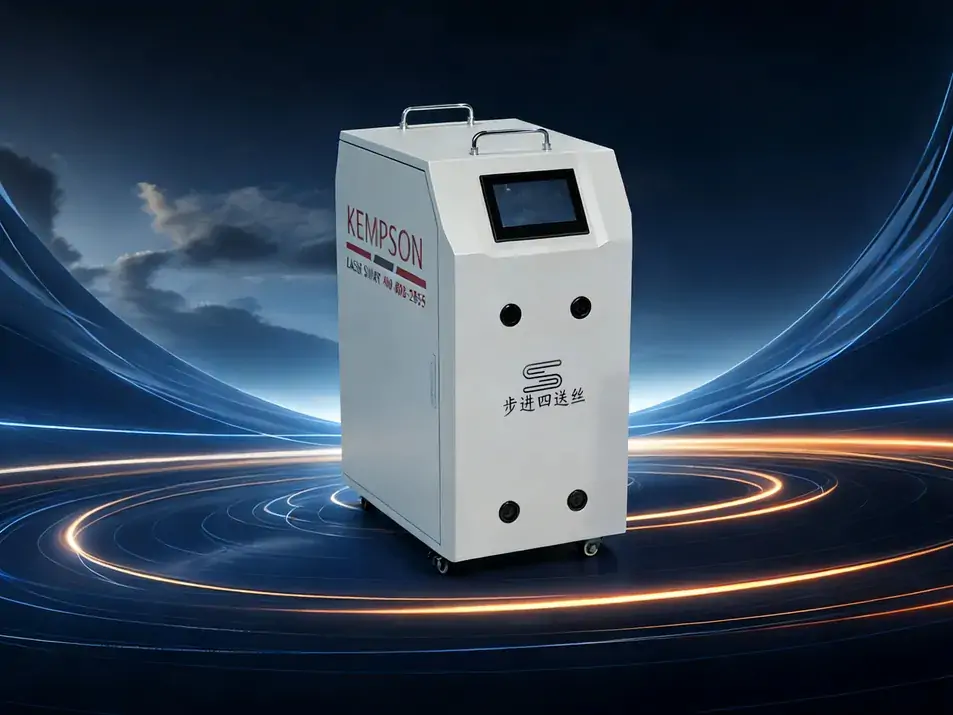
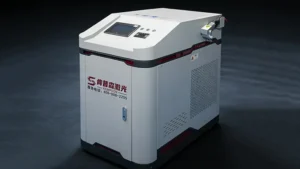
An aluminum-steel hybrid structure uses aluminum alloy and steel components in the same assembly. Aluminum sections reduce structural weight, while steel sections provide load-bearing capacity and support at selected connection points. This material combination is common in automotive manufacturing, electric vehicle battery systems, and rail transit equipment.
Aluminum and steel differ in melting point, thermal conductivity, thermal expansion, and metallurgical properties. Direct fusion welding can produce brittle Fe-Al intermetallic compounds at the joint interface. Excessive growth of this layer reduces joint ductility and strength. Material grades, plate thickness, joint design, heat input, and filler wire selection must be considered when determining the welding process.
Laser welding uses a concentrated heat source to join aluminum and steel with localized heat input. Welding parameters must be selected according to material properties, thickness, and joint geometry to control penetration, interface reactions, and weld quality.
| Process Requirements | Process Requirements |
|---|---|
| Welding Challenge | |
| Different Melting Points | Adjust laser power, beam position, and welding speed to control the melting depth of aluminum and steel. |
| Intermetallic Compound Formation | Control heat input and interaction time to limit excessive growth of brittle Fe-Al compounds, such as Fe₂Al₅ and FeAl₃. |
| Different Thermal Conductivity | Set welding parameters according to the thermal behavior of each material and the selected joint configuration. |
| Thermal Expansion Differences | Control joint design, clamping, and welding sequence to limit residual stress and distortion. |
| Joint Gap and Thickness Variation | Match filler wire diameter and feeding speed to the joint gap and material thickness. |
| Oxidation During Welding | Clean material surfaces and apply suitable shielding gas coverage to protect the weld zone. |
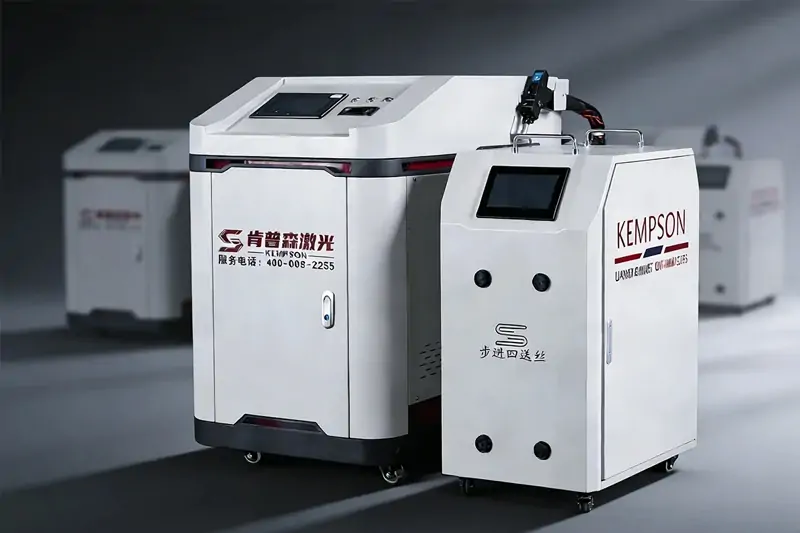
Laser welding equipment provides concentrated heat input, adjustable process parameters, and flexible filler wire configurations. These features support the joining of aluminum-steel components with different thicknesses and joint geometries.
Actual welding parameters depend on material grades, thickness, joint design, and filler material. Trial welding, metallographic examination, and mechanical testing are required to verify joint quality before production.
Aluminum-steel laser welding involves surface preparation, joint positioning, laser parameter adjustment, and weld inspection. Material grades, thickness, and joint geometry determine the process configuration. Trial welding is required to establish suitable production parameters.
Aluminum and steel surfaces must be free of oil, dirt, and other contaminants. Aluminum oxide requires appropriate removal before welding. Joint alignment and gap control are necessary for consistent weld formation.
Common joint configurations include:
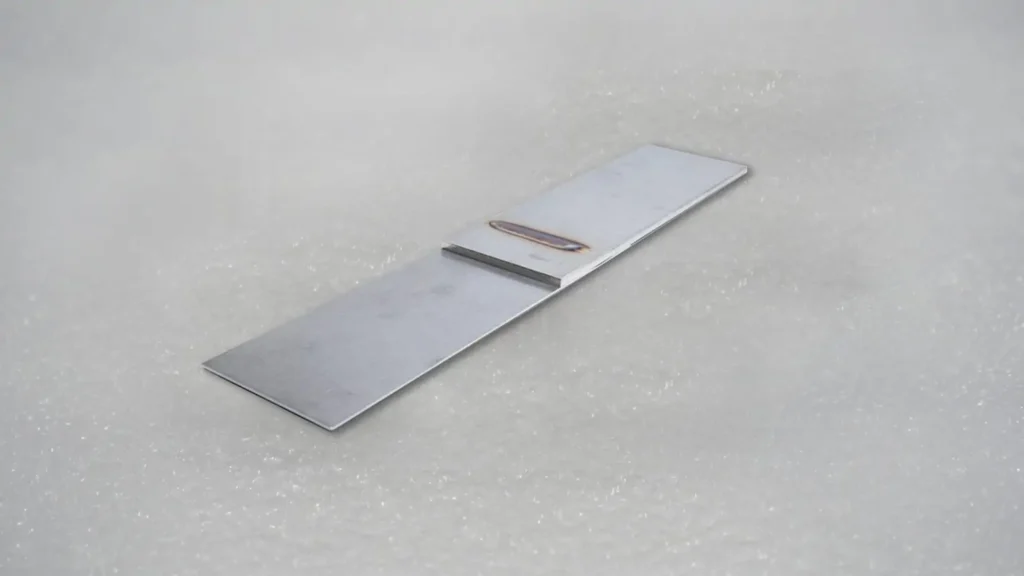
Lap Joint: Aluminum and steel sheets overlap, with the laser directed at the joining interface.
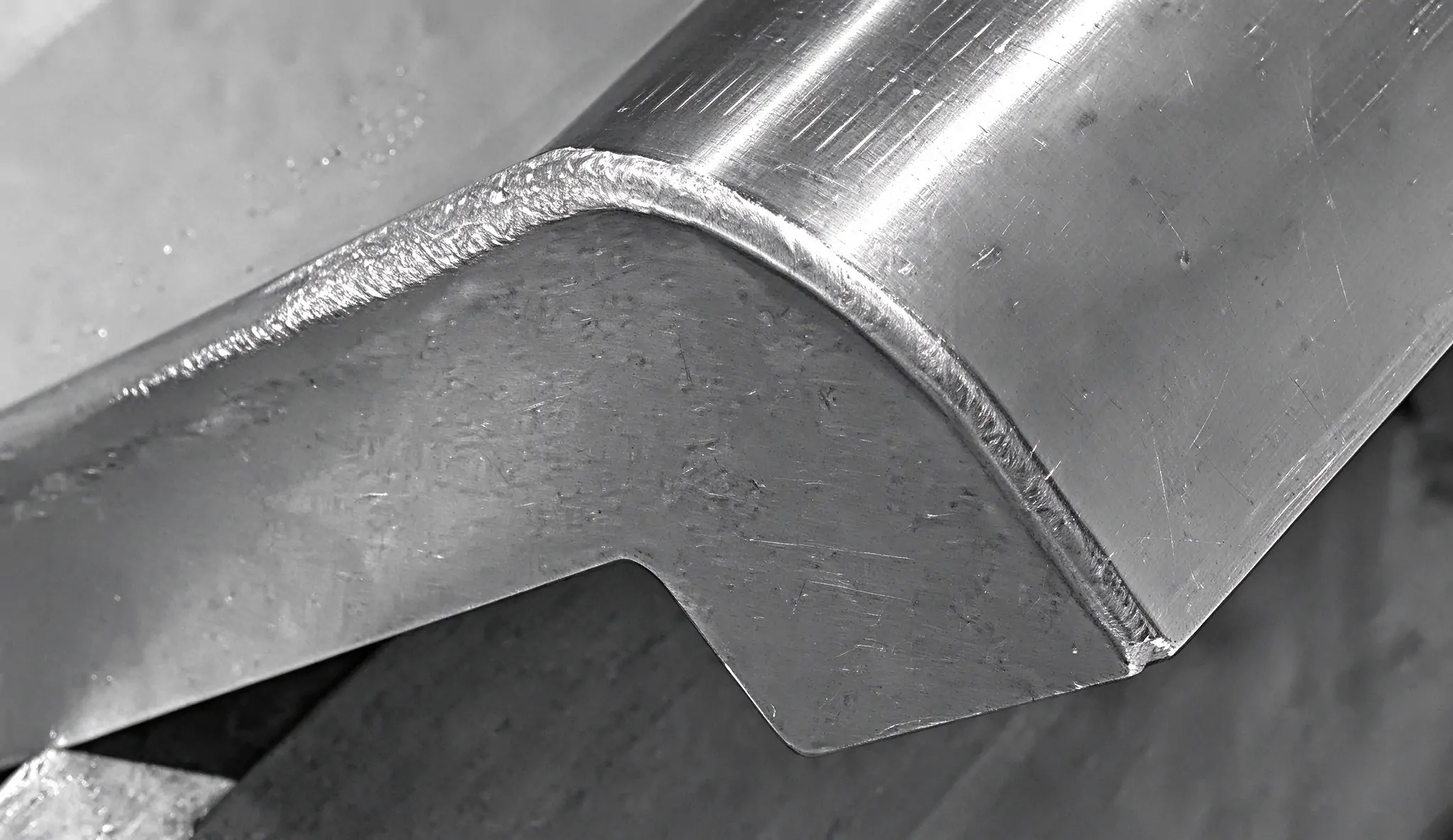
Butt Joint: Material edges are aligned for direct joining. Edge preparation and gap control are critical.
Laser power, welding speed, and beam position are selected according to material grades, thickness, and joint geometry. These parameters affect penetration depth, heat input, and Fe-Al interface reactions.
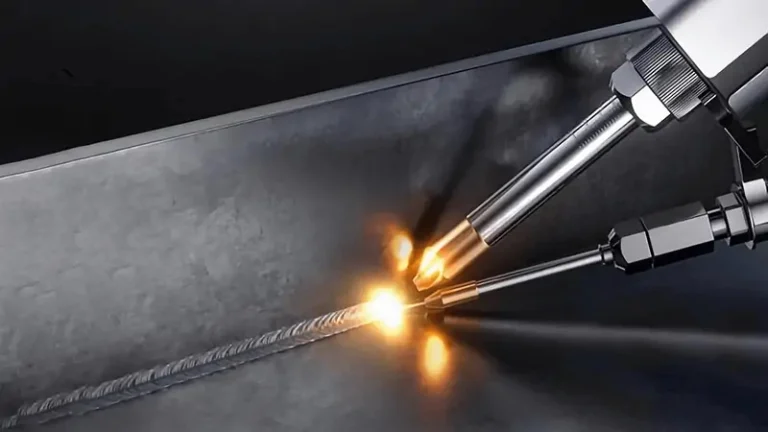
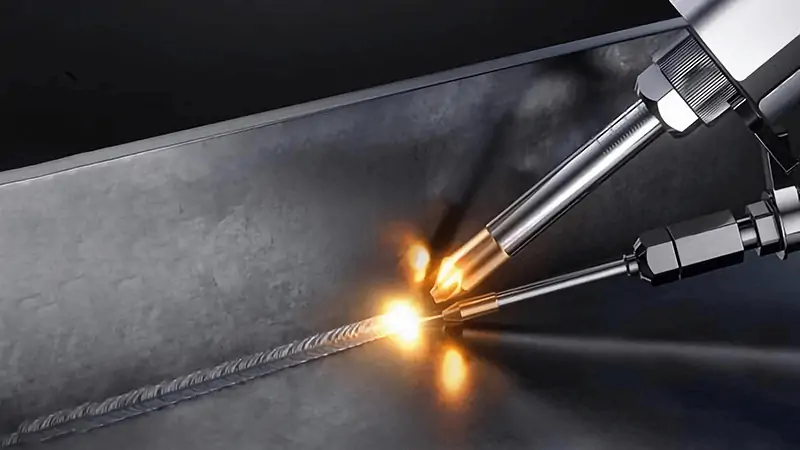
Filler wire is selected according to the joint gap, material combination, and required joint properties. Wire diameter and feeding speed must match the welding process. Single-wire, double-wire, and triple-wire configurations are available according to equipment configuration.
Shielding gas protects the molten area from atmospheric contamination. Gas type, flow rate, and nozzle position must match the welding configuration.
Aluminum-steel joints require inspection of weld formation, interface bonding, and mechanical properties.
| Inspection Item | Inspection Focus |
|---|---|
| Visual Inspection | Weld appearance, dimensions, and surface defects |
| Defect Inspection | Porosity, cracks, and incomplete bonding |
| Metallographic Examination | Interface structure and Fe-Al intermetallic compound layer |
| Mechanical Testing | Tensile, shear, or peel strength according to joint design |
Welding parameters for aluminum-to-aluminum or steel-to-steel joints cannot be directly transferred to aluminum-steel combinations. Trial welding and mechanical testing are required before production.
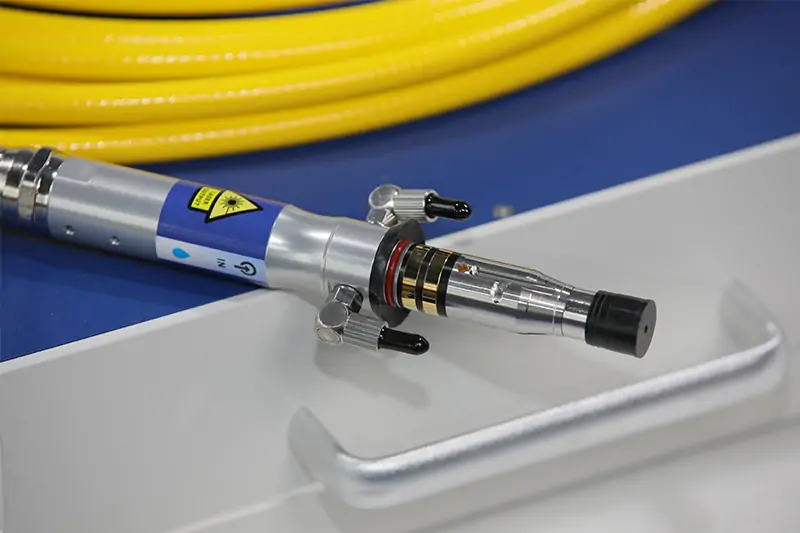
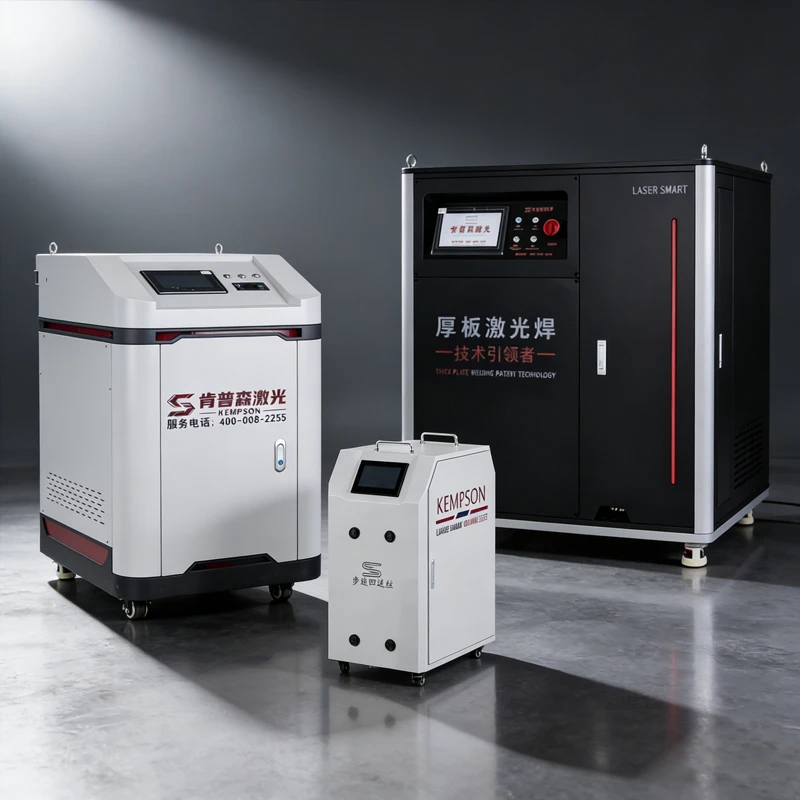
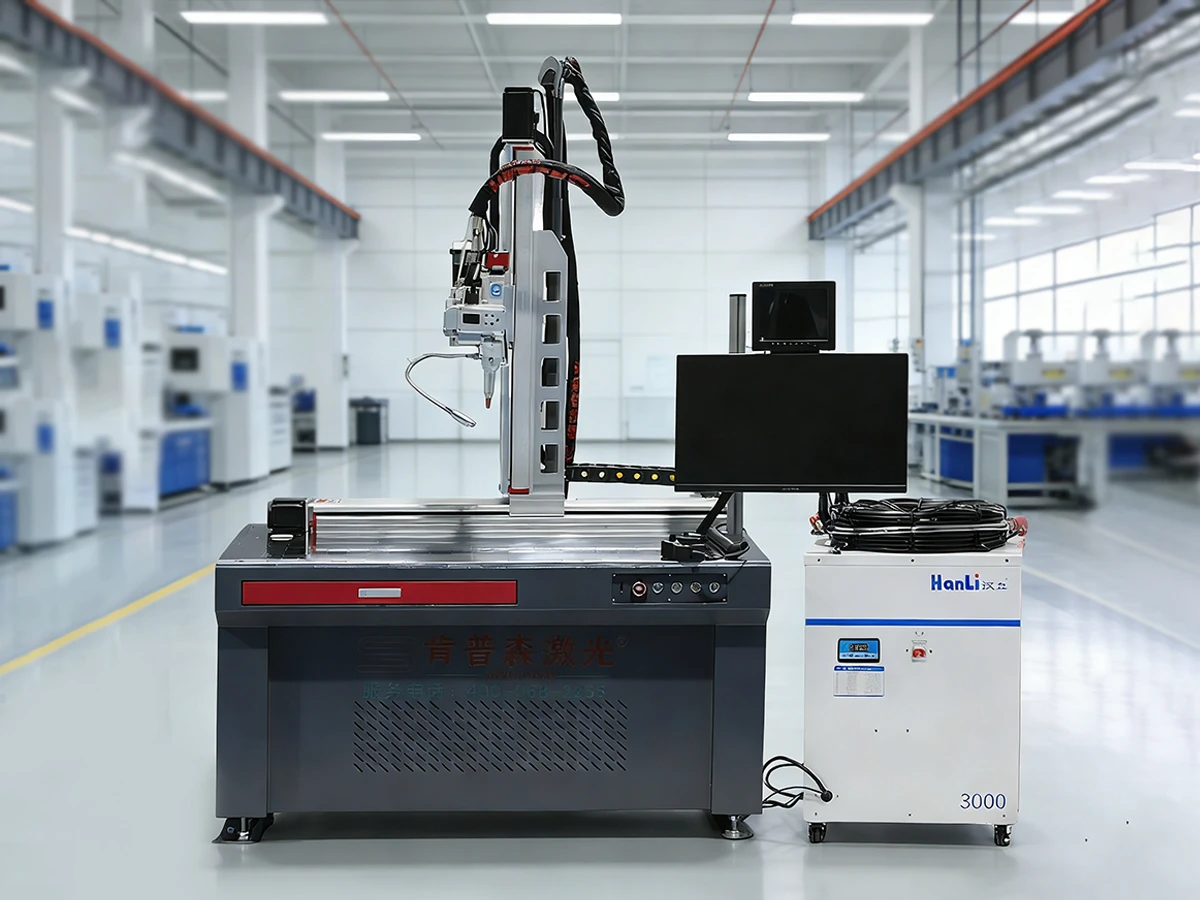
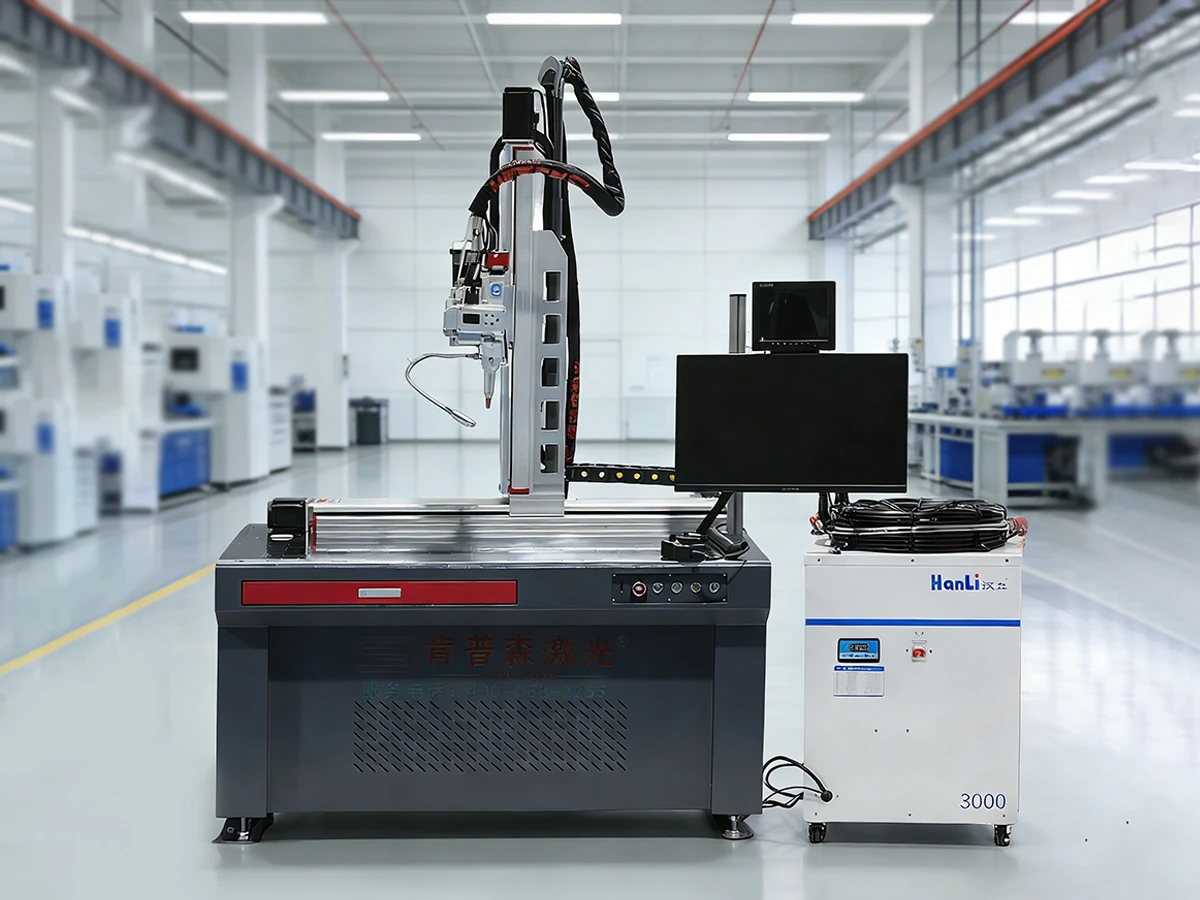
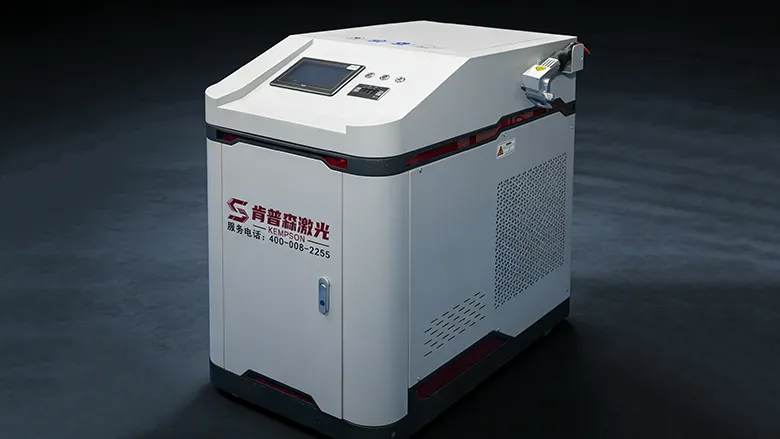
The machine uses a GW fiber laser source with 3000W and 4000W power options. Laser output is adjusted through the control system according to the welding parameters. The source incorporates back-reflection protection for processing reflective metals.
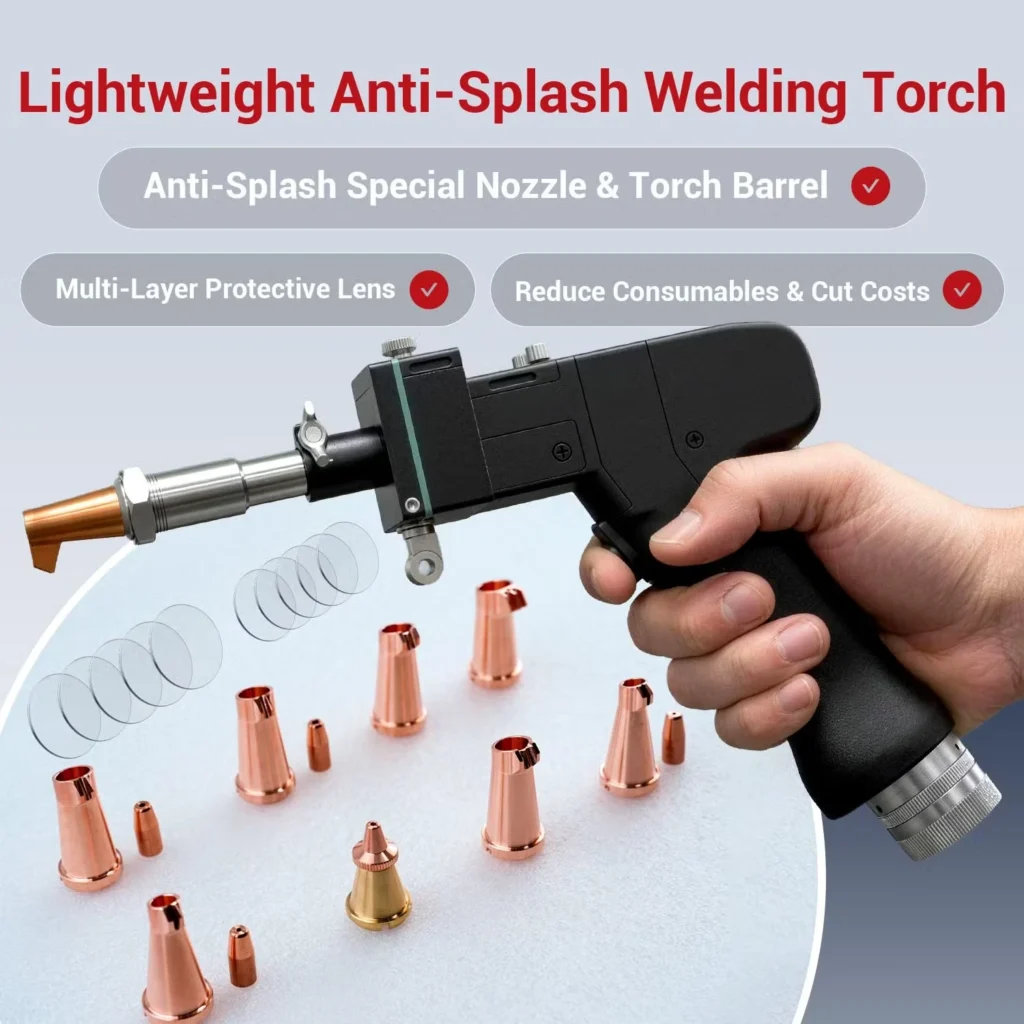
The Black Gold welding torch features an anti-spatter design and replaceable protective lenses. Torch structure and rotation functions are configured according to the selected welding head.
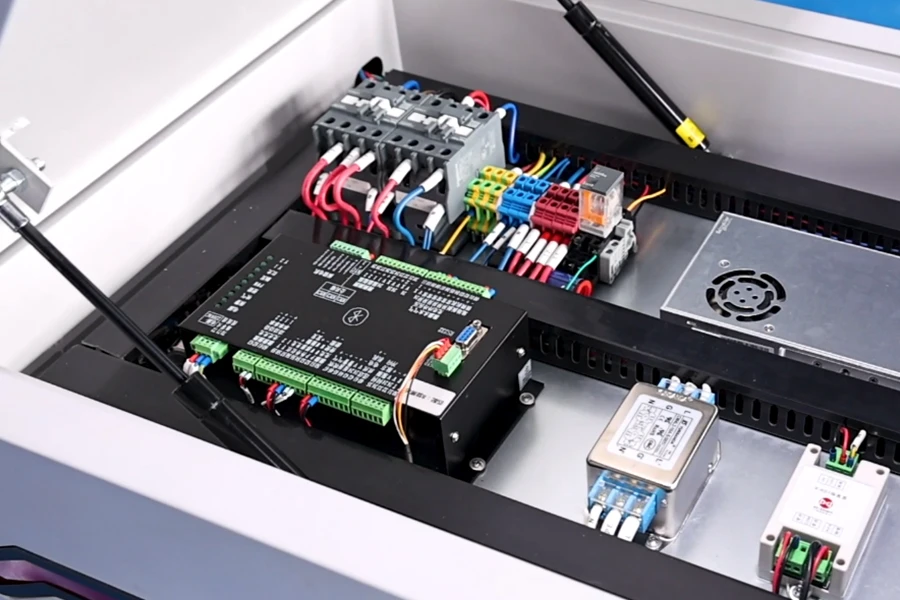
Schneider Electrical System
Schneider electrical components are used in the machine’s main electrical circuits, including power control and electrical protection.
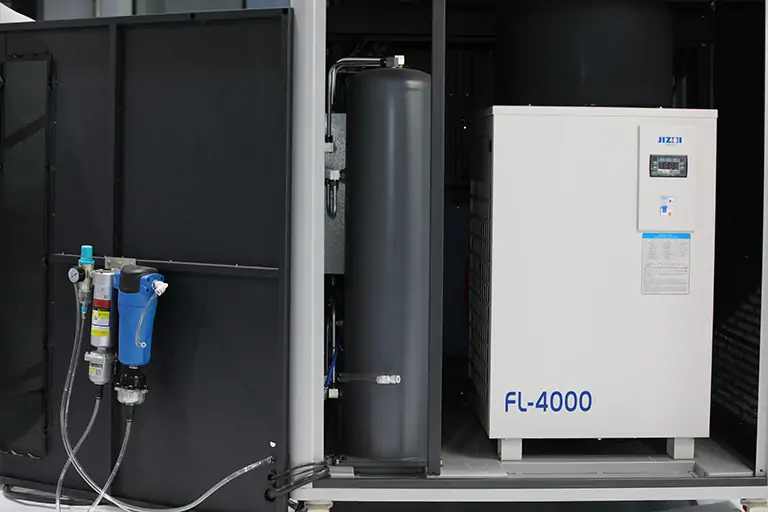
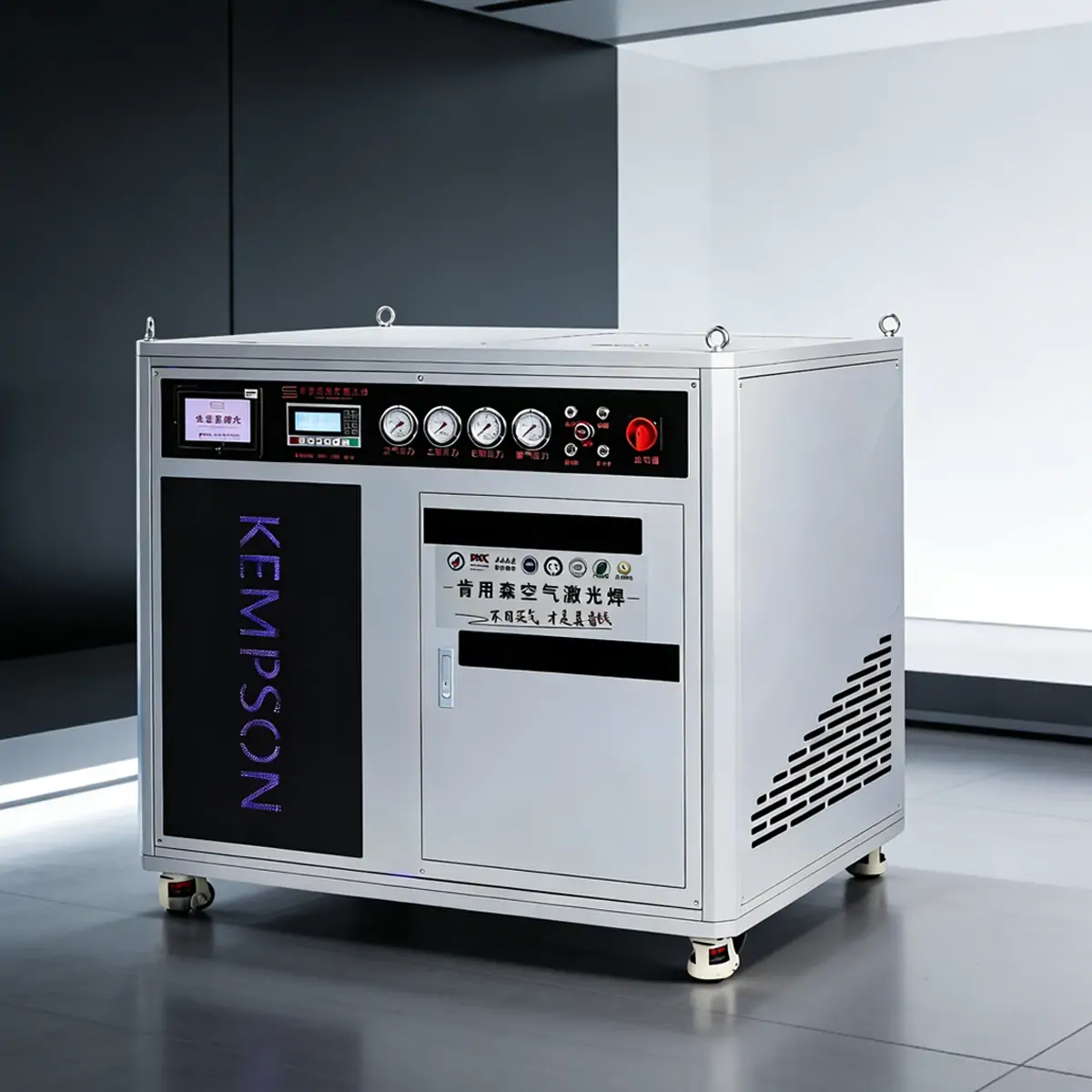
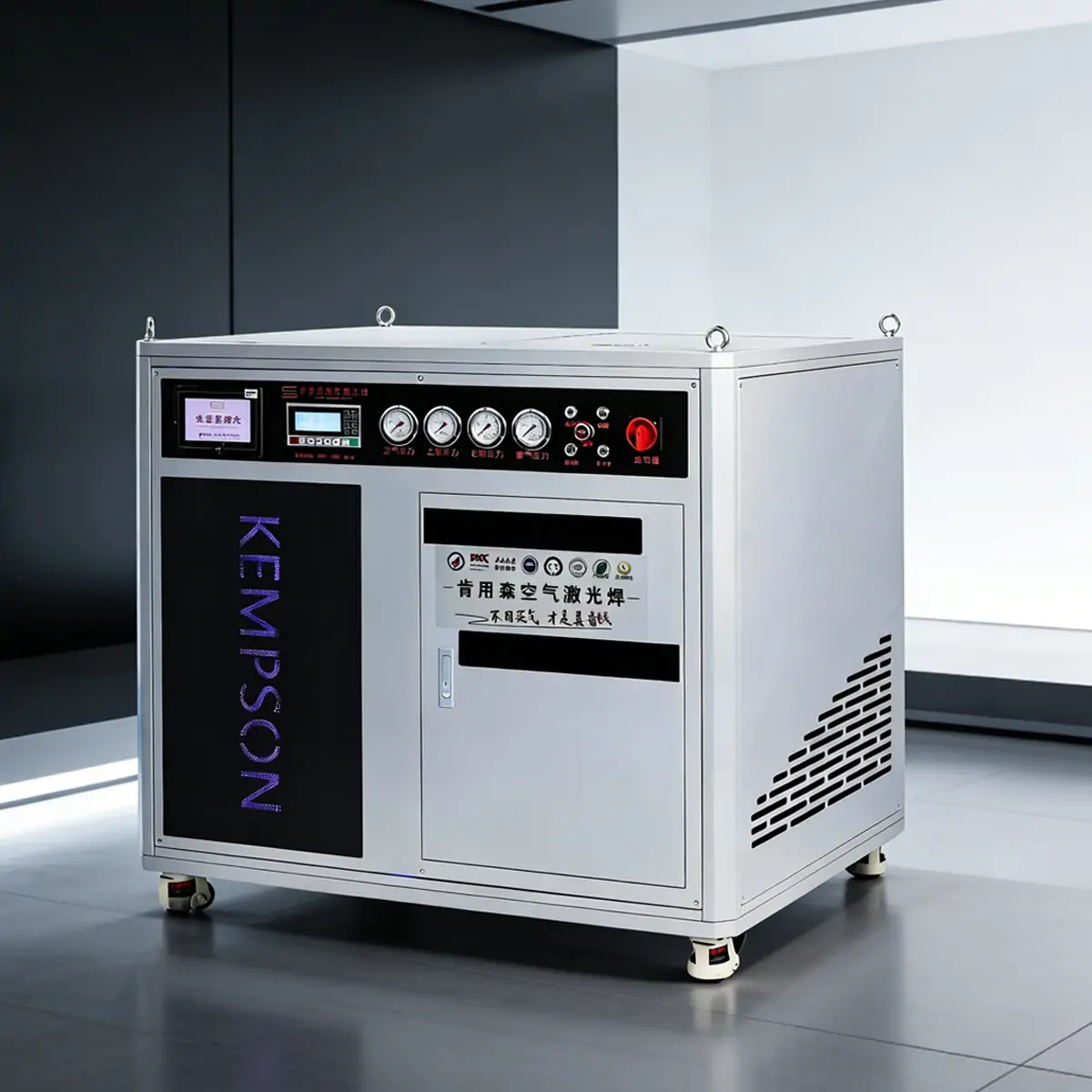
S&A Customized Chiller
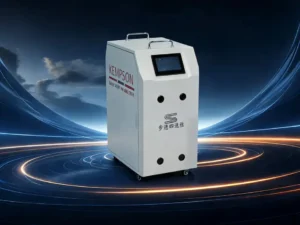
The S&A water chiller provides cooling for the laser source and associated equipment. Cooling capacity is matched to the laser power, with different specifications for the 3000W and 4000W models.
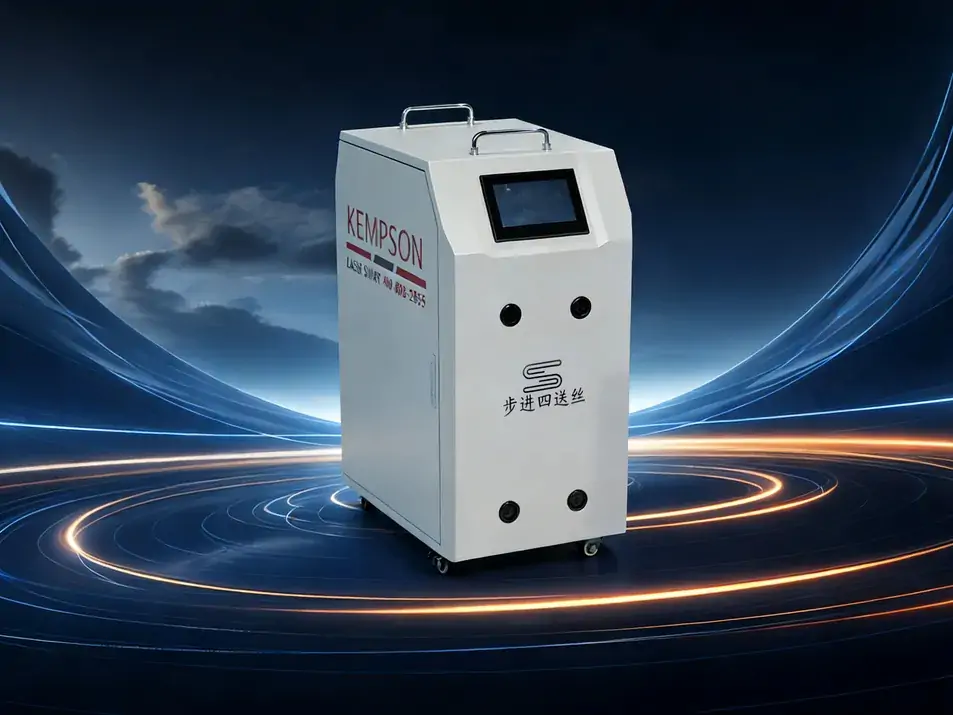
Four-wheel Drive Stepper Wire Feeder
The four-wheel drive mechanism feeds welding wire through stepper motor control. Single-wire, double-wire, and triple-wire feeding configurations are available for different welding setups.
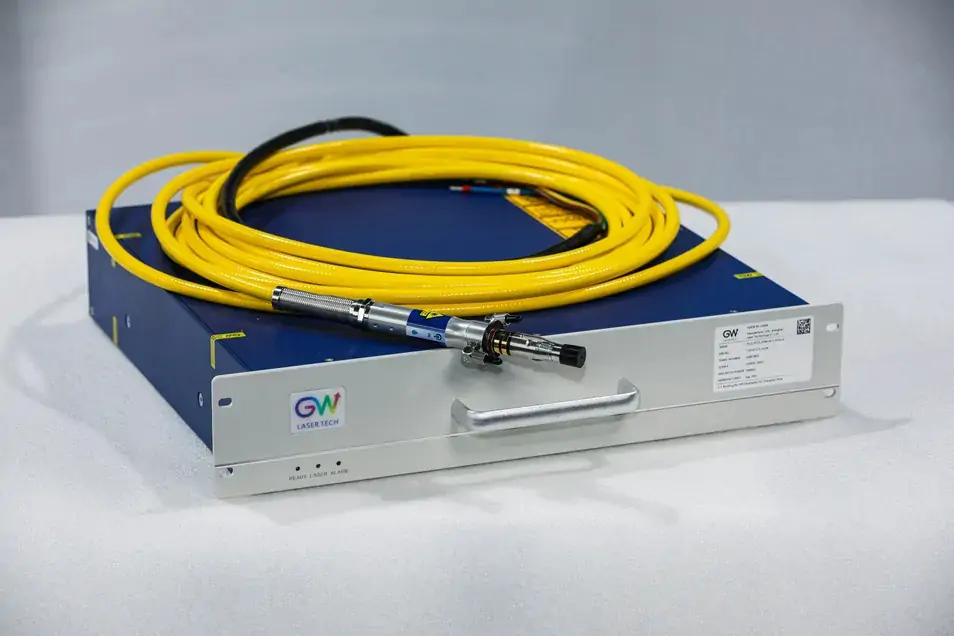
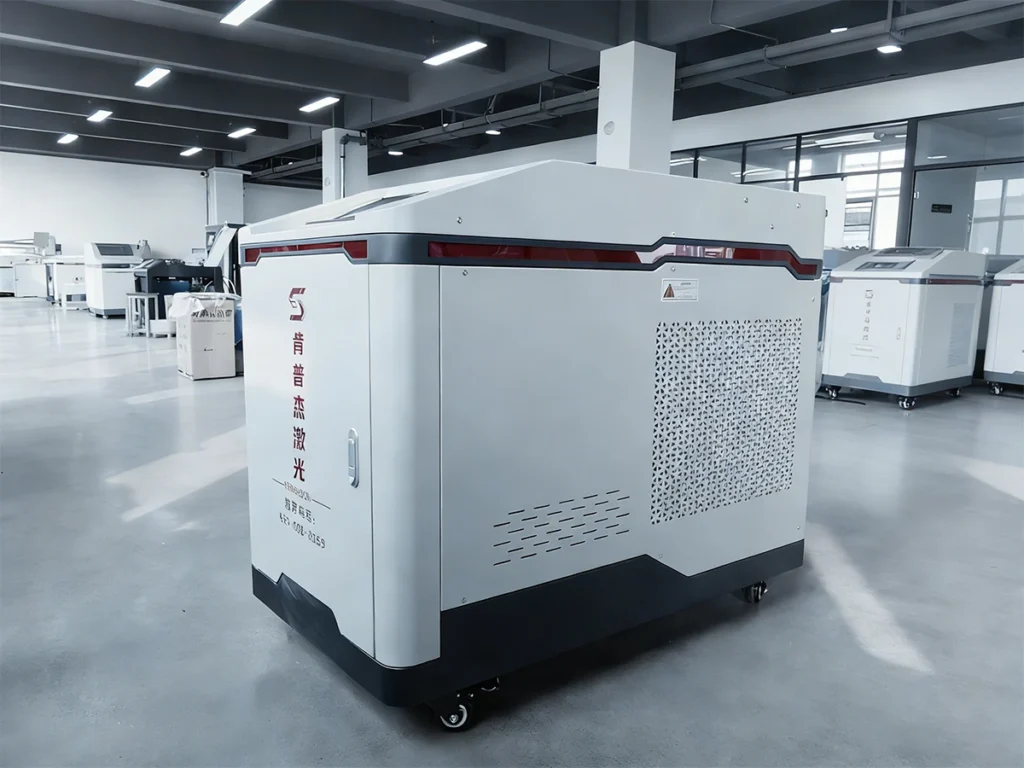
The machine comes with a 10 m fiber cable. Its protective structure limits excessive bending during torch movement. Installation must follow the specified minimum bending radius.
| Parameter | KPS-XLHW3000 | KPS-XLHW4000 |
| Laser Power | 3000W | 4000W |
| Cooling Method | S&A Customized Chiller (7500W) | S&A Customized Chiller (18000W) |
| Plate Range | 0.5 — 12mm | 0.5 — 12mm |
| Fillet Weld (Stainless) | 9mm | 11mm |
| Fillet Weld (Carbon Steel) | 10mm | 12mm |
| Fillet Weld (Aluminum) | 8.5mm | 10.5mm |
| Weld Bead | Width 8mm / Reinforcement 4.5mm | Width 8mm / Reinforcement 4.5mm |
| Wire Mode | Single / Double / Triple switching | Single / Double / Triple switching |
| Wire Diameter | Φ0.8 — 2.0mm | Φ0.8 — 2.0mm |
| Power Consumption | ≤ 3kW | ≤ 3.5kW |
| Power Demand | 380V | 380V |
| Fiber Length | 10m (Supports long distance) | 10m (Supports long distance) |
| Dimensions | 0.7 * 1.1 * 1.3m | 0.7 * 1.1 * 1.3m |
| Weight | ~235 kg | ~250 kg |
| Core Configuration | GW Anti-reflection / Schneider | GW Anti-reflection / Schneider |
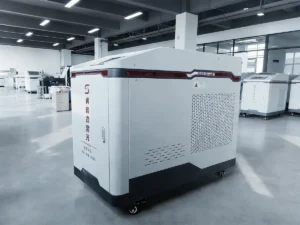
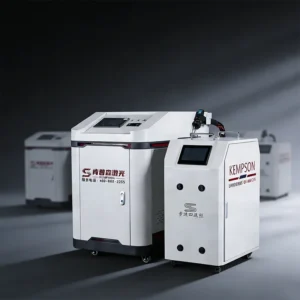
Kempson’s 3000W/4000W thick plate water-cooled laser welder has excellent deep penetration and high stability, widely applied in high-strength industrial fields.
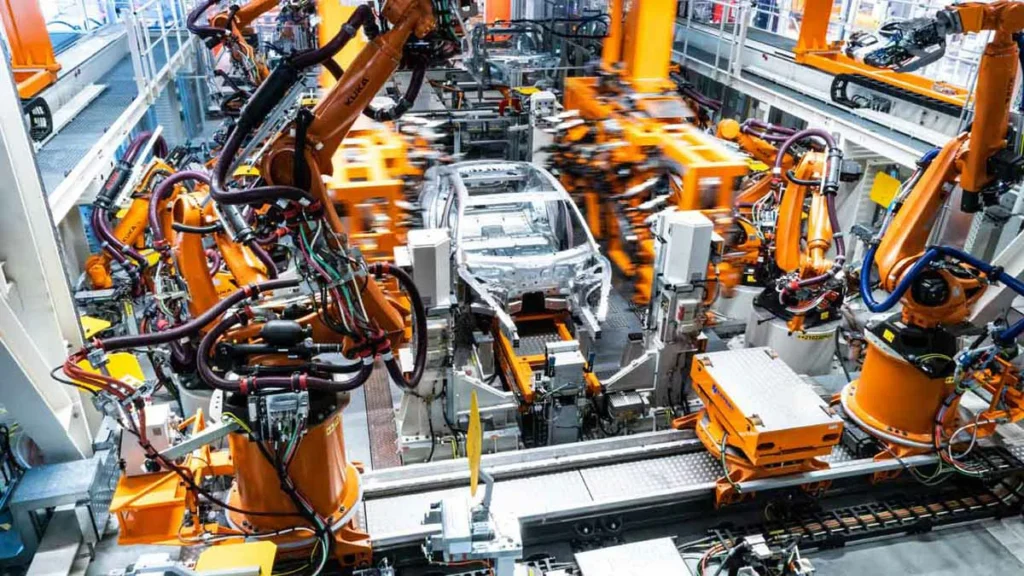
Welding aluminum alloy body frames, panels, and structural sections to steel reinforcement parts, mounting brackets, and connection components in automotive assemblies.
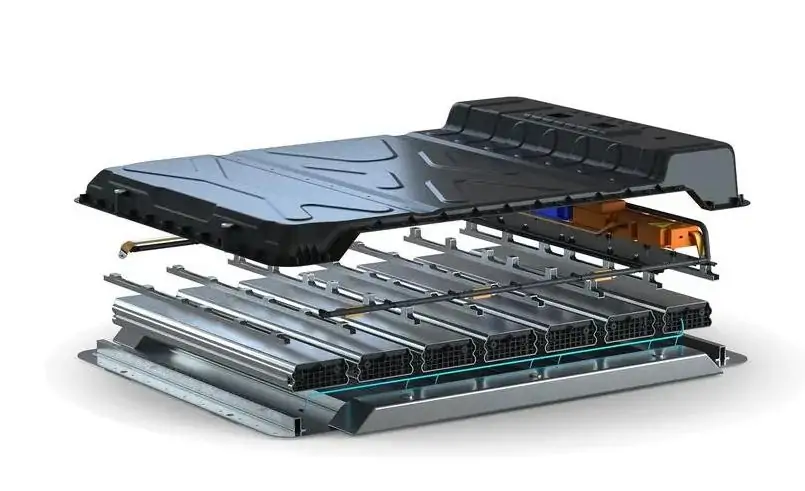
Joining aluminum battery trays and enclosures with steel mounting brackets, support structures, and chassis connection parts in electric vehicle battery systems.
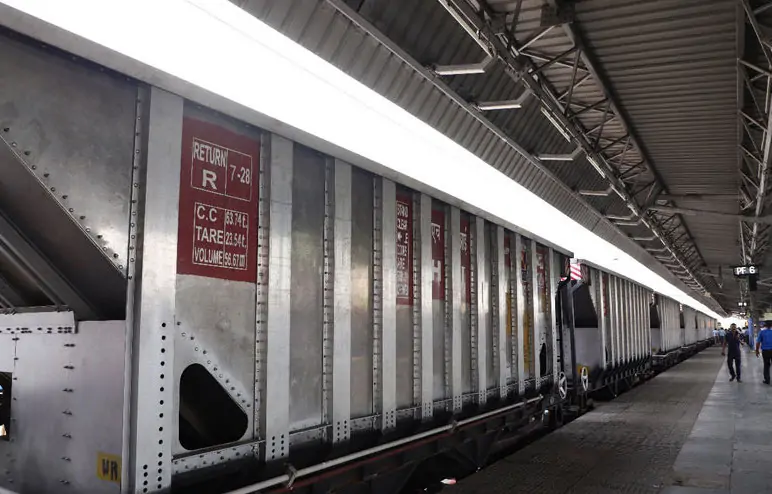
Joining aluminum alloy car body sections with steel brackets, reinforcement parts, and structural connection components in rail transit vehicles.
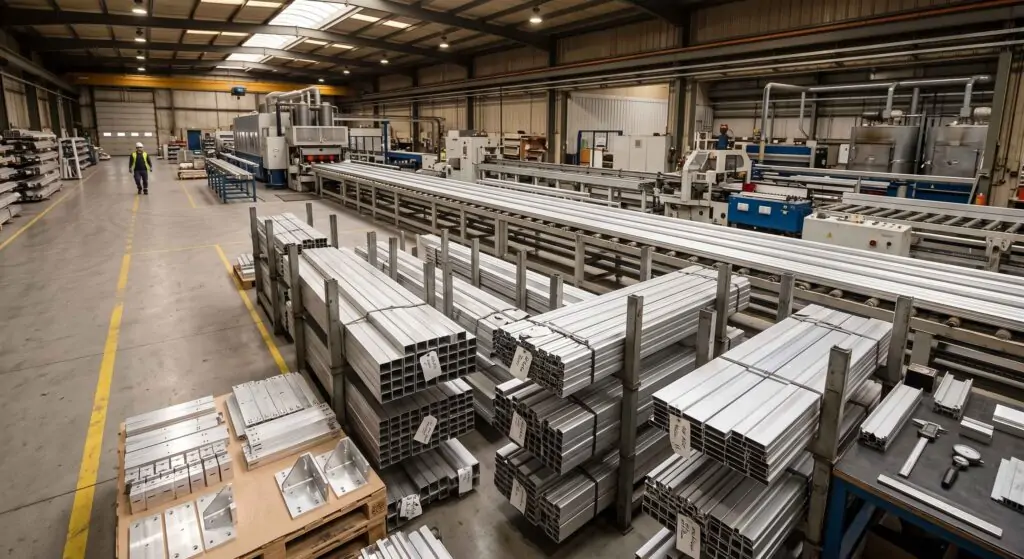
Welding aluminum profiles, frames, and housings to steel supports, mounting plates, and load-bearing components in industrial equipment.
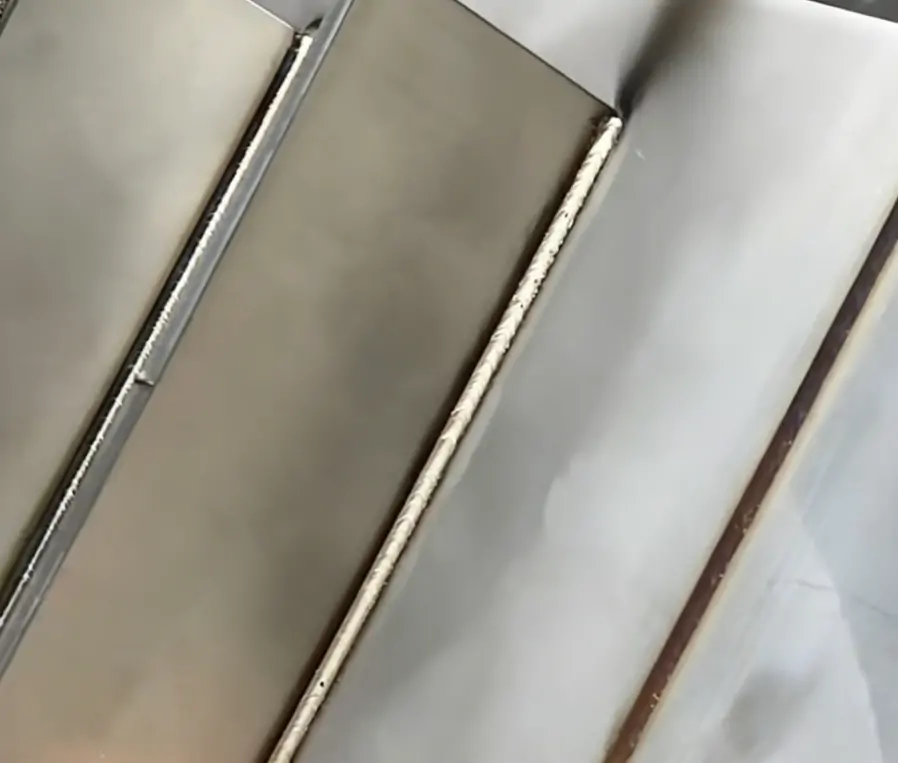
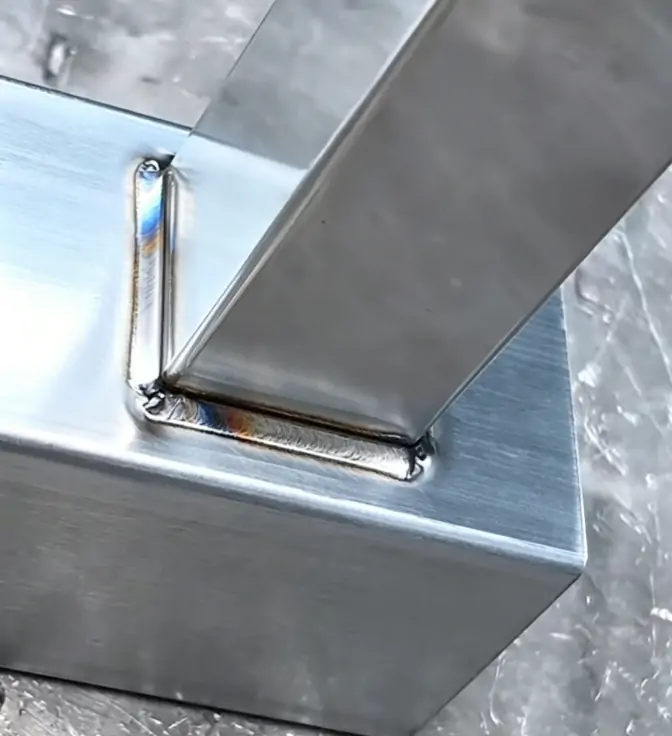
To learn about aluminum welding methods and characteristics, see the article: “How to Weld Aluminum: Methods, Parameters & Laser Welding Guide”
When welding aluminum with significant width and depth, it is necessary to use filler wire of the appropriate size. For information on how to select the type and size of filler wire, see: Aluminum Laser Welding Filler Wire: Alloy Selection and Diameter Guide
The Laser Welding Machine for Aluminum-Steel Hybrid Structures is designed for stable, high-load metal joining in continuous production environments. Compared with traditional welding methods such as TIG, MIG, and arc welding, it uses concentrated laser energy and water-cooling temperature control to maintain consistent welding performance on different metal thicknesses and materials.
| Item | Traditional Welding (TIG / MIG / Arc) | Laser Welding Machine for Aluminum-Steel Hybrid Structures |
|---|---|---|
| Heat input | High and less controlled | Focused and precisely controlled |
| Heat-affected zone | Large, higher deformation risk | Small, low deformation |
| Welding speed | Moderate to low | High welding speed |
| Joint accuracy | Depends on operator skill | Consistent and repeatable |
| Material compatibility | Limited for dissimilar metals | Suitable for steel, stainless steel, aluminum, and hybrid materials |
| Weld quality | Variable, affected by manual operation | Stable weld bead and uniform penetration |
| Post-processing | Often required (grinding, correction) | Minimal post-processing |
| Continuous operation | Limited by heat buildup | Water-cooling system supports long-term stable operation |
| Automation capability | Low or semi-automatic | Easily integrated with automated systems |
| Maintenance cost | Higher consumable and electrode cost | Lower consumables, reduced electrode usage |
Compared to TIG, MIG, and laser welding machines for aluminum-steel hybrid structures, which use focused laser energy to control heat input. They produce a smaller heat-affected zone and result in less distortion. This equipment supports higher welding speeds and maintains consistent weld quality across different materials and thicknesses.
Defects in aluminum laser welding often stem from base metal inconsistencies rather than machine output. Stable welds require precise alloy composition and tight material tolerances. For project-spec aluminum plates and coils, see Union Alu.
Welding aluminum to steel requires process parameters matched to the material grades, joint geometry, and required joint properties.
Aluminum alloys and steel grades differ in melting temperature, thermal conductivity, and metallurgical properties. Material grades determine the welding process, laser power, and beam position. Parameters must be established for each material combination.
Direct fusion welding can form brittle Fe-Al intermetallic compounds, such as Fe₂Al₅ and FeAl₃, at the joint interface. Excessive layer growth reduces joint ductility and mechanical strength. Laser power, welding speed, and beam position must be controlled to limit interface reactions.
Lap and butt joints are common configurations for aluminum-steel assemblies. Joint gap, edge alignment, and clamping conditions affect weld formation. Surfaces must be free of oil, oxide layers, and other contaminants before welding.
Filler wire composition depends on the aluminum alloy, steel grade, joint gap, and required mechanical properties. Wire diameter and feeding speed must match the welding process. Single-wire, double-wire, and triple-wire configurations are selected according to the joint structure and equipment setup.
Aluminum-steel joint inspection covers weld appearance, defects, interface structure, and mechanical properties. Test methods are selected according to joint geometry, material combination, and quality requirements.
| Inspection Item | Inspection Focus |
|---|---|
| Weld Appearance | Weld width, profile, continuity, undercut, and visible surface defects |
| Porosity and Cracking | Surface and internal pores, cracks and incomplete bonding, using applicable inspection methods |
| Intermetallic Layer | Fe-Al intermetallic layer thickness, continuity and microstructure through metallographic examination |
| Joint Strength | Tensile, shear or peel strength according to joint configuration and loading conditions |
Trial welding is required to establish laser power, welding speed, beam position, wire feeding, and shielding gas parameters. Weld inspection and mechanical testing are used to verify the process before production.
Laser welding machine selection depends on the material combination, part dimensions, joint design, and production requirements. The following information is required for machine configuration and welding process evaluation.
Send KEMPSON the following information for technical evaluation:
KEMPSON can evaluate the application, arrange sample welding, and recommend a machine configuration based on the trial results and production requirements.
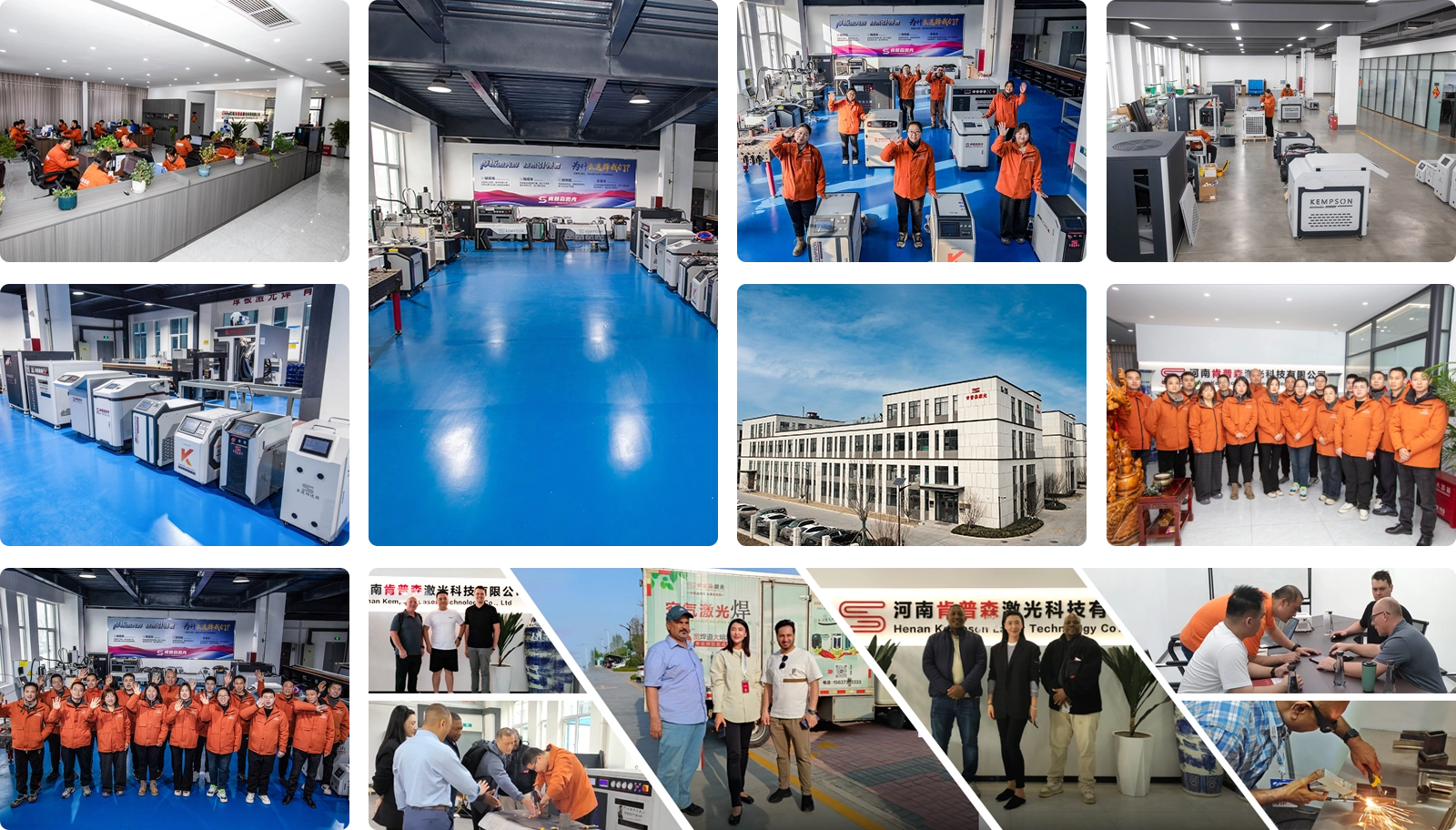
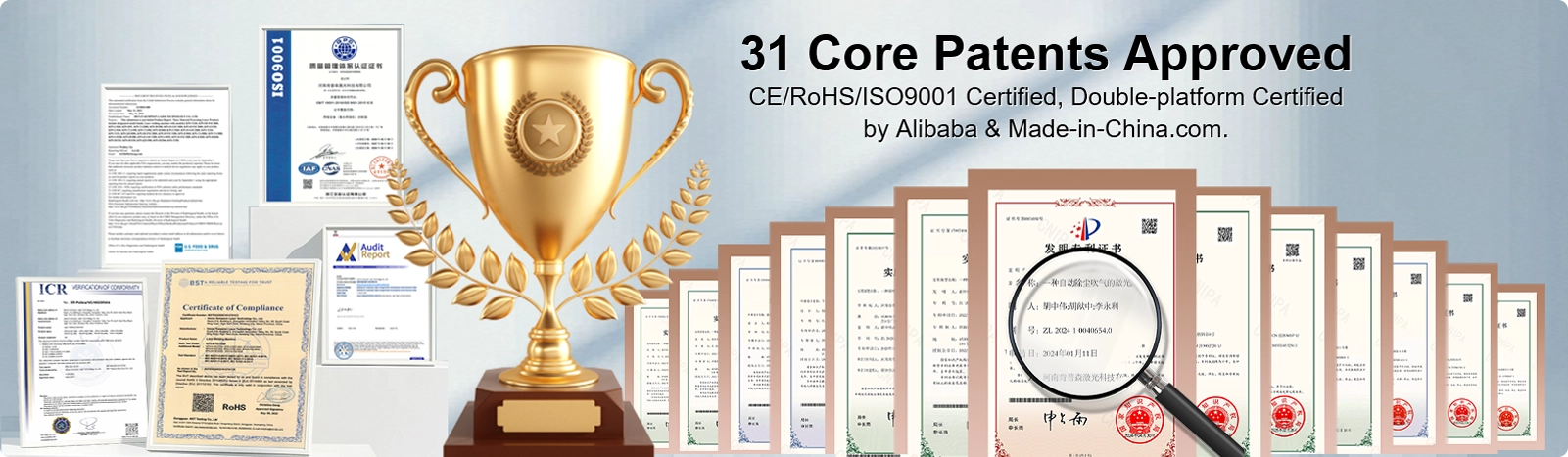
In the journey toward lightweight and high-strength modern manufacturing, choosing a professional Aluminum-steel hybrid structure welding manufacturer is critical. Kempson has deep industry experience and is a leading global aluminum-to-steel laser welding machine supplier, dedicated to solving dissimilar metal connection problems for customers worldwide. Choosing Kempson means choosing a partner with over 30 core patents and services covering more than 50 countries. Contact us for a tailored industrial-grade solution.
Yes. Laser welding can join aluminum and steel under specific material and joint conditions. The process requires control of beam position, heat input, and interface reactions to limit the formation of brittle Fe-Al intermetallic compounds. Welding trials are required to verify joint quality.
The applicable materials depend on the aluminum alloy grade, steel type, and joint configuration. Aluminum alloys can be paired with carbon steel or stainless steel, but each combination requires separate process evaluation and filler material selection.
The weldable thickness depends on laser power, material grades, joint geometry and welding process parameters. The 3000W and 4000W configurations should be evaluated against the actual thickness of both materials. Equipment power ratings alone do not define the maximum thickness of every aluminum-steel combination.
Lap joints and butt joints are common configurations for aluminum-steel assemblies. Joint gap, edge alignment, material thickness, and laser beam position affect weld formation. The final joint design should be verified through trial welding.
Aluminum and iron react at elevated temperatures to form Fe-Al intermetallic compounds, including Fe₂Al₅ and FeAl₃. Excessive growth of these compounds can reduce joint ductility and mechanical strength. Laser power, welding speed, and beam position are controlled to limit interface reaction.
Filler wire requirements depend on the material combination, joint gap, and required mechanical properties. The filler composition must be compatible with the selected aluminum-steel combination. Single-wire, double-wire, and triple-wire feeding configurations can be selected according to the welding process and machine setup.
Joint quality can be evaluated through visual inspection, defect examination, metallographic analysis, and mechanical testing. Tensile, shear, or peel tests are selected according to the joint configuration. Metallographic examination is used to assess the Fe-Al interface layer.
Provide the aluminum alloy grade, steel type, thickness of both materials, joint drawings, assembly gap, and required production capacity. Welding samples or workpiece photos are also useful for process evaluation. KEMPSON can arrange sample welding and recommend a 3000W or 4000W machine configuration based on the test results.
Are you looking for a hybrid fiber-laser welding machine for aluminum and steel structures?
Request a quote today, and our experts will help you choose the right model.
Discover how KPS 2000W/3000W laser cleaning machine work via photovaporization. High-efficiency, eco-friendly rust removal for metals with zero damage to substrate.
A complete buyer’s guide to choosing a tube laser cutting machine based on tube shape, material thickness, power requirements, production volume, and automation needs.
How does a Max 1500W Laser Welding Machine perform in a real workshop? From stainless cabinets to auto repair, see how this 1500W power levels up your High Speed Laser Welding results without the grind.
Discover what laser welding used for across industries like automotive, electronics, and medical. Learn about its precision, types, and benefits for your business.