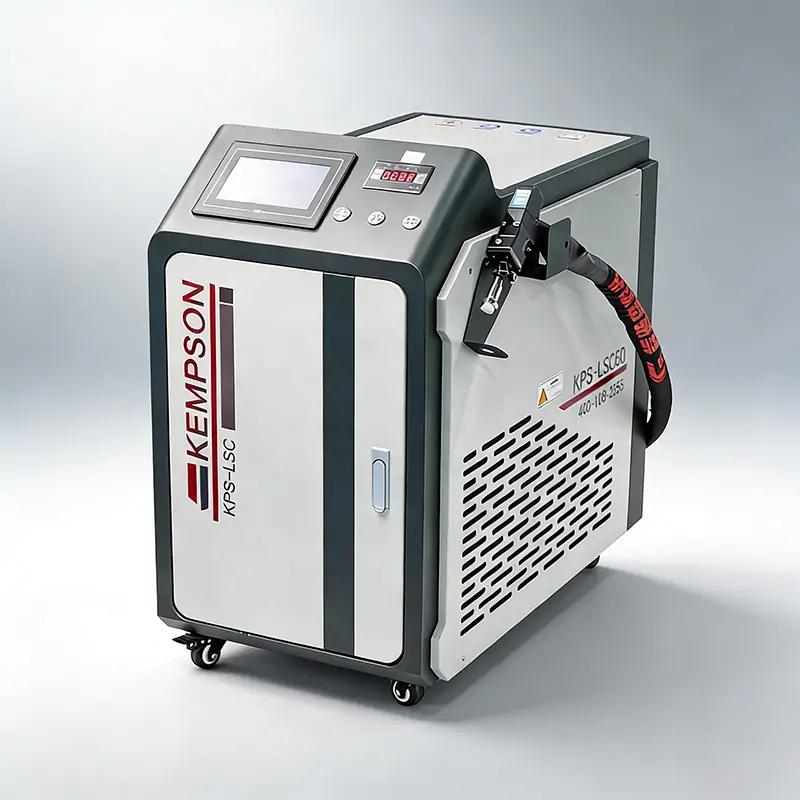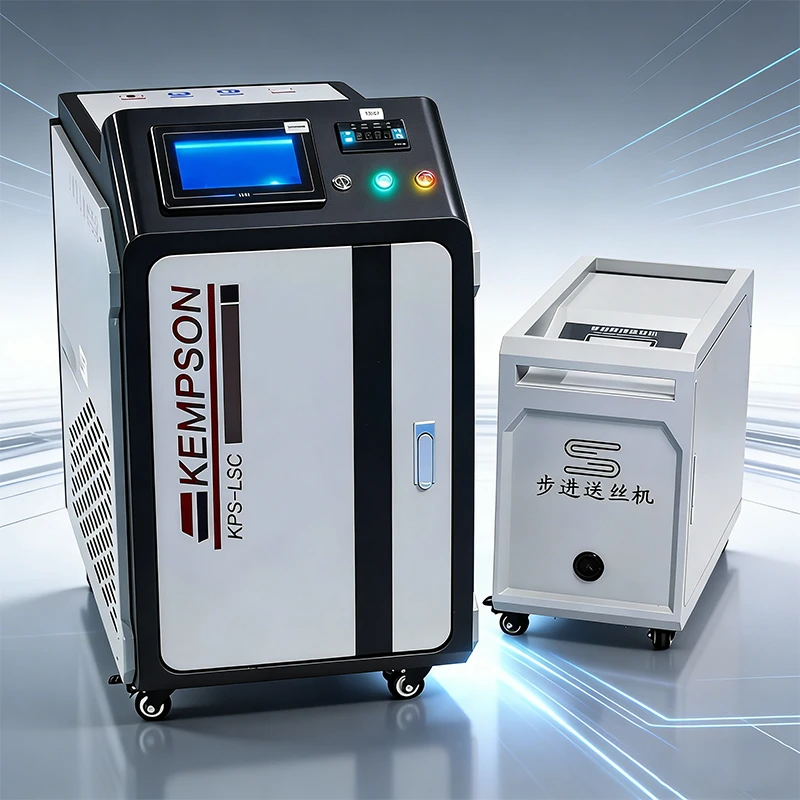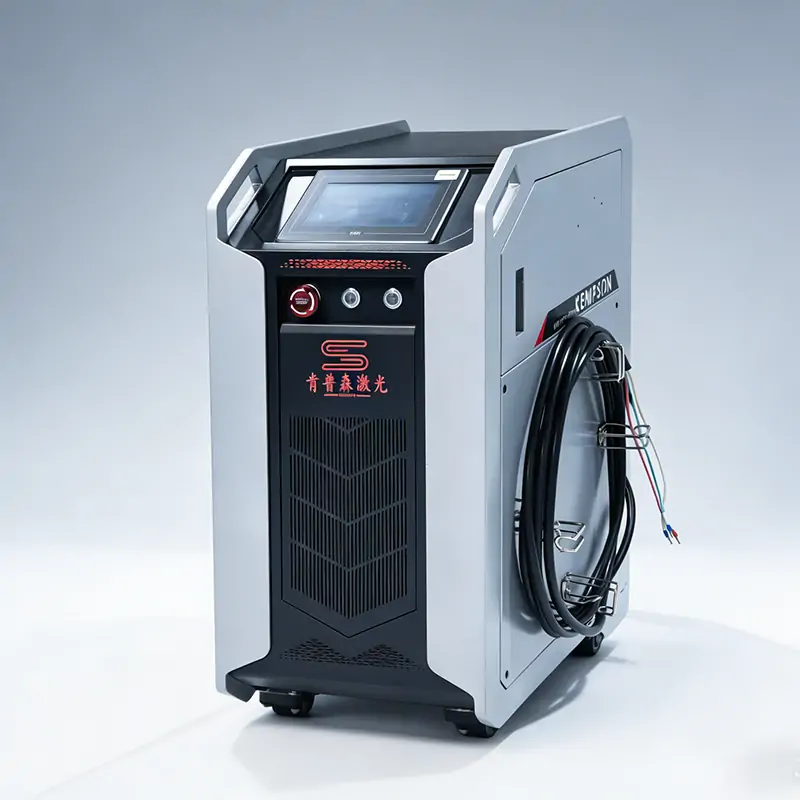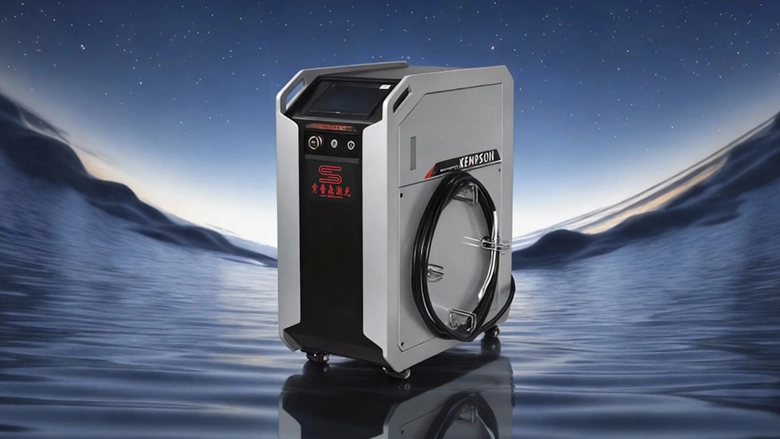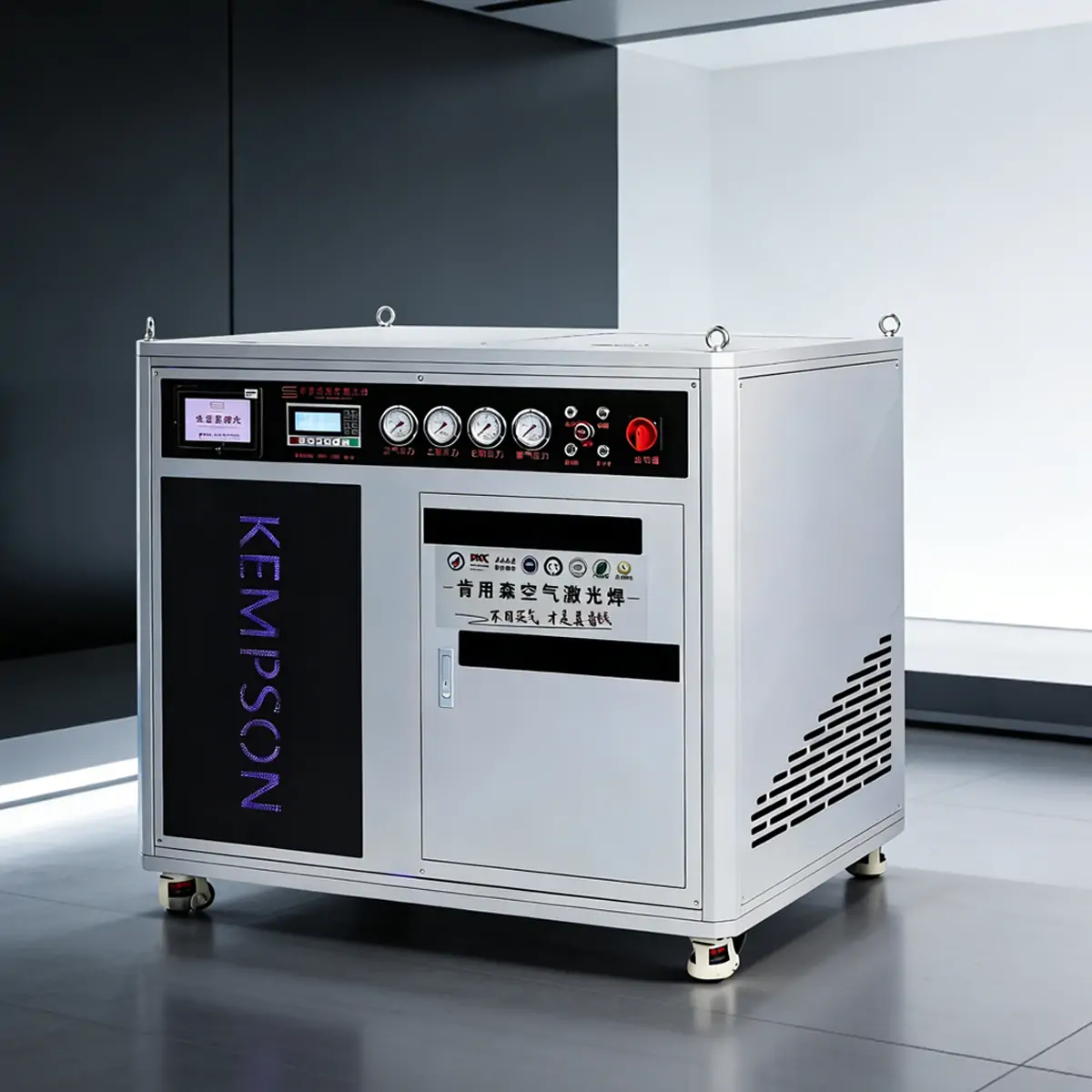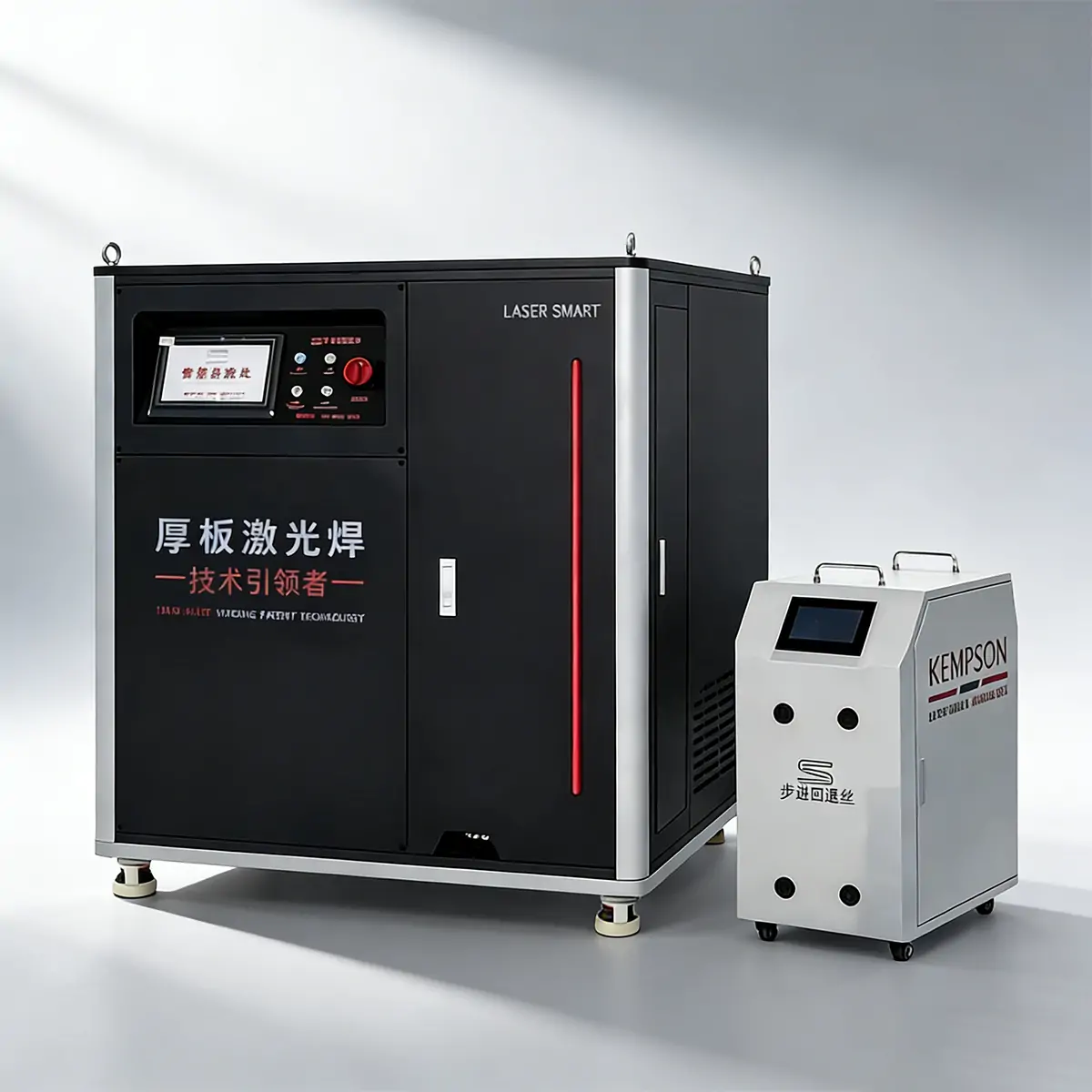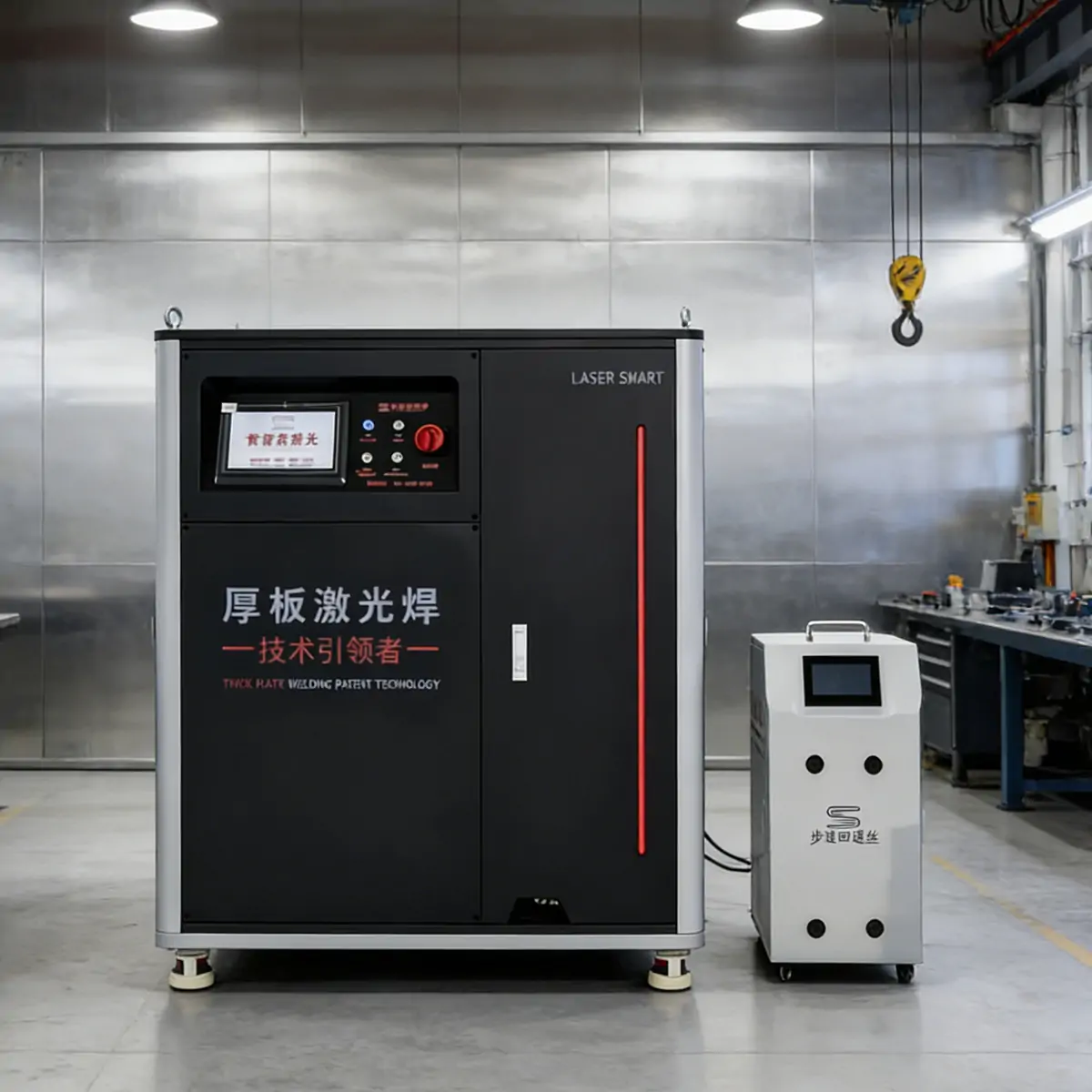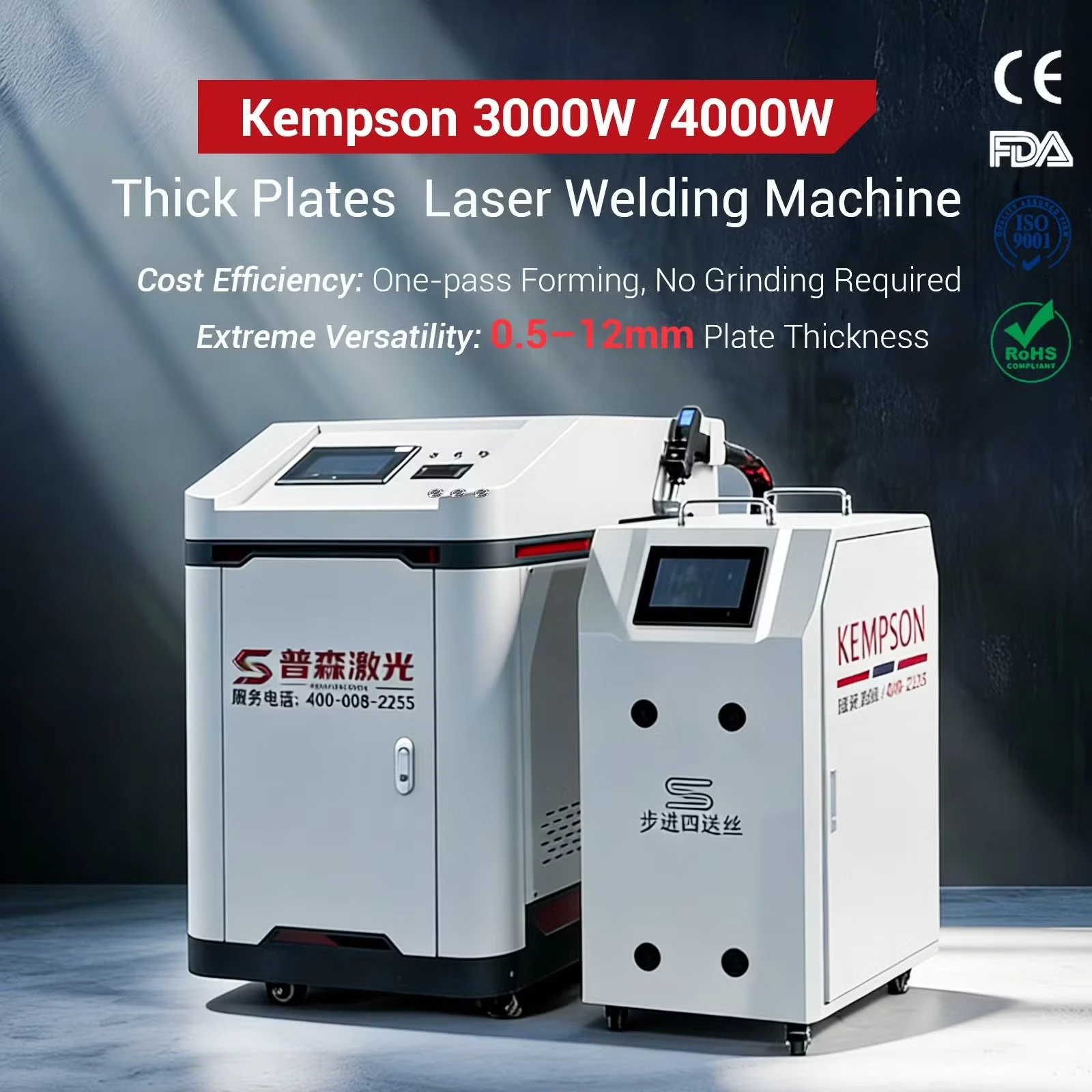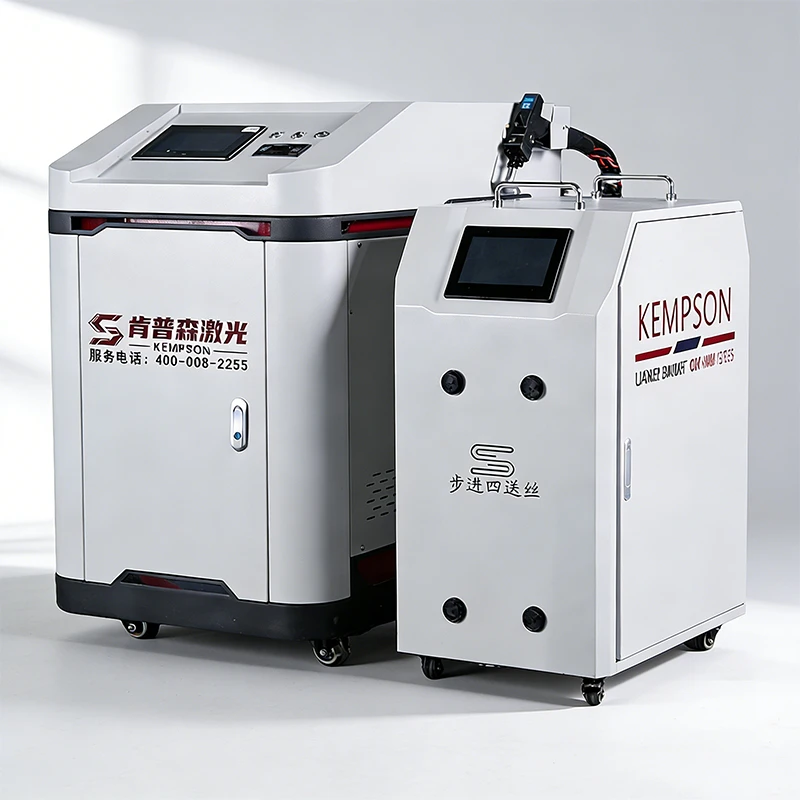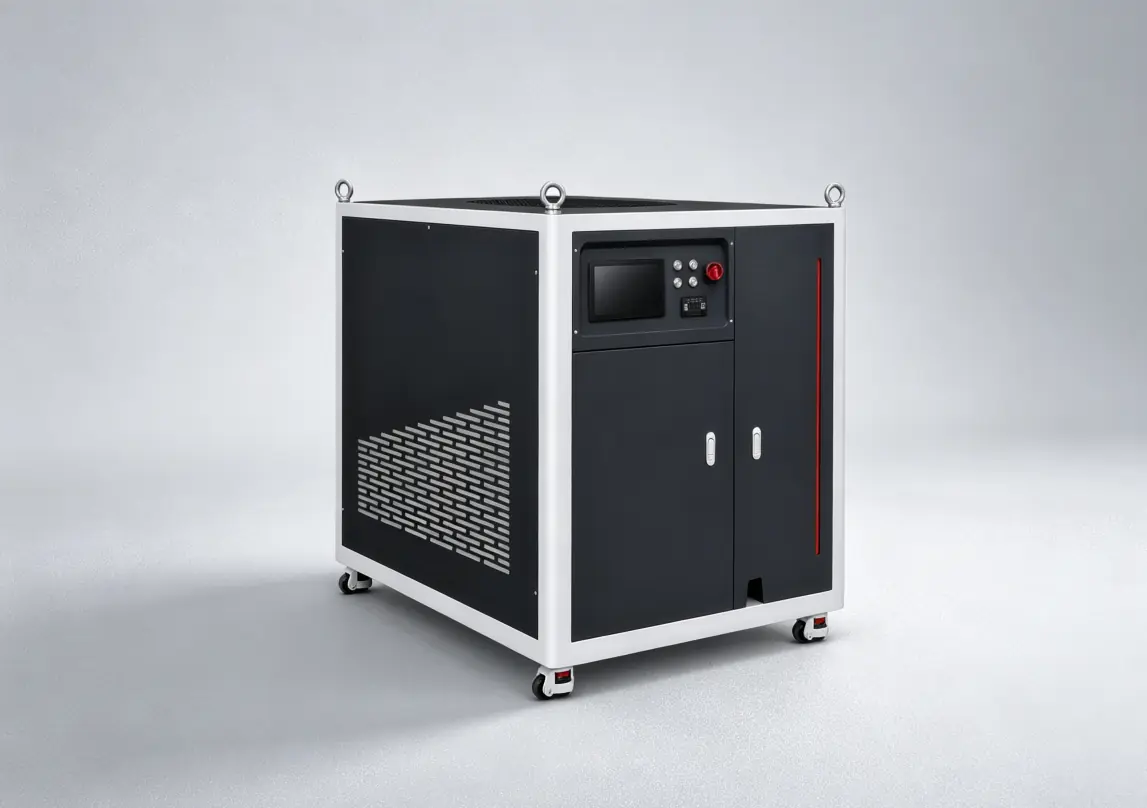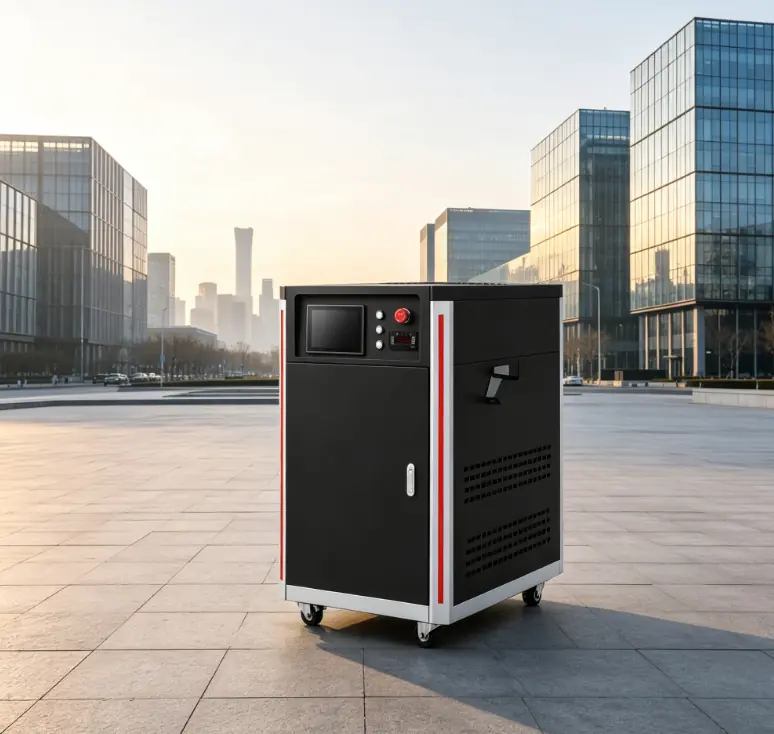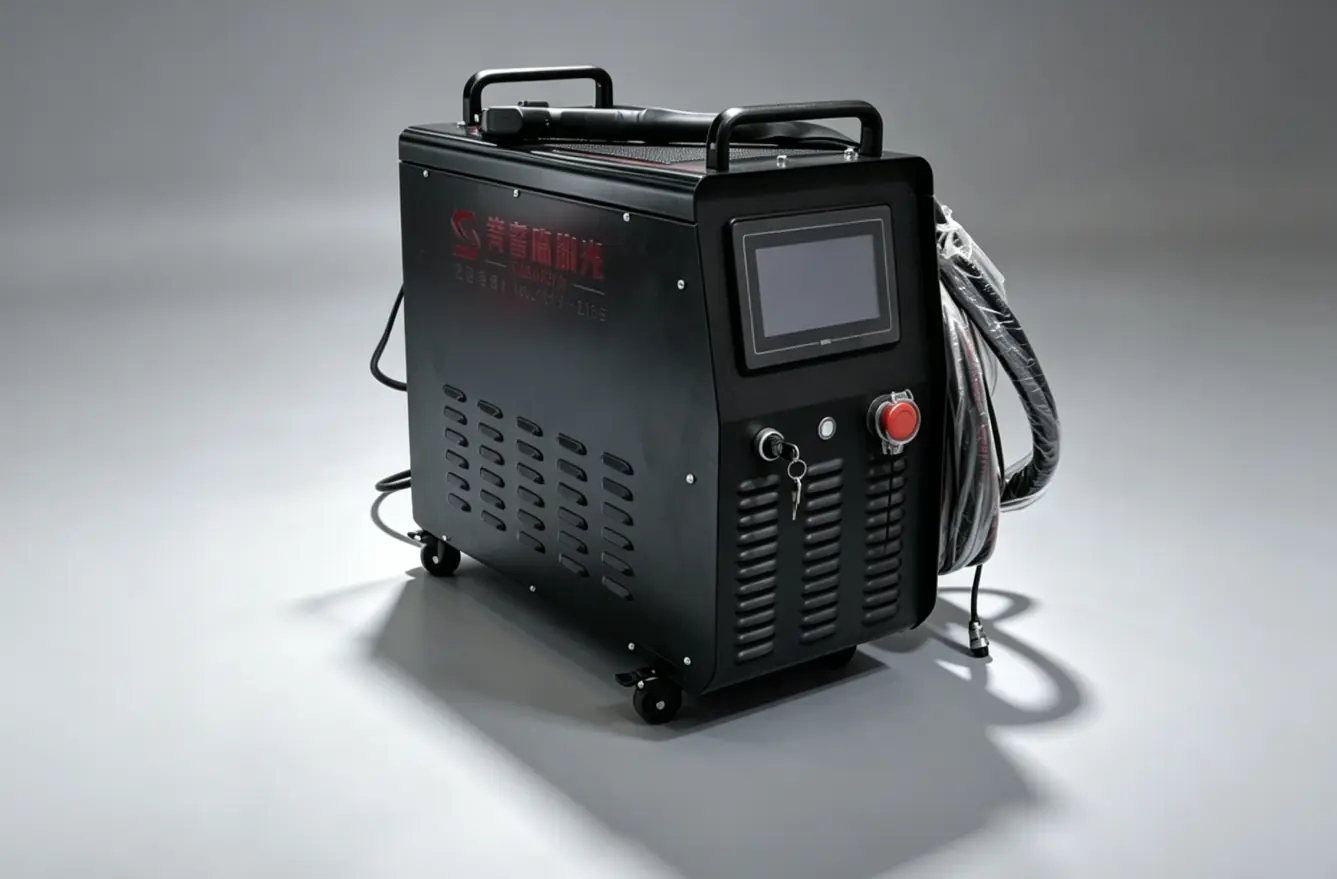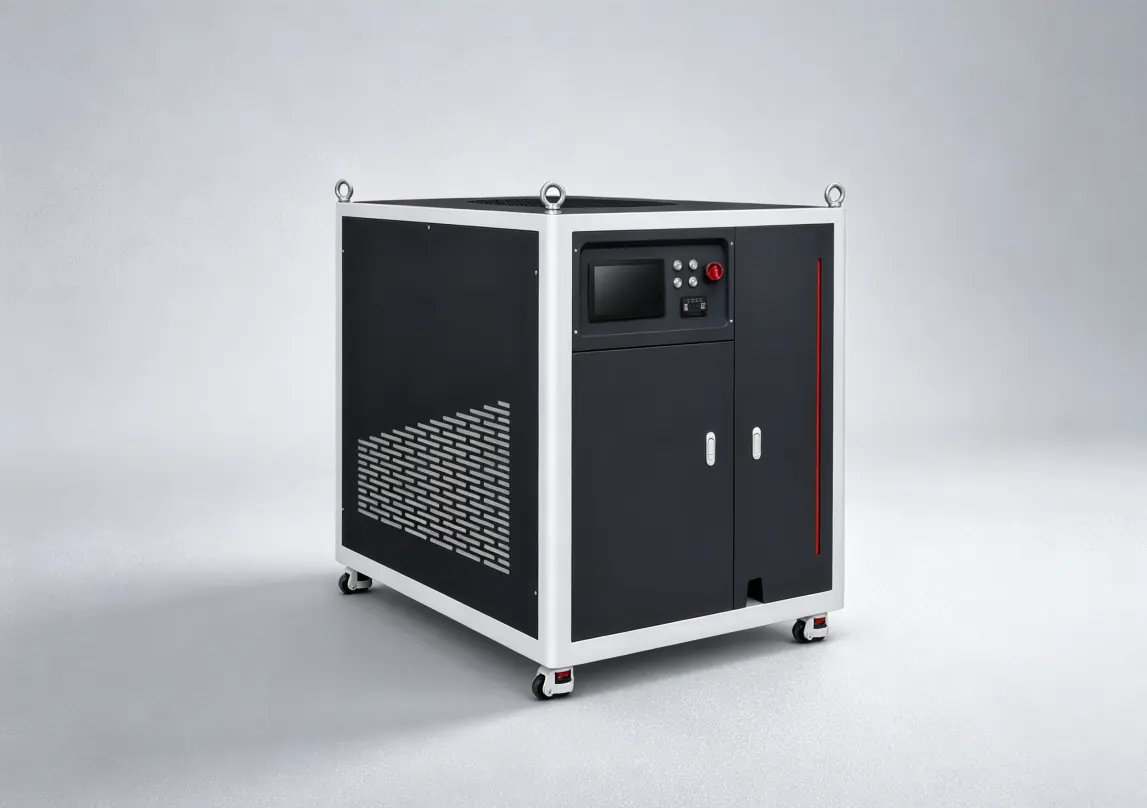
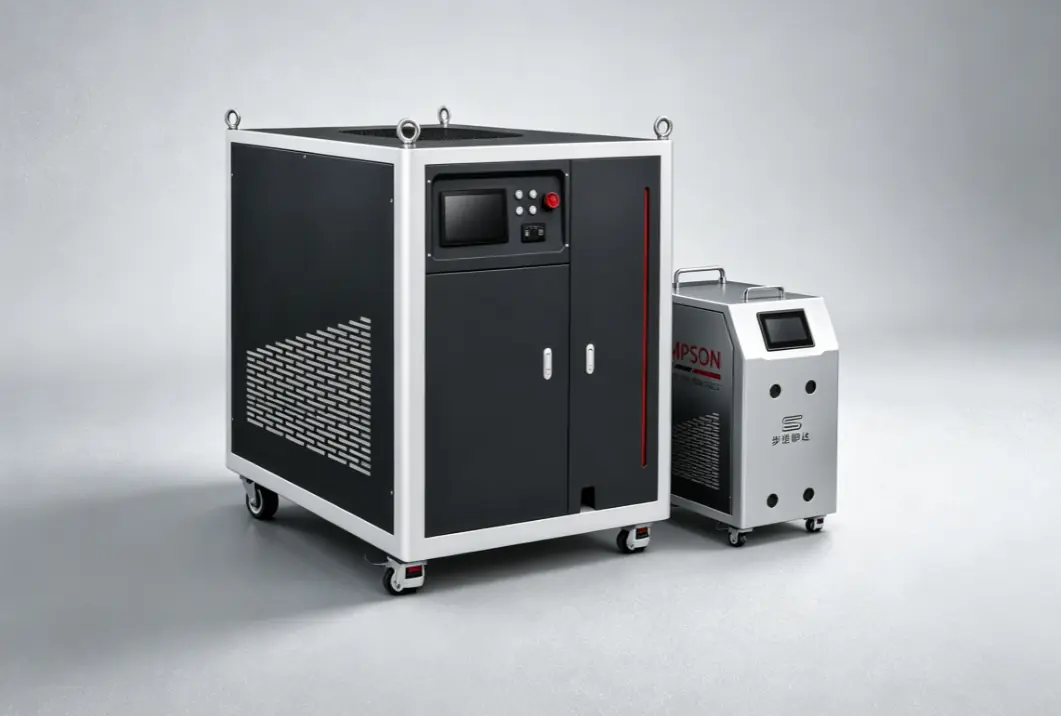
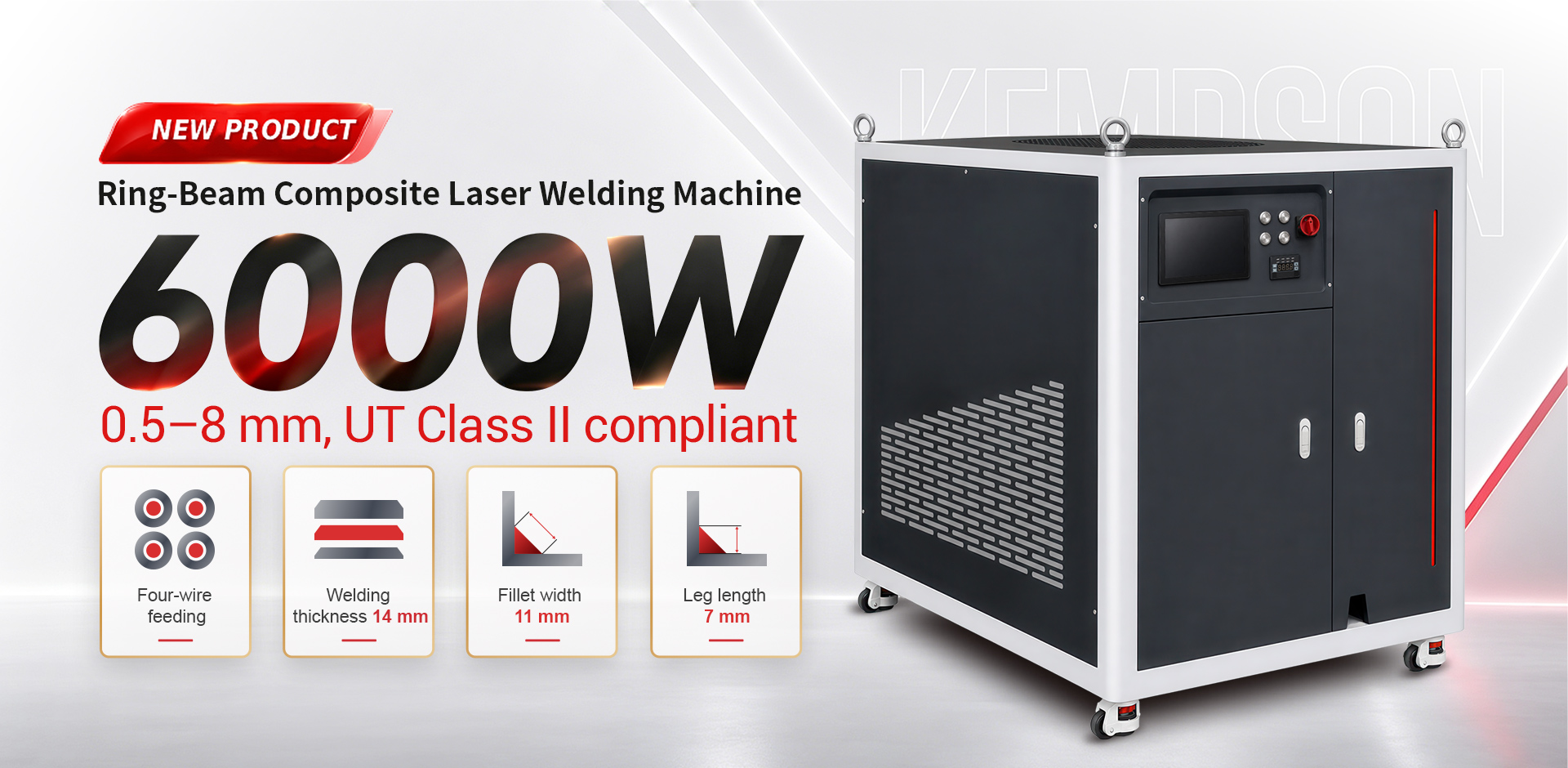
A 6000W Anti-Magnetic Laser Welding Machine is designed for welding operations in strong magnetic field environments. Magnetic interference may affect control signals, laser response, and welding parameter stability. Welding equipment used in these areas requires reliable signal transmission and stable process control.
The machine adopts EMI filtering, signal isolation, and a protected control system to reduce electromagnetic interference during welding. Equipped with a 6000W fiber laser source and dual beam output, it supports welding of aluminum, copper, stainless steel, and other industrial materials.
The equipment is suitable for aluminum electrolysis plants, non-ferrous metal factories, and heavy equipment manufacturing. The anti-magnetic design fits production environments where welding systems operate close to strong magnetic fields and require consistent welding performance.
Strong magnetic fields can interfere with control signals and affect welding process stability. KEMPSON anti-magnetic control system is designed to reduce electromagnetic interference through EMI filtering, signal isolation, and industrial protection design, supporting stable welding operation in demanding industrial environments.
(Reduce Electromagnetic Interference at the Input Stage)
High-current welding processes generate electromagnetic noise that may enter the control system through power lines and signal paths. The EMI filtering design reduces electromagnetic interference and signal disturbance before they affect key electrical components.
(Protect Control Signals from External Interference)
Signal isolation separates the control system from external electrical interference sources. The isolation design reduces signal errors caused by voltage fluctuations and electromagnetic noise, maintaining stable communication between control modules.
(Built for Continuous Welding Operation)
The machine is designed for continuous welding applications in harsh industrial environments. Protection measures for electrical components, the cooling system, and control circuits support long-term operation under demanding production conditions.
| Protection Layer | Function |
|---|---|
| EMI Filtering | Reduces electromagnetic interference entering the system |
| Signal Isolation | Blocks interference transmission between the external environment and control modules |
| Industrial Protection | Maintains system reliability during long welding cycles |
The 6000W laser welding system uses a center beam and ring beam structure to control laser energy distribution during welding. The dual beam design separates penetration power and heat control, making it suitable for thick material welding, high-reflection metals, and long welding seams.
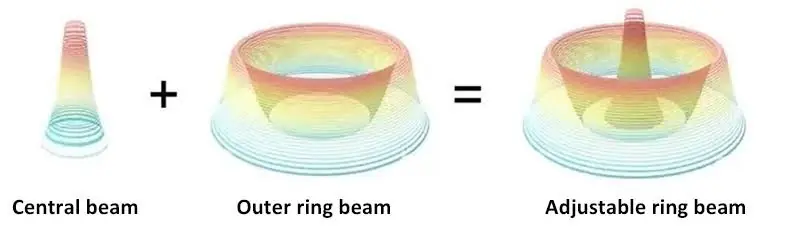
The center beam delivers concentrated laser energy into the welding area for deeper penetration. It is mainly used for welding thicker sections of aluminum, copper, stainless steel, and carbon steel components.
The ring beam distributes laser energy around the center beam area. This reduces excessive heat concentration and helps maintain a stable molten pool during welding.
The dual beam output can be configured according to material thickness and welding requirements.
Available Configurations
For more details on Core-Ring Laser Welding, see the article: “What Is Core-Ring Laser Welding? Technology, Advantages, and Applications”
The 6000W Anti-Magnetic Laser Welding Machine is suitable for welding aluminum, copper, stainless steel, and carbon steel components. The dual-beam laser system controls energy distribution during welding, supporting medium and thick plate applications in heavy industrial manufacturing.
| Material | Recommended Welding Thickness | Welding Applications |
|---|---|---|
| Aluminum Alloy | 3–12mm | Aluminum electrolysis equipment, aluminum structures, non-ferrous metal components |
| Copper Alloy | Application dependent | Copper components and high-reflection metal welding |
| Stainless Steel | 3–15mm | Industrial equipment, structural parts, metal fabrication |
| Carbon Steel | 3–15mm | Heavy structures, machinery parts, steel fabrication |
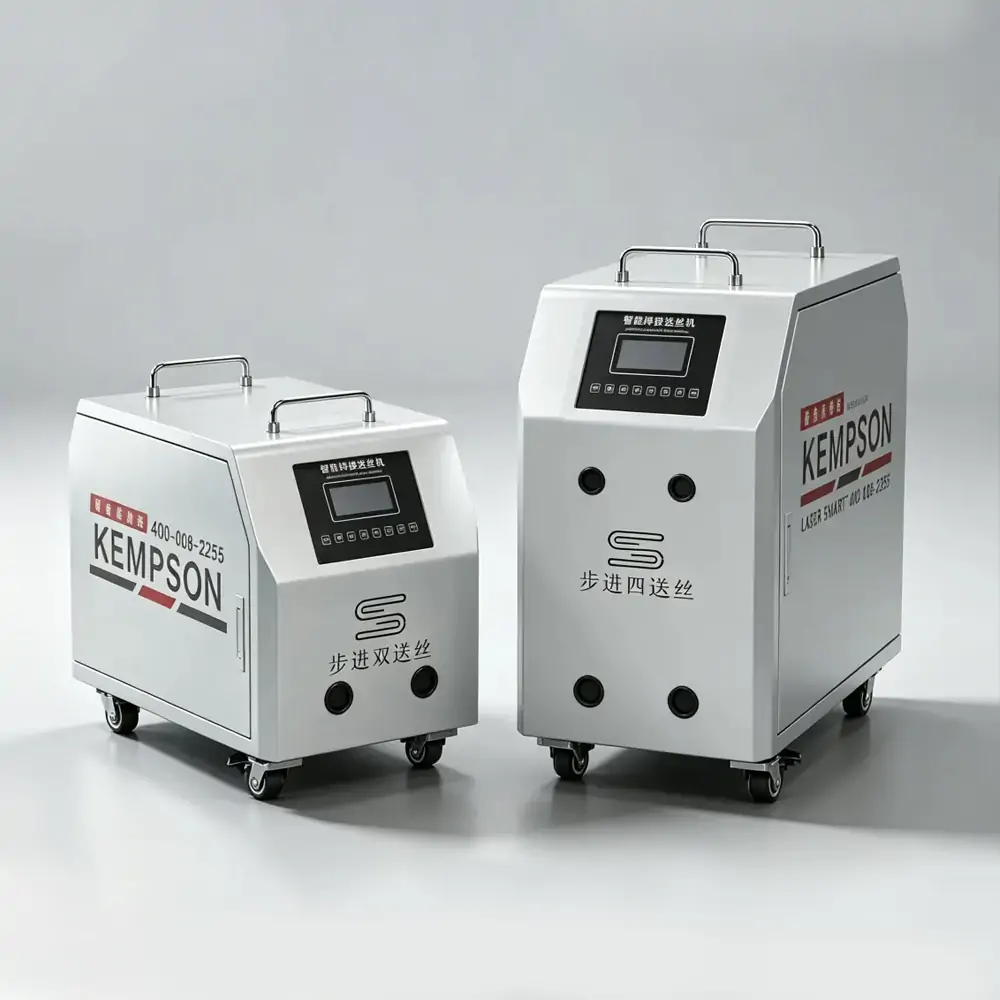
The 6000W Anti-Magnetic Laser Welding Machine supports multi-wire feeding for thick material welding and industrial fabrication. The wire feeding system is compatible with 0.8–2.0mm wire diameter and can be configured with different wire feeding modes according to welding requirements.
Types and Working Principles of Wire Feeders: What Is a Laser Welding Wire Feeder? Types, Working Principle & Selection Guide
Read more about wire feeding requirements and parameter settings during operation:
The 6000W Anti-Magnetic Laser Welding Machine integrates a nitrogen generation system inside the equipment, providing shielding gas supply for laser welding operations. The integrated design reduces the need for external nitrogen cylinders and simplifies gas supply management during production.
The built-in nitrogen generator supplies shielding gas directly to the welding head. The system is suitable for continuous welding processes where stable gas supply is required.
Applicable Industries: Aluminum fabrication, Non-ferrous metal processing, Heavy equipment manufacturing, Industrial metal welding.
For a detailed explanation of how it works, see the article: “How Does a Laser Welding Gas Generation System Work?”
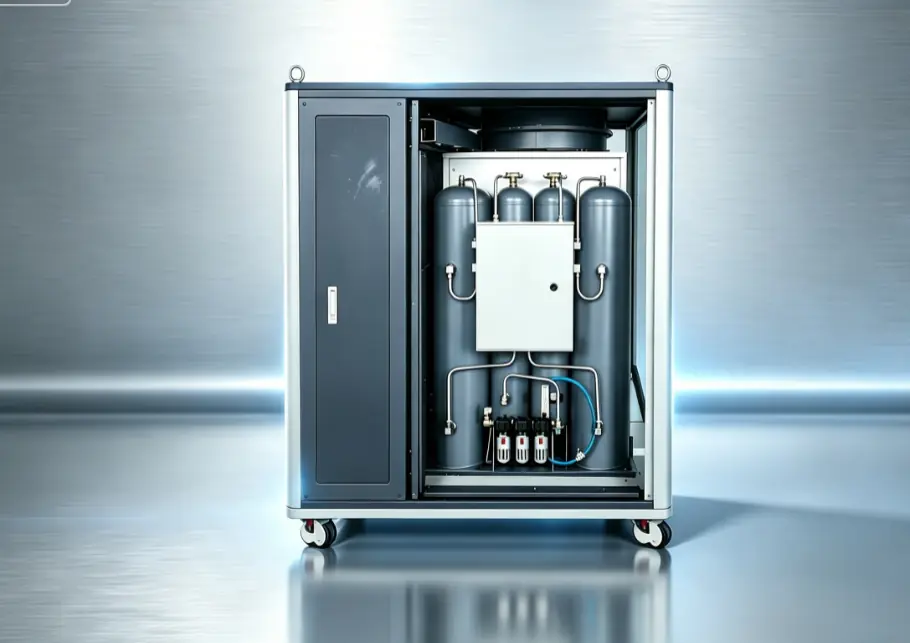
The 6000W Anti-Magnetic Laser Welding Machine is designed for industrial welding applications where strong magnetic fields, high-reflection metals, and continuous production requirements are involved. The anti-magnetic control system, dual-beam laser output, and multi-wire welding configuration make it suitable for heavy industrial manufacturing.
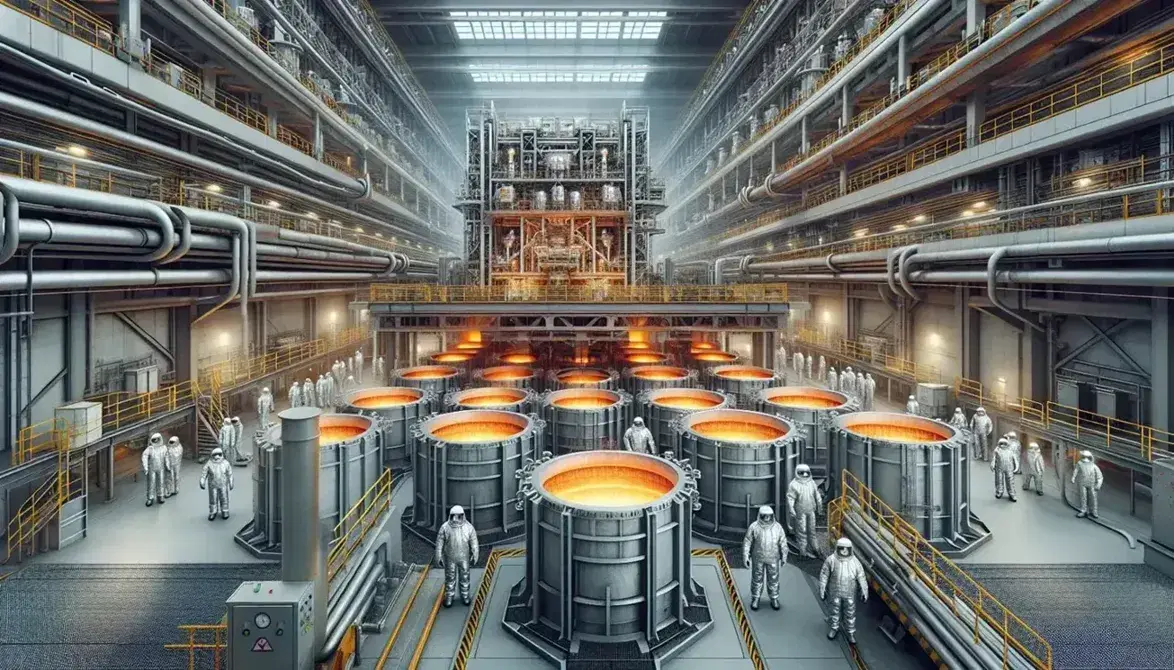
Used for welding aluminum structures and equipment in areas with strong electromagnetic fields. The anti-magnetic control system reduces signal interference during welding operations near electrolysis equipment.
Applications:
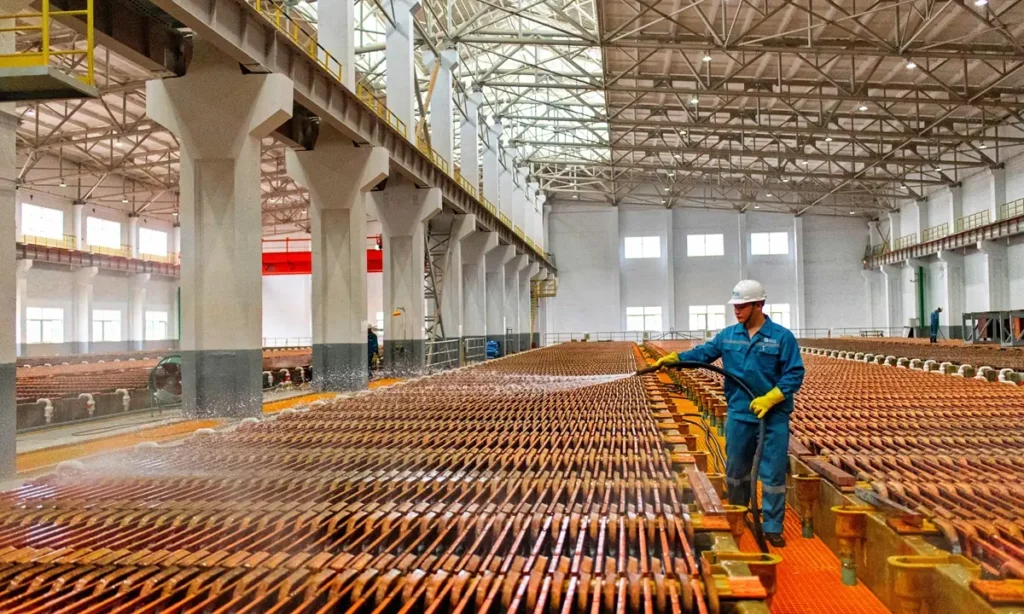
Suitable for aluminum and copper welding applications where high thermal conductivity and material reflectivity require controlled laser energy input.
Applications:
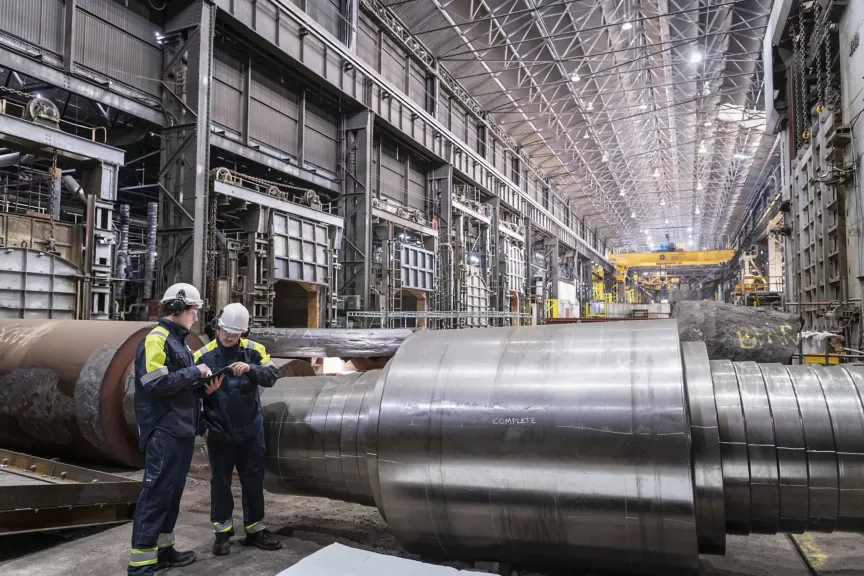
Used for welding medium-and thick metal components in machinery and industrial equipment production.
Applications:
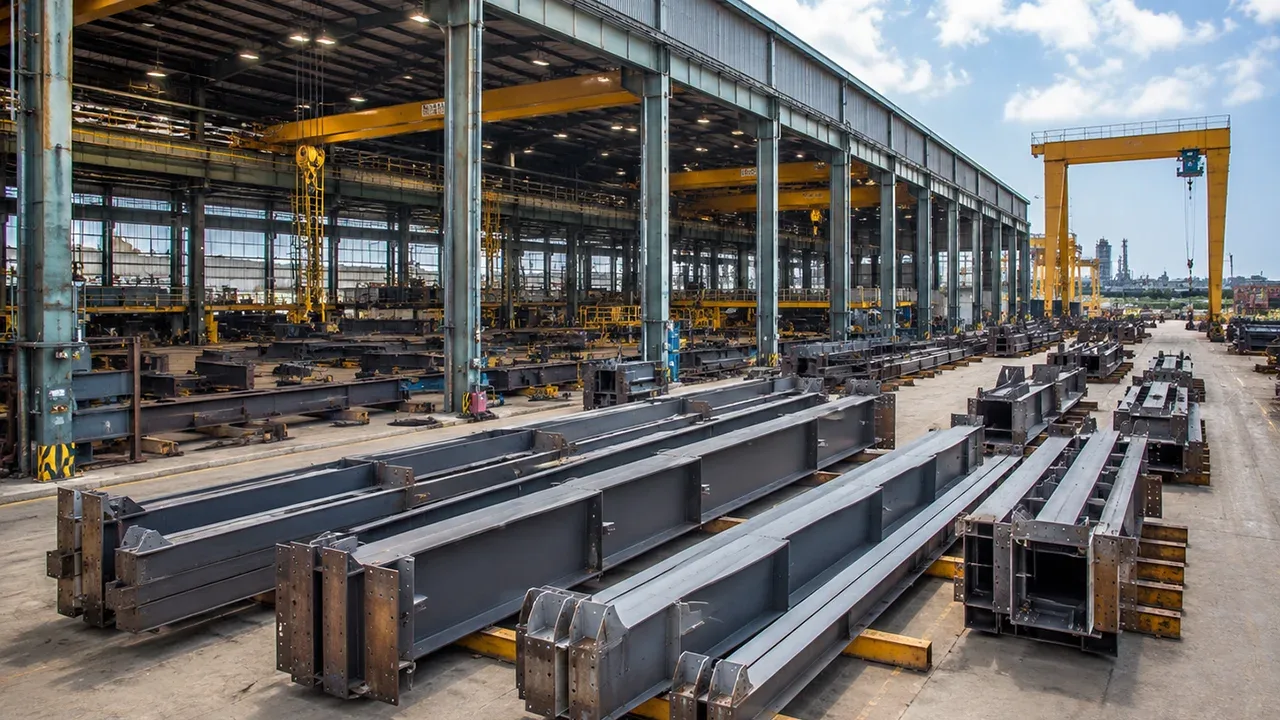
Applied in metal fabrication workshops and production lines requiring stable laser welding performance for long welding seams and complex components.
Applications:
| Parameter | Specification |
|---|---|
| Model | KPS-FHWG2-6000W |
| Laser Power | 6000W |
| Laser Source | Fiber Laser |
| Beam Configuration | Center Beam + Ring Beam |
| Beam Combination | 3000W + 3000W / 4000W + 2000W |
| Anti-Magnetic System | EMI Protection + Signal Isolation |
| Welding Mode | Continuous / Pulse |
| Wire Diameter | 0.8–2.0mm |
| Wire Feeding | Single / Double / Triple / Four Wire |
| Gas System | Built-in Nitrogen Generation System |
| Cooling System | Industrial Water Cooling |
| Applicable Materials | Aluminum, Copper, Stainless Steel, Carbon Steel |
| Power Supply | 380V |
The 6000W Anti-Magnetic Laser Welding Machine is developed for industrial welding in strong magnetic field environments. The machine combines anti-magnetic protection, 6000W laser power, dual beam output, and multi-wire feeding for aluminum, copper, and thick material welding.
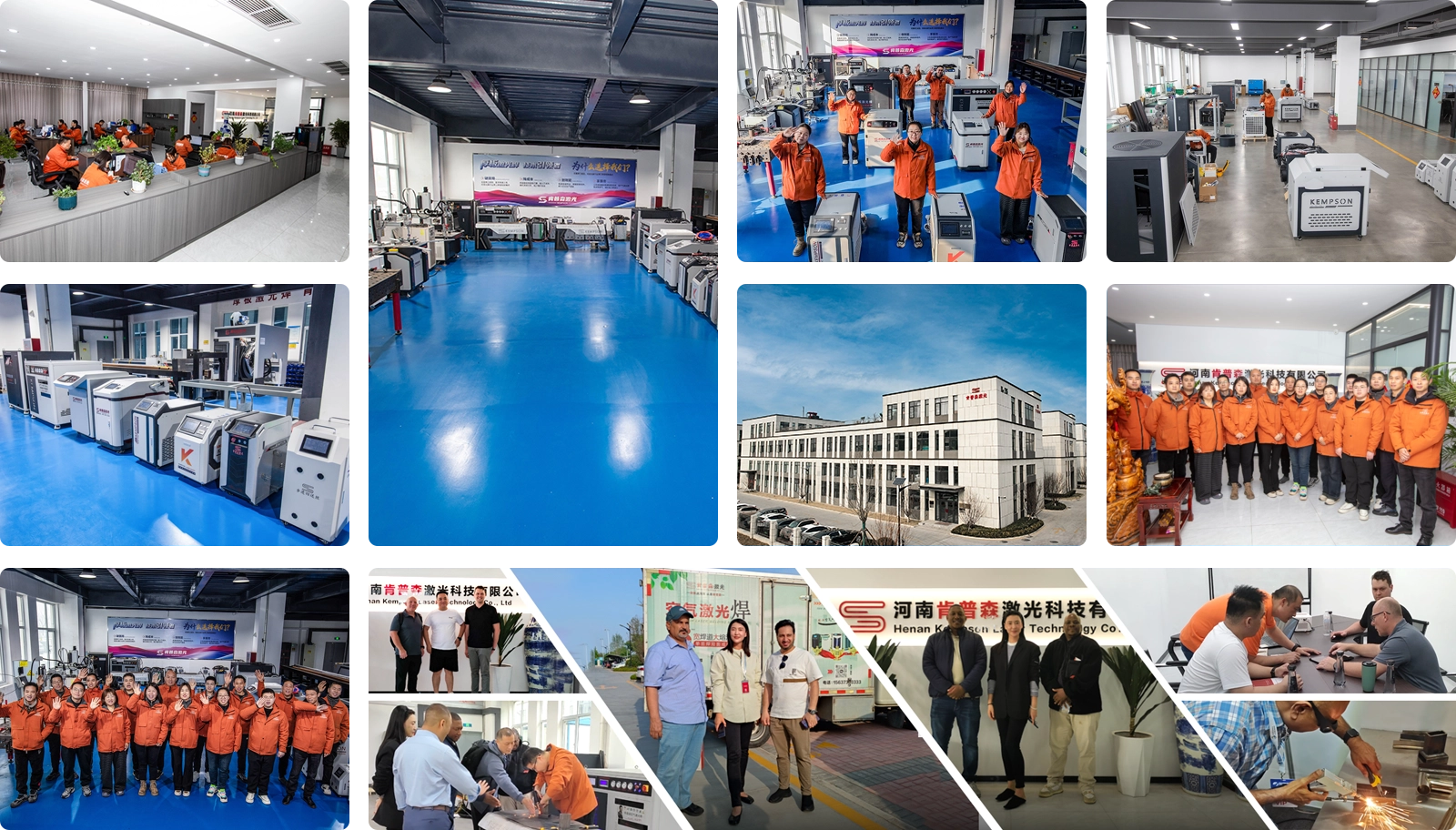
KEMPSON supplies laser welding machines for different materials, welding thicknesses, and production applications, including handheld laser welders, high-power laser welding systems, and customized welding equipment. With welding process support and equipment configuration options, KEMPSON helps customers select a suitable solution for their production needs. Contact us to discuss your welding requirements.
An Anti-Magnetic Laser Welding Machine is designed for welding applications in strong magnetic field environments. It uses EMI protection, signal isolation, and protected control components to reduce electromagnetic interference and maintain stable welding operation.
Yes. A Laser Welding Machine for Strong Magnetic Fields uses anti-magnetic design features to reduce signal disturbance caused by electromagnetic interference. KEMPSON 6000W laser welding machine is suitable for welding operations in environments such as aluminum electrolysis plants and other industrial areas with strong magnetic fields.
EMI protection reduces the influence of electromagnetic interference on control signals, laser output, and communication systems. It helps maintain stable equipment operation in industrial environments with high-current welding processes or strong electromagnetic fields.
Anti-magnetic laser welding machines are used in aluminum electrolysis plants, non-ferrous metal factories, heavy equipment manufacturing and industrial fabrication where welding equipment operates near strong electromagnetic fields.
Yes. The 6000W Anti-Magnetic Laser Welding Machine can weld aluminum, copper, and other highly reflective metals. The dual-beam laser system controls heat input for materials with high thermal conductivity.
A 6000W laser welding machine can weld aluminum alloy, copper alloy, stainless steel, and carbon steel. The suitable thickness depends on the material type, joint design and welding parameters.
Single-beam laser welding uses one concentrated laser output for welding. Dual-beam laser welding combines center beam and ring beam output to control penetration and heat distribution during the welding process.
Yes. The machine supports multi-wire feeding with 0.8–2.0mm wire diameter. It can be configured with single wire, double wire, triple wire and four-wire feeding modes for different welding requirements.
Looking for thin sheet welding?
Check our Thin Sheet Handheld Laser Welding Machine
(1500–2000W).
This guide explains stainless steel water manifold welding methods, common production challenges, and practical solutions. It covers TIG welding, MIG welding, laser welding, leakage prevention, deformation control, and process optimization for industrial manufacturing.
This guide explains how to weld a water manifold, including welding requirements, common welding methods, and the complete manufacturing process. It covers TIG welding, MIG welding, laser welding, fixture positioning, pipe fitting welding, leak testing, and surface finishing for stainless steel manifolds.
This article compares laser welding and TIG welding for water manifold manufacturing. It covers welding speed, heat input, deformation control, weld appearance, operator requirements, automation, and production applications to help manufacturers select the right stainless steel welding method.
Water manifolds require reliable sealing, consistent weld quality, and stable production performance. A laser welding machine provides concentrated heat input, low deformation, smooth weld seams, and high repeatability for stainless steel and brass manifold welding.
The 2000W–3000W fiber laser welding solution is suitable for HVAC manifolds, underfloor heating manifolds, and plumbing components. With customized fixtures and multi-axis automation, manufacturers can improve production efficiency and reduce dependence on manual TIG welding.